- Marc Marquez won eleven races in 2025 and secured eight pole positions.
- Francesco Bagnaia struggled with the Ducati GP25 and lost internal support.
- Ducati is prioritizing the extension of Marquez’s contract beyond 2026.
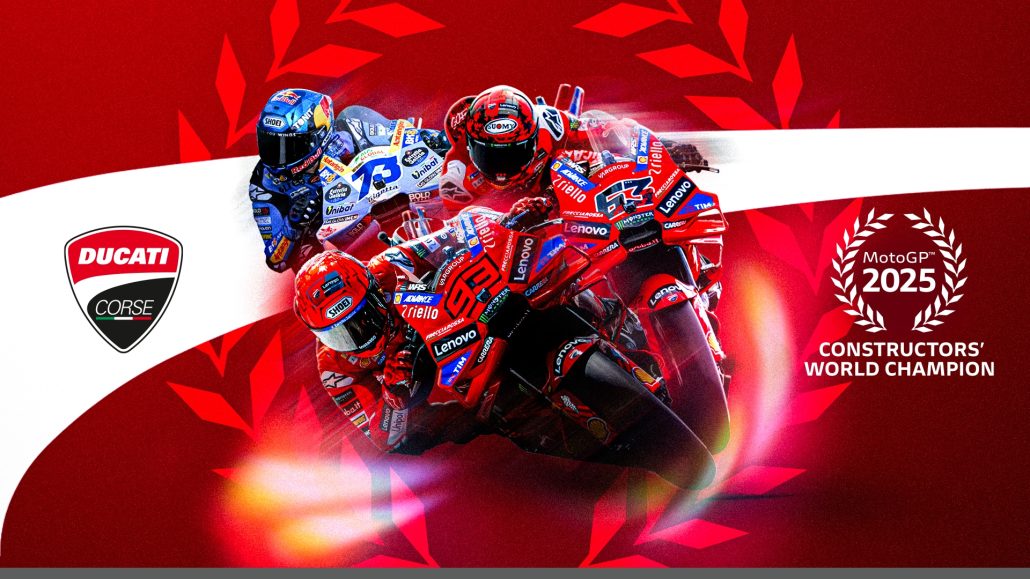
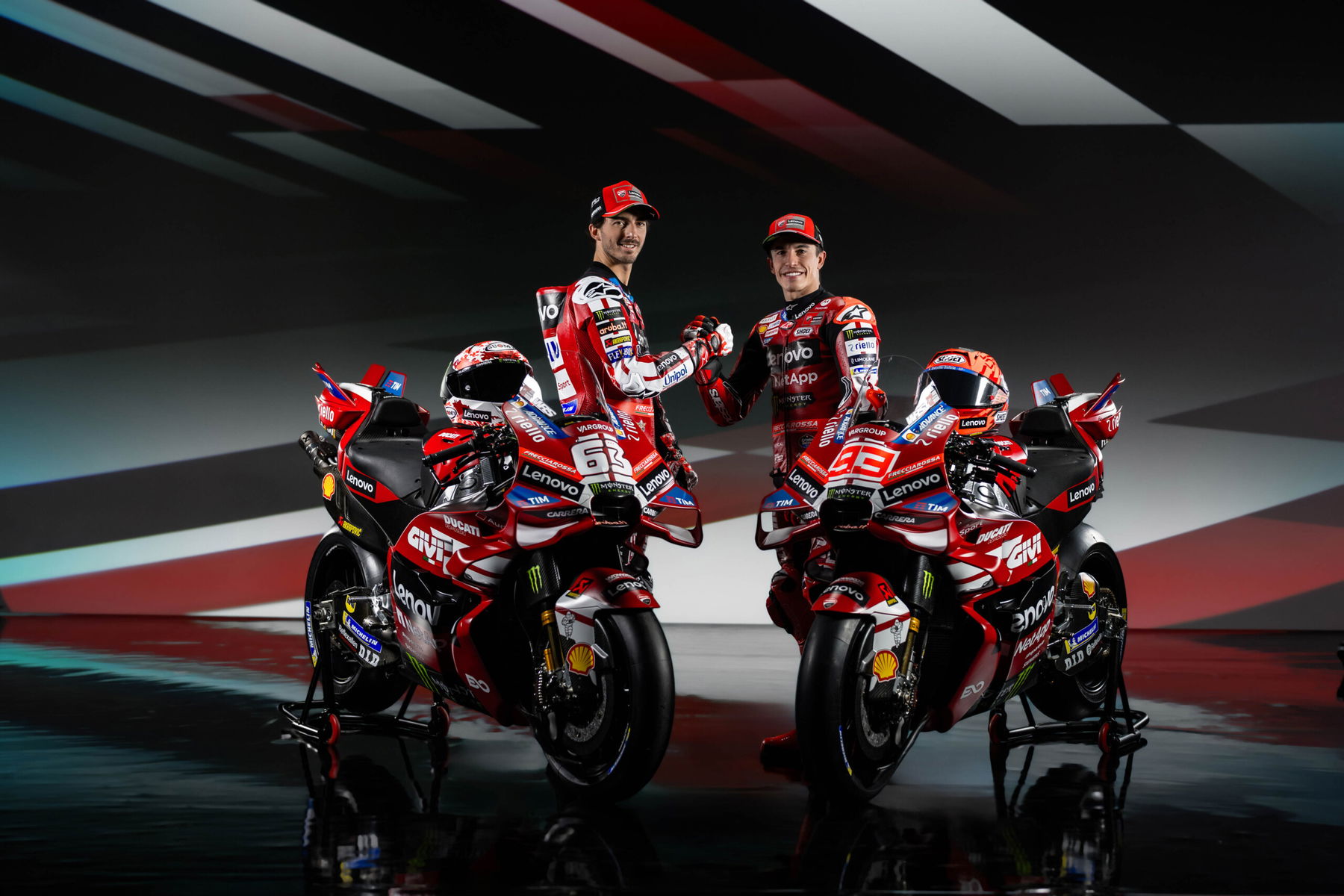
The 2025 season was a triumph for Ducati in sporting terms, but internally it was a balancing act. While Marc Marquez confidently led the factory team to the title, Francesco Bagnaia came under increasing pressure. Statements from Ducati management now provide insight into a complex relationship that goes far beyond bare results.
Marquez as a dominant factor in the Ducati structure
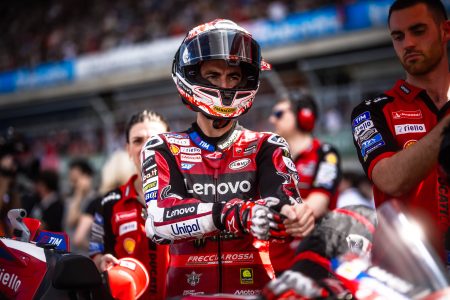
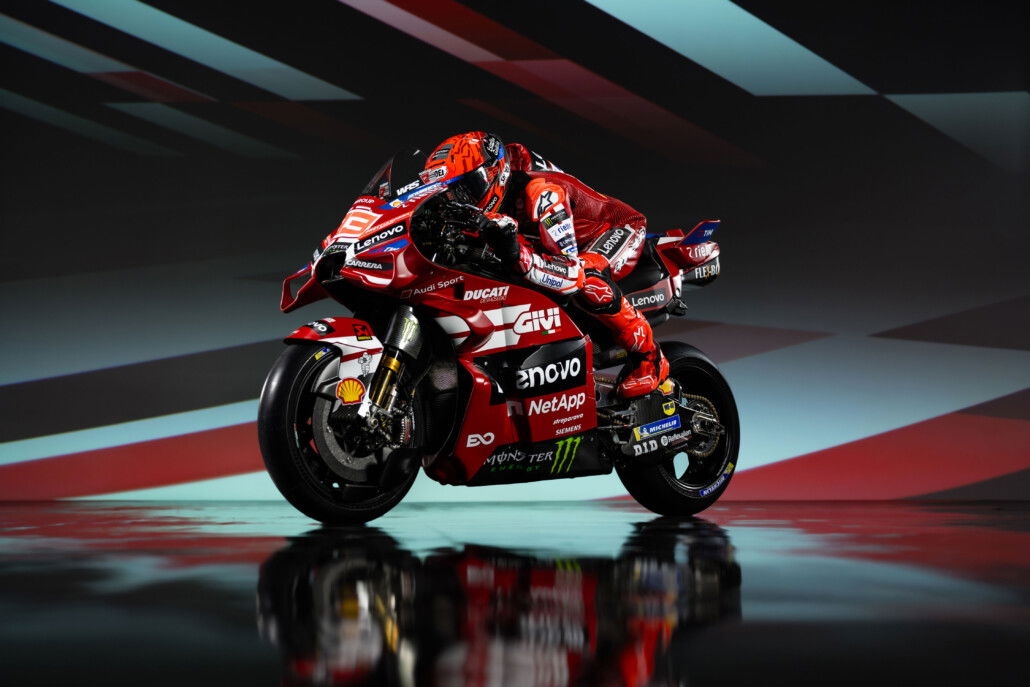
Marc Marquez’s move to the factory team noticeably changed the internal dynamics at Ducati. The Spaniard, who dominated the season with eleven wins and eight pole positions, immediately established himself as the benchmark. This was a sporting victory for Ducati, but it also brought new tensions, as Francesco Bagnaia had been the brand’s most successful rider in MotoGP until then.
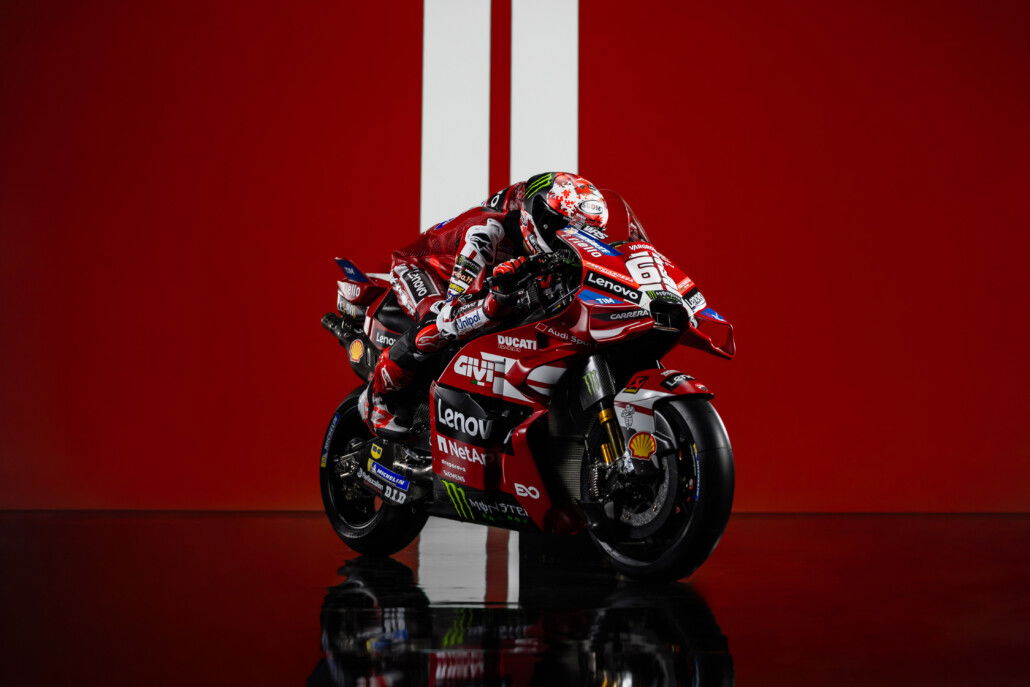
Bagnaia struggled with the Ducati GP25, whose handling did not suit his style, according to his own assessment. Above all, his lack of confidence in the front end led to ongoing discussions between the rider and technicians throughout the season. The result was one of his weakest seasons in the premier class.
Unexpected role of Marc Marquez
Despite his sporting superiority, Marc Marquez took on an internal role that surprised even long-time observers. Ducati team manager Davide Tardozzi reported that Marquez actively asked not to put additional pressure on Bagnaia in particularly difficult moments.
Marquez deliberately pointed out in individual situations that certain measures or public signals should be avoided in order not to jeopardize his teammate’s mental stability. Tardozzi described this behavior as extraordinary and a sign of great personal maturity. According to Tardozzi, Marquez himself even reduced the public emphasis on his successes in order to defuse tensions within the pit.
Contract situation exacerbates internal tensions
Bagnaia’s contract expires at the end of 2026, as does Marquez’s. However, Ducati has clearly communicated that its priority is to extend the reigning champion’s contract. Both Ducati CEO Claudio Domenicali and Tardozzi have confirmed this position on several occasions.
After his dominant season, Marquez is in a much stronger negotiating position than when he moved to Ducati. At that time, he accepted comparatively modest terms. Now the situation is different, which inevitably has an impact on the second place in the factory team, also in financial terms.
For Bagnaia, this means a new starting position. His current contract was drawn up at a time when he was set to become world champion. A significant deterioration in conditions is considered difficult to justify internally.
Bagnaia remains calm, Ducati sends clear signals
Outwardly, Francesco Bagnaia appears calm and emphasizes that he wants to focus on the coming season and the major rule changes in 2027. At the same time, there are increasing indications that Ducati is pushing ahead with its long-term planning regardless of Bagnaia’s sporting turnaround.
Within the manufacturer, it is assumed that many factory teams want to finalize their rider decisions for 2027 and 2028 very early on. Against this backdrop, it seems unlikely that Bagnaia will rely solely on sporting arguments in the first races of the season to consolidate his position.
Acosta as a possible alternative
At the same time, the name Pedro Acosta is repeatedly coming into focus. The young Spaniard is considered by many decision-makers to be a future world champion and would apparently be willing to make considerable concessions for a place in the Ducati factory team.
This constellation presents Ducati with a strategic dilemma. On the one hand, Bagnaia is a multiple world champion and historically successful Ducati rider under contract, while on the other hand, Acosta is a tempting long-term successor for the post-Marquez era. Statements from those close to the situation suggest that intensive internal deliberations are already underway.
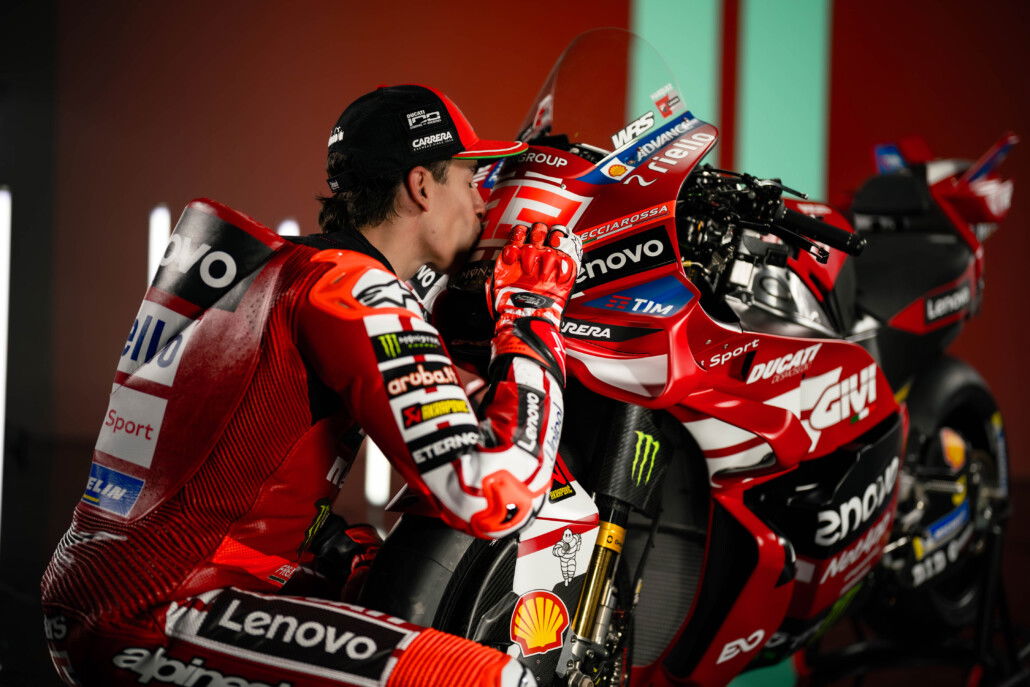
Marquez clearly wants continuity
Marc Marquez himself recently dampened speculation about a possible move for the 2027 season. He emphasized that he has always tried to stay with a team throughout his career if the environment, performance, and working methods are right. Ducati is therefore his first choice for the period after his current contract expires, even though talks are still ongoing.
For Ducati, this means a certain degree of planning security on the one hand, but at the same time growing pressure to make a decision regarding the second rider. According to management, only one thing is clear: if Marquez decides against an extension, Bagnaia would once again become the priority.
What does this mean for me as a MotoGP fan?
From a fan’s perspective, this situation feels ambivalent. On the one hand, it is fascinating to see how Marc Marquez not only dominates at Ducati in terms of performance, but also clearly takes on responsibility as a person and has a balancing effect internally. On the other hand, the possible departure of Francesco Bagnaia leaves a bitter aftertaste, because here we have a rider who has been the face of the brand for years and has had a significant impact on Ducati. If it is confirmed that strategic planning and economic aspects are more important than sporting loyalty, this will change the perception of the factory team. For fans, this means above all that MotoGP 2027 could become even more political, even colder, and more calculating, and that even great successes no longer guarantee a permanent place. This is precisely what makes the series exciting, but also ruthless.

- DUNLOP 637884Dunlop – Sportsmart Mk4 – 120/70 Zr17 Tl 58(w) – Sommerreifen



Redakteur bei Motorrad Nachrichten. Fokus auf Technik, Szene und Motorradpolitik – neutral, sachlich, verständlich.
Verantwortlich für die Seiten www.Motorcycles.News, www.Motorrad.Training und den YouTube-Kanal "Motorrad Nachrichten", sowie deren social Media-Seiten.