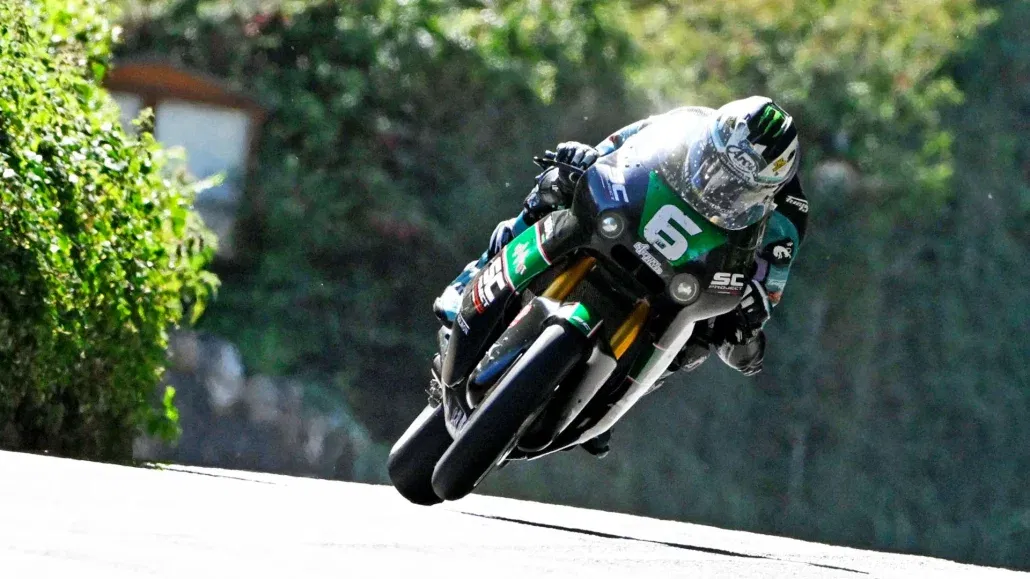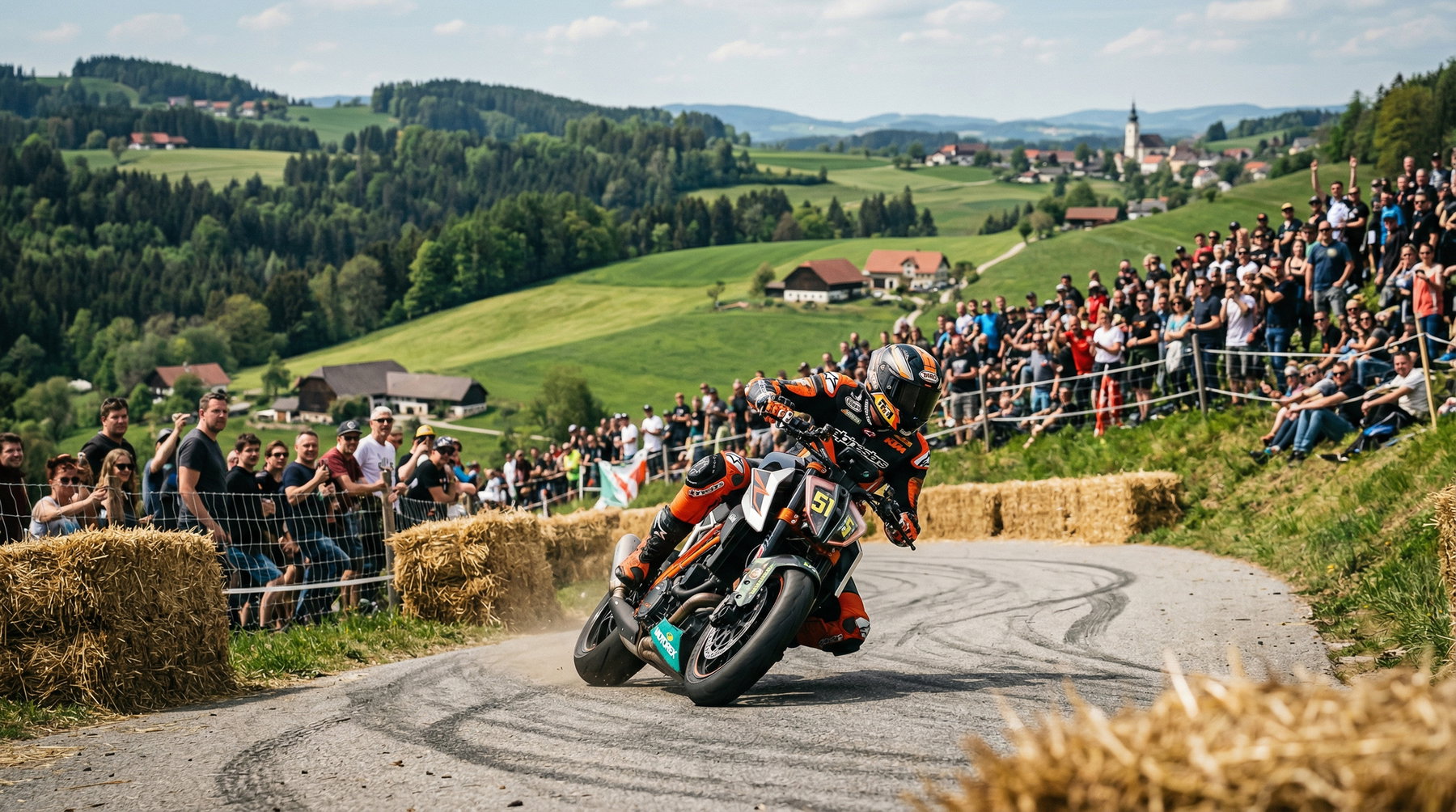
- 300 entries mark a new record in the history of the hill climb
- David Datzer (34) will compete in the Special Bikes and Naked Bikes classes
- The race takes place on April 11 and 12, 2026 and marks the opening round of the European Hill Climb Championship
The Landshaag to St. Martin im Mühlkreis hill climb has been one of the mainstays of European motorcycle hill climb racing for decades. The MSC Rottenegg organizes the event on the 3,620-meter course, which normally serves as a federal road with a 100 km/h speed limit and transforms once a year into the fastest motorcycle hill climb in Europe. This year, the organizer reports an unprecedented surge in entries: 300 riders have registered. Last year, the number stood at 260.
Entry Record at the Fastest Hill Climb in Europe
The MSC Rottenegg was overwhelmed by the response. “We have received 300 entries and are already looking forward to all the competitors who will be lining up in Landshaag in about two weeks,” the club announced. For the Upper Austrian motorsport club, which has been active in Austrian motorsport for over five decades, this represents a new milestone in the history of the traditional event. The race once again serves as the opening round of the European Hill Climb Championship and also counts toward the Austrian Motorcycle Hill Climb National Championship.
The course from Landshaag to St. Martin is considered unique among enthusiasts. The start area is called Himmelreich, and on the 3,620 meters of asphalt, the fastest riders reach speeds exceeding 220 km/h. Last year, the race attracted around 11,000 spectators to the course, which also represented a visitor record.
David Datzer Returns as Course Record Holder
For a long time, it was unclear whether David Datzer would compete in Landshaag in 2026. The 34-year-old from Lower Bavaria, who also races in international road races such as the North West 200, the Tourist Trophy on the Isle of Man, and the Motorcycle Grand Prix in Macau as IRRC Superbike Champion, suffered a serious injury in May 2025 at the road race in Stare Mesto, Czech Republic. Just weeks after his stunning record in Landshaag, he was hit by the motorcycle of a crashed competitor.
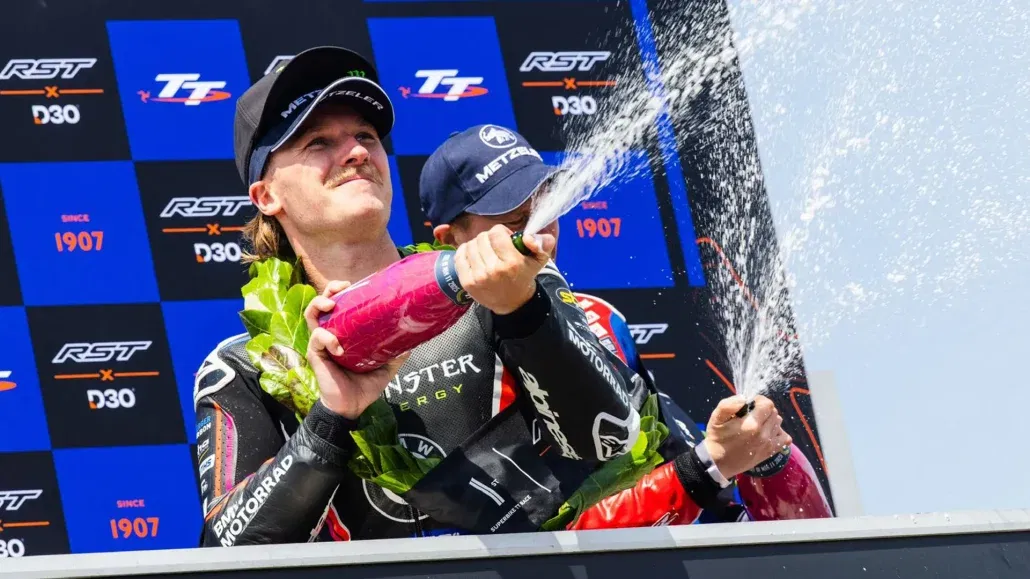
All the more reason for joy among those involved that Datzer’s name now appears twice on the entry list. The BMW rider will compete in the Special Bikes and Naked Bikes classes. Last year, he broke the course record held by Andreas Gangl since 2016 (1:09.940 minutes) twice. In the first race run, Datzer clocked 1:09.841 minutes on his Superstock 1000 machine, before improving to 1:08.795 minutes in the second run on the Superbike. This translates to an average speed of 189.43 km/h over the entire course length.
2025 was Datzer’s third appearance in Landshaag. In his two previous participations in 2018 and 2019, he had not played a role in the fight for the top positions, finishing 57th and 16th respectively. What changed since then: in 2025, Datzer rode Tommy Wagner’s BMW M1000RR among other bikes, which he described as a true Superbike with roughly 15 hp more at the rear wheel. Additionally, slick tires were permitted for the first time in Landshaag, giving riders additional grip on the federal road.
Strong Field of Favorites with Local Stars and International Participation
Alongside Datzer, the best chances of winning the overall day classification are attributed to local heroes Harald and Manuel Schleindlhuber, Markus Mitterbauer, Thomas Altenhuber, and Thomas Altendorfer. Altenhuber won the day classification in 2024 and in 2025, despite only being able to compete with a single motorcycle for financial reasons, finished as the best Austrian in fifth overall.
Salvatore Sallustro from Italy is another name on the list who could spring a surprise. The Supermoto specialist finished second in the Supermoto Open class last year behind Philipp Neumüller.
Comeback After Four Decades: Manfred Binder in the 250cc Class
A remarkable story is being written by Manfred Binder, who returns to racing after a 40-year hiatus. The sports photographer, who spent the past decades following the hill climb from the other side of the camera, will compete in the 250cc class. There, he faces the entire elite of this category: Guido Testoni, Rolf Haller, and Bernd Depierreux are among the field, as are former World Championship participant Urban Jussel and Markus Kollenz representing the title sponsor. In the 250cc class last year, Italian Testoni won ahead of Thomas Altendorfer and Bernard Depierreux.
Schedule: Practice on Saturday, Race Runs on Sunday
The first practice session takes place on Saturday, April 11, from 12:00 to 17:00. On Sunday, April 12, an additional practice session begins at 08:30. The two race runs start at 12:00. Admission for race day on Sunday is 25 euros. The paddock is open to all spectators, allowing direct contact with the riders and their machines.
Frequently Asked Questions
-
When does the Landshaag Hill Climb 2026 take place?
Practice takes place on Saturday, April 11, 2026 from 12:00 to 17:00. On Sunday, April 12, additional practice begins at 08:30, with the race runs starting at 12:00.
-
How fast do the motorcycles go at the Landshaag Hill Climb?
The current course record stands at 1:08.795 minutes, set by David Datzer in 2025. This corresponds to an average speed of 189.43 km/h over the 3,620-meter course. Top speeds exceed 220 km/h.
-
How many riders are competing in the Landshaag Hill Climb 2026?
With 300 entries, the 2026 hill climb has recorded a historic entry record. Last year there were 260 participants. Riders compete in various classes ranging from 125cc to Superbike as well as Supermoto categories.
-
How much does admission cost at the Landshaag Hill Climb?
Admission for race day on Sunday, April 12, 2026 is 25 euros. The paddock is freely accessible to all spectators.


- Shoei 11189027Shoei X-SPR Pro Marquez Dazzle Helm Rot Blau male