- Bosch develops cloud-based communication solutions for motorcycles
- Second-generation ARAS celebrates series production start at KTM in model year 2026
- Connected systems aim to reduce accidents and make group rides safer
After three decades of development work in the field of motorcycle safety systems, Bosch is increasingly looking to the future. In addition to radar-based assistance technology, the focus is primarily on the digital connectivity of motorcycles. According to the company’s assessment, these technologies could make a decisive contribution to further reducing accidents.

30 years of motorcycle ABS as the basis for modern assistance systems
At the EICMA motorcycle show in Milan, Bosch commemorated a milestone in its own corporate history. Thirty years ago, the company launched the first standard anti-lock braking system for motorcycles. The system celebrated its premiere in 1995 in the Kawasaki GPZ1100.
Since then, the systems have been continuously developed and expanded with additional functions. Today, sensors, control units, and software form a highly complex safety architecture that goes far beyond classic braking.
Second-generation radar-based assistance systems
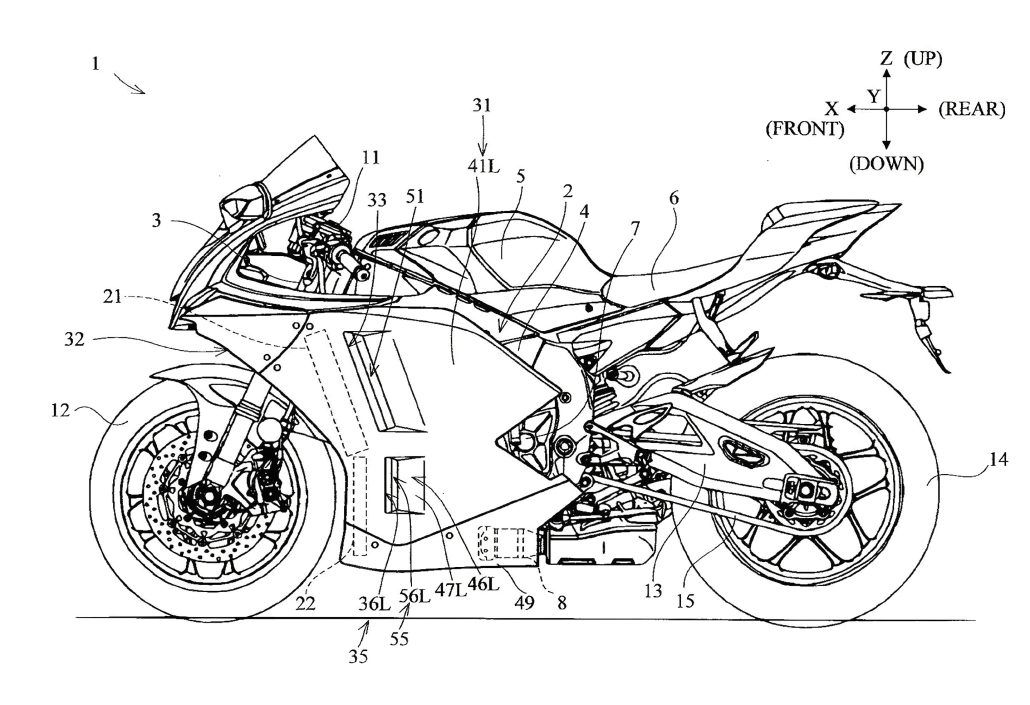
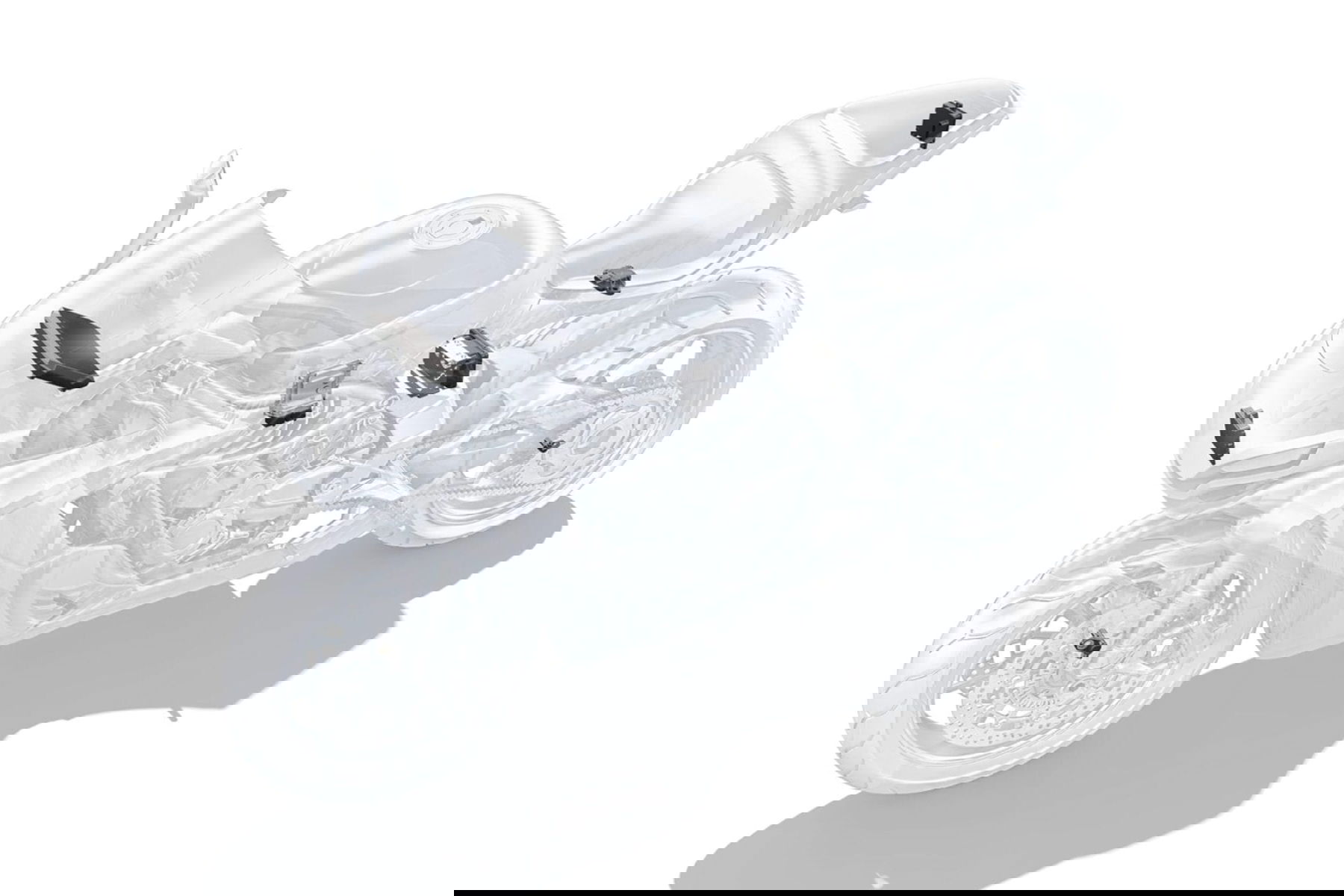
At the end of 2024, Bosch once again attracted attention with the introduction of a new generation of radar-based advanced rider assistance systems. These systems are capable of monitoring traffic ahead of the motorcycle, braking automatically, and warning other road users if the distance becomes too short.
The technology can brake the motorcycle to a standstill behind a vehicle in front, build up additional brake pressure, and even assist with starting off in traffic. The series premiere will take place in the 2026 model year on the KTM 1390 Super Adventure S Evo, which is equipped with a semi-automatic AMT transmission.
The market launch was delayed after a comprehensive restructuring within the KTM Group led to production delays. In addition, the ownership structure changed with the entry of Bajaj Auto from India.
Gradual expansion into other vehicle classes
According to Bosch, this type of assistance technology is likely to be introduced in high-end models first. Manufacturers such as Honda, Yamaha, and BMW already offer their own solutions with semi-automated gearshift systems.
However, Bosch’s long-term goal is to make the technology available for more affordable motorcycles as well. The company also sees potential in the upper scooter segment. Automated start and brake functions could make everyday riding easier, especially in highly urbanized regions such as Taiwan.
Cloud-based communication between motorcycles
Beyond existing radar technology, Bosch is already thinking about the next step in development. In the future, motorcycles could communicate with each other via cloud-based software. Sensors on a vehicle would detect road damage, changes in road conditions, or weather changes.
This information would be stored in a database, and following drivers would receive timely acoustic warnings. A pothole in a curve or a slippery spot could thus be reported before other motorcycles reach the danger zone.
The current ARAS systems are already in constant communication with the engine control unit, inertial sensors, and stability control. The technical basis for further networking is therefore in place, but is currently still considered too cost-intensive for widespread market penetration.
Greater safety for group rides
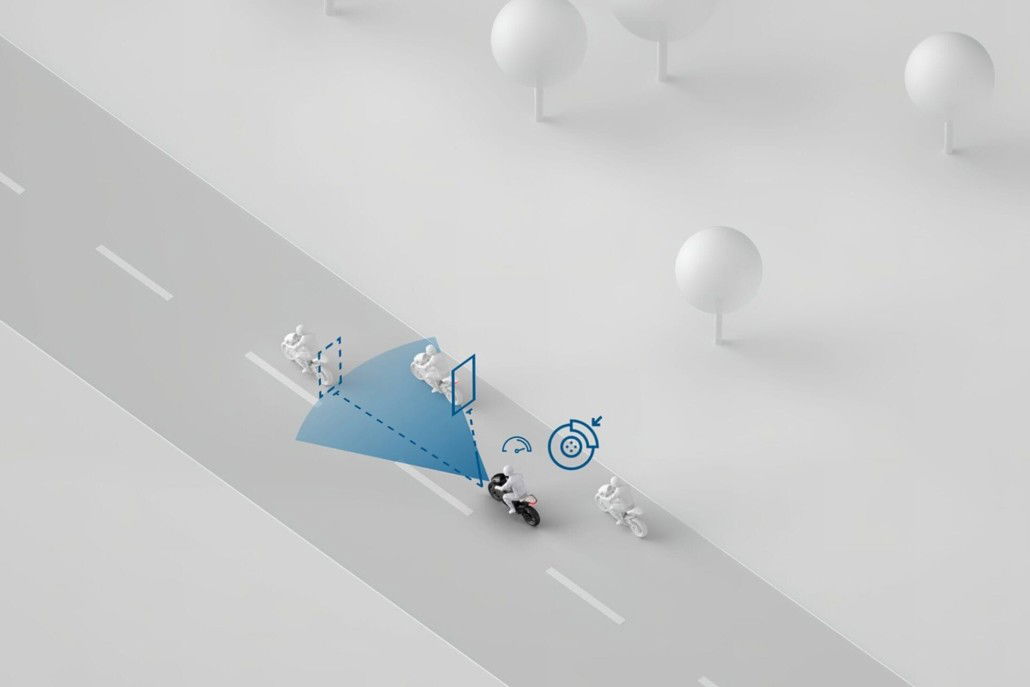
Bosch also sees additional safety reserves when riding in a group. A Group Ride Assist function already exists within the adaptive cruise control system. It measures the distance to the next motorcycle and adjusts the speed to avoid large gaps.
In the future, connected motorcycles could communicate with each other even more directly. Braking maneuvers would be communicated in advance to following vehicles. This would reduce reaction times to almost zero, enabling closer distances and smoother driving.
In the long term, Bosch is aiming for direct vehicle-to-vehicle communication without detours via the cloud. However, this development also depends on the widespread use of corresponding systems in the automotive sector and, according to the company’s assessment, will still take some time.

- Milestone MotoGP 25 (Day One Edition) – Sony PlayStation 5 – Rennspiel – PEGI 3