- Copenhagen considers new zero-emission zones in the city
- The proposal is currently undergoing the official consultation process
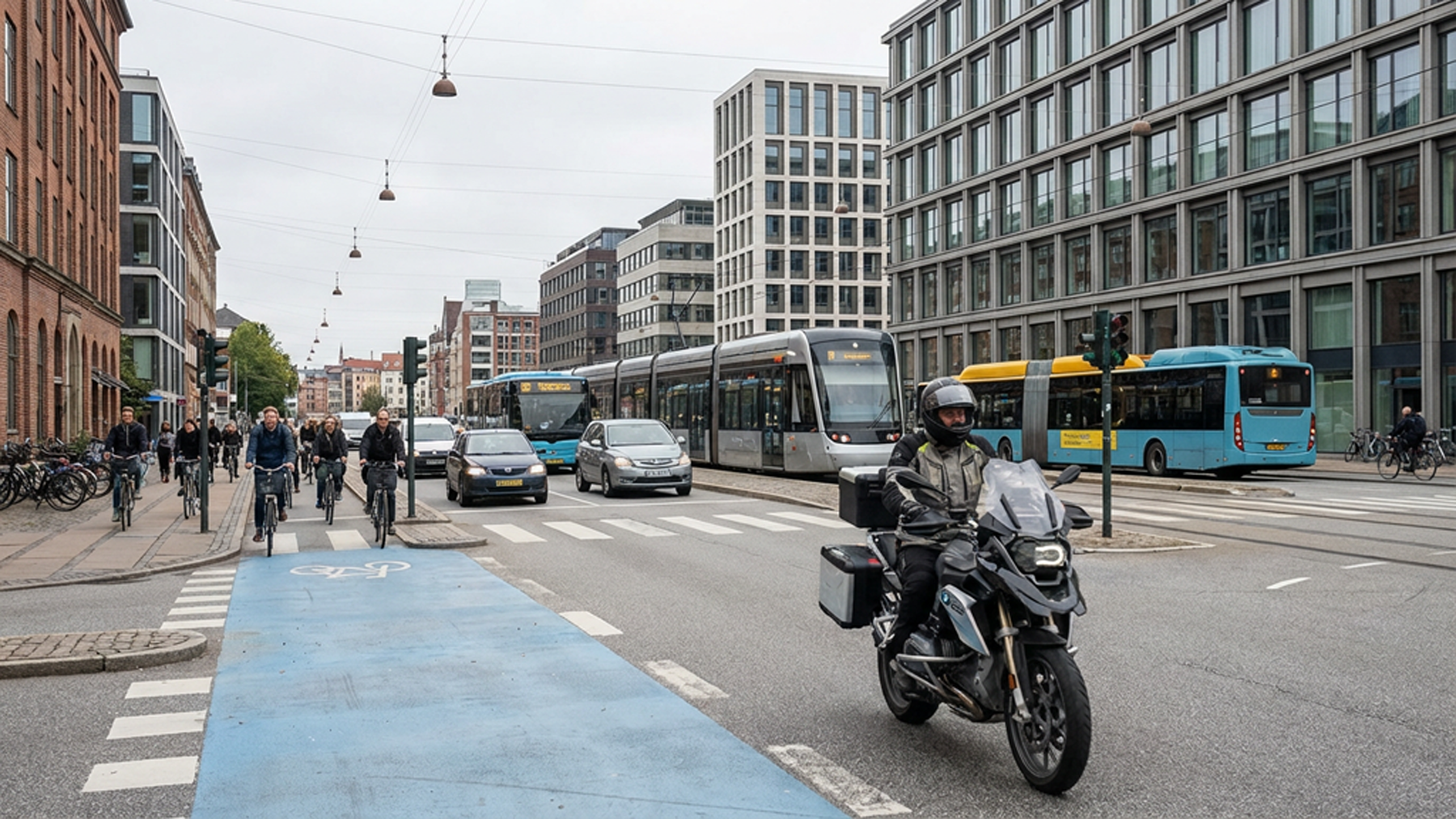
- Motorcycles could be affected by blanket access restrictions
Copenhagen is pushing ahead with the discussion on emission-free urban transport. With a new proposal to introduce zero-emission zones, the city administration has launched a process that will regulate access to the city for certain vehicles in the long term. No final decision has been made yet, but the current consultation is considered a crucial phase for all road users affected.
What the city of Copenhagen is planning specifically
According to the current proposal, the city is considering establishing so-called zero-emission zones. In the future, only vehicles that do not cause local emissions will be allowed within these zones. The aim is to further reduce emissions in the city and gradually restructure inner-city traffic.
Exactly which types of vehicles will be affected and what transitional arrangements might look like is part of the ongoing political and administrative process. This is precisely where the current hearing comes in. Organizations, associations, and interest groups have the opportunity to present their positions before concrete regulations are decided upon.
DMC has been monitoring the process for years
For Danske MotorCyklister, this debate comes as no surprise. The organization has been following the development of environmental zones and zero-emission zones for some time and has made several official statements in the past.
In DMC’s assessment, experience shows that motorcycles are often not considered separately in such processes. Instead, there is a risk that they will be lumped together with other motorized vehicles, even though they take up significantly less space and are used differently.
Access to the city as a central issue
For DMC, the key point of the current hearing is clearly defined. Motorcycles should continue to have access to the city of Copenhagen in the future. From the organization’s point of view, they are not part of the traffic problem, but part of the solution.
Motorcycles require less traffic space, help relieve congestion on the road network, and enable many people to move efficiently through the city. DMC believes that these aspects are not yet sufficiently taken into account in the current proposal.
Impact on daily commuting
There is a particular focus on motorcyclists who use their vehicles daily to commute to work. If access for conventionally powered motorcycles is restricted or excluded, many of these commuters could be forced to switch to cars or resort to public transport, which is already heavily congested. Both would contradict the stated goal of reducing urban traffic.
Significance for motorcycle tourism
In addition to everyday traffic, tourism also plays a role. Copenhagen is a popular destination for motorcycle travelers from all over Europe. According to DMC, closing the city to conventional motorcycles could result in this group of visitors staying away. A short-term switch to an electric motorcycle solely for a city visit is considered unrealistic.
Review of a new official consultation process
As a recognized consultation partner, DMC is currently assessing whether previous objections have been incorporated into the new proposal. If this is not the case, the organization plans to submit another detailed statement.
DMC continues to take the position that motorcycles, as a flexible and space-saving means of transport, should be exempt from the strictest regulations. Several other major European cities already have similar approaches in place, whereby motorcycles are treated separately.
The goal remains an open Copenhagen
Regardless of the outcome of the hearing, DMC makes it clear that it will continue to advocate for open access to the capital. The focus is on the interests of both local commuters and international motorcycle travelers. From the organization’s point of view, Copenhagen should remain a city where motorcycles continue to have their place in the transportation system.
What does this mean for me as a motorcyclist?
For motorcyclists, the current proposal means uncertainty above all else. Until it is clearly defined which vehicles will be permitted or excluded in the planned zero-emission zones, it remains unclear whether motorcycles will continue to be allowed in Copenhagen without restriction in the future. For commuters, the question remains whether their daily commute to work will remain feasible or whether alternative means of transport will be necessary. For travelers and touring riders, the fundamental question is whether it will still be possible to visit the capital on a conventionally powered motorcycle in the future. The decisive factor will be whether motorcycles are treated in the same way as other motorized vehicles or whether their special role as a space-saving and comparatively efficient means of transport is taken into account in the final regulations.

- SW-Motech BC.HTA.00.740.30000SW-Motech PRO BLAZE Satteltaschen – 1680D Ballistic Nylon. Schwarz. Als Paar.