- EU Council rejects annual MOT for vehicles over ten years old
- Motorcyclists/car drivers to stick with two-year inspection interval
- Around 10 million additional MOTs would have been required in Germany
The discussion about annual general inspections for older vehicles had attracted attention across Europe. The EU Commission wanted to increase road safety and pointed to the higher susceptibility to breakdowns and increased involvement in accidents of older cars. However, the EU states have now stopped the proposal and are instead sticking to the existing two-year interval.

Member states oppose planned tightening of regulations
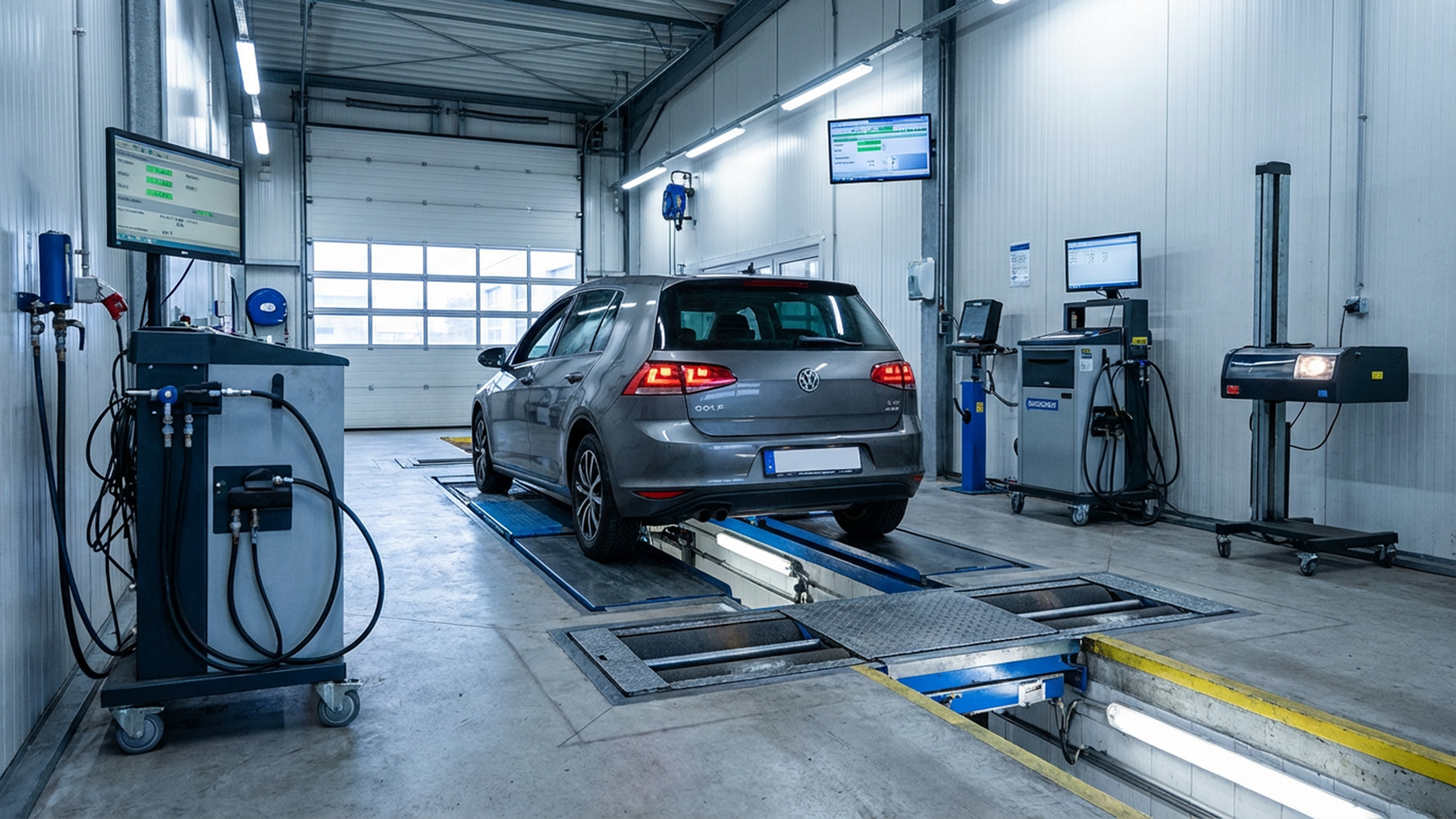
EU member states have spoken out clearly against mandatory annual inspections for vehicles that are ten years old or older. In doing so, they opposed the position of the European Commission, which had proposed more frequent technical inspections as a means of improving road safety in its reform proposal.
The member states received support from the ADAC and from members of the EPP in the European Parliament, among others. The main criticism was the low demonstrable safety gain in relation to the expected additional costs. CDU MEP Jens Gieseke summed up this skepticism with the words: “However, the gain in road safety is questionable.”
EU road safety targets and the Commission’s arguments
EU Transport Commissioner Apostolos Tzitzikostas made it clear in the spring: “The EU is determined to reduce the number of road deaths and serious injuries by 50 percent by 2030.” From the Commission’s point of view, particular attention should be paid to vehicles that, due to their age, are more prone to defects, are more often involved in accidents, and tend to produce higher pollutant levels.
At the same time, EU bodies planned to modernize testing methods for particulate matter and nitrogen oxides, thereby also drawing conclusions from previous emissions scandals.
EU Council decision and consequences for motorists
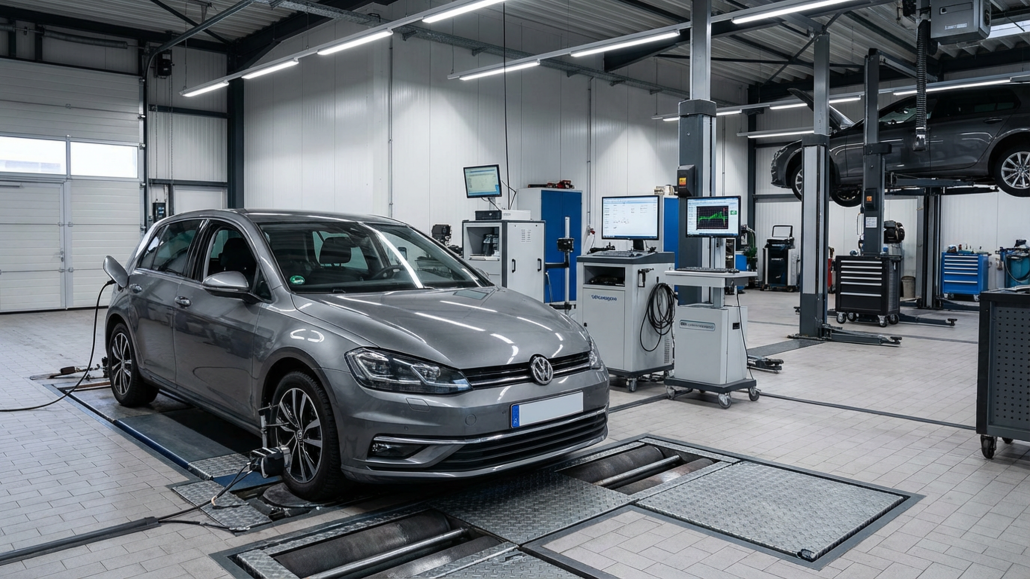
On December 4, 2025, the Council of the European Union finally rejected the annual general inspection for older vehicles. This means that the previous rule remains in place: passenger cars and light commercial vehicles must continue to undergo a general inspection every two years. The German government had clearly spoken out against shortening the intervals in advance.
In Germany, around 22 million general inspections were carried out in 2024. Of these, 10.7 million were for vehicles aged ten years or older. An annual general inspection would have meant around 10 million additional inspections per year. In 2024, defects were found in 51.7 percent of older vehicles, but dangerous defects were found in only 1.2 percent of cars.
Impact on motorcycles
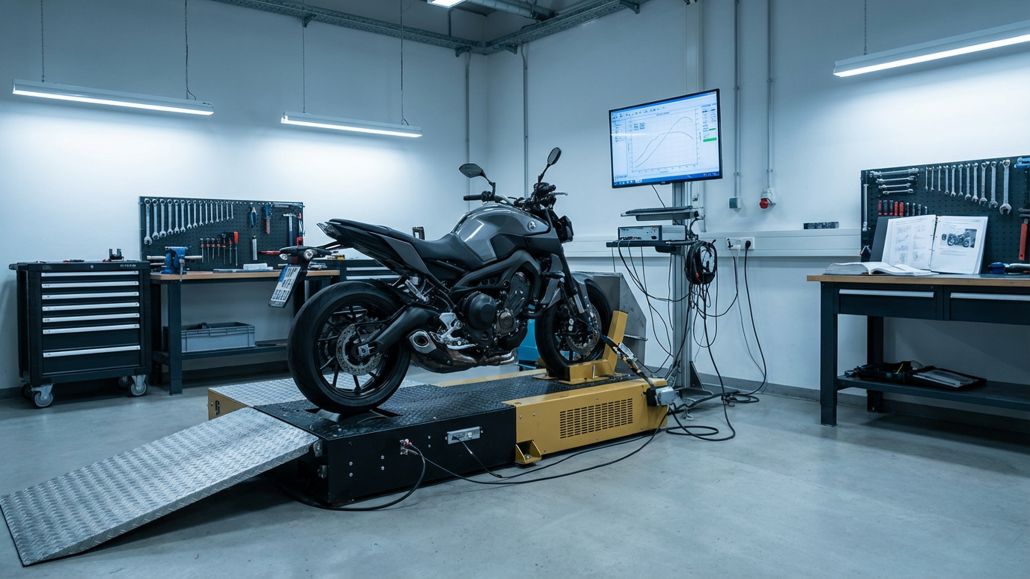
Even if approved, motorcycles would not have been subject to annual inspections. The draft directive referred exclusively to passenger cars and light commercial vehicles. Therefore, there will be no change to the inspection interval: motorcycles in Germany will continue to be subject to biennial inspections.
The ADAC expressly welcomes the decision. There is no reliable evidence that more frequent HU intervals would significantly improve road safety. Motorcycle associations such as FEMA have also been pointing out for years that technical defects play only a minor role in motorcycle accidents.
What happens next politically
Although the Council has decided on its position, the European Parliament has yet to vote on a mandate. Only when this is in place can the final negotiations begin. However, a renewed annual HU requirement is considered unlikely, as the member states have already made the key decision.