- New EU regulation replaces previous end-of-life vehicle directives
- Motorcycles will be included in recycling and recovery rules in the future
- Export of vehicles that are no longer roadworthy to be banned
The European Union is continuing to work on implementing the Green Deal and the circular economy strategy. A new regulation on vehicle circularity and the handling of end-of-life vehicles is intended to redefine the design, use, and disposal of vehicles. In future, more vehicle classes will be covered than before, including motorcycles for the first time.
New EU rules for vehicle circular economy
The Council of the European Union and the European Parliament have agreed on a joint text for a new regulation. This is intended to replace and significantly expand the previous directives on end-of-life vehicles. The aim is to design vehicles in such a way that reuse, recycling, and recovery of materials are facilitated.
The new requirements cover the entire life cycle of a vehicle. They range from development and production to end-of-life recovery. In addition to environmental protection, the EU internal market should also function better, for example through uniform standards for materials and components.
Motorcycles explicitly covered for the first time
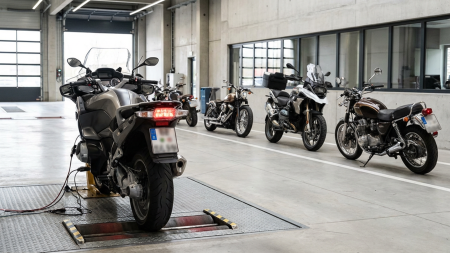
Until now, European end-of-life vehicle regulations have primarily applied to passenger cars and light commercial vehicles. The new regulation significantly expands the scope of application. In addition to heavy commercial vehicles such as trucks and various special-purpose vehicles, motorcycles will now also be covered by the regulations.
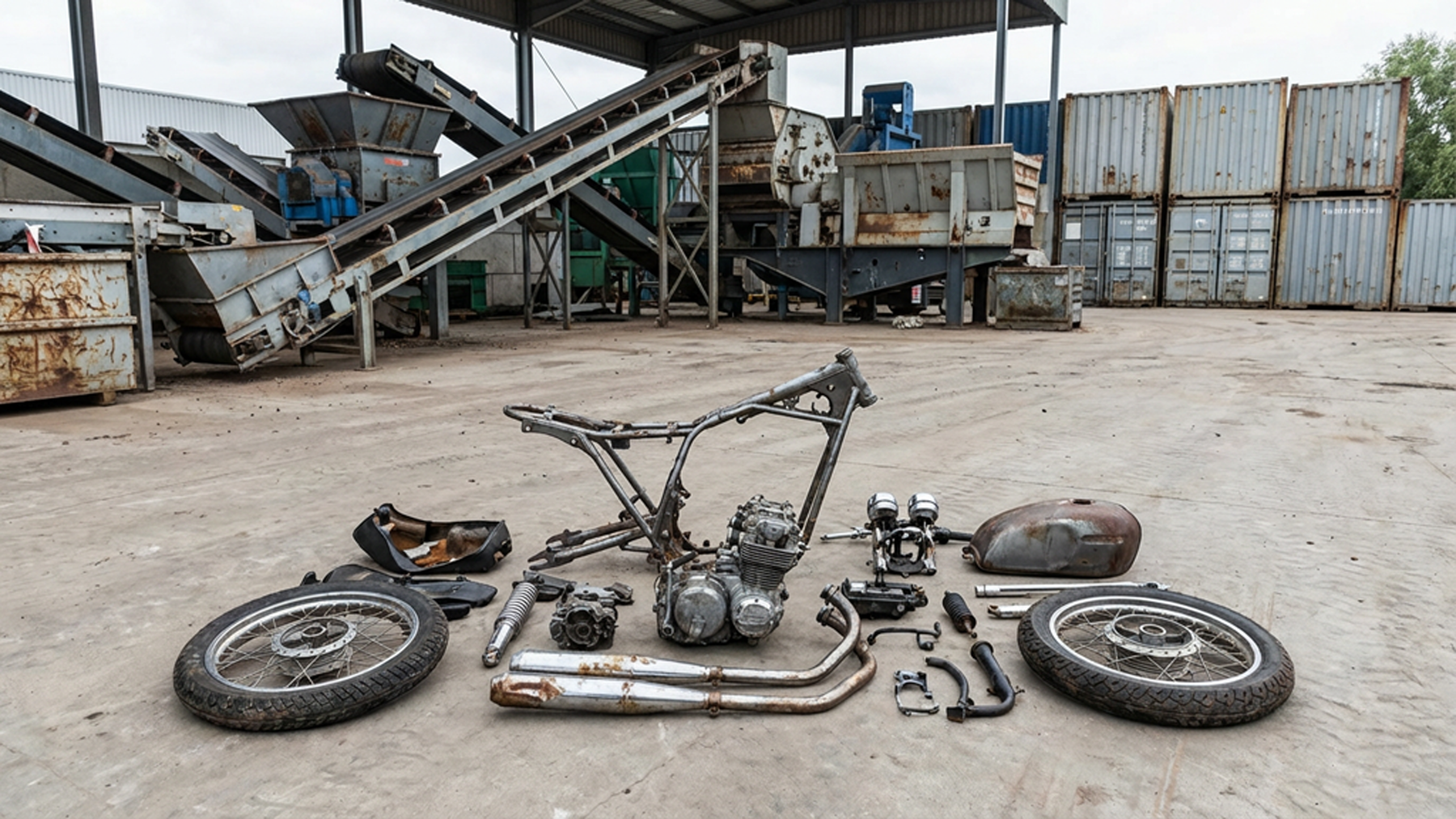
This means that in future, motorcycles will also be subject to requirements for collection, disposal, detoxification, and the mandatory removal of certain components. However, small manufacturers of heavy special-purpose vehicles are to be exempted from the regulations.
Requirements for recycling and use of materials
A key point of the agreement is binding quotas for the use of recycled materials in new vehicles. The focus is particularly on plastics. A minimum proportion of these recycled plastics should come from closed cycles, i.e., from materials recovered from end-of-life vehicles.
These requirements are intended to ensure that valuable raw materials remain within the EU and that less primary material is needed. At the same time, manufacturers are to be encouraged to design components in such a way that they can be more easily dismantled and reused or recycled.
Fight against missing vehicles
Another key issue addressed by the new regulation is so-called missing vehicles. Every year, around 3.5 million vehicles disappear from the EU’s official registers, for example through illegal exports, unauthorized dismantling, or improper disposal.
In future, clearly defined criteria will determine when a vehicle is considered waste and thus classified as an end-of-life vehicle. Vehicles that reach this status may not be resold or exported and must be handed over to certified recycling companies. Stricter documentation requirements will also apply to transfers of ownership, especially in the case of online sales or economic total losses.
In addition, an export ban on vehicles that are no longer roadworthy is planned. This is to apply five years after the regulation comes into force and is intended to prevent environmental pollution from being shifted to third countries.
Criticism from the motorcycle world
The planned inclusion of motorcycles has not been met with universal approval. The motorcycle association FEMA believes that the special characteristics of the motorcycle sector have not been sufficiently taken into account.
According to the association, motorcycles consume significantly less material and resources than cars or trucks. Their share of the waste stream from end-of-life vehicles is also low, so the ecological benefits of additional regulation would be limited.
FEMA also points to existing informal reuse and recycling structures. In many countries, used motorcycle parts are reused, reconditioned, or resold. These systems are often very efficient in practice and could be hampered by additional bureaucracy. The association is therefore calling for a more differentiated and data-driven approach for motorcycles.
Timetable and next steps
Before the new regulation can enter into force, it must be formally confirmed by the Council and the European Parliament. It is then expected to apply two years later. Some provisions, such as the export ban on non-roadworthy vehicles, will only take effect after further transition periods.
Whether and in what form motorcycles will actually be permanently covered by the new regulations is likely to be the subject of intense debate in the coming months. What is clear, however, is that the regulatory framework for the entire automotive industry in the EU will change significantly.
- Milestone Ride 6 Day 1 Edition (Xbox Series X)



Redakteur bei Motorrad Nachrichten. Fokus auf Technik, Szene und Motorradpolitik – neutral, sachlich, verständlich.
Verantwortlich für die Seiten www.Motorcycles.News, www.Motorrad.Training und den YouTube-Kanal "Motorrad Nachrichten", sowie deren social Media-Seiten.