- Closure of the Polaris plant in Osceola, Wisconsin, by the end of the year
- Around 200 jobs affected
- Engine production to be relocated to Spirit Lake, Iowa
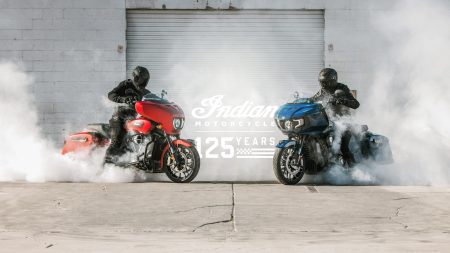
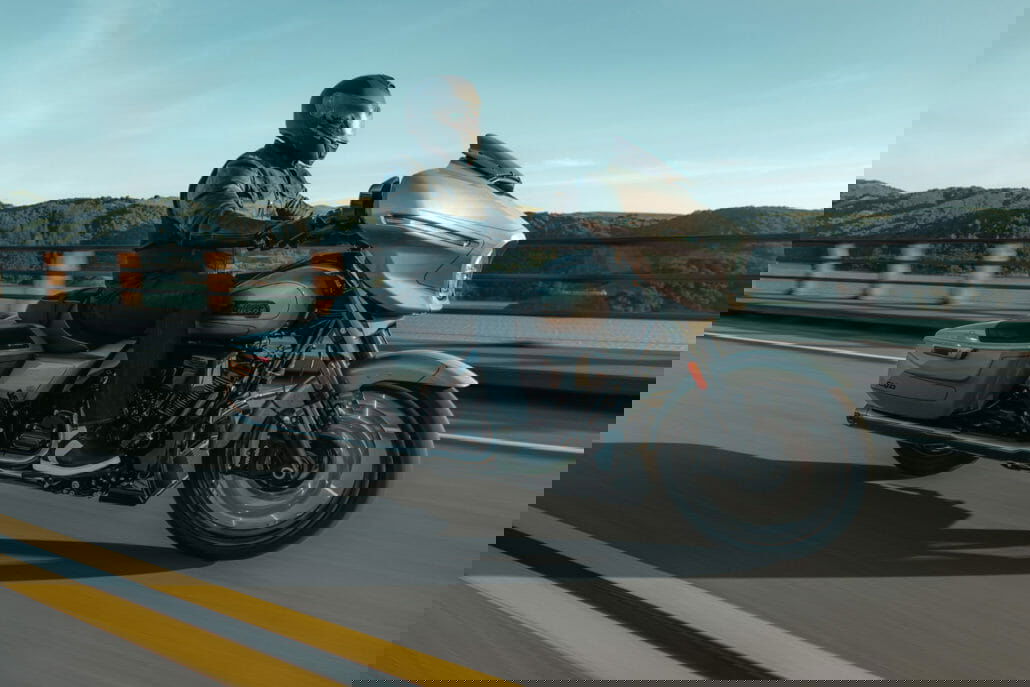
For years, the revival of Indian Motorcycle was considered one of the most successful comebacks in the motorcycle industry. This made the announcement in the fall that Polaris was selling a majority stake in the brand all the more noteworthy. Now it is becoming clear that this decision will have consequences.
Sale of Indian Motorcycle as a turning point
In October, Polaris announced that it would sell a majority stake in Indian Motorcycle to Los Angeles-based investment company Carolwood LP. Polaris will retain a minority stake, but operational control of Indian will be transferred to the newly established, independent company. The transaction is expected to be completed in the first quarter.
Polaris officially justified the move by saying it wanted to focus more strongly on its core business in the off-road and powersports sector. Indian Motorcycle most recently accounted for around 14 percent of Polaris’ total sales. Strategically, the decision seems understandable, but operationally it is now having a clear impact.
Plant closure in Osceola affects 200 employees
Polaris will close its production plant in Osceola, Wisconsin, by the end of the year. Around 200 employees will lose their jobs as a result. The plant has previously manufactured motorcycle engines and drive units, as well as components for off-road vehicles and snowmobiles.
According to the company, production will be phased out gradually. The process will begin in several stages this summer. Polaris announced that it will offer support to the affected employees, such as outplacement programs and possible transfers to other locations.
Consolidation of engine production
As part of the Indian sale, motorcycle engine production will be consolidated at the Spirit Lake, Iowa, plant in the future. This location is part of the deal with Carolwood LP. Production capacities for powertrains and components from Osceola are to be distributed to other Polaris plants.
From the group’s point of view, this is a logical consequence. With the spin-off of Indian Motorcycle, part of the previous need for internal production capacities will no longer apply. Overlaps in production are no longer considered economically viable.
Investments lose significance in retrospect
It is noteworthy that Polaris had invested around €1.75 million or approximately $1.9 million in the expansion of the Osceola plant in 2014. At that time, around 60 additional jobs were created. The current closure shows how quickly long-term location decisions can be relativized in the course of strategic realignments.
Significance for the brand and workforce
For Indian Motorcycle, the plant closure marks the first clearly visible structural consequence of the entry of a financial investor. Increased efficiency, centralization, and the elimination of duplicate structures are typical measures in such constellations. For the affected employees and the Osceola region, this primarily means the loss of industrial jobs.
The move is not without tension for Polaris either. The group had contributed significantly to the stabilization and rebuilding of the Indian brand. The sale and the resulting cuts are met with incomprehension by parts of the motorcycle community, even if the decision is understandable from a business perspective.
A cut with a signal effect
The closure of the plant in Wisconsin illustrates that even for traditional brands, a change of ownership can have immediate consequences. History and brand value play a subordinate role in such processes as soon as economic structures are reevaluated. For Indian Motorcycle, this marks the beginning of a new phase, the long-term effects of which will only become apparent in the coming years.
What does this mean for me as a motorcyclist?
In the short term, little will change for motorcyclists. Indian Motorcycle models, spare parts, and services will remain available, as production and the dealer network will remain in place and engine manufacturing will simply be relocated to another site. In the medium to long term, however, the focus could shift. As an independent, private equity-controlled company, Indian will likely have to pay closer attention to profitability. This may mean that model diversity, niche projects, or costly development programs will be scrutinized more critically. For everyday riding, this does not automatically mean worse motorcycles, but possibly fewer experiments, clearer model strategies, and a stronger focus on profitable segments rather than emotional or particularly unusual concepts.


- S100 2018S100 2018, Felgenreiniger – 500 ml male


Redakteur bei Motorrad Nachrichten. Fokus auf Technik, Szene und Motorradpolitik – neutral, sachlich, verständlich.
Verantwortlich für die Seiten www.Motorcycles.News, www.Motorrad.Training und den YouTube-Kanal "Motorrad Nachrichten", sowie deren social Media-Seiten.