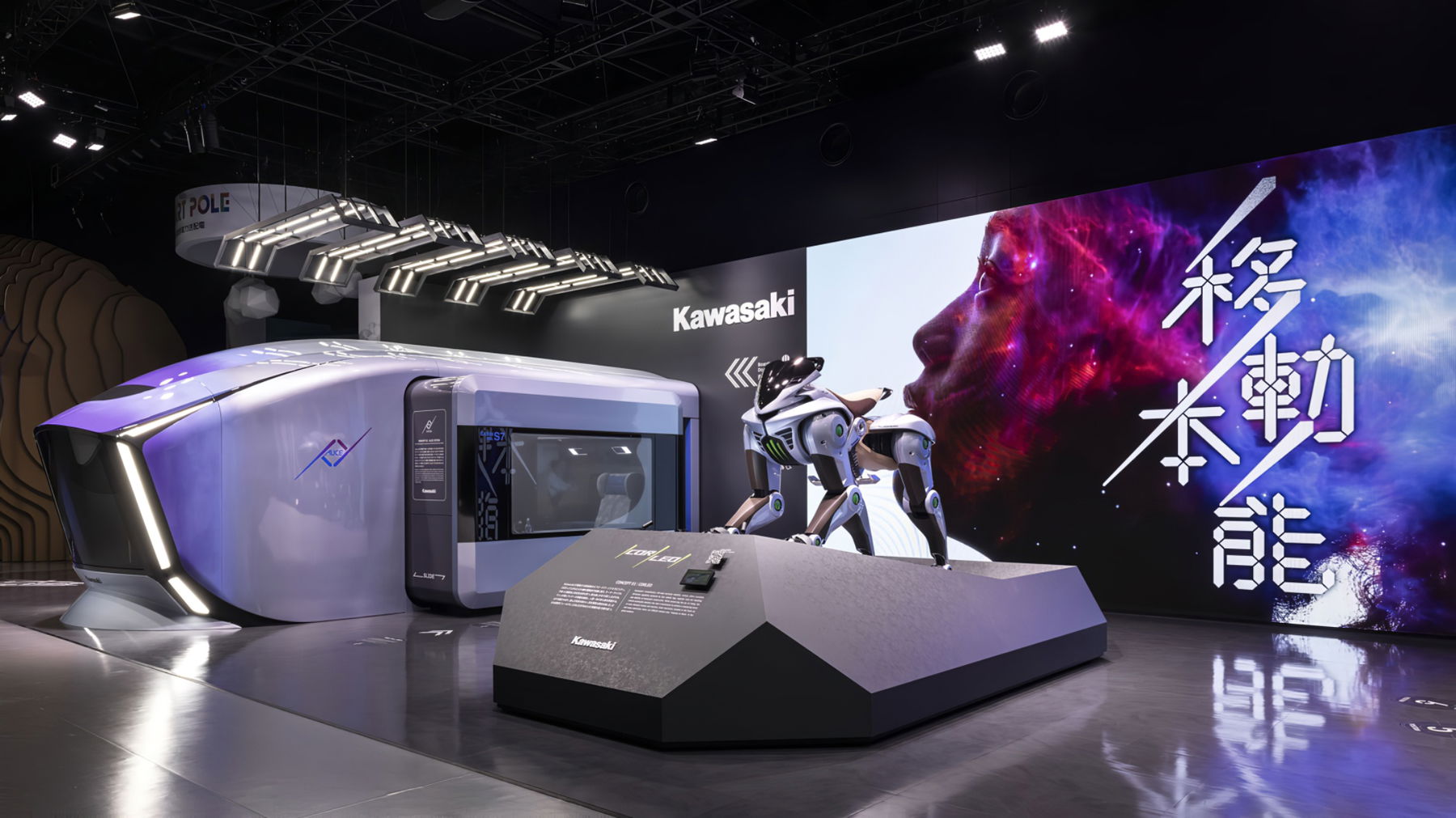
- Planned initial deployment at Expo 2030 in Riyadh
- Targeted start of series production in 2035
- Four-legged mobility with hydrogen-powered generator
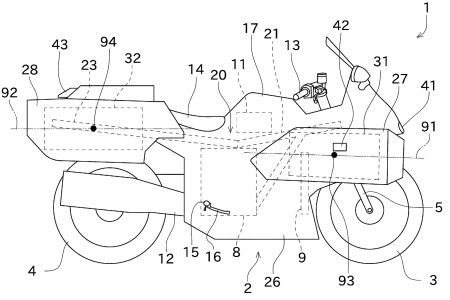
Kawasaki is pushing ahead with the development of a new type of off-road mobility platform that uses four robotic legs and is designed to replicate the riding experience of classic motorcycles. The approach combines an electric leg drive structure with a hydrogen-powered generator and is significantly more autonomous than conventional off-road vehicles.

A new concept for outdoor mobility
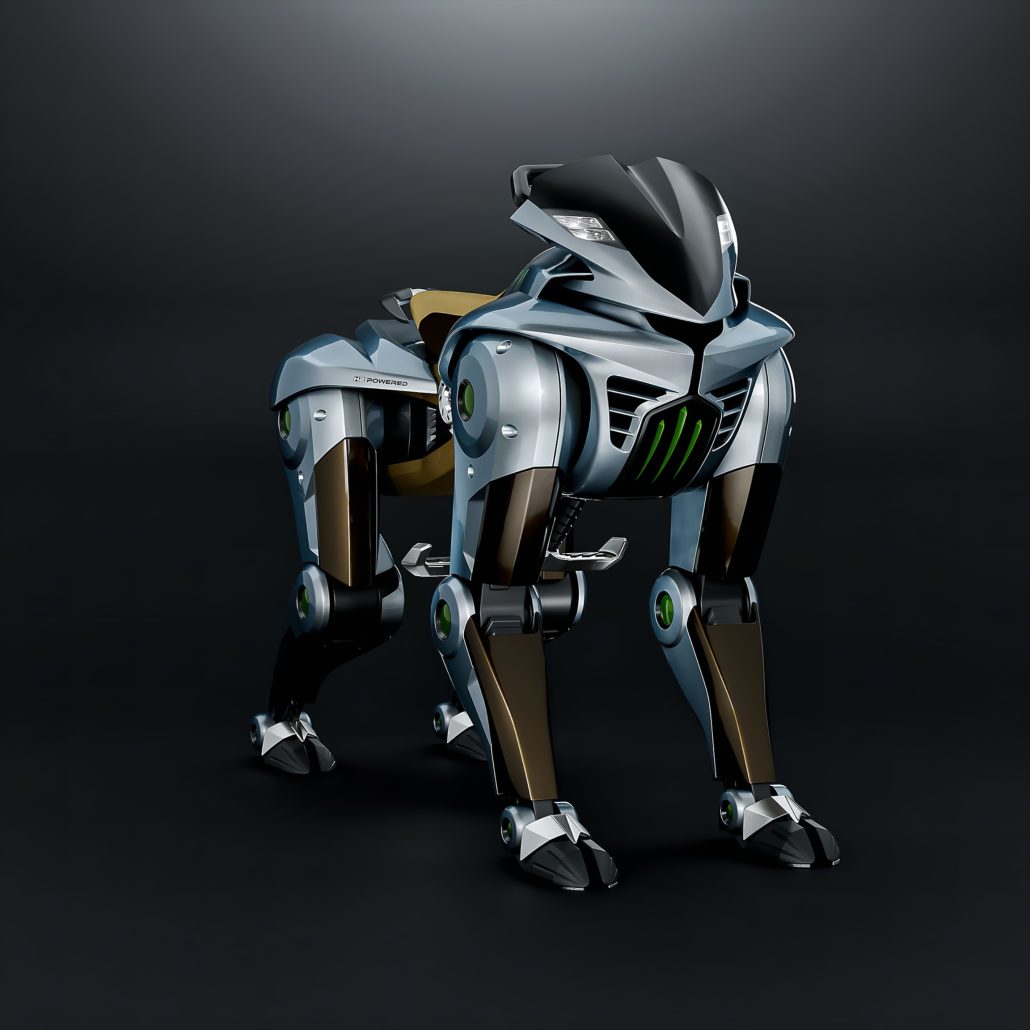
The system aims to combine stability and agility, as is familiar from motorcycle construction. Kawasaki describes Corleo as an off-road personal mobility vehicle that is designed to retain the thrill of riding while enabling controlled, intuitive handling. The machine continuously analyzes the rider’s body movements to create harmonious interaction. The design aims to make traveling over challenging terrain more enjoyable and create a secure feeling of unity between human and machine.
Focus on all-terrain capabilities
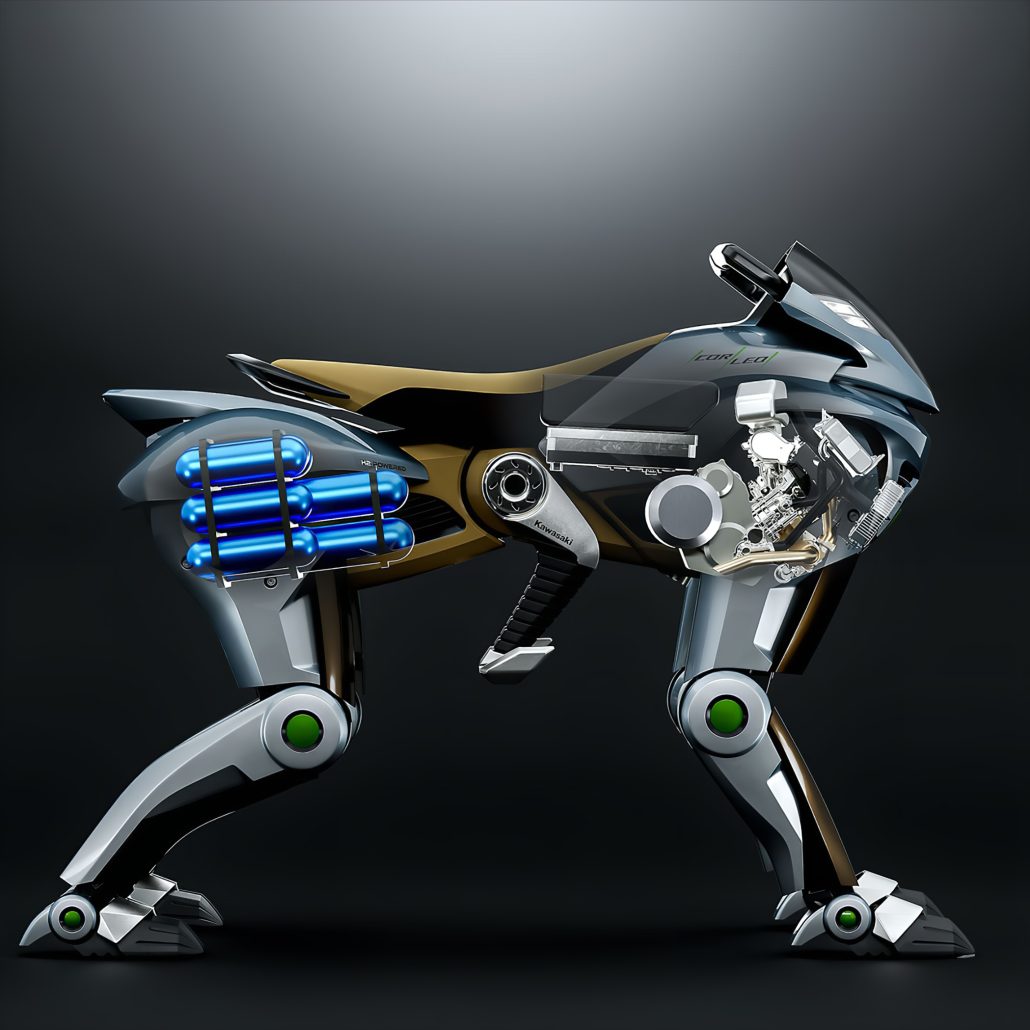
The central feature of Corleo is its four-legged drive system. Each leg has a separate drive powered by a generator fueled by a 150cc hydrogen engine. The hydrogen is supplied from a replaceable cartridge at the rear. The rear legs can swing up and down independently of the front unit, allowing shocks to be better absorbed when walking or running. When climbing steps, the design is intended to allow a posture that does not force the user to look up, thus facilitating visibility of the next section of the route.
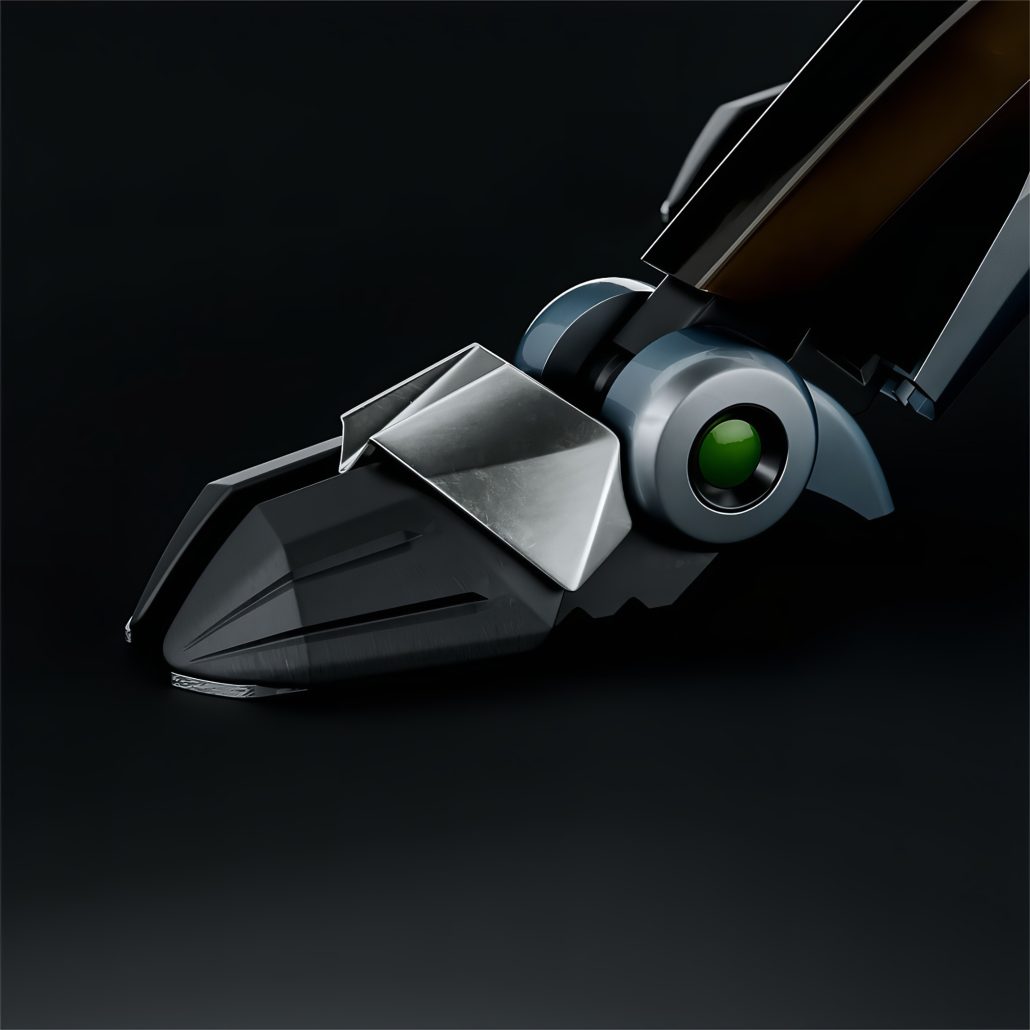
The hooves are also specially designed. They consist of a two-part rubber structure that absorbs uneven ground and reduces the risk of slipping. This should enable Corleo to cope with different environments, such as grassy areas, scree fields, or rocky paths.
Development goals and schedule
Kawasaki has formulated a clear roadmap. Corleo is set to be available as a mobility solution at the Expo in Riyadh in 2030. It is not known how many units are planned for this. However, the manufacturer suggests that it could be used in a similar way to off-road transport aids or mobility aids at large event venues.
By 2035, the platform should be mature enough to enable series production. How and to whom Corleo could be marketed remains open. Kawasaki mentions possible use cases in rescue operations or in hard-to-reach mountainous regions, but does not rule out other applications.
Another component in the development process is a driving and riding simulator, which is to be created by the end of 2027. According to the company, the data collected here could also be relevant for applications in gaming and e-sports.
Navigation and system integration
The manufacturer is also working on a navigation architecture specifically for use in mountainous terrain. This includes information layers such as weather, animal movements, current trail conditions, and safe route guidance in real time. The goal is to transfer the knowledge gained over decades of motorcycle manufacturing in terms of stability, balance, and handling to a four-legged robot system.
The vehicle will also feature an instrument display that provides information such as the hydrogen level, the center of gravity, and the route to the summit. During nighttime journeys, the system projects markings onto the ground to facilitate orientation.

Outlook
It remains to be seen whether these ambitious plans will come to fruition. Developing a fully off-road capable, four-legged vehicle is complex, and many technical parameters must first be validated in practical use. However, the roadmap to 2035 clearly illustrates the strategic ambition to bring this innovative form of mobility to a marketable level.


- S100 2367S100 2367, Kettenmax Kettenreiniger – 500 ml male


Redakteur bei Motorrad Nachrichten. Fokus auf Technik, Szene und Motorradpolitik – neutral, sachlich, verständlich.
Verantwortlich für die Seiten www.Motorcycles.News, www.Motorrad.Training und den YouTube-Kanal "Motorrad Nachrichten", sowie deren social Media-Seiten.