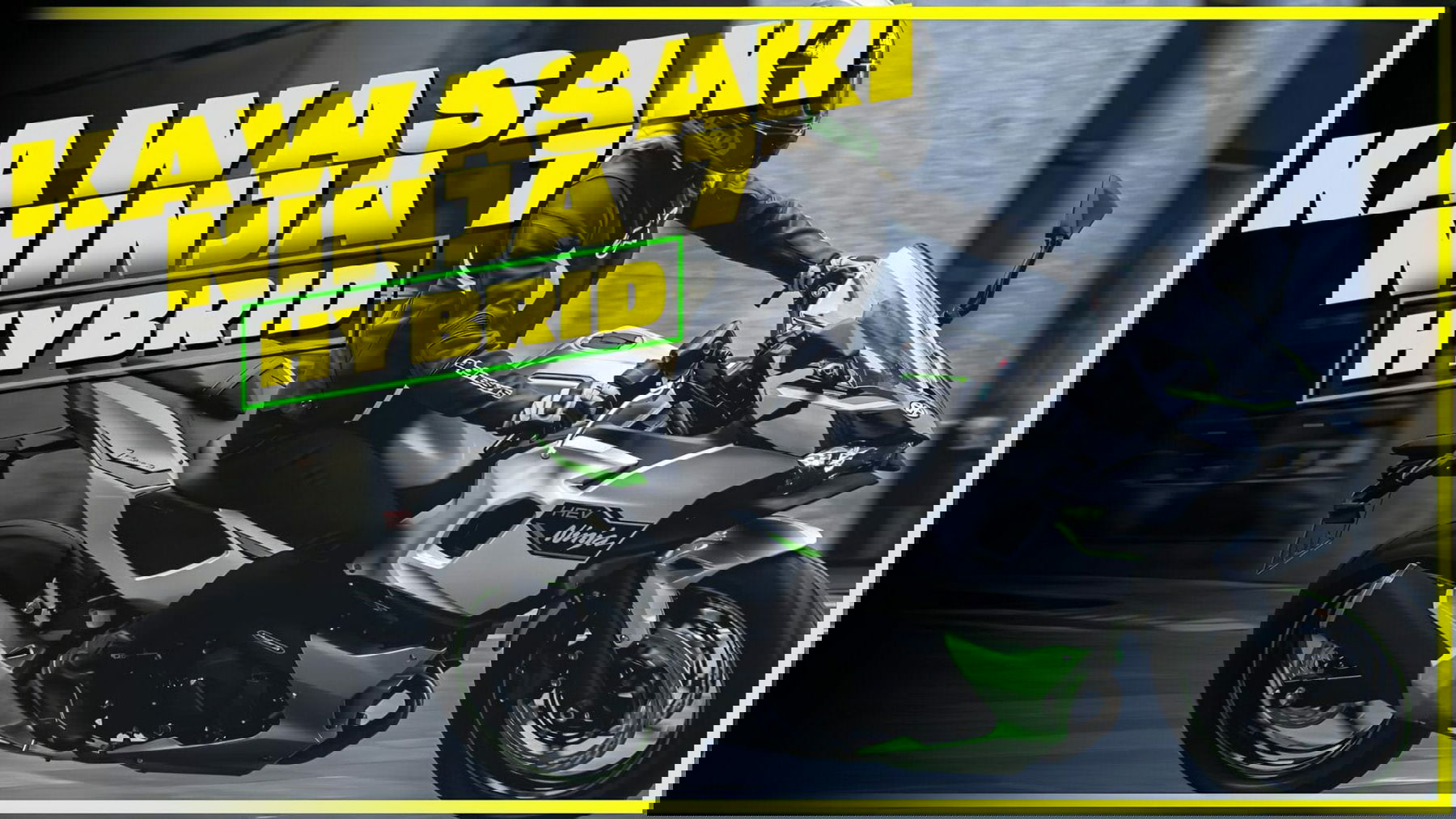
The powertrain: electric meets combustion
At the heart of the Ninja 7 Hybrid is a combination of a new 451cc water-cooled parallel twin four-stroke engine and an additional traction motor, accompanied by a battery. The achievable engine power is 43.5 kW, equivalent to 59 hp or 58 hp, with a special “e-Boost” function increasing the total power to 51.1 kW (69 hp or 68 hp).
Dimensions, performance, and riding modes at a glance
In terms of dimensions, the Ninja 7 Hybrid is in the mid-range class, but offers performance and acceleration that can compete with larger classes, according to Kawasaki. The focus here is also on fuel-efficient operation. The model also offers three different riding modes: SPORT-HYBRID, ECO-HYBRID, and a purely electric EV mode, which can be adapted to different riding scenarios.
Energy efficiency and maneuverability features
Additional features such as the idle stop function, which shuts down the engine when stationary to save fuel and minimize emissions, and Automatic Launch Position Finder (ALPF) technology, which automatically shifts the transmission into first gear when the motorcycle is stationary, have been integrated. In addition, a “walk mode” assists with forward and reverse movements at low speeds to make maneuvering easier.
Structure and design – a blend of the familiar and the new
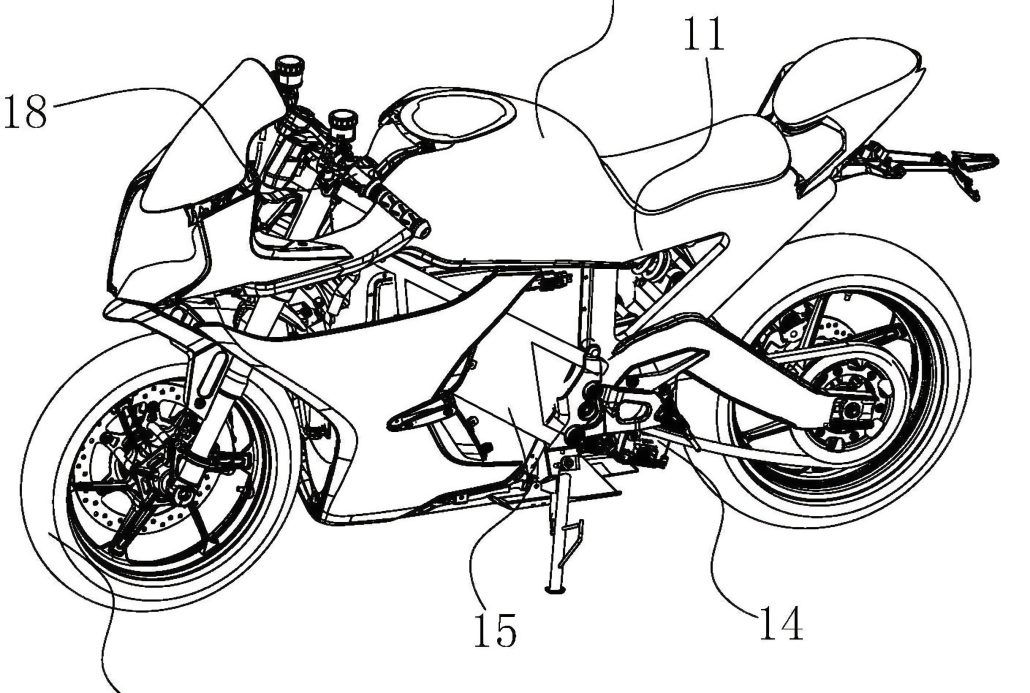
The design is based on a special version of the Kawasaki trellis chassis, which allows the gasoline engine and the 9 kW (12 hp) traction motor to be “packaged” together. This central positioning of the 48V lithium-ion battery aims to achieve optimal weight distribution.
User-friendliness and connectivity in the cockpit
From an ergonomic point of view, a relaxed yet sporty riding position is combined with a clearly laid-out cockpit and intuitively arranged switches. In addition, a color TFT instrument display is embedded, which offers smartphone connectivity via a special version of the “RIDEOLOGY APP.”
Market launch and availability: What we know so far
Although the model has already been announced specifically for Europe and the UK market, the question remains as to whether and when this hybrid motorcycle will also be available in other parts of the world. A specific release date and pricing information are not yet available, but there are rumors that the first models could possibly find their way to dealers as early as April 2024.
Conclusion:
The Kawasaki Ninja 7 Hybrid signals a remarkable step forward in the fusion of combustion and electric motor technologies in the motorcycle sector. However, it remains to be seen how this model will be received on the market in the coming years and how it will fare against conventional gasoline engines or fully electric alternatives.