- The 390 single-cylinder has been the backbone of KTM’s lightweight models for over a decade
- A parallel twin in the sub-500cc class is set to power its successor
- Initial concepts could be unveiled at EICMA 2027 at the earliest
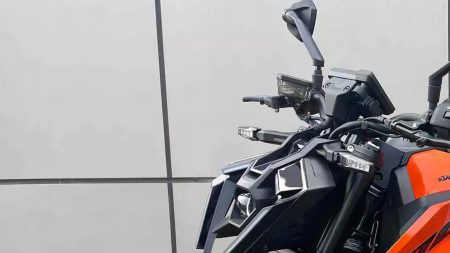
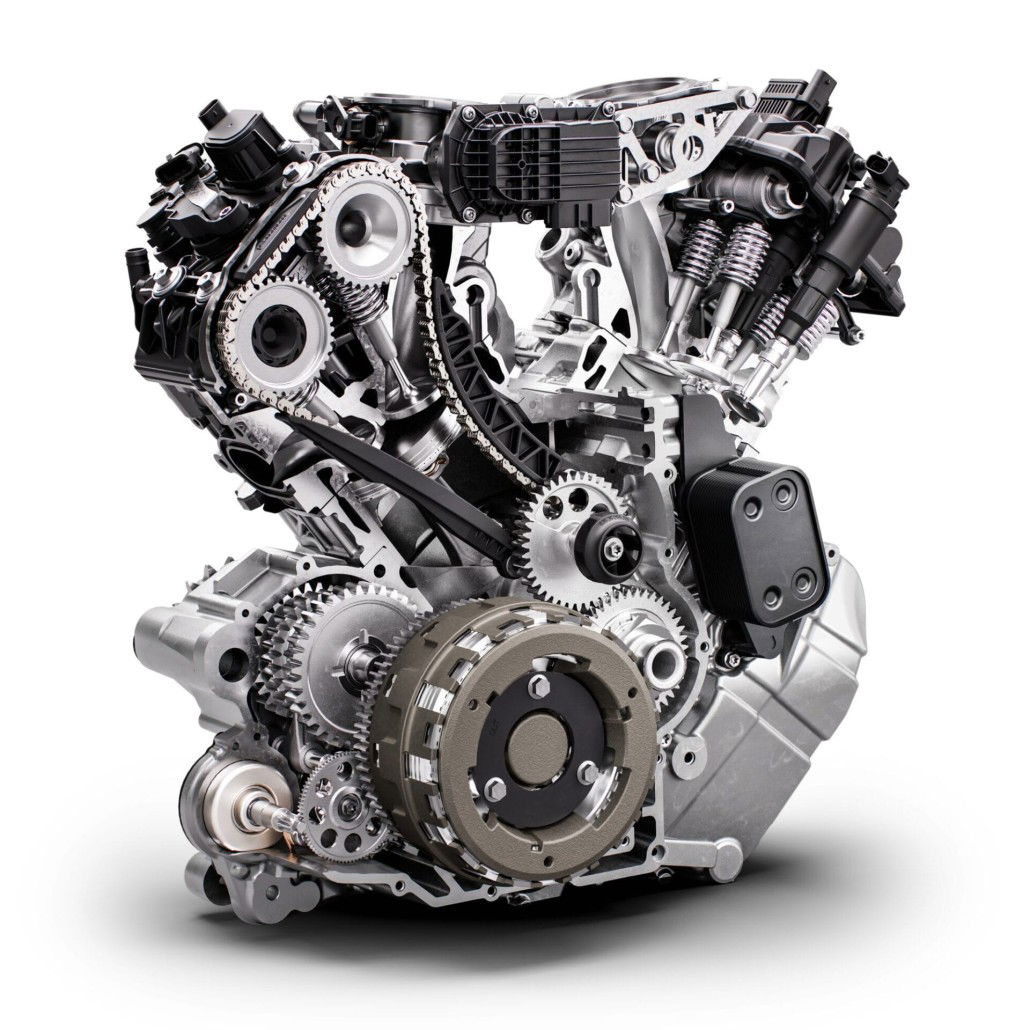
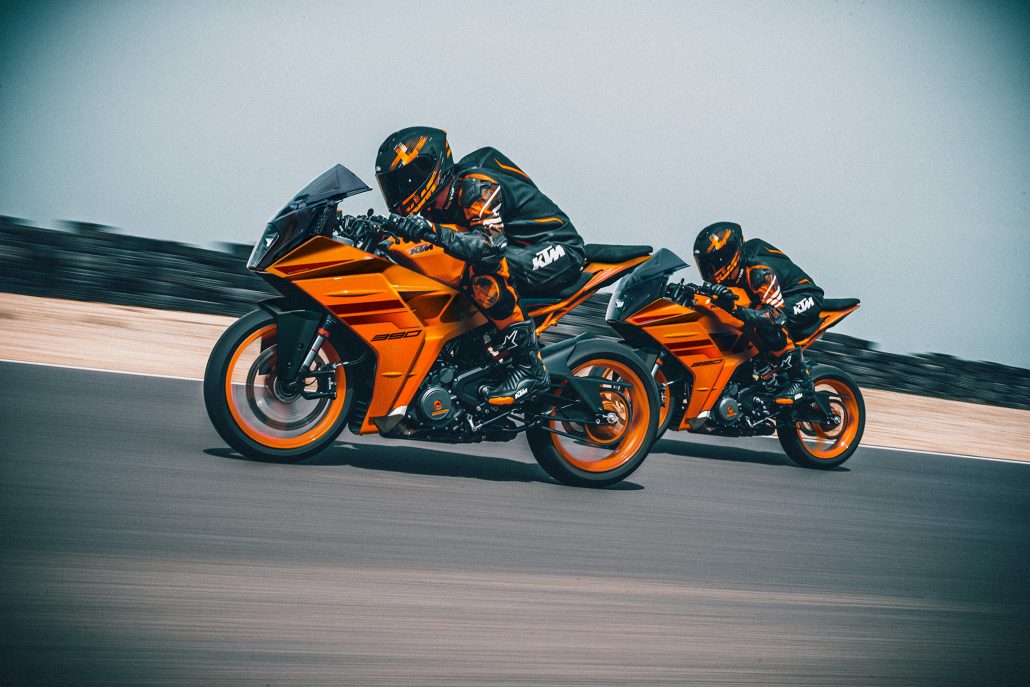
Hardly any other engine has had such a lasting impact on KTM’s lightweight model range as the 390 single-cylinder. Since its introduction in 2013 with an original displacement of 373 cc, it has formed the basis for a whole range of models, including the Duke, the RC390, the 390 Adventure, the Enduro R, and the 390 SMC R. For the 2024 model year, the engine grew to 399 cc in the revised LC4c version and has been powering the current generation of the 390 Duke and Adventure ever since. But now there are increasing signs that this chapter could soon come to an end.
Why KTM wants to replace its tried-and-tested single-cylinder engine
According to reports from India, KTM is preparing to bid farewell to its 390 single-cylinder engine. The reason behind this is said to be the limited possibilities for further developing the engine under increasingly strict regulations. The single-cylinder engine, which has formed the basis of the A2-compatible model range for over a decade, seems to have reached its development limits. Accordingly, the Austrian manufacturer is apparently once again relying on its long-standing partnership with its new owner, the Indian company Bajaj, to develop the successor engine.
Parallel twin as successor in the sub-500cc class
The expected successor is said to be a parallel twin in the class below 500cc. Specific technical data has not yet been confirmed. However, the power output is likely to be based on the upper limit for the A2 driver’s license class. The current LC4c single-cylinder engine delivers around 45 hp, which is just below the A2 limit of 47 hp. It would make sense for the new engine to be in this power range as well, in order to continue to serve the important target group of A2 riders.
Keeping up with the competition
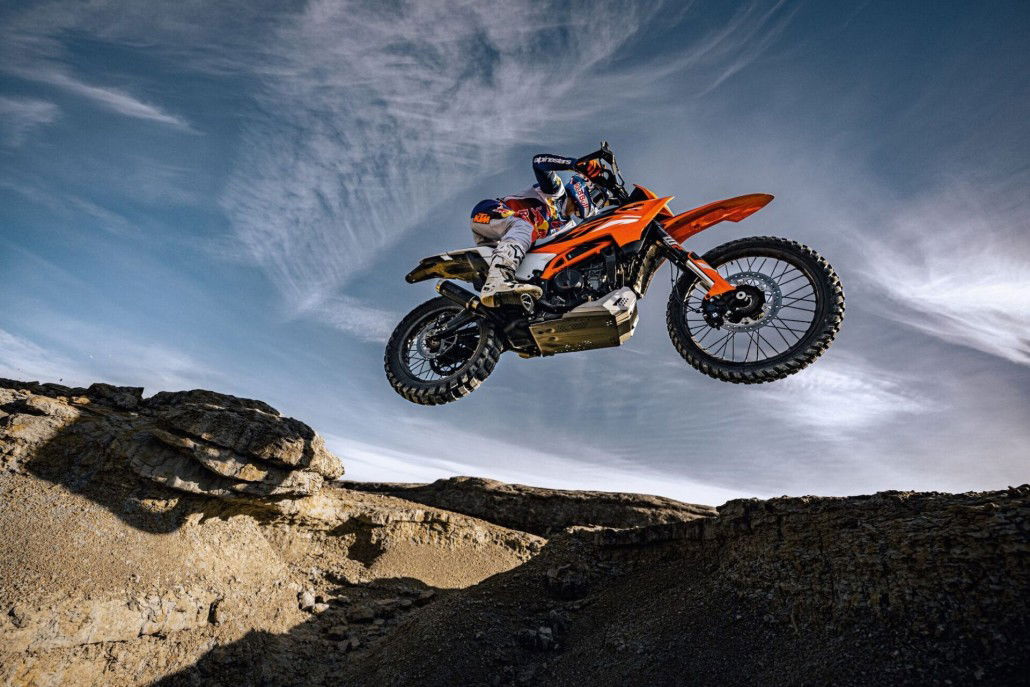
By switching to a two-cylinder engine, KTM would be following a clear trend in the A2 segment. Twin engines are now widely used in this class. Honda, for example, has adopted this concept for the CB500 Hornet, the CBR500R, and the NX500. BMW has also positioned a model in this displacement class with the F 450 GS. Kawasaki was also represented in this segment in the past with the KLE500.
Timeframe: EICMA 2027 at the earliest
However, a quick launch is not to be expected. Early concept models could be shown for the first time at EICMA 2027. According to reports, production-ready models are not expected until 2028. So it will probably be some time before the 490 twin actually hits the showrooms.
However, considering that this step was already planned a few years ago but was then postponed, KTM could surprise us. It depends on how far development had progressed at that time.
What this means for me as a motorcyclist
Anyone currently thinking about buying a KTM 390 Duke or Adventure need not worry: The current model will remain in the range for a few more years before a successor is ready for series production. It will be particularly interesting for beginners and A2 riders who are planning to buy a bike around 2028 or later. Compared to a single-cylinder engine, a parallel twin usually offers a wider usable speed range, more consistent power delivery, and often noticeably less vibration. On the other hand, a two-cylinder model could be slightly heavier and more expensive than the previous single-cylinder model. For those who already own a 390, nothing will change for the time being. Spare parts and service support are likely to be guaranteed for years to come, even after a model change.


- Sonax 02819410SONAX PremiumClass LederPflegeSet inkl. 2x LederReiniger, 1x LederPflegeCreme, 1x MicrofaserTuch, 1x MicrofaserPflegePad, 1x IntensivreinigungsBürste | Art-Nr. 02819410