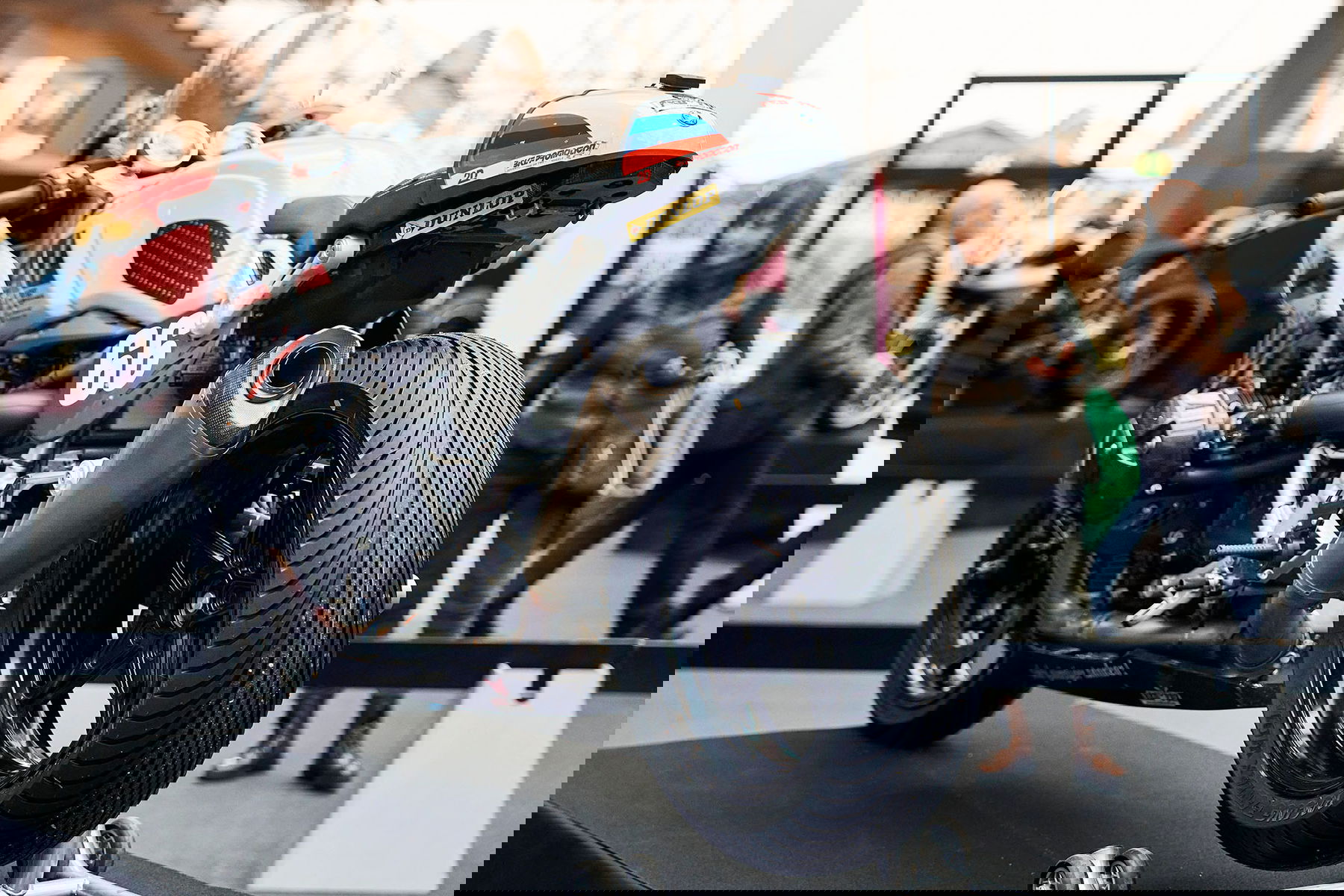
Premiere for indoor motocross with world champion Marc-Reiner Schmidt
For the first time in 2026, there will be a hall dedicated exclusively to indoor motocross. In Hall A4, experienced professionals from the off-road scene will be responsible for the track layout. Riders will take tight corners and ramps at high speed, requiring precision. A special highlight will be the start of five-time Supermoto world champion Marc-Reiner Schmidt, who himself comes from Friedrichshafen.
Diverse action in the halls and on the outdoor grounds
A total of five halls and the outdoor grounds will be dedicated to stunt shows and show races. In Hall A3, Chris Rid and his son Lenny will perform stunts on two wheels, while the Wrecking Crew will provide spectacular jumps with their FMX shows. Quad shows and burnout demonstrations are also part of the program.
Technical skill will be on display in Hall B4 at the trial show. The riders will demonstrate challenging maneuvers and the highest level of concentration. In Hall A5, supermoto show races for different age groups and performance classes are on the program. Registration is via the organizer’s website. In the outdoor area, the burnout show attracts visitors with striking impressions for the senses.
Information and offers for beginners
The special show “My Beginner’s Motorcycle” is aimed at anyone who wants to start a new life in motorcycling. Here, interested parties can find information on beginner bikes, equipment, driving schools, training courses, insurance, and financing options.
Participatory course, simulator, and stage program
For visitors of all ages, there are courses where classic motorcycles, pit bikes, and electric bikes can be tried out. Registration takes place directly on site. A highlight for racing fans is the Isle of Man TT simulator, which offers an authentic driving experience of the famous Tourist Trophy.
The supporting program is complemented by expert talks, interviews, and live music. Discussions with experts and specialist talks will take place on the Rock Antenne stage in the West Foyer. In the evenings, live bands in the East Foyer will provide an atmospheric finale. Support will be provided by the Seepark Bikers from Pfullendorf.
Travel and adventure in the Bikers Welcome Hall
If you’re looking for travel inspiration, Hall B3 is the place to be. Over 30 exhibitors will be presenting offers for motorcycle tours. The street-like design of the hall, which was well received last year, will remain unchanged in 2026. Experts and globetrotters will report on their tours on the travel stage.
Best Bike Award: Creativity in the spotlight
The Best Bike Award showcases individually designed motorcycles by amateurs and professionals. A jury evaluates the idea, execution, and overall impression. The best three machines and the “Best of Show” bike will receive awards. All participants will also receive a presentation area in the West Foyer. Registration is via the trade fair website.
Opening hours, admission prices, and further information
Motorradwelt Bodensee is open on Friday and Saturday from 9 a.m. to 6 p.m. and on Sunday from 9 a.m. to 5 p.m. Adults who arrive by motorcycle, scooter, or quad bike and park in the “Eisbärenparkplatz” car park receive free admission. Regular day tickets cost €18 (approx. $19.50) online, reduced tickets €15 (approx. $16.30). The after-work special is valid on Friday and Saturday from 3 p.m. at a price of €15 (approx. $16.30). Visitor parking is included in the admission price. Further information is available on the official website and on the trade fair’s social media channels.
Background: Motorradwelt Bodensee and Messe Friedrichshafen
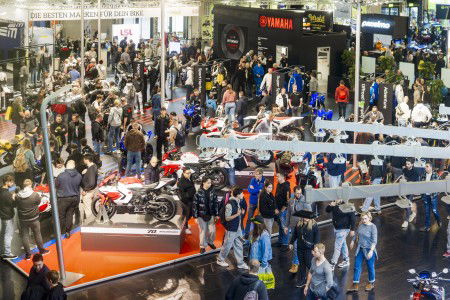
Every January, Motorradwelt Bodensee offers a wide range of action, innovations, travel, and community experiences. In addition to shows and test tracks, there are lectures, creative conversions, and opportunities for exchange. The Friedrichshafen exhibition center is one of Germany’s leading event venues and offers a wide range of uses with twelve halls and extensive outdoor areas.


- Schuberth 4157215360Schuberth C5, Klapphelm – Schwarz – M (56/57) male