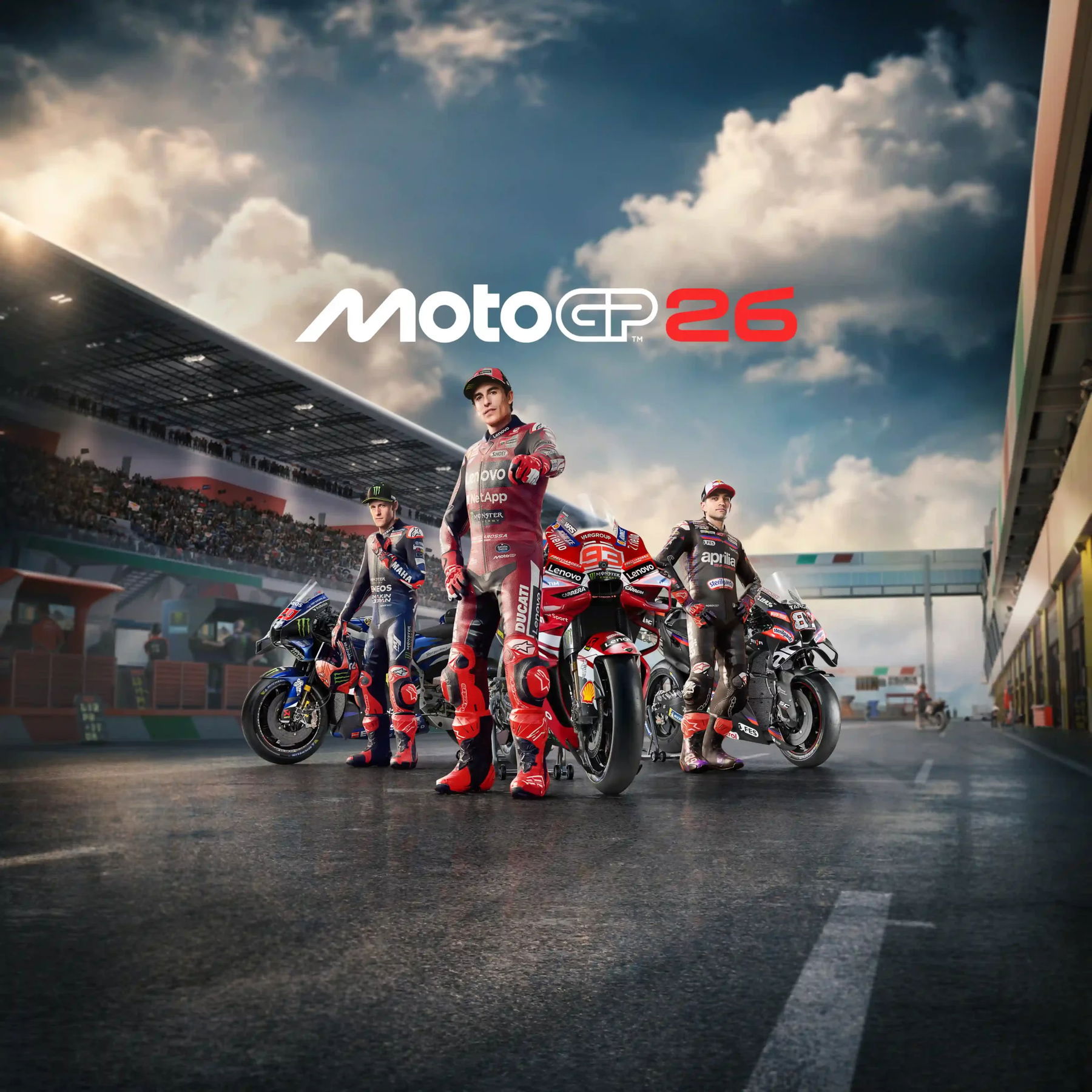
- Release on April 29, 2026 for PS5, Xbox Series X|S, Nintendo Switch, Switch 2, and PC
- New Rider Based Handling System with completely overhauled riding physics
- Dynamic rider ratings that change based on real MotoGP results
The biggest update in MotoGP 26 concerns the riding experience itself. Milestone has fundamentally overhauled the physics model, introducing a so-called Rider Based Handling System. The core concept: instead of controlling the motorcycle directly, players control the rider’s movements and weight distribution on the machine. Body position and weight distribution then affect how the motorcycle responds in corners, during acceleration, and while braking. According to Milestone, this should deliver a lifelike riding feel and faster reactions at high speeds. Rider movements and animations have been completely reworked compared to previous installments, as has weight transfer during lean angles and course corrections. Anyone familiar with the series knows that Milestone has been continuously refining the simulation since acquiring the license in 2013. However, the new system is unlikely to lower the entry barrier for casual players.
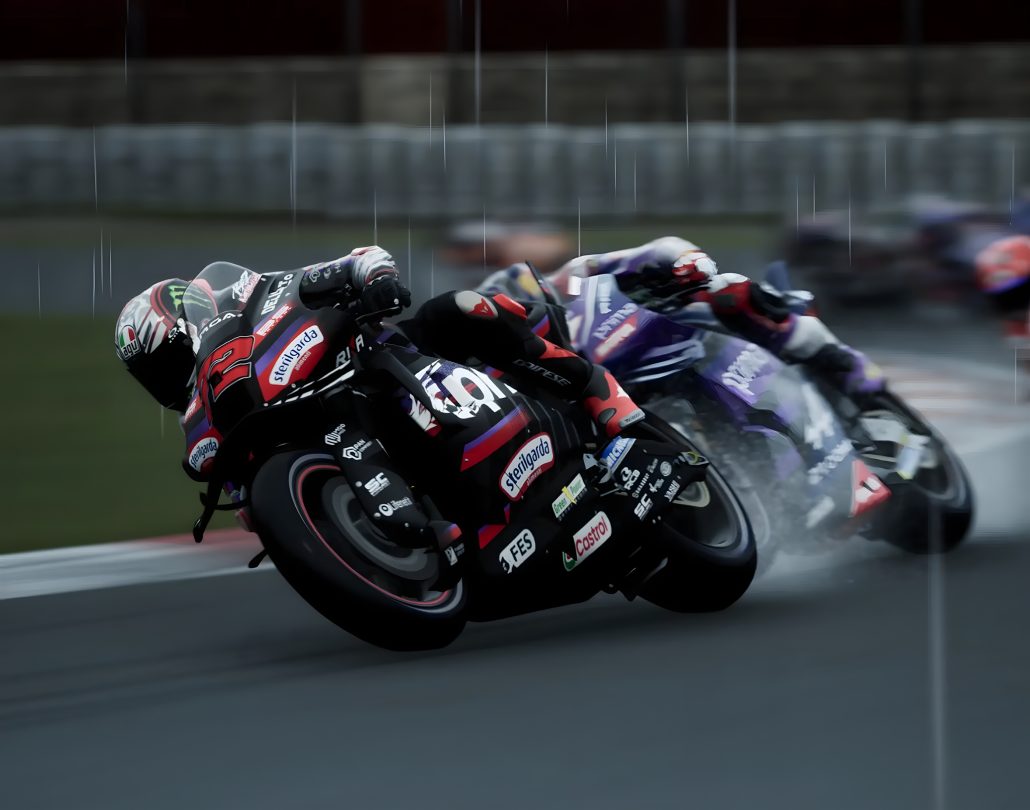
New Physics: The Rider Controls the Motorcycle
To prevent everyone from struggling with the physics, MotoGP 26 once again offers two game modes: The Arcade experience, which has been revised compared to its predecessor, is aimed at beginners and anyone who prefers simplified gameplay. The Pro experience, on the other hand, delivers full simulation with all the tools for fine-tuning setup. Additionally, there are tutorials, adjustable difficulty settings, and so-called Neural Aids as player assists.
Dynamic Rider Ratings from the Real MotoGP Season
One of the most notable innovations is the dynamic rating system for all riders in the game. Each rider receives a rating card based on four attributes: lap time, race pace, performance in direct duels, and consistency. These values are updated based on real results from the current MotoGP season. A rider who is currently in top form in the real World Championship should also perform stronger in the game. Conversely, a slump in reality affects the in-game values. This system replaces the previously static season ratings and is designed to keep gameplay evolving and fresh throughout the season. Rider ratings influence the competitive balance in the starting grid in both career mode and other game modes.
In addition, MotoGP 26 introduces a collectible card system with over 100 cards. These feature riders and iconic tracks at various rarity levels and are unlocked by achieving objectives across all game modes. The illustrations are by Japanese artist Ranka Fujiwara, who specializes in the MotoGP universe.
Career Mode with 3D Paddock, Press Conferences, and Manager
The career mode has been significantly expanded. At its center is a fully 3D-rendered paddock that serves as the central hub for the entire race weekend. From there, players navigate through menus and experience the off-track action from an entirely new perspective.
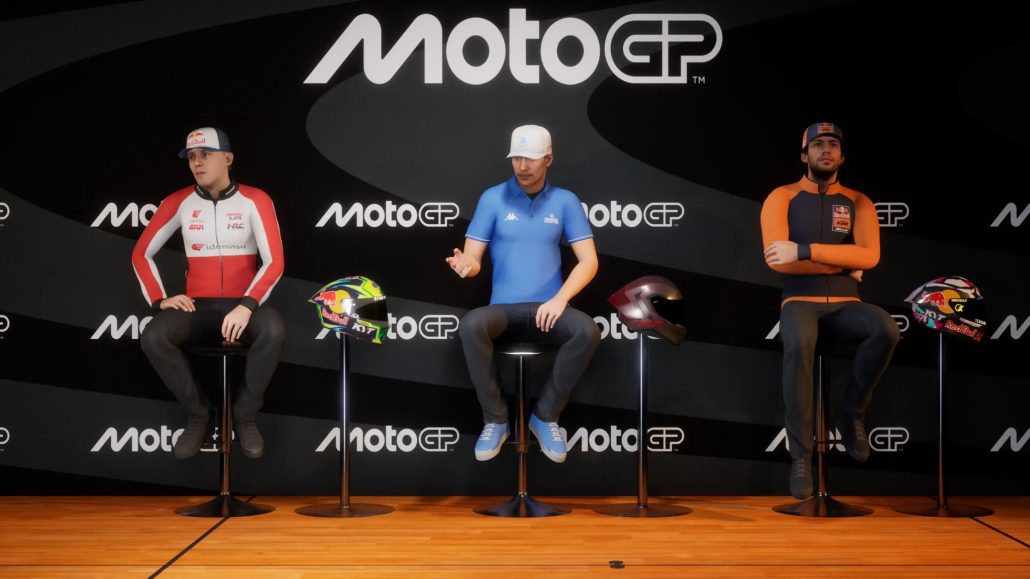
Two new features take center stage: Thursday press conferences allow players to set short- and long-term objectives. Players can publicly challenge rivals or push their team toward faster motorcycle development. Public statements are designed to directly impact the goals set and technical development. The second new element is a personal manager who handles contract negotiations, organizes meetings with team and manufacturer representatives, and advises on driver market decisions. The transfer market has also been made more complex, so career progressions should unfold more realistically. Players can either start as a custom-created rookie or step into the role of a real MotoGP rider.
Race Off with Production Bikes and a New Venue
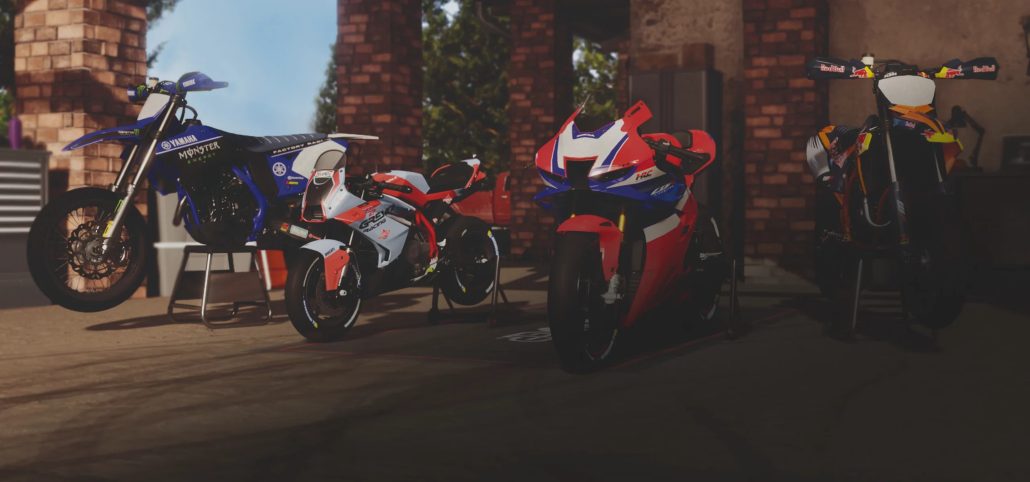
The popular Race Off mode returns with expanded content. Alongside the disciplines already known from the predecessor — Motard, Flat Track, and Minibike — Production Bikes make their debut. This new 1000cc class brings production motorcycles into the game, which according to various sources were presumably carried over from Milestone’s title Ride 6. Each manufacturer is said to bring its own physics and balance.
Canterbury Park in England joins as a new venue, alongside the already known locations of Borgo Caselle in Tuscany and Mont Lagard in the Alps. The Race Off mode serves as a more relaxed alternative to the championship and is suited for practicing and improving skills away from competitive pressure.
Customization and Multiplayer
For the first time in the series’ history, the appearance of the player’s rider can be extensively customized. Advanced editors allow the design of helmets, race numbers, and butt patches on the racing suit. Custom creations can be shared with the community, although this cross-sharing feature is not available on Nintendo Switch and Switch 2.
In multiplayer, MotoGP 26 supports cross-play with grids of up to 22 riders as well as split-screen for local races. However, cross-play is not available on Nintendo Switch and Nintendo Switch 2, and the rider field is limited to 12 participants there, both in multiplayer and single-player.
Platforms and Scope
MotoGP 26 launches on April 29, 2026 for PlayStation 5, Xbox Series X|S, Nintendo Switch, Nintendo Switch 2, ROG Xbox Ally, ROG Xbox Ally X, and PC via Steam, the Microsoft Store, and the Epic Games Store. For Sony and Microsoft consoles, these are exclusively current-gen versions — there are no PS4 or Xbox One editions. The game includes all official riders, teams, and tracks from the 2026 season across the MotoGP, Moto2, and Moto3 classes. The Day One Edition for PS5 and Xbox additionally includes the Scorpion Helmet Pack and the HJC Helmet Pack as DLC.

- Givi 466983Givi Easy Bein-Tasche


Dieser Artikel ist eine Gemeinschaftsarbeit der Redaktion.
Motorcycles.News berichtet tagesaktuell und unabhängig über die Motorrad- und Motorsportwelt. Von neuen Modellen über MotoGP bis hin zu Technik, Gesetzgebung und Szene-Themen — mehrfach täglich, zweisprachig auf Deutsch und Englisch. Ergänzt wird die Berichterstattung durch den YouTube-Kanal Motorrad Nachrichten mit über 80.000 Abonnenten.