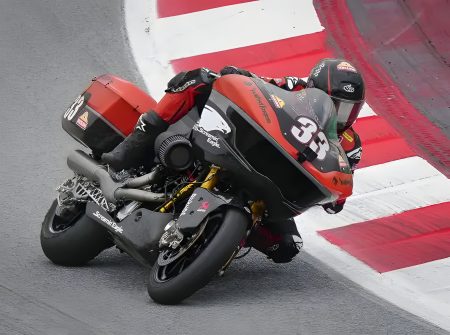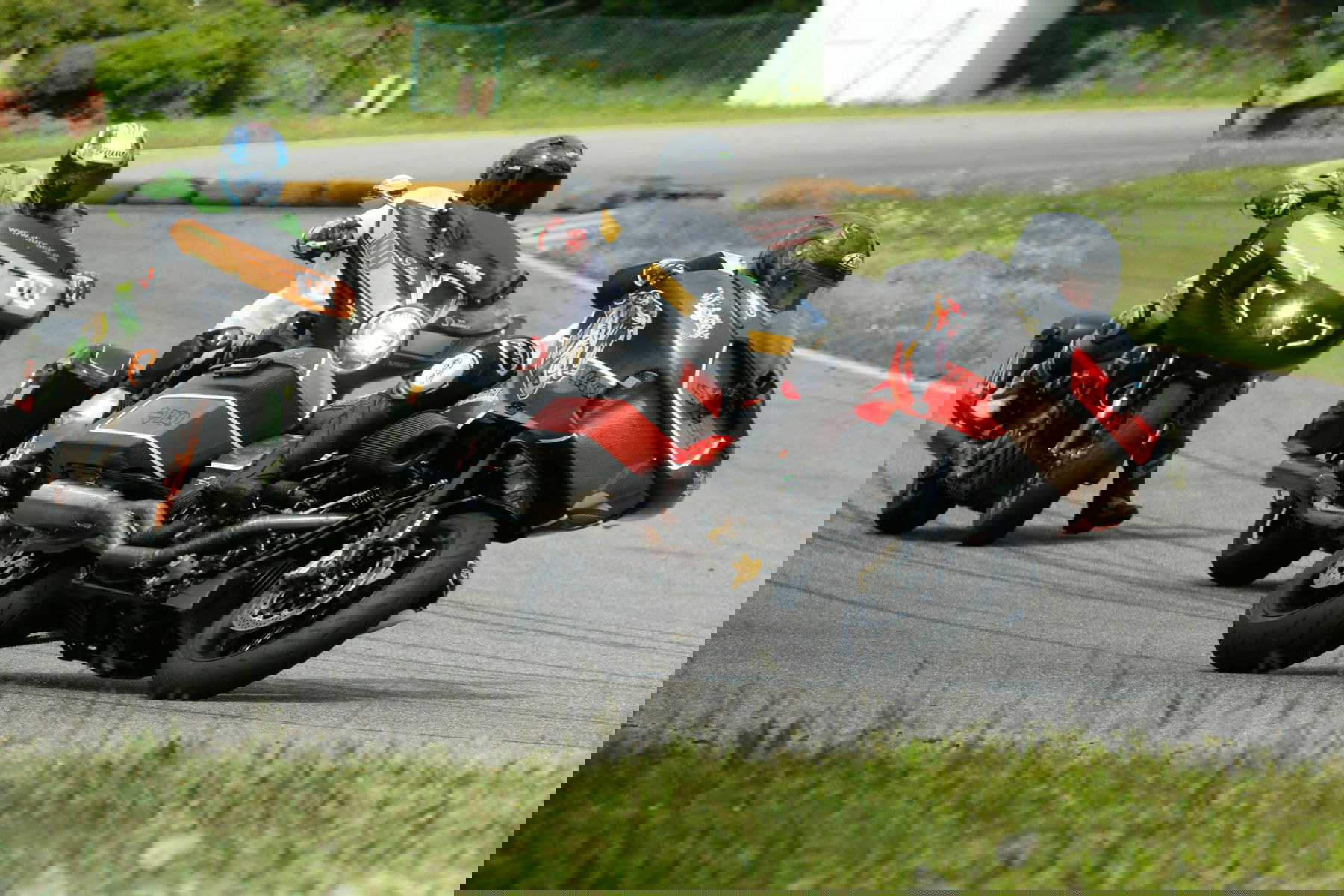
- Harley-Davidson baggers weigh around 280 kg (617 lbs)
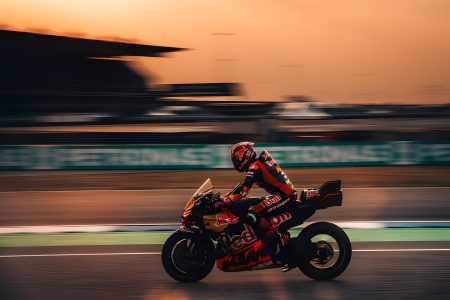
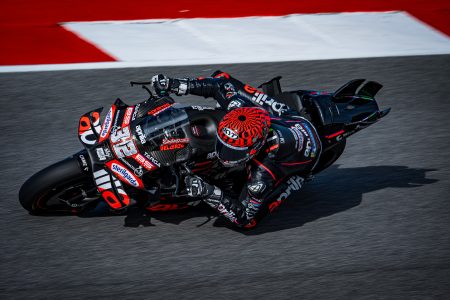
- MotoGP bikes weigh around 165 kg (364 lbs)
- The Harley-Davidson Bagger World Cup comprises 6 events with 12 races
After joining the American King of the Baggers series in 2025, former MotoGP rider and test rider Bradley Smith gained extensive racing experience on the heavy Harley-Davidson racing machines for the first time. Compared to the highly tuned prototypes from MotoGP, there are clear differences that bring both fascination and limitations.

Torque instead of high tech
From Smith’s point of view, one of the greatest strengths of Harley-Davidson baggers is the enormous torque of their large-volume engines. Power delivery is direct and unfiltered, as there are no complex electronic assistance systems. Control lies entirely in the rider’s right hand.
Smith describes this riding experience as both exciting and challenging, especially on roads with low grip levels. On some American race tracks, the motorcycle often skids on both wheels, which is impressive but also a lot of fun. It is precisely this raw character that fundamentally distinguishes baggers from modern MotoGP machines.
Weight as the biggest disadvantage
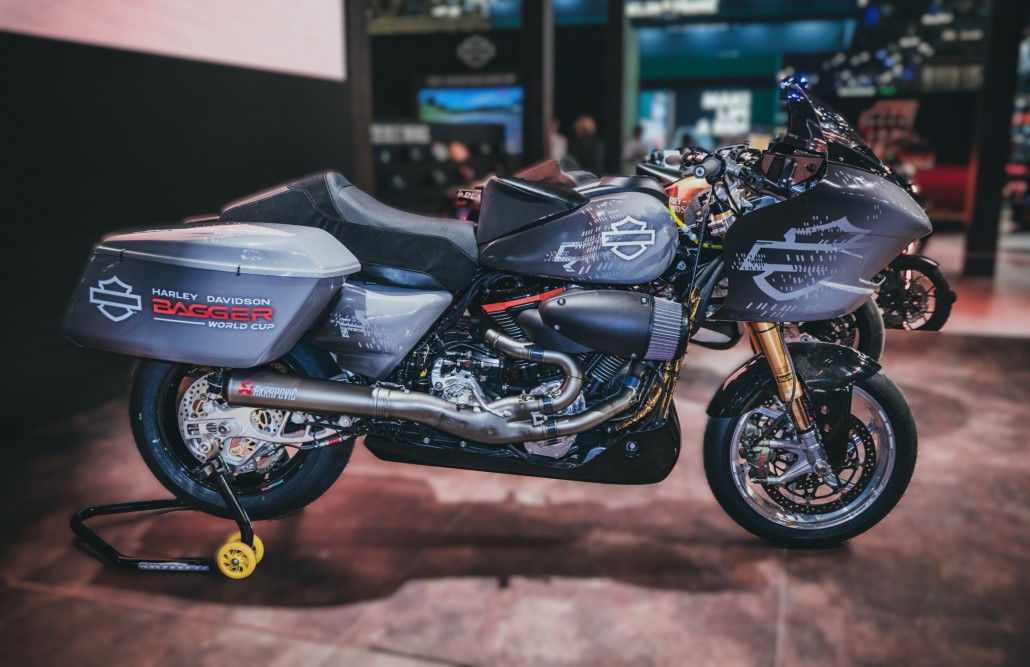
On the other hand, the Brit sees one clear weakness: the heavy weight. At around 280 kg (617 lbs), baggers weigh almost 115 kg (253 lbs) more than a MotoGP bike, which weighs around 165 kg (364 lbs). This difference is particularly noticeable when braking and changing direction.
To make matters worse, there is currently no front tire specifically designed for Baggers available. Instead, a tire originally designed for superbikes is used. This significantly limits the maximum braking performance. For Smith, however, it is precisely this limitation that adds to the sporting appeal of the series, as it is all about getting the most out of the given conditions.
Different riders, equal opportunities
King of the Baggers, which has been running since 2020, attracts riders from a wide variety of racing disciplines. In addition to former MotoGP and Superbike riders, racers with completely different backgrounds also compete.
Smith sees this as one of the most exciting features of the series. The motorcycles are relatively versatile, which means that a classic GP career does not necessarily determine success or failure. The series so far has shown that riders with very different experiences can be competitive.
European Grand Prix tracks as ideal terrain
In August 2025, the new Harley-Davidson Bagger World Cup was officially unveiled during a MotoGP weekend. The calendar includes six events in Austin, Mugello, Assen, Silverstone, Aragon, and Spielberg. These tracks differ significantly from many American courses where the King of the Baggers series has been held to date.
Smith expects the European racetracks to be a particularly suitable environment for the heavy machines. The long straights, fast corners, and flowing track layouts would suit the Baggers’ long wheelbase. Narrow and twisty courses, on the other hand, would be more difficult to ride, as the motorcycles prefer high cornering speeds.
It is precisely this characteristic that makes the new World Cup so appealing to Smith. Even though his priority remains MotoAmerica, he describes competing in the Bagger World Cup as a personal dream.
Outlook for the Excavator World Cup
Six to eight teams, each with two drivers, are set to compete in the Excavator World Cup. Teams from the USA, Australia, and Italy have been confirmed so far, but the specific drivers have yet to be announced. The first race weekend is scheduled for the end of March 2026 in Austin, which happens to be Harley-Davidson’s home market.
With its combination of heavy motorcycles, prominent race tracks, and an international field of riders, the new series promises an unusual but athletically challenging concept that clearly sets itself apart from established motorcycle world championships.


- MILESTONE Ride 6: Day One Edition – Xbox Series X