


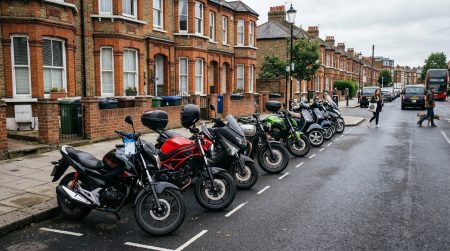
The London borough of Hackney has drastically reduced its planned motorcycle parking fees after years of dispute. Instead of up to 12,500 pounds per year, residents now pay just 38 pounds for an annual permit.
In this category you will find articles covering legal topics related to motorcycles and road traffic. This includes changes in legislation, court decisions, regulations, as well as developments concerning registration, licensing and road safety.
The list below brings together reports on national and international rules, judicial decisions and political initiatives that may affect motorcycle riders or the motorcycle market. Where possible, the background and practical implications of the respective regulations are explained.
This section provides an overview of the legal framework and current developments relevant to motorcycle riders.
The London borough of Hackney has drastically reduced its planned motorcycle parking fees after years of dispute. Instead of up to 12,500 pounds per year, residents now pay just 38 pounds for an annual permit.
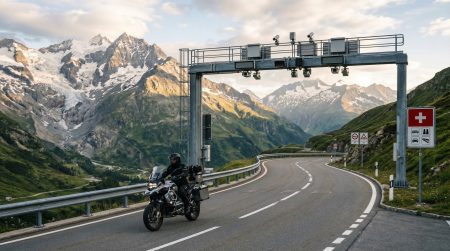
The Swiss parliament has approved a new fee targeting foreign vehicles that merely pass through the country. Motorcyclists traveling to Italy would also be affected, whether taking the motorway or an alpine pass.
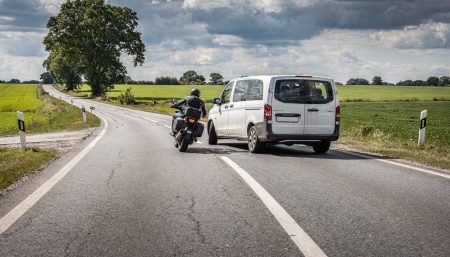
OLG Schleswig-Holstein confirms 95,000 euros in compensation for a motorcyclist after a crash with a left-turning driver. Inherent operational risk fully superseded by gross negligence.

EU driving licence reform, French speed limit crackdowns, US legislation and international court rulings: All legal and political developments that affect motorcyclists worldwide.
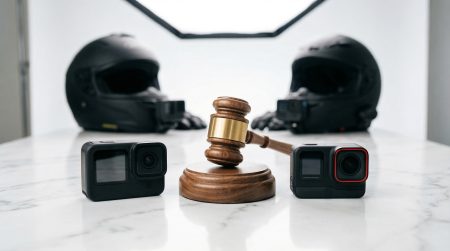
The US trade commission has issued its final decision in the patent dispute between GoPro and Insta360, ongoing since 2024. Both companies claim victory, but the reality is far more nuanced.
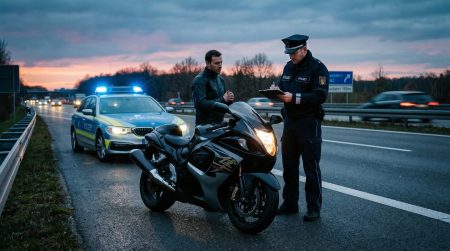
Speeding results in fines and penalty points. But can police directly seize a motorcycle? The Administrative Court of Appeal in Rhineland-Palatinate has set clear limits to this practice.
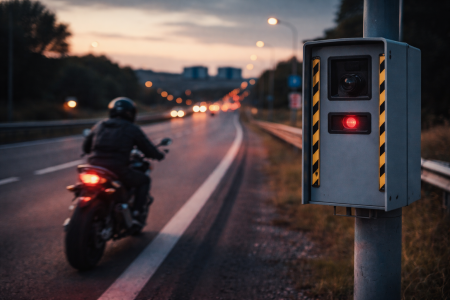
Since February 14, 2026, French speed cameras have been automatically checking whether vehicles caught speeding are insured. The measure also applies to motorcycles and is set to be extended to all speeding offenses in the long term.

At the beginning of 2026, Iceland fundamentally changed its road transport financing system. The new mileage-based toll also affects tourists and has a particular impact on rental cars and longer journeys.
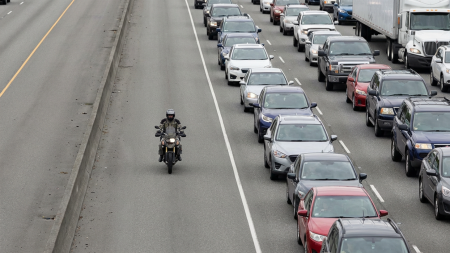
In the state of Washington, there are renewed discussions about changing the traffic rules for motorcycles. A draft bill proposes allowing motorcycles to temporarily use the right-hand shoulder in traffic jams.
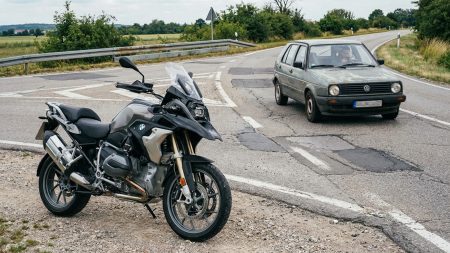
The European Union is once again discussing mandatory periodic technical inspections for all motorcycles. Representatives of motorcyclist organizations point to accident statistics that call into question the safety benefits of such inspections.
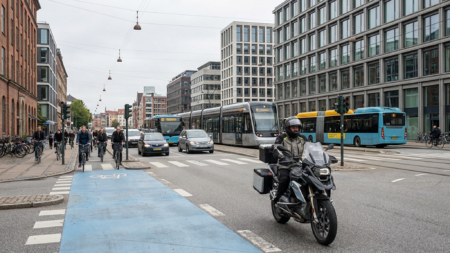
Copenhagen has submitted a new proposal to introduce zero-emission zones for public consultation. The motorcycle organization Danske MotorCyklister is analyzing the plans in detail, as they could have a significant impact on motorcycle access to the capital.
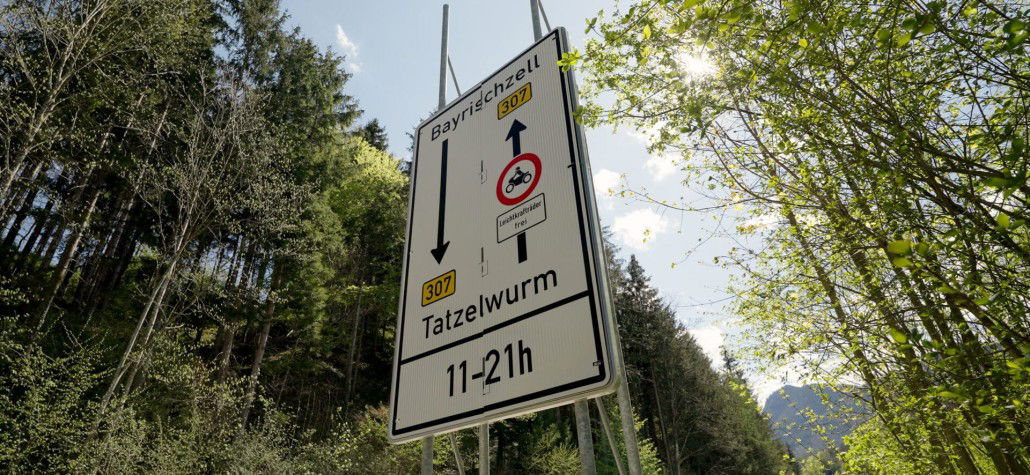
After reviewing the previously withheld administrative files, the lawsuit against the partial motorcycle ban on the Sudelfeld route was significantly expanded. The documents now available cast a critical light on the actions of the Rosenheim district and raise doubts about transparency, proportionality, and proper administrative work.
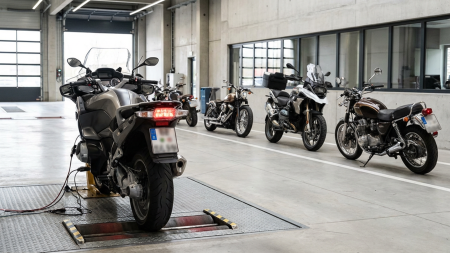
The European Parliament is once again discussing mandatory general inspections for motorcycles. A current draft report goes significantly further than the previous proposal by the EU Commission.
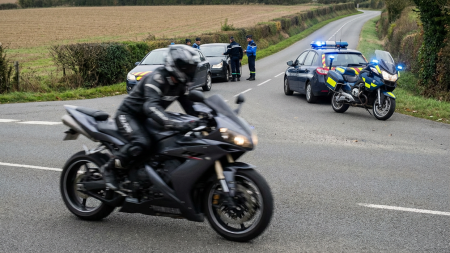
France has classified excessive speeding as a criminal offense since the end of 2025. Anyone driving more than 50 km/h over the speed limit faces imprisonment, heavy fines, and other consequences.
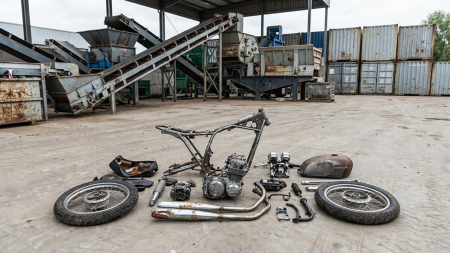
The EU Council and EU Parliament have agreed on new guidelines for the circular economy for vehicles. For the first time, motorcycles will also be covered by the rules for end-of-life vehicles.
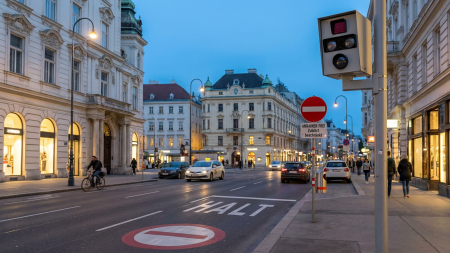
Starting in May 2026, numerous Austrian cities plan to introduce new access restrictions that will be monitored by cameras. The measures also apply to foreign vehicles and could prove costly for tourists.

The EU wanted to require older vehicles to undergo an annual roadworthiness test in the future. However, the member states have clearly rejected this plan, as the benefits for road safety appear doubtful and the additional costs would be considerable.
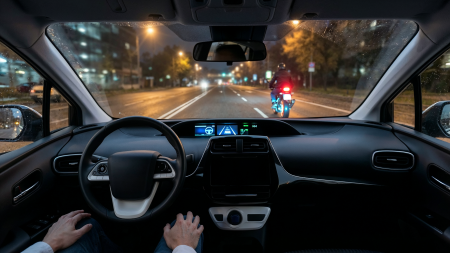
Tesla wants to introduce its Full Self-Driving system in Europe as quickly as possible, but serious accidents involving motorcycles are raising questions about safety. The Dutch registration authority RDW is demanding that the protection of motorcyclists be a priority—only then can approval be granted.
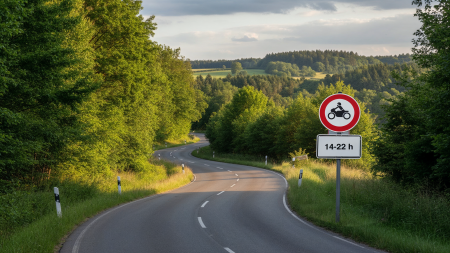
The Administrative Court of Hanover has provisionally confirmed the temporary driving ban for motorcycles on the K74 between Westendorf and Bernsen. The decision is based on a series of accidents which, according to the court, constitute a qualified hazard.
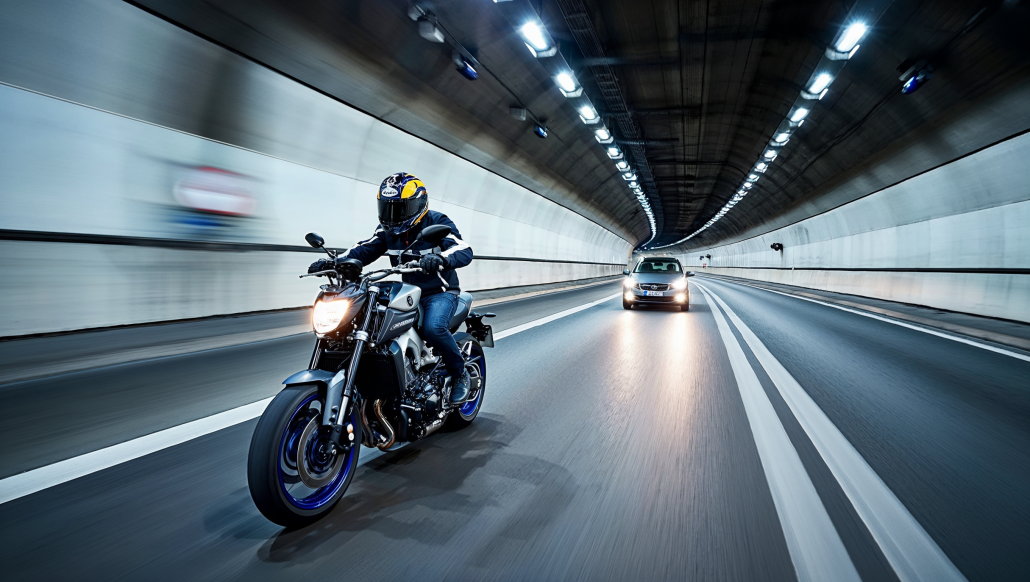
The National Motorcyclists Council (NMC) is using the National Road Safety Conference in the United Kingdom to call for a fundamental change in transport policy. Instead of continuing to treat motorcycles as a nuisance, the NMC is campaigning for them to be accepted as an equal and sustainable part of the transport system.