- Founder and CEO Dominique Kwong, CFO Bal Bhullar and board member Karan Sodhi have left the company
- Damon has not delivered a single motorcycle to customers since its founding in 2017
- Over 3,000 reservations worth more than 100 million CAD remain outstanding
What began as one of the most ambitious projects in the electric motorcycle industry now appears to have failed for good. Damon Inc., the company behind the much-hyped HyperSport — an electric superbike promising 200 hp, 200 miles of range and a top speed of 322 km/h (200 mph) — announced in a brief press release on a Friday evening on February 27, 2026, that the entire board of directors, including the CEO and CFO, had resigned.
Resignations in Quick Succession
The departures did not happen all at once but unfolded over the course of February 2026. CFO Bal Bhullar was the first to resign in early February. Bhullar had only joined Damon in February 2024. Dino Mariutti was appointed interim CFO — an external consultant who had worked with Damon in various roles since 2017 and briefly served on the board from 2020 to 2021. Mariutti had left the company in 2024 and has now apparently returned.
On February 23, board member Karan Sodhi stepped down as chairman of the board. A few days later, on February 27, the entire remaining board resigned, including CEO Dominique Kwong and board chair Shashi Tripathi. Kwong has already updated his LinkedIn profile, dating his departure to February 2026.
Who Is Still Running Damon?
The answer to that question is anything but clear. According to the company website, there is currently no board of directors. The only employees still listed are Rob Chartier as VP of Cloud and Information Systems and Kurt Risic as VP of Vehicle Dynamics & Integration and General Manager at the Bay Area location. Risic’s LinkedIn profile still confirms his affiliation with Damon. Of the roughly 13 employees who were still working at Damon last year, only a handful appear to remain. For comparison, the company employed around 200 people at its peak.
From Safety Pioneer to Failed Superbike Dream
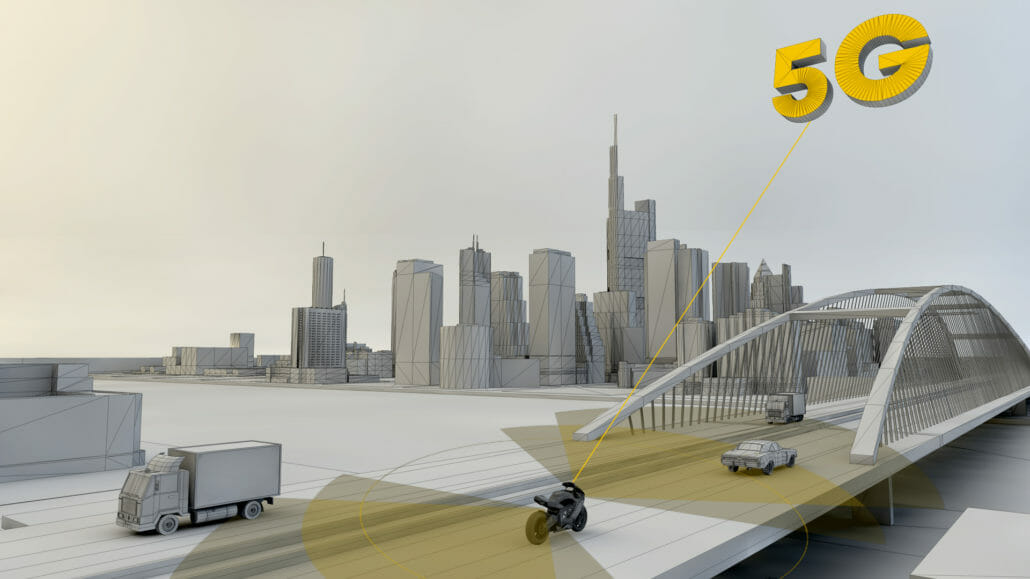
Damon’s story began in 2017, when Dominique Kwong and Jay Giraud founded the company under the name Damon Motorcycles in Vancouver. The original focus was safety technology for motorcycles. A combination of sensor data and an AI-powered platform was designed to detect potential collision scenarios and warn the rider. The stated goal: by 2030, there would be no fatal accidents on vehicles equipped with Damon technology.
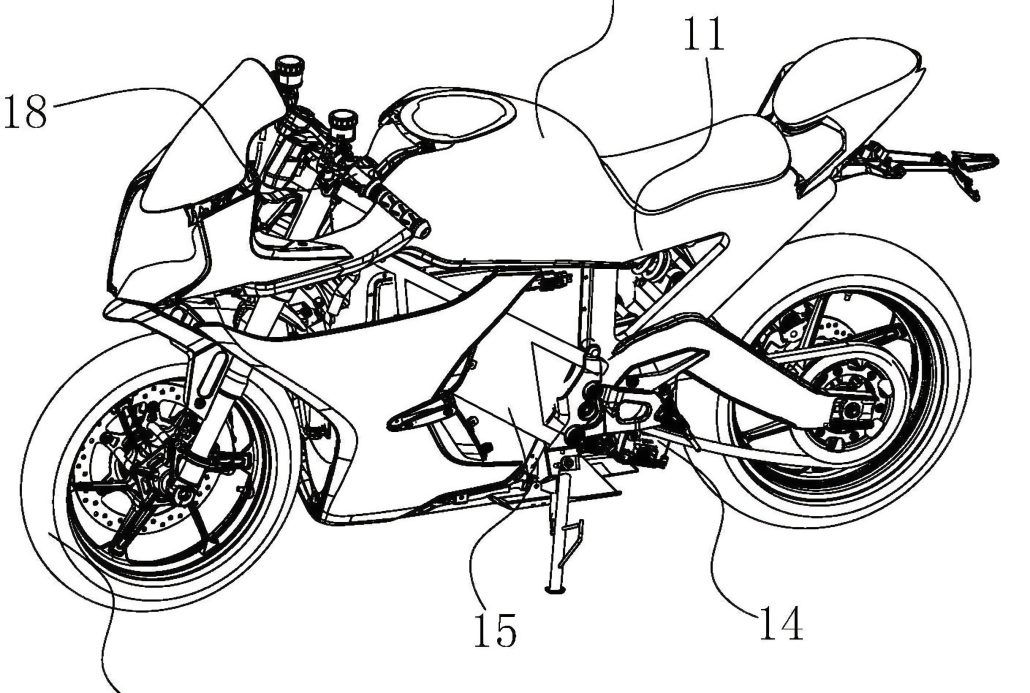
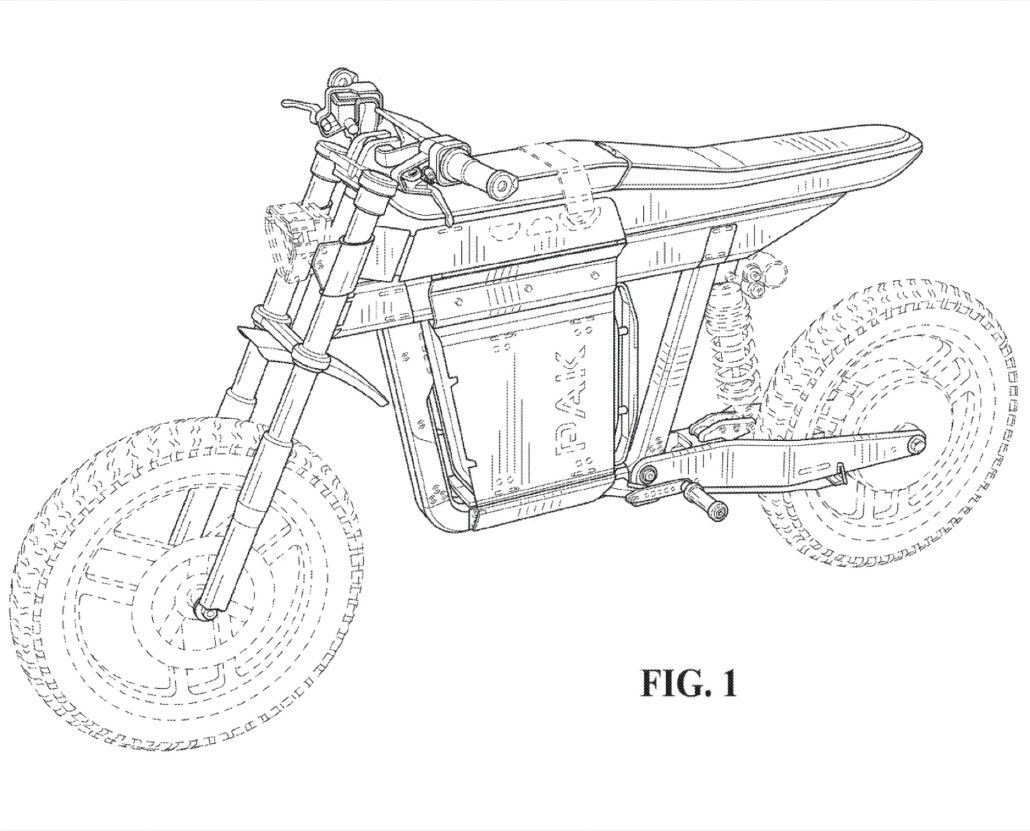
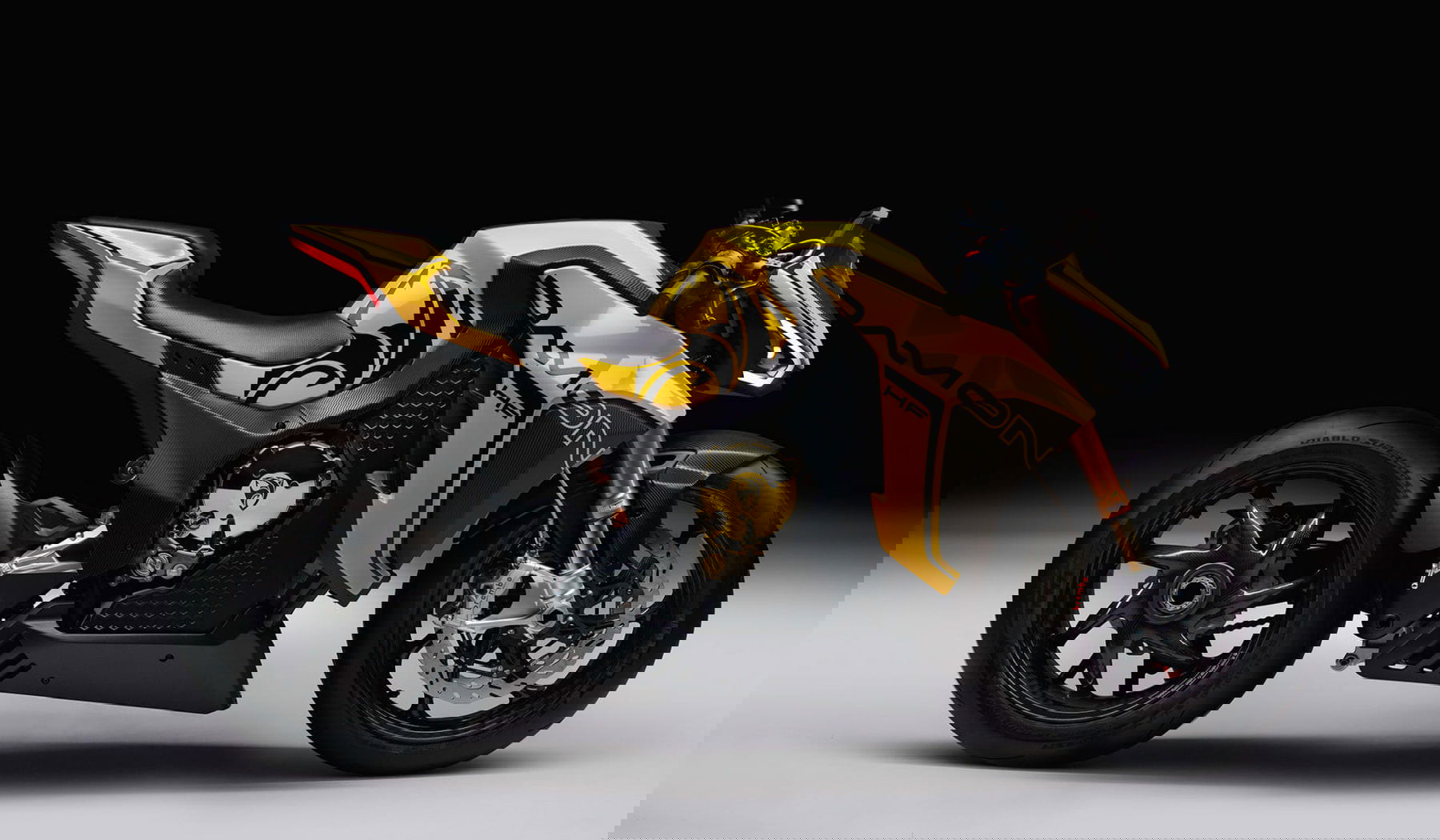
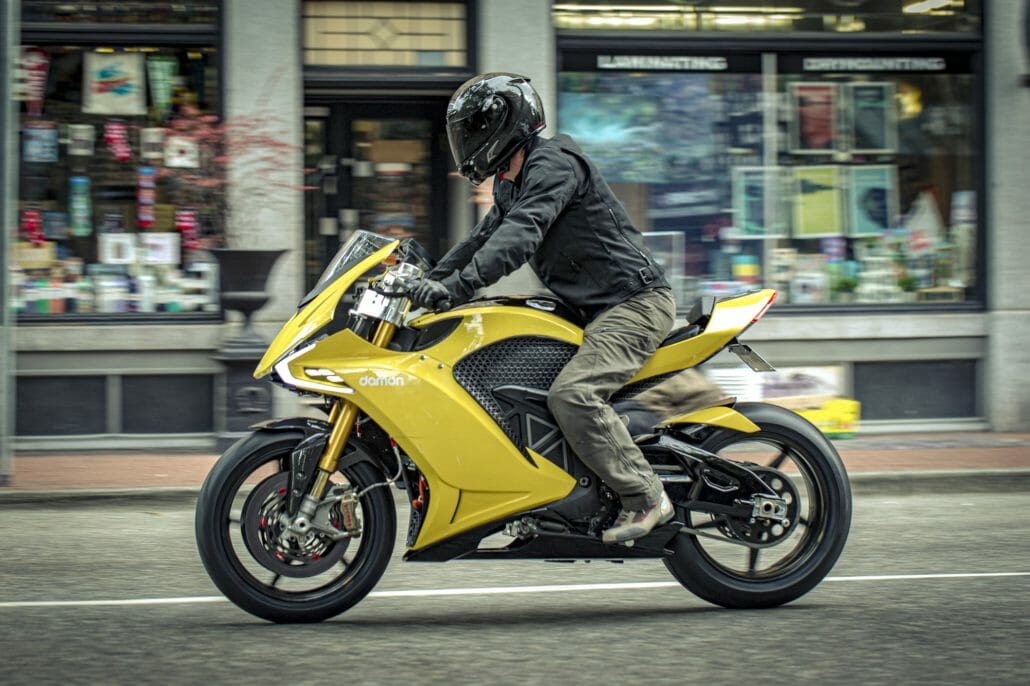
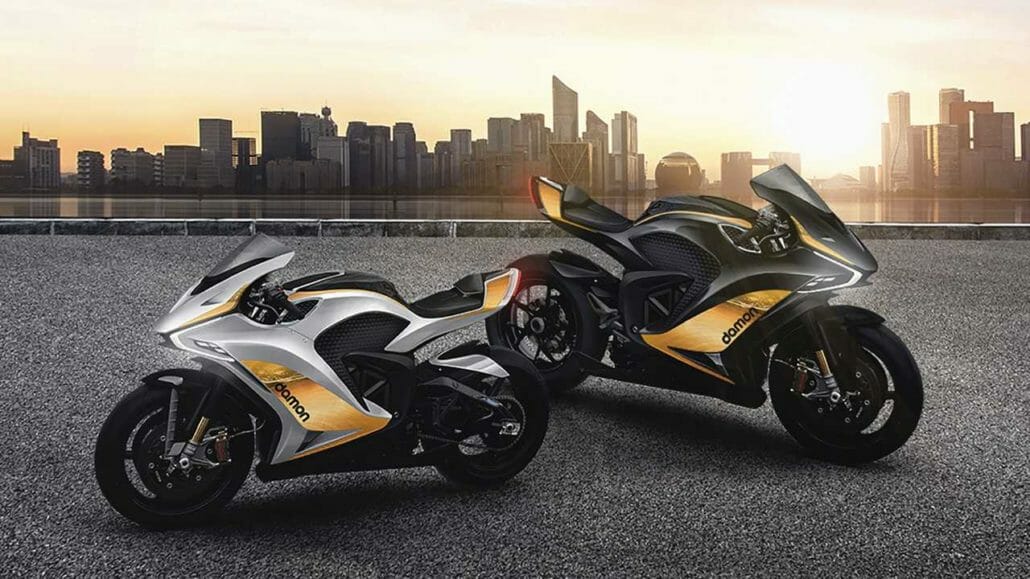
But the focus quickly shifted. Instead of licensing the technology to other manufacturers, Damon decided to build its own electric motorcycles. The HyperSport was first presented to the public at CES 2020 in Las Vegas. The promises were impressive: 200 hp peak power, 200 miles of combined range, a top speed of 322 km/h (200 mph), plus adaptive suspension, adjustable ergonomics at the push of a button, a 360-degree collision warning system called CoPilot, and an AI-powered safety system. In addition to the sporty HyperSport, Damon also announced the HyperFighter, a naked bike with similar technology.
Enthusiasm was high. Over 3,000 people placed reservation deposits, which according to the company represented a total value of more than 100 million CAD (approximately 67 million euros / 71 million USD). In December 2021, Damon secured Series B funding of 37.9 million CAD (approximately 25.5 million euros / 27 million USD) to transition from the testing phase to manufacturing. A roughly 10,200-square-meter production facility in Surrey, British Columbia was also announced. The factory was never built.
Chaos Behind the Scenes
What was happening behind the glossy facade was far less glamorous. There were mass layoffs that were never publicly communicated. Lawsuits flew back and forth between the company and co-founder Jay Giraud. There were allegations of inappropriate workplace conduct and even reports of dog attacks. The announced production facility in British Columbia quietly disappeared from the agenda, and a hinted alternative in California also remained vague. Production timelines were pushed back repeatedly.
Only a single person outside the company was ever allowed to ride a functioning HyperSport prototype. Journalist Tim Stevens reported that many of the advertised technologies were not present on the prototype he rode. Neither the safety system nor the adaptive features were installed — not even traction control. Stevens also noted that the controls were largely sourced from a BMW S1000RR.
In February 2025, CTO Derek Dorresteyn left the company. He was considered one of the key figures behind the technical development and co-held the majority of Damon’s patents alongside Kwong. Dorresteyn had previously worked at Alta Motors, another failed electric motorcycle startup.
The IPO as the Beginning of the End
In October 2023, Damon under CEO Jay Giraud began attempting to list on the NASDAQ via a reverse merger with a subsidiary of California-based IoT company Inpixon. The process took 13 months. In November 2024, trading finally began, with shares opening at just under 5 USD.
Giraud commented on the IPO: “We faced what oftentimes seemed like insurmountable challenges.” These included maintaining ongoing operations, retaining remaining employees, and the rising costs of the IPO process. These burdens had limited the company’s ability to fund production readiness.
Just ten days after the IPO, Giraud was replaced by co-founder Kwong, who at that point had not been active at Damon for nearly a year.
The share price was in freefall from the start. By April 2025, the stock was trading at less than one cent. NASDAQ initiated delisting proceedings, citing failure to meet minimum share price requirements and massive shareholder dilution. On May 20, 2025, Damon was officially removed from NASDAQ. The stock moved to the OTC Pink Market under the ticker symbol DMNIF.
Lawsuits and Unpaid Bills
According to an annual report filed with the U.S. Securities and Exchange Commission, Damon is facing at least three lawsuits. Co-founder Jay Giraud is reportedly claiming outstanding bonuses and back pay that were allegedly never paid after his departure. A company consultant is suing for the issuance of shares worth 3.2 million USD (approximately 3 million euros) that were supposedly promised to him. There is also a claim for 376,000 USD (approximately 352,000 euros) in outstanding rent for the Vancouver office space. These allegations have not yet been confirmed in court.
What Remains of Damon?
The last substantive update on the actual product came in December 2025. At that time, Damon reported that the HyperSport Race prototype was 70 percent complete. A partnership with Italian engineering firm Engines Engineering was supposed to accelerate development, keep costs below 10 million USD (approximately 9.4 million euros) and deliver the motorcycle within twelve months.
None of that is being discussed anymore. Both co-founders are gone. The engineering team that developed the early prototypes is no longer there. There is no production facility. Investor funding has dried up. And the question of what happens to the deposits from over 3,000 reservation customers remains open. Former marketing chief Amber Spencer had recently stated that the deposits were fully refundable. How that would be practically implemented remains unclear.
After years of announcements, delays, and leadership upheaval, the collective resignation of the entire executive team is likely the final nail in the coffin for Damon Motorcycles. The company has not delivered a single production motorcycle in eight years.

- DUNLOP 637884Dunlop – Sportsmart Mk4 – 120/70 Zr17 Tl 58(w) – Sommerreifen