- Pierer Mobility AG has been called Bajaj Mobility AG since January 2026
- Around 500 jobs at KTM are being cut, mainly in administration and management
- New sales director comes from BMW Motorrad
After several turbulent months, restructuring continues at KTM. The complete takeover by the Indian Bajaj Group not only brings a new name for the group holding company, but also profound structural changes in Mattighofen. In addition to further staff cuts, key management positions are being filled.
Pierer Mobility becomes Bajaj Mobility
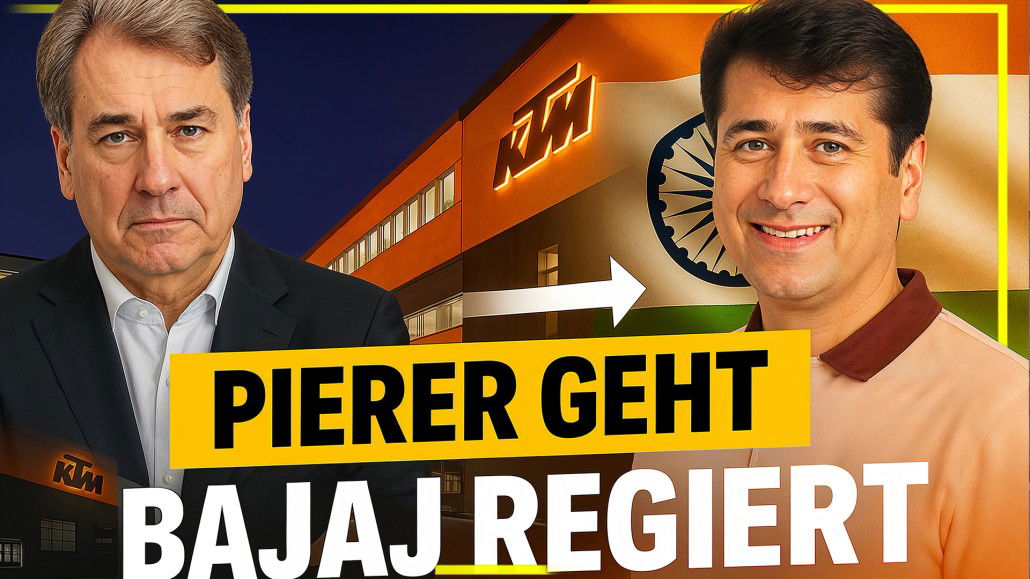
Since January 13, 2026, the former Pierer Mobility AG has been operating under the name Bajaj Mobility AG. The move comes as no surprise, given that Bajaj had already averted the Austrian motorcycle manufacturer’s insolvency in spring 2025 with a cash injection of €800 million. Since November 2025, the Indian group has held 74.9 percent of the shares, thereby taking control of KTM and the Husqvarna and GasGas brands.
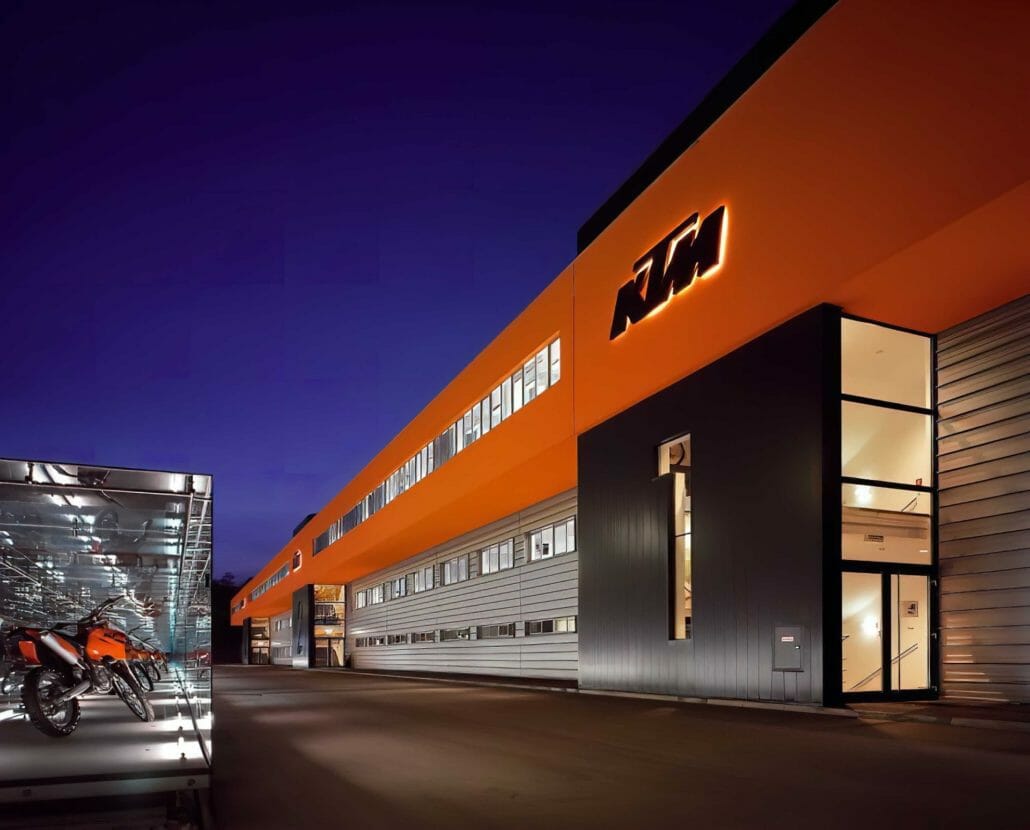
Parallel to the renaming, the registered office of the stock corporation was also relocated. Instead of Wels, Mattighofen is now the official company location. This brings the group’s management closer to the operational center of motorcycle production.
Significant job cuts in Austria
The final takeover is now being followed by concrete measures. Around 500 jobs will be cut, about two-thirds of them in Austria. Most of those affected are salaried employees and middle management staff. An entire management level is also to be eliminated.
At the end of 2025, KTM still employed 3,794 people. Before the insolvency at the end of 2024, the figure was 5,310. With the current move, the number will fall to just over 3,300 employees. This means that the workforce has almost halved within a little over a year.
CEO Gottfried Neumeister commented on the measures, saying:
“We are reducing complexity across all areas—for example in our model range, in IT, and also in the organization of our departments, particularly by removing one management layer.”
An employment foundation for the automotive industry, financed by the state of Upper Austria and the Public Employment Service, is available to the employees affected. Most of the places provided are currently still available.
Criticism from India and clear words from Rajiv Bajaj
Months earlier, Bajaj Group CEO Rajiv Bajaj had already expressed criticism of the situation at KTM in an Indian television interview. He described it as problematic that of the approximately 4,000 employees, only about 1,000 were directly involved in motorcycle production, while the majority performed administrative tasks. In his view, further job cuts were inevitable.
Bajaj also made a clear statement about the future direction, hinting that a greater international division of labor in production was the way forward in the long term.
Overproduction remains a key problem
A major trigger for the insolvency was massive overproduction. At the end of 2024, there were 248,580 unsold motorcycles in stock worldwide. By December 31, 2025, this inventory had been reduced to 147,427 vehicles. This means that around 100,000 motorcycles were sold or at least put on the market. Nevertheless, almost 150,000 vehicles continue to incur high storage and logistics costs.
As a consequence, the model range is also to be reduced. KTM wants to focus more strongly on its three core brands: KTM, Husqvarna, and GasGas. Other projects have already been terminated or sold, including the Felt bicycle brand and the X Bow sports car project.
New sales director comes from BMW Motorrad
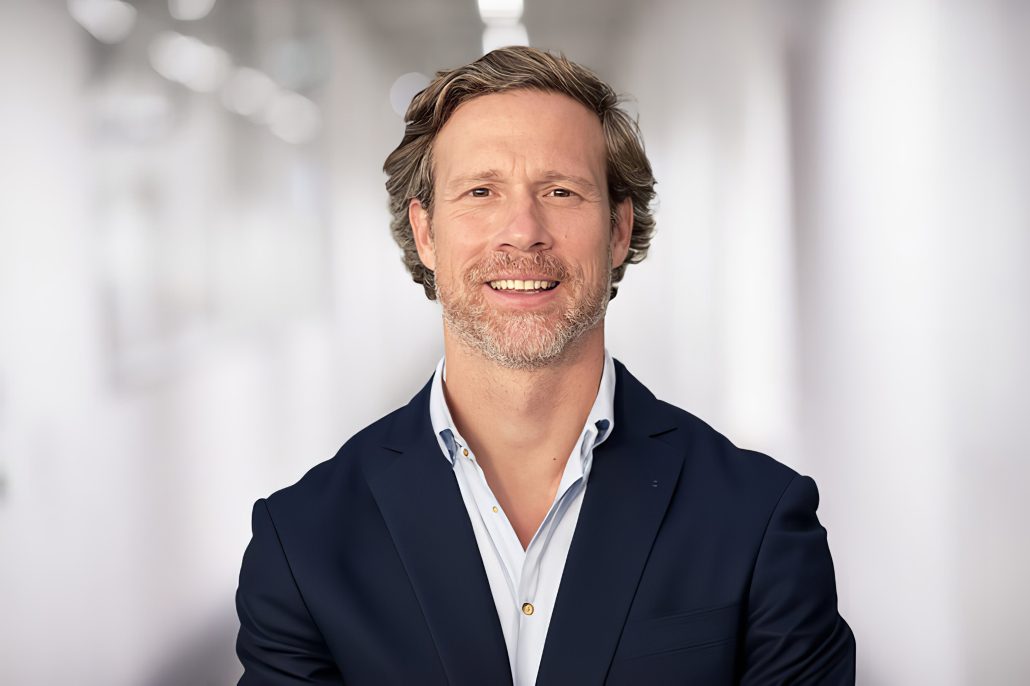
In addition to structural streamlining, KTM is looking for fresh impetus in management. Stephan Reiff, global sales and marketing director at BMW Motorrad since summer 2022, will move to Mattighofen in April 2026. He will take on the role of Chief Commercial Officer on the KTM AG board and will be responsible for sales and marketing in the future.
Reiff’s responsibilities will largely correspond to his previous role at BMW Motorrad. The appointment of an experienced manager from Munich is intended to bring stability during a phase in which KTM is strategically repositioning itself.
Looking ahead: Austrian location under pressure
How KTM will develop as an Austrian brand in the long term remains to be seen. For years now, the single-cylinder models up to 390 have been manufactured by Bajaj in India, while the twin-cylinder models are produced by CFMoto in China. Further relocations of production steps to Asia are considered at least possible.
One thing is certain: with the renaming to Bajaj Mobility, further job cuts, and the appointment of new key management positions, KTM is entering a new phase that is strongly influenced by India.


- Shoei 11189027Shoei X-SPR Pro Marquez Dazzle Helm Rot Blau male