- Ducati emphasizes equal treatment of its factory riders in 2025
- 2026 marks the end of the 1000cc era in MotoGP
- Toprak Razgatlioglu ventures into MotoGP after major successes in the Superbike World Championship
MotoGP is currently experiencing a phase in which sporting dominance, technical concepts, and human factors are converging more closely than ever before. Statements from active riders and former world champions alike illustrate how fine the line between success and regression has become. At the same time, the class is facing a profound change that will reach its peak in 2027 with new technical regulations.
Ducati 2025: Dominance without favoritism
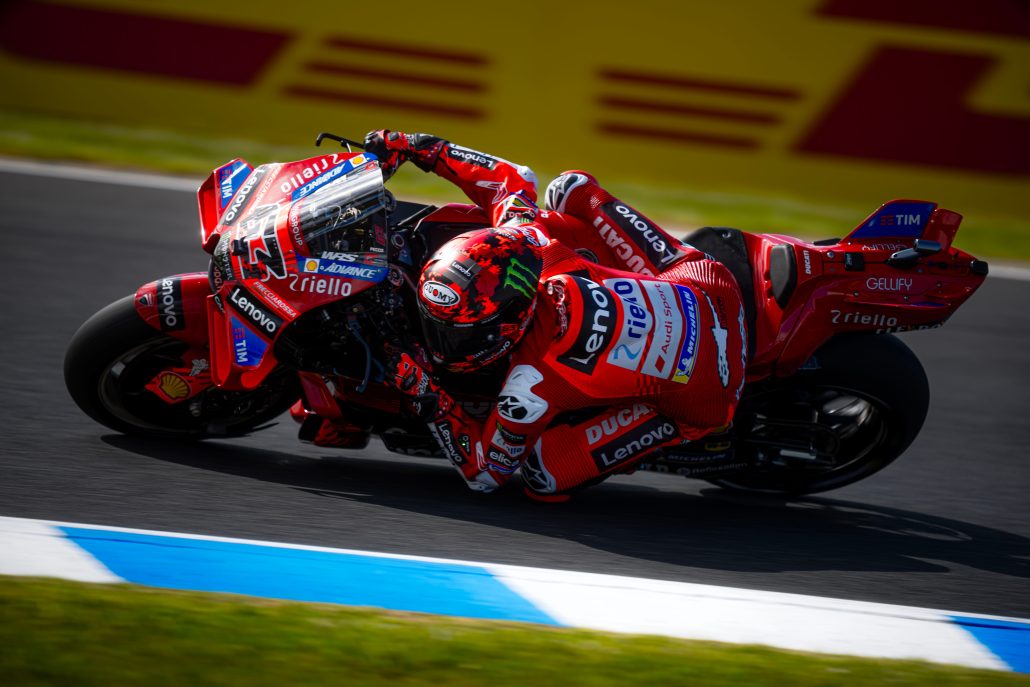
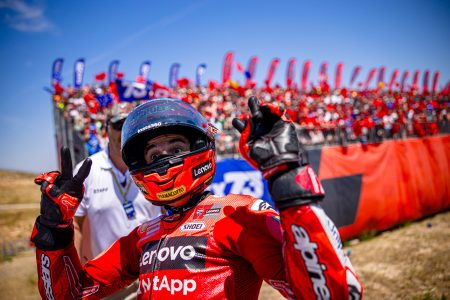
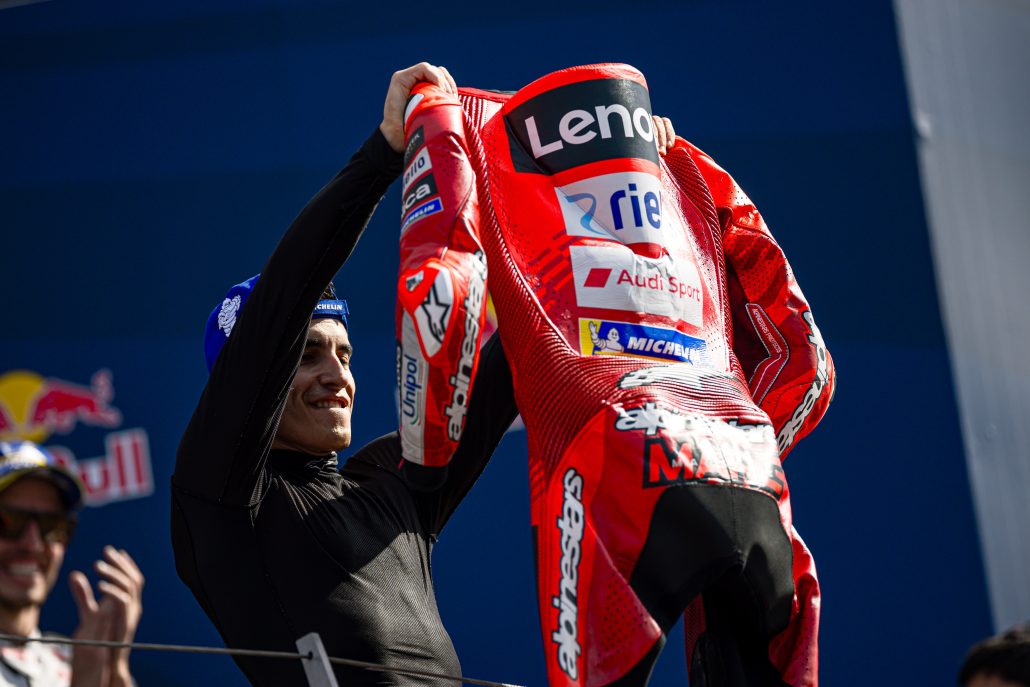
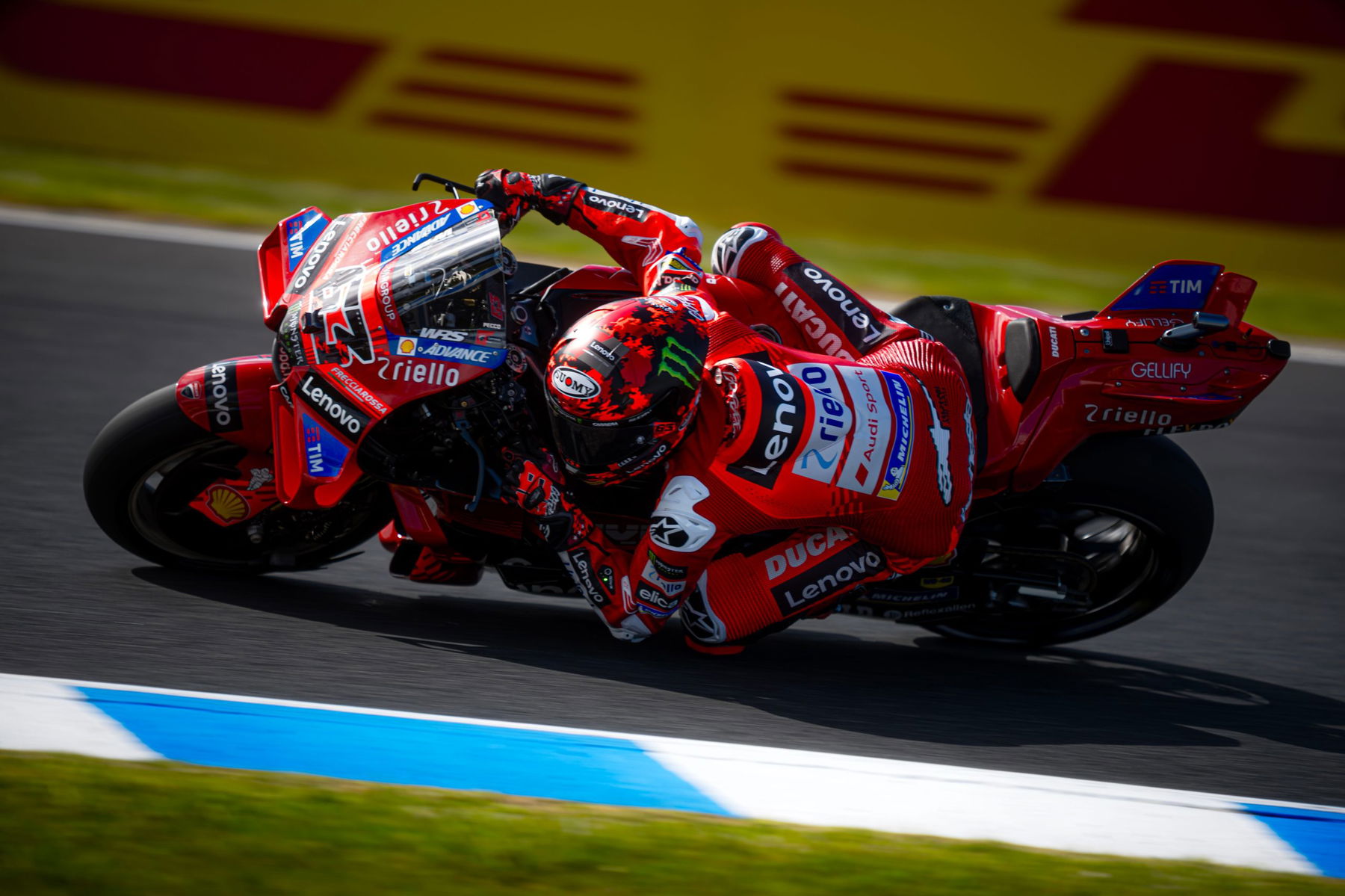
In the Ducati factory team, the 2025 season provided clear conditions in terms of sporting performance. While Marc Marquez secured the title early on, Francesco Bagnaia had to cope with several setbacks. Nevertheless, the Italian firmly rejects speculation about possible favoritism toward his teammate.
Bagnaia emphasizes that Ducati consistently adheres to a philosophy of offering identical conditions to both factory riders. New components are therefore only used if they are available to both riders. If this is not the case, the team refrains from using them altogether. This approach is said to have contributed significantly to Ducati’s consistent position at the top in recent years.
Bagnaia also describes the relationship between the two riders as professional and respectful. Marquez’s integration went smoothly, characterized by mutual understanding of team dynamics and working methods. Technically, Ducati does not pursue complete equality. Different setups or fairings are allowed as long as the basic material remains identical.
Motivation as the key in modern MotoGP
Max Biaggi emphasizes that technology alone is no longer enough. The multiple world champion sees motivation as a decisive factor in an era in which several manufacturers are operating at almost the same performance level.
Biaggi explains that even minimal losses in inner drive can have immediately measurable consequences. Just one or two tenths of a second per lap can make the difference between top positions and mediocrity. Motivation enables riders to tap into the necessary reserves and push themselves beyond their personal limits. Self-confidence alone is not enough.
In this context, Biaggi refers to examples from the recent past. Individual riders were able to make a significant difference and carry entire teams despite comparable technology. The density of performance has shifted the focus more than ever to the person behind the helmet.
Toprak Razgatlioglu: The difficult leap into the premier class
A particularly exciting chapter will begin in 2026 with Toprak Razgatlioglu‘s MotoGP debut. After three titles in the Superbike World Championship, the Turkish rider is joining the Pramac Yamaha team as a rookie. He will be joined by Jack Miller, who is expected to play an important role with his experience.
There are high expectations for this move, but the challenges are just as great. Nevertheless, Giacomo Agostini believes Razgatlioglu will make a successful start. The Italian points out that exceptional talent can also find its way into MotoGP, even if the class change is not a sure-fire success.
Agostini draws parallels with his own career, but puts them into perspective. While he already had experience on Grand Prix motorcycles, Razgatlioglu comes directly from Superbike. The difference is not huge, but it is decisive. Accordingly, the rookie himself expects a particularly tough first season.
Farewell to the 1000cc era: an open race
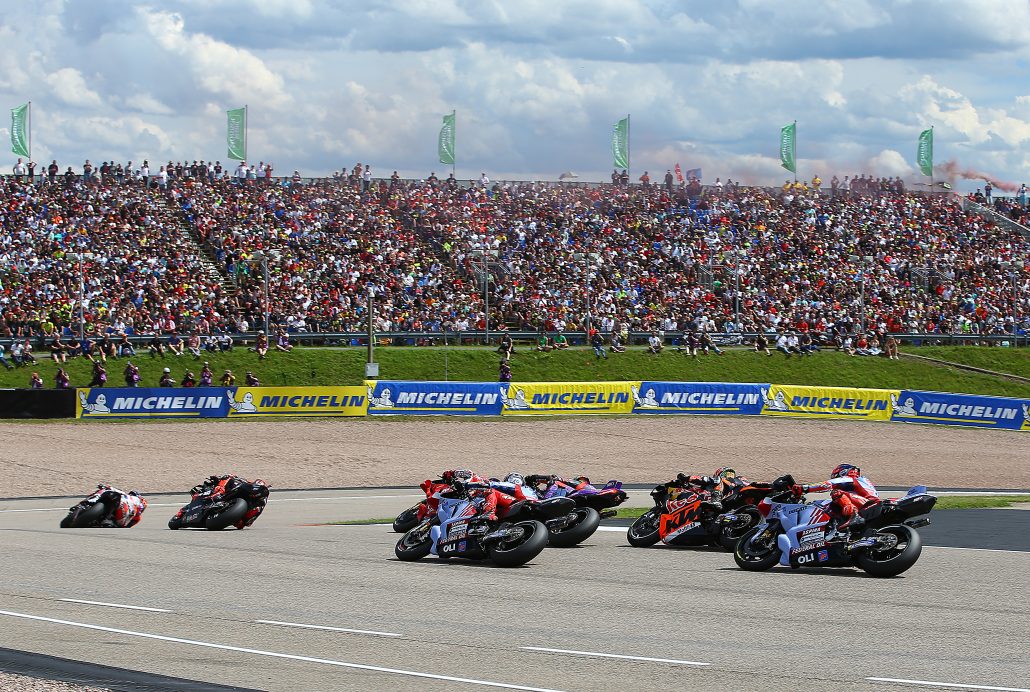
The 2026 season marks the end of the 1000cc MotoGP era after 15 years. From 2027, new rules will come into force, with smaller engines and simplified technology. The focus is therefore on the question of who will be the last champion of this generation.
Since the introduction of the 1000cc class, Marquez has won half of all titles. Other world champions of this era include Jorge Lorenzo, Joan Mir, Fabio Quartararo, and Jorge Martin. It is noteworthy that, with the exception of Lorenzo, all of them are still active and can fight for the last title.
In addition to the established names, the focus is also on the outsiders. Marco Bezzecchi impressed with a strong finish to the season, while Alex Marquez stood out with his consistency and several victories. KTM continues to pin its hopes on Pedro Acosta, while Yamaha faces a difficult task despite its big ambitions with the new V4 project.
The central question, however, remains whether Ducati can maintain its dominant role. After mixed experiences with the GP25, all eyes are on further development, which is set to mark the last major appearance of the 1000cc bikes in 2026.
A premier class at a turning point
MotoGP is in a transitional phase in which sporting fairness, mental strength, and technical concepts are equally decisive for success. Statements from riders and legends paint a picture of a series in which dominance remains possible but can never be taken for granted. With the end of the 1000cc era approaching, these tensions are intensifying into a season that is of special significance both in sporting and historical terms.

- Legend Gear HTA0040510100Legend Gear Hecktasche Lr2 LR2 48 LITER SCHWARZ schwarz