- Speeding more than 50 km/h over the limit is considered a criminal offense.
- Up to 3 months imprisonment and a €3,750 (≈ $4,060) fine are possible.
- The regulation also applies to foreign drivers and motorcyclists.
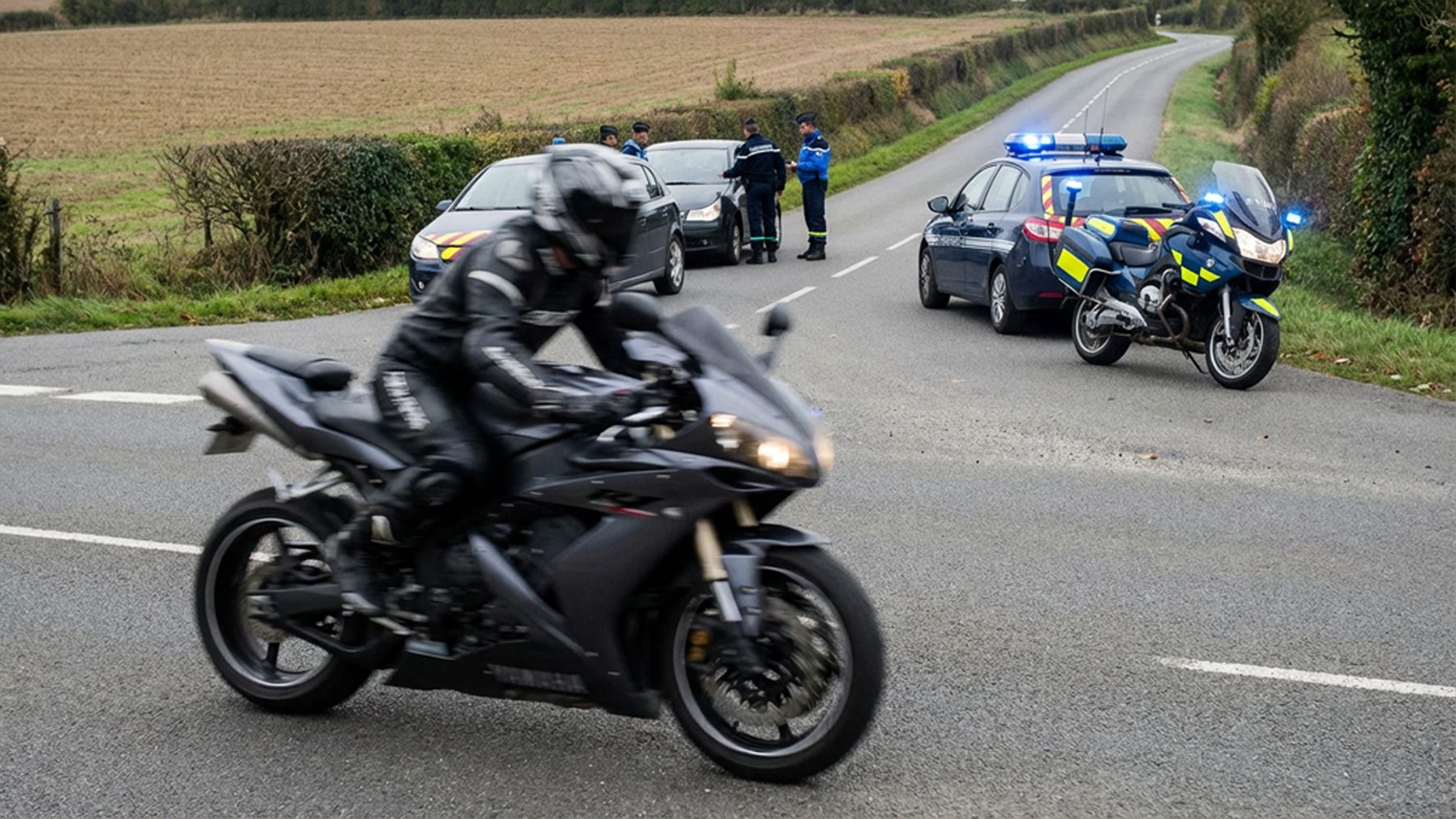
France has significantly tightened its traffic legislation. Since December 29, 2025, particularly high speeding violations are no longer treated as a simple administrative offense. Anyone who exceeds the speed limit by at least 50 km/h is now committing a criminal offense. The aim of the new regulation is to take more consistent action against extreme speeding and to increase road safety.
When is speeding considered a criminal offense?
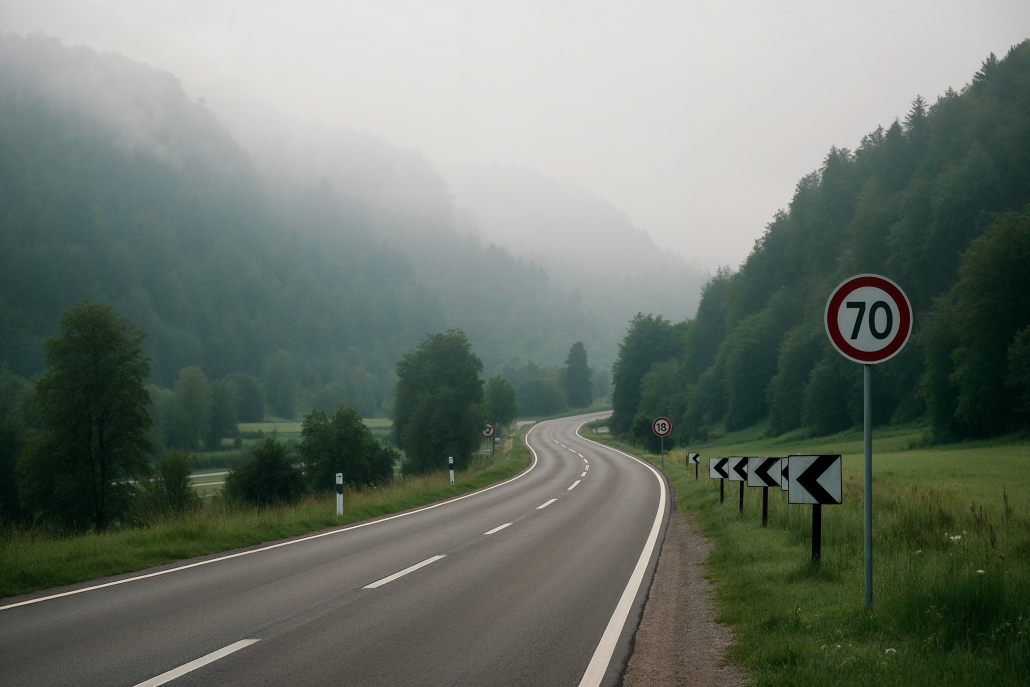
The new classification applies uniformly to any violation exceeding 50 km/h above the respective speed limit. It does not matter whether the violation is committed in a built-up area, outside a built-up area, or on the highway. The only decisive factor is the extent of the violation.
Previously, such violations were generally considered serious administrative offenses. Only repeat offenses were subject to significantly higher penalties. This differentiation no longer applies.
What are the specific penalties?
The new penalties are significantly harsher than before:
- Imprisonment for up to 3 months
- Fine of up to €3,750 (≈ $4,060)
- Entry in the French criminal record
- Driving license revocation for up to 3 years
- Possibility of vehicle confiscation
In addition, courts may order further measures, such as a temporary ban on driving certain vehicles or mandatory participation in a road safety course at the offender’s own expense.
Foreign drivers are also affected
The new regulation also applies explicitly to foreign car and motorcycle drivers, including many vacationers from Germany. However, the withdrawal of the driving license only applies on French territory. In Germany, the driving license remains formally valid, although a Europe-wide law is currently being prepared to ensure that a driving license withdrawal also applies across borders.
Outstanding fines can nevertheless already be enforced in Germany via European administrative assistance procedures. Anyone who evades payment must therefore expect financial consequences even after returning home. Imprisonment is particularly possible if the person concerned is still in France.
Reasons for the tightening of the law
The background to the measure is the significant increase in extreme speeding violations. In 2024, the French authorities recorded 63,217 cases of speeding in excess of 50 km/h. This represents an increase of around 69 percent compared to 2017.
The authorities consider this development to be relevant to safety. Massive speeding violations are classified as a deliberate risk to other road users, which should be countered with tougher penalties.
Comparison with Germany and Switzerland
In a European comparison, France is moving closer to Switzerland with the new rules. There, extreme speeding violations have been considered serious offenses for years, with prison sentences and long-term driving bans.
In Germany, the consequences remain significantly milder. Exceeding the speed limit by 51 to 60 km/h outside built-up areas is treated as an administrative offense and usually results in a fine of €480 (≈ $520), two points on the driver’s license, and a one-month driving ban. Criminal proceedings are not envisaged.
Conclusion
France is tightening the reins on extreme speeding. What used to be mainly expensive can now have criminal consequences. Imprisonment, heavy fines, and long-term consequences are possible, even for foreign drivers. Anyone traveling in France should strictly observe speed limits to avoid legal and financial risks.


- S100 2409S100 2409, Visier- und Helmreiniger – 100 ml male