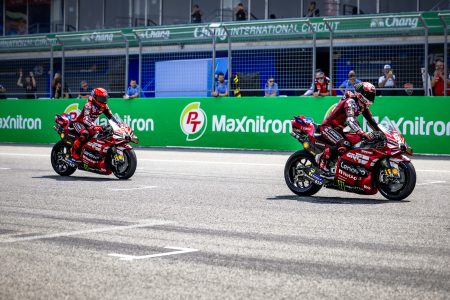
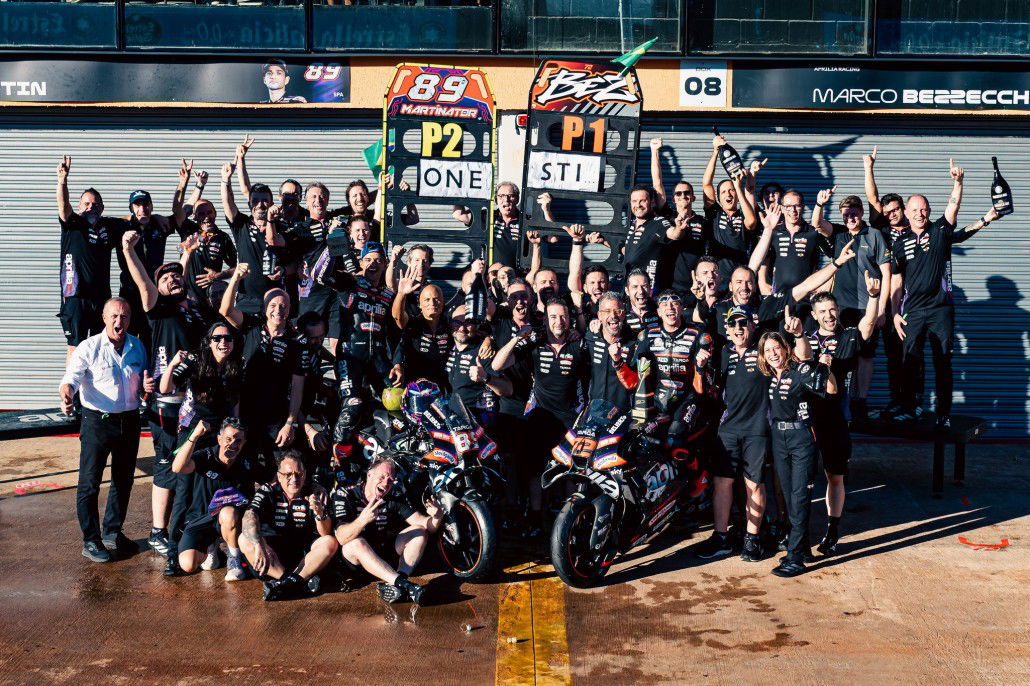
- Aprilia celebrates a one-two finish in Goiania with Bezzecchi ahead of Martin
- Race direction shortens the race from 31 to 23 laps at short notice
- Crumbling asphalt and flying debris raise safety concerns
MotoGP returned to Goiania over the weekend, with Brazil hosting a Grand Prix for the first time since 2004. Around 148,000 spectators attended the freshly renovated circuit across the weekend, with over 60,000 fans on Sunday alone. The layout of the Autodromo Internacional Ayrton Senna was well received by the riders, but a series of incidents related to the track surface significantly marred the event.
Crumbling Asphalt and a Sinkhole as Constant Companions
The problems with the track surface did not start on Sunday. In the run-up to the event, flooding forced track workers to work around the clock to dry out the facility and make it rideable in time. On Saturday, a sinkhole was discovered on the start-finish straight that had to be repaired after MotoGP qualifying, significantly disrupting the schedule.
The peak of the track problems came on Sunday. After the Moto2 and Moto3 races, the asphalt between turns 11 and 12 began to break up. Race direction responded by shortening the MotoGP race from 31 to 23 laps just five minutes before the start. Teams were informed shortly before the warm-up lap, had barely any time to react, and could neither drain fuel nor adjust the electronics. Michelin emphasized that they had no involvement in the decision.
The information about the shortened distance was relayed to the teams from front to back on the grid. Enea Bastianini, who was on the last grid position, had no opportunity to switch to the soft rear tire as some of his competitors did. “In a world championship, this is a big mistake,” the Tech3 rider fumed after the race. “The message reached my team last, while the people further up still had time to switch. A five-minute delay would have been enough to create a fair situation for everyone.”
Flying Debris and Injuries During the Race
Despite the shortened distance, the riders clearly felt the effects of the crumbling asphalt. Several riders reported being hit by stones and asphalt chunks kicked up by the rear wheels of bikes ahead of them during the race. Brad Binder described the scene as a “little rock festival” with chunks flying through the air everywhere. Alex Marquez used a comparison that summed it up perfectly: the conditions in the affected corners felt more like motocross than a circuit race.
Alex Rins was hit the hardest. The Yamaha rider was struck by a stone on his right index finger at the very start of the race, leaving it bruised and visibly swollen afterwards. Since Rins uses that finger to operate the brake, the injury affected his entire race. Bastianini also reported being hit on the shoulder by a stone during the warm-up lap and briefly doubted whether he could finish the race at all. Toprak Razgatlioglu brought some stones to his interview that he had found in his boot after the race.
Aprilia Takes the Championship Lead
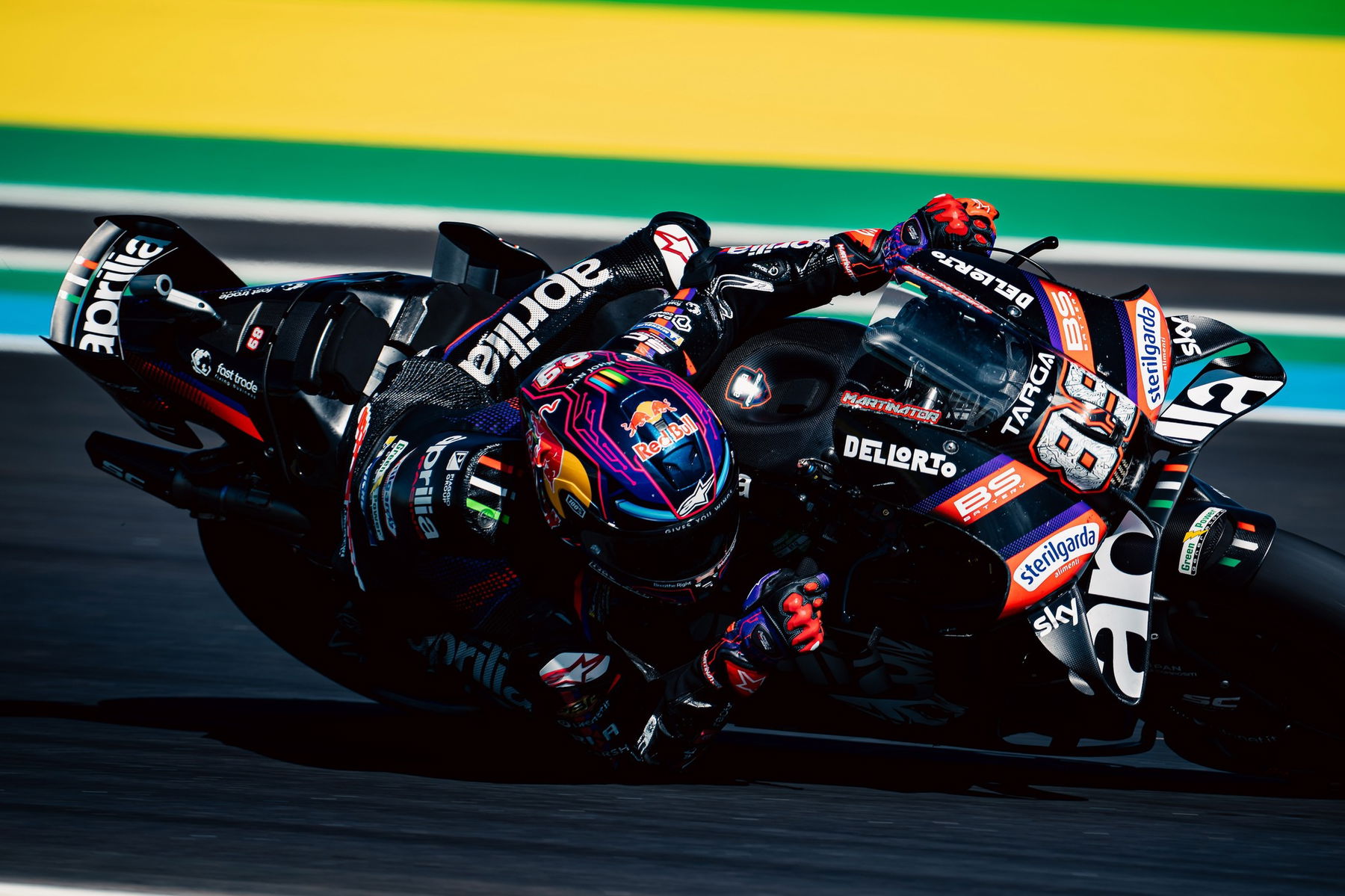
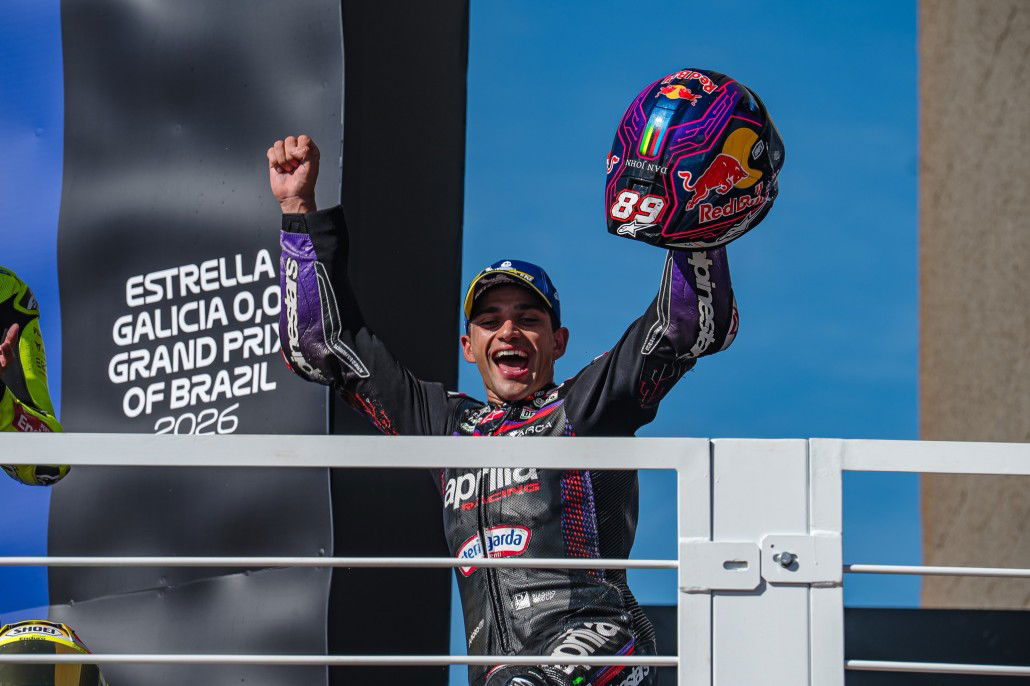
On the sporting side, the weekend once again belonged to Aprilia. Marco Bezzecchi won the Sunday race convincingly, leading virtually every one of the 23 laps from the start. It was already his fourth consecutive Sunday win in the 2026 MotoGP season. On Friday, things had looked far less promising: Bezzecchi had a weak start to the weekend and had to go through Q1. In the Saturday sprint, he finished only fourth, four seconds behind race winner Marc Marquez.
The key to the turnaround, according to Aprilia team manager Paolo Bonora, was the medium rear tire, which significantly stabilized the bike under braking and acceleration. The stiffer tire carcass that Michelin had brought to Goiania also played into Aprilia’s hands, just as it had at the season opener in Thailand.
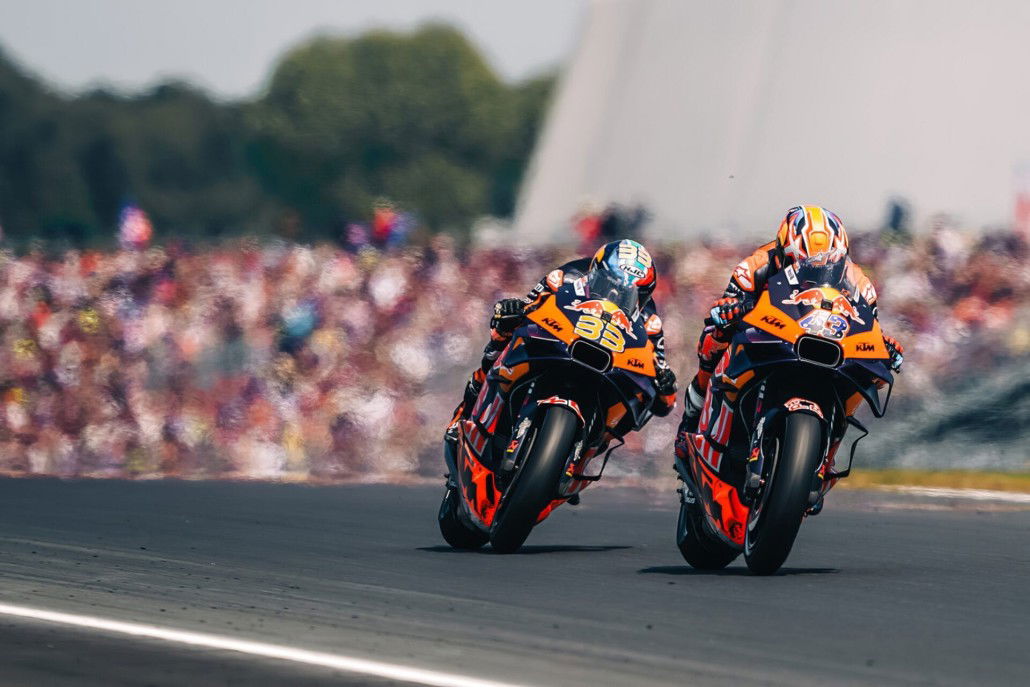
Jorge Martin, Bezzecchi’s teammate, rode from fifth on the grid to second place. After working his way past Marc Marquez and Fabio Di Giannantonio in the early stages, he was unable to close the gap to Bezzecchi decisively. Martin’s lap times averaged just under one and a half tenths behind his teammate, but the time lost in the overtaking maneuvers could not be recovered.
With the one-two finish, Aprilia took the lead in all three championship standings. Bezzecchi leads Martin by eleven points in the riders’ championship. Despite this, Aprilia boss Massimo Rivola struck a deliberately cautious tone. “Two race weekends don’t change Aprilia’s status,” he said. “There are still 40 races ahead of us, and everything can still change.” At the same time, Rivola emphasized the advantage of having four factory RS-GPs: four fast riders on four fast machines provide significantly more data and make it possible to identify and fix problems more quickly.
Ducati on the Back Foot
For Ducati, the weekend was a mixed bag. In the Saturday sprint, things looked very different: Marc Marquez won the short race convincingly, with Fabio Di Giannantonio finishing second. On Sunday, the picture reversed. The changed track conditions following the Moto2 and Moto3 races and the associated loss of grip appeared to affect Ducati more than the competition.
Marquez was initially in the fight for third place and overtook Di Giannantonio with four laps to go. But shortly afterwards, he hit the broken patch on the racing line in turn 11, briefly lost the front wheel and saved himself across the curb. “On the curb, I decided not to turn in hard because I knew ‘Diggia’ was right behind me,” Marquez explained. The decision to settle for fourth rather than risk a crash was ultimately the wiser one. Marquez admitted that he still doesn’t feel comfortable enough on the GP26 in the opening laps and needs to work on tire warm-up.
Di Giannantonio made the most of the situation and inherited third place after being consistently strong all weekend. He took pole position in the chaotic qualifying, was only denied the sprint win by a small mistake, and secured a podium finish on Sunday. In the internal Ducati battle, he clearly came out on top over his stablemate.
Francesco Bagnaia, on the other hand, had yet another disappointing weekend. The defending champion crashed out of the race on lap eleven while running in a podium position and has yet to finish on the podium after two Grands Prix. The rest of the Ducati contingent also had a lackluster weekend: Franco Morbidelli finished only twelfth, and Alex Marquez is still waiting for a top-five result.
KTM: Sobering Reality After the Thailand High
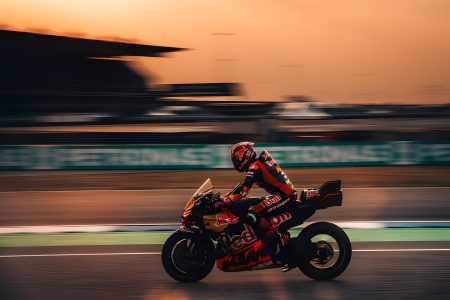
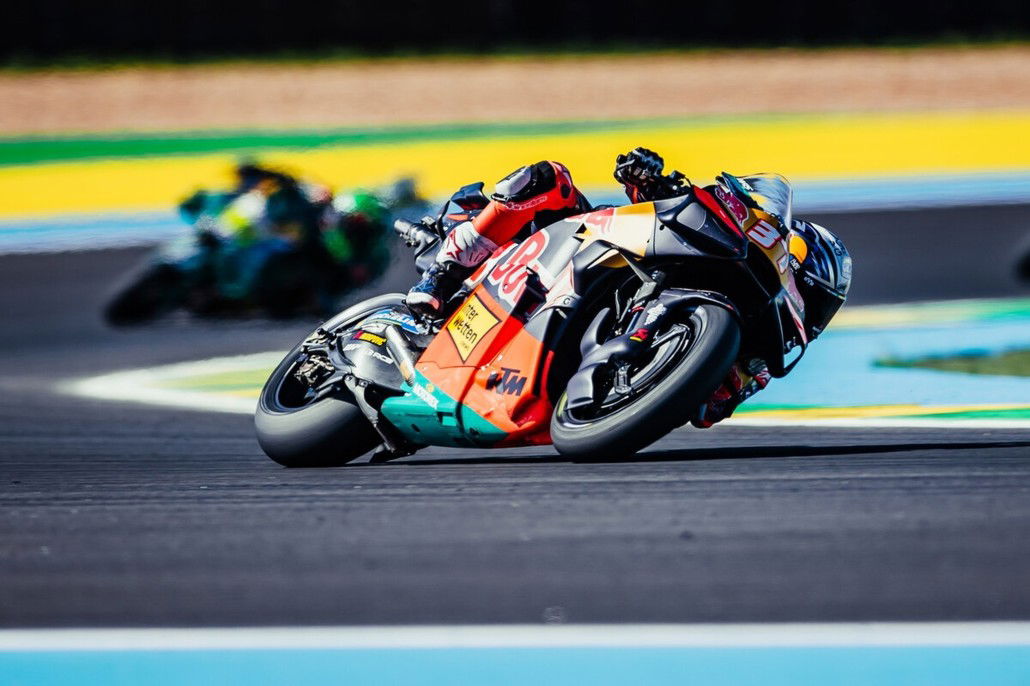
KTM arrived in Brazil with the momentum from Pedro Acosta’s sprint victory in Thailand, but little of that was evident in Goiania. Acosta qualified only ninth after an early crash in Q2, made no progress in the sprint, and finished the Grand Prix in seventh despite switching to the soft rear tire. He dropped to third in the championship standings, 22 points behind Bezzecchi.
More concerning than Acosta’s result was the form of the other three KTM riders. Brad Binder, one of the strongest KTM riders during the winter, found no solution all weekend and crashed out of the race early. Bastianini openly admitted that he couldn’t ride the bike properly, and setup changes brought no improvement.
The weekend was most difficult for Maverick Vinales. The Spaniard crashed out of the sprint and finished the race in 18th and last place, six seconds behind the next-placed Yamaha rider Razgatlioglu. After two weekends, Vinales has yet to score a single championship point.
Vinales and Lorenzo: Collaboration on Ice?
Vinales’ already difficult situation is compounded by reports of a cooling in his collaboration with coach Jorge Lorenzo. The three-time MotoGP world champion had announced after the 2025 season finale that he would support Vinales as a personal advisor. During the winter, the two trained intensively together, and Lorenzo made no secret of his ambitions: Vinales was to become KTM’s leading rider.
Lorenzo, however, was not present in Brazil and reportedly will also miss the next race in Austin. Vinales pointed to the team’s limited travel slots and the fact that Tech3 does not cover Lorenzo’s travel expenses. Asked whether the discussions about the collaboration bother him, Vinales replied: “Honestly, I don’t care what people say. I have very different, much more serious problems to solve.” He then pointed to his position on the results sheet.
Vinales admitted that he had pursued his own technical direction during the winter, which had looked promising in testing but had not worked at the race weekends. “The smartest thing, of course, is to ride like the others to have more data,” he conceded.
Yamaha Still Struggling with the Same Old Problem
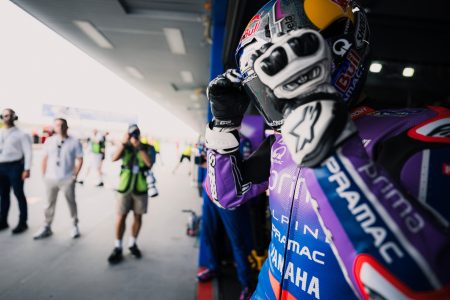
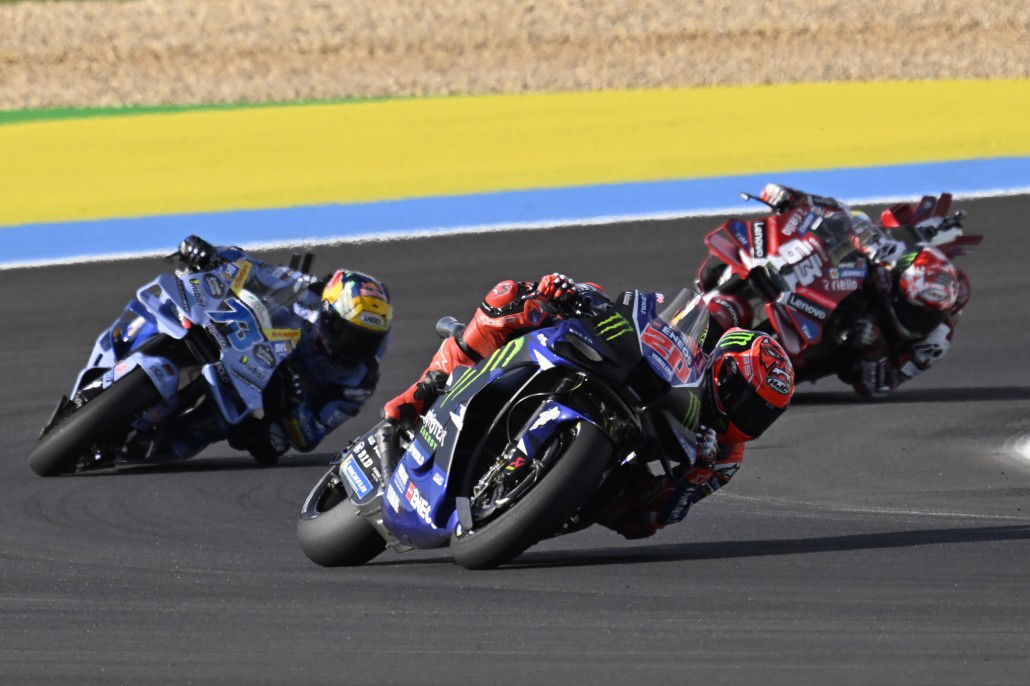
Little changed at Yamaha either. Razgatlioglu started Friday on a promising note under mixed conditions and made it into Q2 for the first time, but on the dry track on Saturday and Sunday, Yamaha’s familiar weakness returned. He qualified only twelfth and finished seventeenth in the Grand Prix.
The three-time Superbike world champion complained primarily about a lack of traction when accelerating out of corners. This problem has plagued Yamaha since the beginning of the Michelin era in 2016 and appears to remain unsolved in 2026. Razgatlioglu described the situation behind Fabio Quartararo as one where he could make up ground in many corners but lost time again every time under acceleration. Quartararo always had a clear advantage when getting on the gas.
As a small step forward, Razgatlioglu noted that he had worked on engine braking in Brazil and was happier with it than before. “I’m not happy because I almost finished last again,” he said. “But this weekend I learned a few things about engine braking.”
Between Enthusiasm and the Need for Improvement
The podium finishers defended the organizers despite all the problems. Bezzecchi praised the work that had been done in a short time and emphasized that a completely new surface, a new paddock, and new run-off areas cannot be perfect in a single weekend. Martin added that he only understood why the race had been shortened when he felt the stones hitting his fairing and body while riding behind Marquez and Di Giannantonio. “I think it was really important to race here in Brazil, and the organizers will surely make improvements for next season.”
Di Giannantonio pointed out that it is not easy for a country to reach MotoGP standards and praised both the circuit and the atmosphere. At the same time, it is clear that significant improvements are needed for next year: Marquez noted that the bumps grew progressively worse over the weekend, and several riders recommended scheduling the race outside the rainy season.
On the sporting side, MotoGP now heads to Austin, Texas, for the third round of the season with Aprilia leading the championship and a shifted balance of power. Whether the RS-GP can be as dominant on the fast corners of the Circuit of the Americas as it was in Thailand and Brazil will show just how serious Aprilia is about their title ambitions.


- Michelin Road 6 190/50ZR17 73W Sommerreifen



Redakteur bei Motorrad Nachrichten. Fokus auf Technik, Szene und Motorradpolitik – neutral, sachlich, verständlich.
Verantwortlich für die Seiten www.Motorcycles.News, www.Motorrad.Training und den YouTube-Kanal "Motorrad Nachrichten", sowie deren social Media-Seiten.