Development and presentation
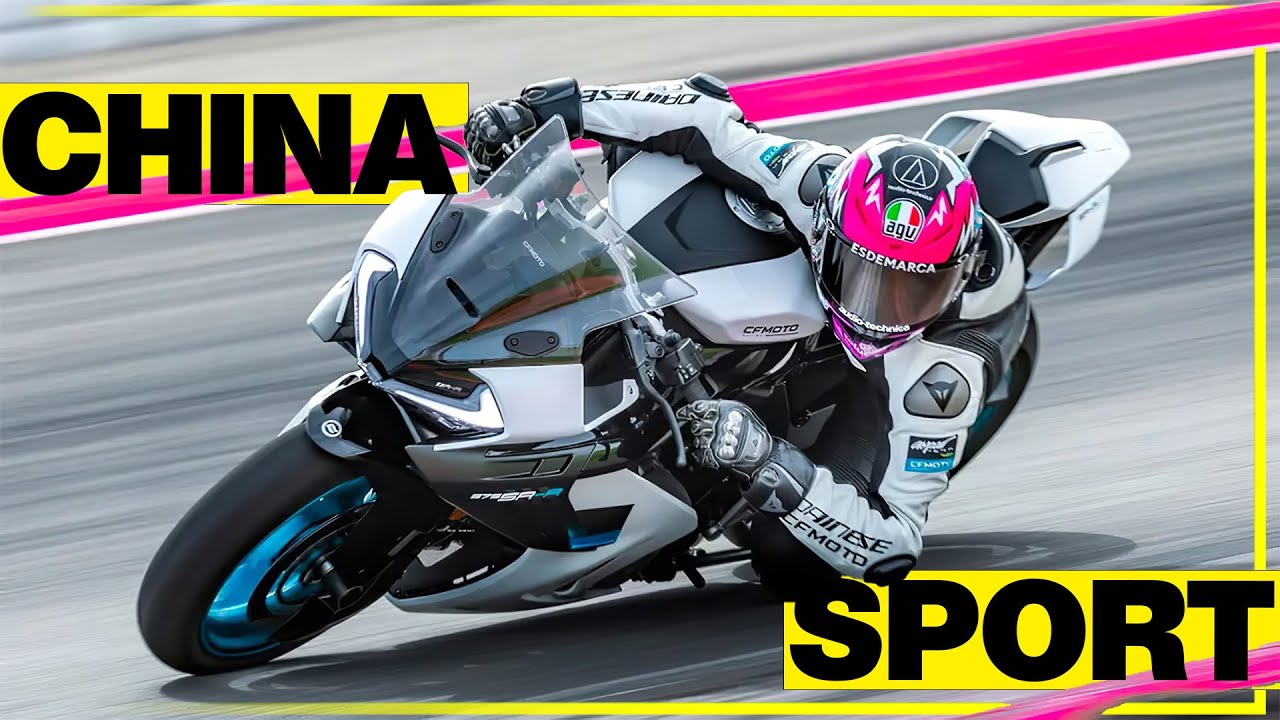
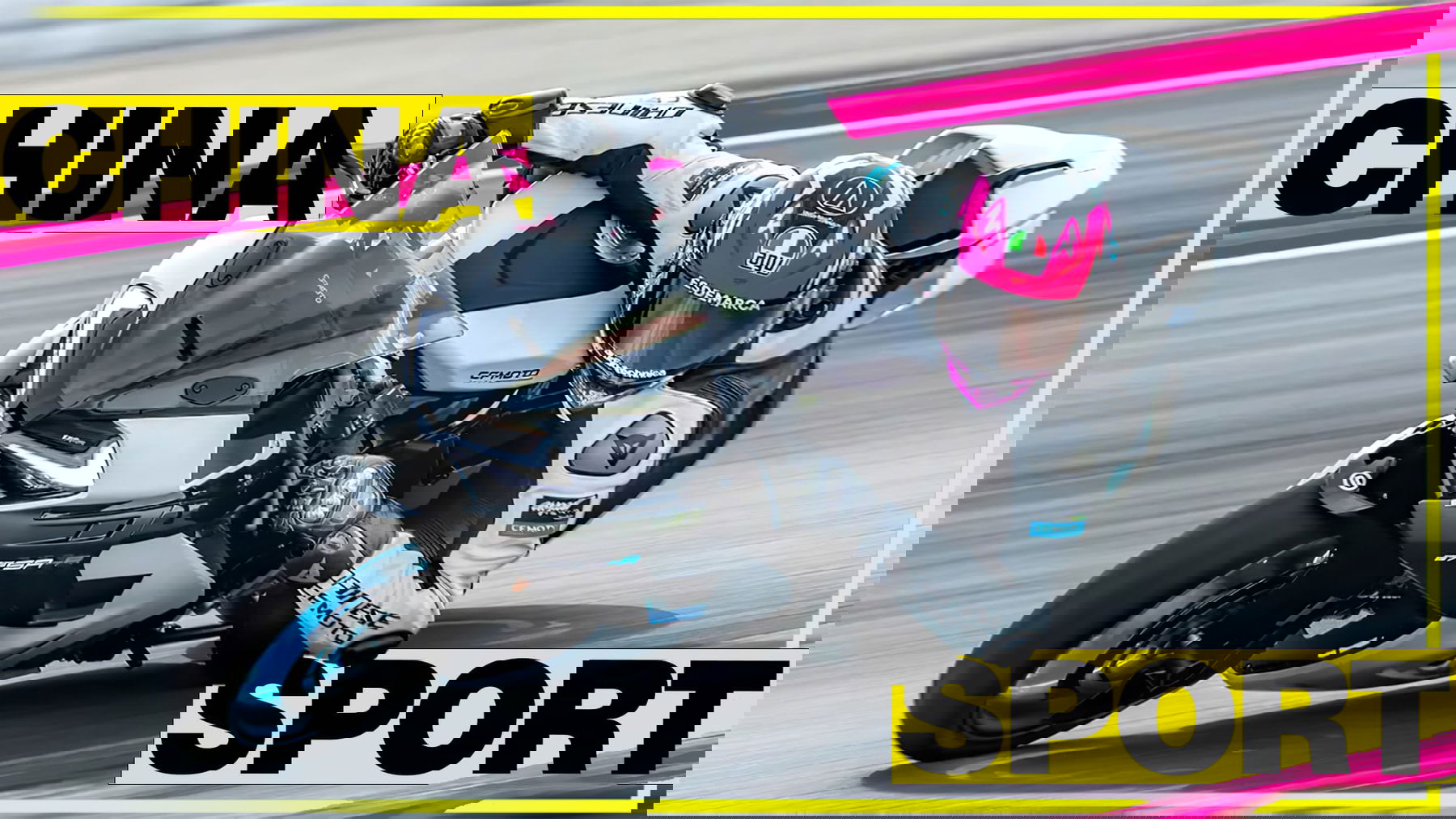
In the fall of 2023, CFMoto presented the 675 SR-R for the first time at an internal trade fair. At that time, the model was still heavily camouflaged and little information was revealed. In June 2024, the model finally received homologation in China. The three-cylinder engine of the 675 SR-R has a displacement of 675 cubic centimetres and delivers 70 kW (95 hp) at 11,000 rpm. The torque is 70 Nm at 8,250 rpm.
Technical details
The 675 SR-R weighs 194.5 kg (429 lbs) with a full tank and reaches a top speed of 219 km/h. The suspension consists of a USD fork at the front and a monoshock at the rear, both from KYB. The brake system comes from J-Juan and is equipped with 300 mm discs and 4-piston brake callipers at the front and a 240 mm disc and single-piston brake calliper at the rear. Air ducts support the cooling of the brakes. The tires are from CST, 120/70 at the front and 180/55 at the rear, both on 17-inch rims.
The 675 SR-R has comprehensive electronic equipment, which is controlled via a 5-inch TFT display with Bluetooth. The functions include a two-stage traction control system, a quick-shift system for fast upshifts and a lap time chronometer. A tire pressure monitoring system and the T-Box with OverTheAir (OTA) updates are available as options.
Design and equipment
The design of the 675 SR-R is futuristic and race-oriented. Characteristic features include the integrated wings on the front fairings and the striking Transbody Line, which extends from the seat to the front. The LED front light has an aggressive, L-shaped design, while the rear floating LED lights give a futuristic impression. The tank has a capacity of 15 liters and impresses with a combination of smooth surfaces and sharp lines. The side panels are equipped with air outlets to help cool the engine.
Market positioning and future
CFMoto is targeting the mid-range supersports market with the 675 SR-R. Models such as the Triumph Daytona 675 and the MV Agusta F3 have shown that there is a demand for high-performance sports motorcycles. The 675 SR-R could be an interesting alternative to established models such as the Kawasaki Ninja ZX-6R or the Honda CBR 600 RR.
Conclusion
The 675 SR-R from CFMoto offers a combination of technology, performance and design. The three-cylinder engine and comprehensive equipment make it an interesting model in the supersport category. The coming years will show how the 675 SR-R will perform on the market.
[amazon bestseller=”Motorrad Airbagweste” items=”3″ ]