- The minimum salary is to be anchored in the new five-year agreement (2027 to 2031)
- The regulation applies equally to all full-time riders and rookies
- Performance-based bonuses are not included and remain subject to individual negotiation
In the midst of the hot phase of the rider market for the 2027 MotoGP season, a rule change is emerging that could fundamentally alter the financial structure of the premier class. The manufacturers’ association MSMA (Motorcycle Sports Manufacturers Association) is meeting on Tuesday in Buriram, where the 2026 season opener takes place this weekend, to discuss a minimum salary clause for MotoGP riders. The corresponding provision is already included in the draft of the new commercial five-year agreement between MotoGP Sports Entertainment (formerly Dorna) and the teams, and according to information from Motorsport.com, it is in the final phase before ratification.
A Wide Salary Gap in the MotoGP Paddock
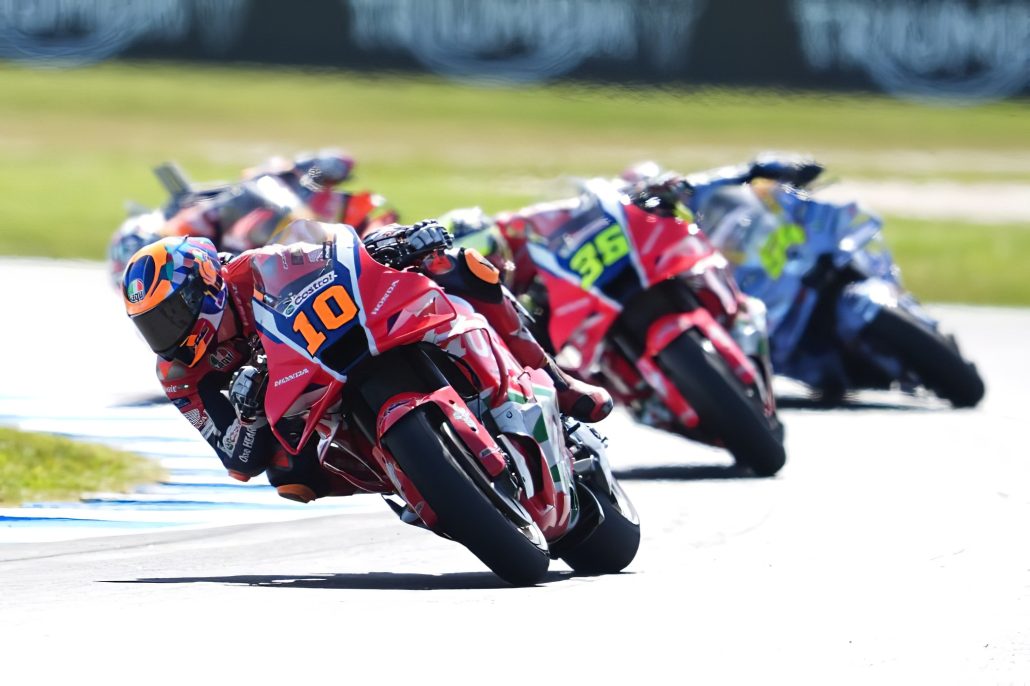
The background to this initiative is a growing income disparity within the MotoGP grid. While top riders like Marc Marquez and Fabio Quartararo earn base salaries of more than ten million euros (approximately $11.8 million) per season, other contracts have recently been at a level more reminiscent of Moto2 or Moto3. In some cases, riders reportedly earned less than €120,000 (approximately $141,600) per year. Some satellite riders allegedly received annual contracts worth only around €100,000 (approximately $118,000).
Fabio Quartararo, for example, rode in his MotoGP debut year 2019 with the then Petronas SRT team for a salary of just around €80,000 (approximately $94,400). While this may sound like a decent wage to ordinary people, it bears no relation to the risks and the financial investments riders must make on their way to the premier class.
Why €500,000 Is Not Absurd in a Multi-Million-Euro Business
The planned minimum salary of €500,000 (approximately $590,000) may seem surprising at first glance when the stars of the series simultaneously earn eight-figure sums. But the regulation is not aimed at the established stars, for whom manufacturers already outbid each other with generous offers. Rather, it is about the financial security of newcomers and less prominent riders in the field.
Two factors play a central role here. First, motorcycle racing is extremely cost-intensive. Families, sponsors, and federations must invest enormous sums in the junior classes on a rider’s path to MotoGP. For a single season, some parties spend amounts exceeding €200,000 (approximately $236,000) out of their own pockets. An entry-level salary of €80,000 in the premier class comes nowhere close to recouping these investments.
Second, motorcycle racing involves significant health risks. Riders put their health and, in the worst case, their lives on the line every time they compete. The case of young rider Carlos Tatay, who was left paralyzed after a serious accident and was even denied the FIM’s disability pension, illustrated this issue in a stark manner. Even without such tragic fates, riders must build up financial reserves during the relatively short span of their active careers to sustain themselves after their racing days are over.
Five-Year Agreement to Set the Commercial Framework Through 2031
The minimum salary clause is part of a comprehensive commercial agreement intended to establish the framework for MotoGP for the period from 2027 to 2031. Negotiations on this have been ongoing for some time between MotoGP Sports Entertainment and the teams. In addition to the minimum salary, further provisions of the new agreement will also be discussed in Buriram. There are also rumors that the manufacturers are seeking an agreement modeled on the Concorde Agreement from Formula 1 to strengthen their position in the new era under the umbrella of Liberty Media.
The proposed €500,000 is intended as a fixed base salary. Performance-related bonuses for victories, podium finishes, or specific championship placements are not included and remain a matter of negotiation between the respective rider and their team. The regulation is to apply without exception to all riders in the premier class, meaning both established full-time riders and rookies entering MotoGP for the first time.
A Long History: Riders’ Association Failed Over Funding Questions
The demand for a minimum salary in MotoGP is by no means new. In the past, riders had already discussed forming their own representative body to strengthen their position vis-à-vis the series organizers. Former French MotoGP rider Sylvain Guintoli was discussed as a potential spokesperson for such an association and had actively advocated for a minimum salary during negotiations.
The initiative ultimately failed, however, due to unresolved funding questions. In particular, it was unclear how Guintoli’s role as rider spokesperson would be financed. The initiative was subsequently not pursued further. With the minimum salary now being planned, a key concern of many riders could nonetheless become reality. The next logical step would then be to push for a basic financial safety net in the lower classes such as Moto2 and Moto3 as well. Despite years of discussions and hints, the founding of a genuine riders’ union still does not appear to be within reach.
What This Means for Me as a MotoGP Fan
At first glance, a minimum salary for riders changes nothing about the racing itself. The motorcycles won’t go faster, nor will the overtaking maneuvers become more spectacular. And yet this regulation has a tangible relevance for everyone who follows the sport. A financially better-secured rider field means that talented young riders are more likely to make the leap to MotoGP without taking an existential risk. This in turn could increase the quality and depth of the grid in the long term. Those who worry less about their own financial future can focus entirely on racing. For fans, this means, in the best case: more genuine competition, more riders on an equal footing, and fewer situations in which promising talents disappear from the premier class for purely economic reasons.


- S100 2367S100 2367, Kettenmax Kettenreiniger – 500 ml male