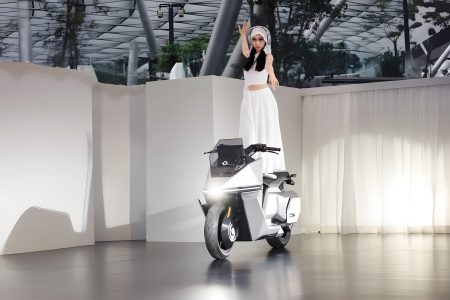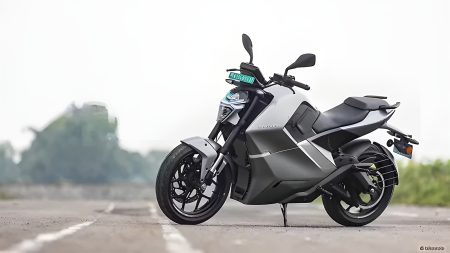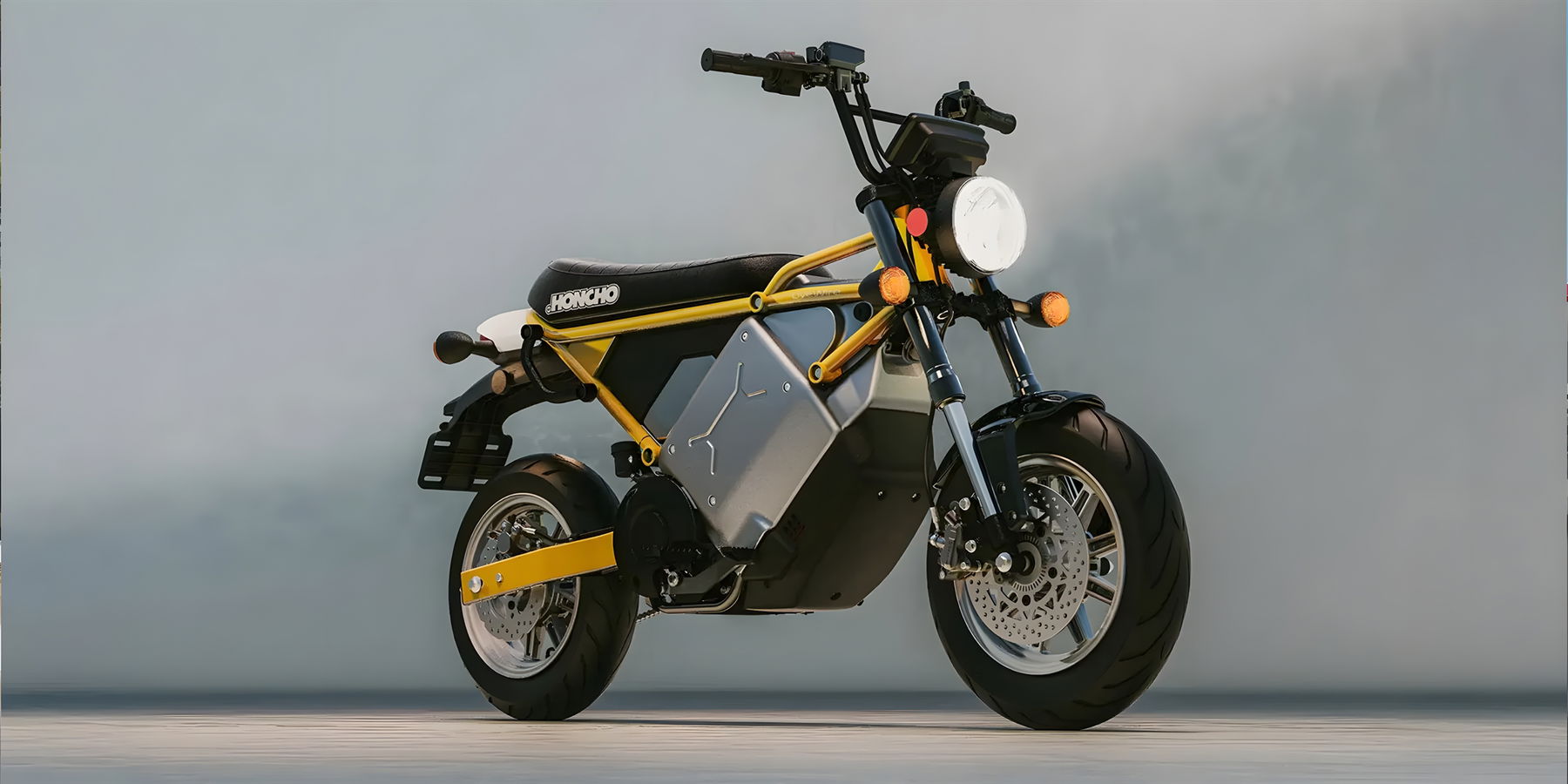
- The S4 Honcho is a 125 cc equivalent with two removable batteries
- Street version for road use, Trail version exclusively for off-road riding
- Production start scheduled for spring 2026, final pricing and specifications still pending
When you think of LiveWire, powerful, expensive electric motorcycles come to mind. Models like the LiveWire One or the S2 Del Mar deliver over 80 hp, accelerate from 0 to 60 mph in three seconds, and cost between $16,000 and $17,000. These are impressive machines that have earned consistently positive reviews. They just don’t sell particularly well.
From Niche to Mass Market
That is precisely the challenge LiveWire has been facing since its spin-off from Harley-Davidson in 2021. Heavy, high-performance electric motorcycles serve a niche within a niche. They are expensive, comparatively heavy (even the smaller S2 models weigh over 180 kg / 397 lbs), and target experienced riders willing to spend big on new technology. In North America, the market remains limited, and even in Europe, where electric two-wheelers generally see stronger adoption, sales volumes for large electric bikes remain low.
The S4 Honcho represents the most significant strategic shift in the brand’s young history. Rather than continuing to aim at superbike territory, LiveWire is targeting the lightweight, compact electric motorcycle segment. This is exactly the segment that has been growing steadily, driven by brands offering playful, nimble machines for urban commuting or light off-road use.
Two Versions for Different Use Cases
LiveWire first unveiled the S4 Honcho as a prototype in July 2025 at the HD Homecoming festival in Milwaukee. The surprise was considerable, as the manufacturer had originally intended the S4 platform for heavy motorcycles. Instead, the designation now refers to a compact mini-bike that will be available in two variants.
The Street version is designed for road use and comes equipped with all necessary components: headlight, taillight, turn signals, mirrors, license plate bracket, a TFT display, and additional controls on the left handlebar grip. In Europe, it is expected to be licensed for the A1 category, meaning riders as young as 16 could legally ride it. In the US, a standard motorcycle endorsement is sufficient.
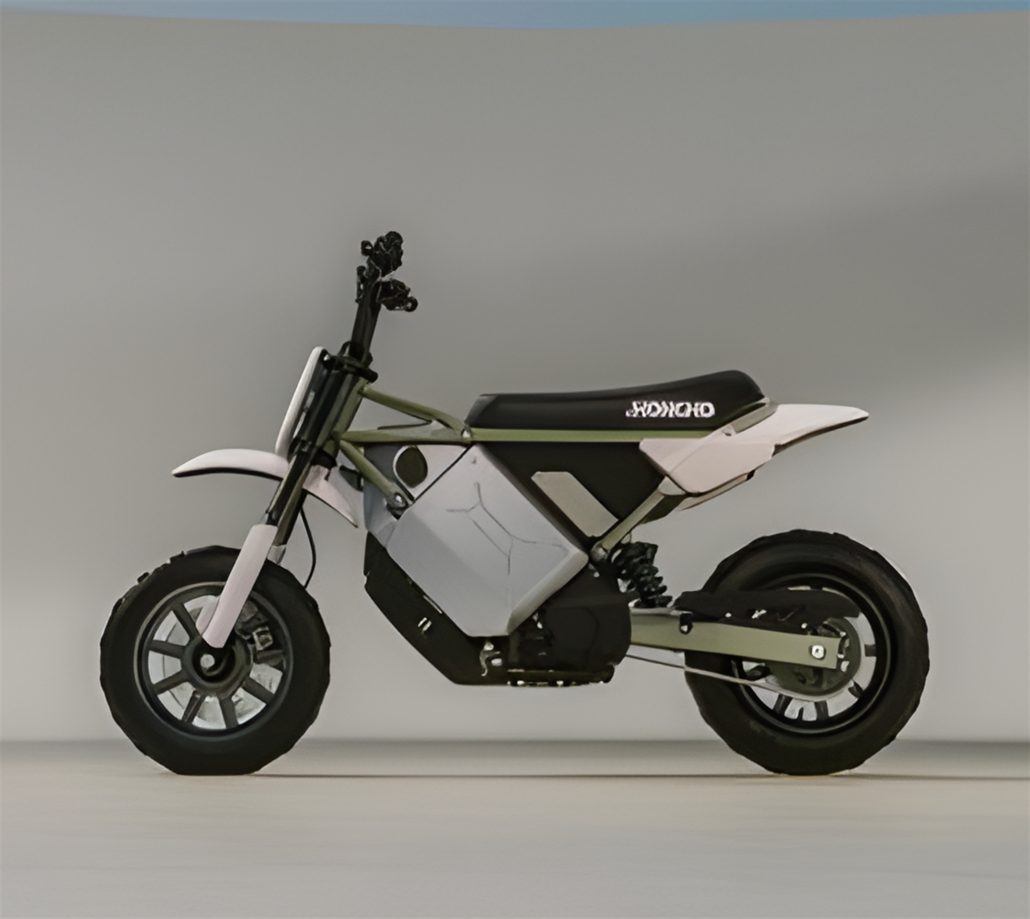
The Trail version forgoes road homologation entirely. There are no lights, mirrors, or instruments. Instead of a headlight, a number plate sits at the front. In return, it features knobby tires, off-road-specific suspension tuning, and increased ground clearance. LiveWire has also confirmed that the Trail version includes a reverse gear, which should prove helpful for tight turning maneuvers off-road. Since no license is required for purely off-road use, this opens up a broader range of applications. LiveWire’s marketing materials show hunters and anglers using the Honcho to quietly reach remote locations, a rather clever use case for the nearly silent electric drivetrain.
Technology: Simple Yet Thoughtfully Packaged
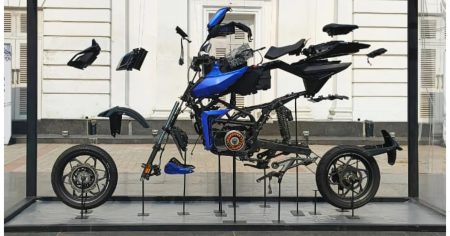
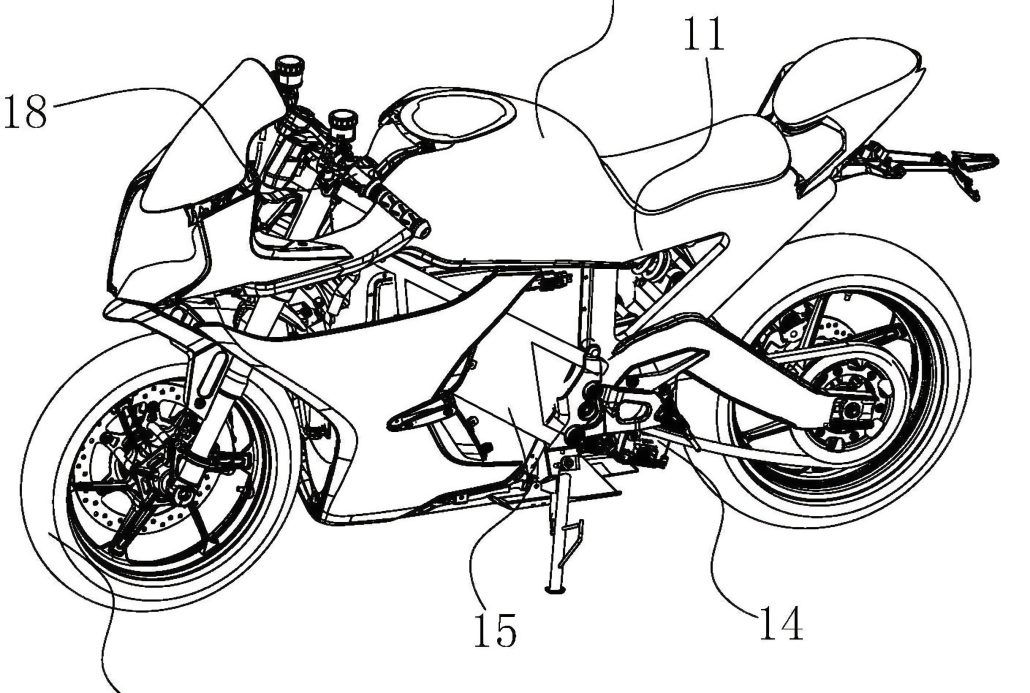
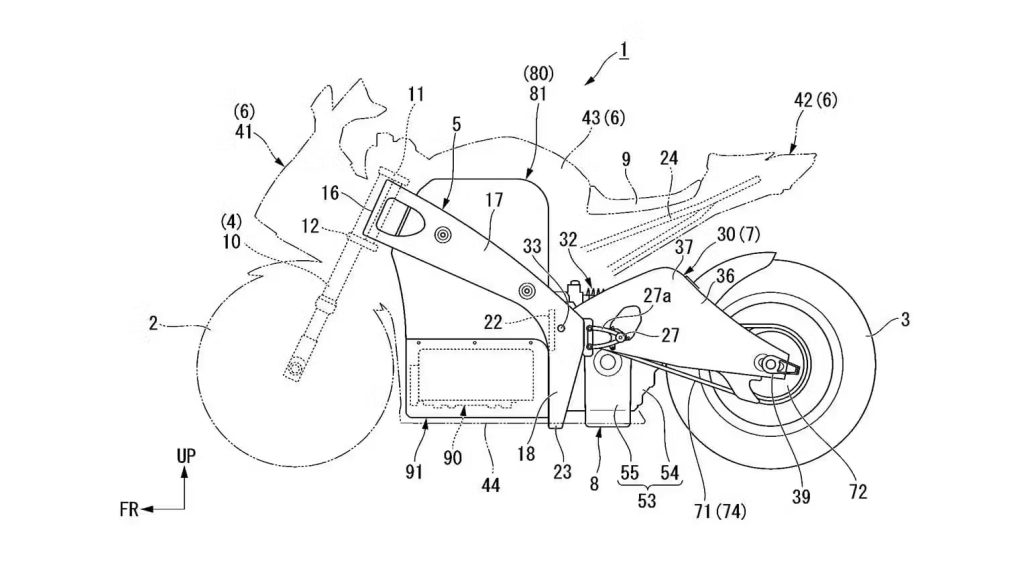
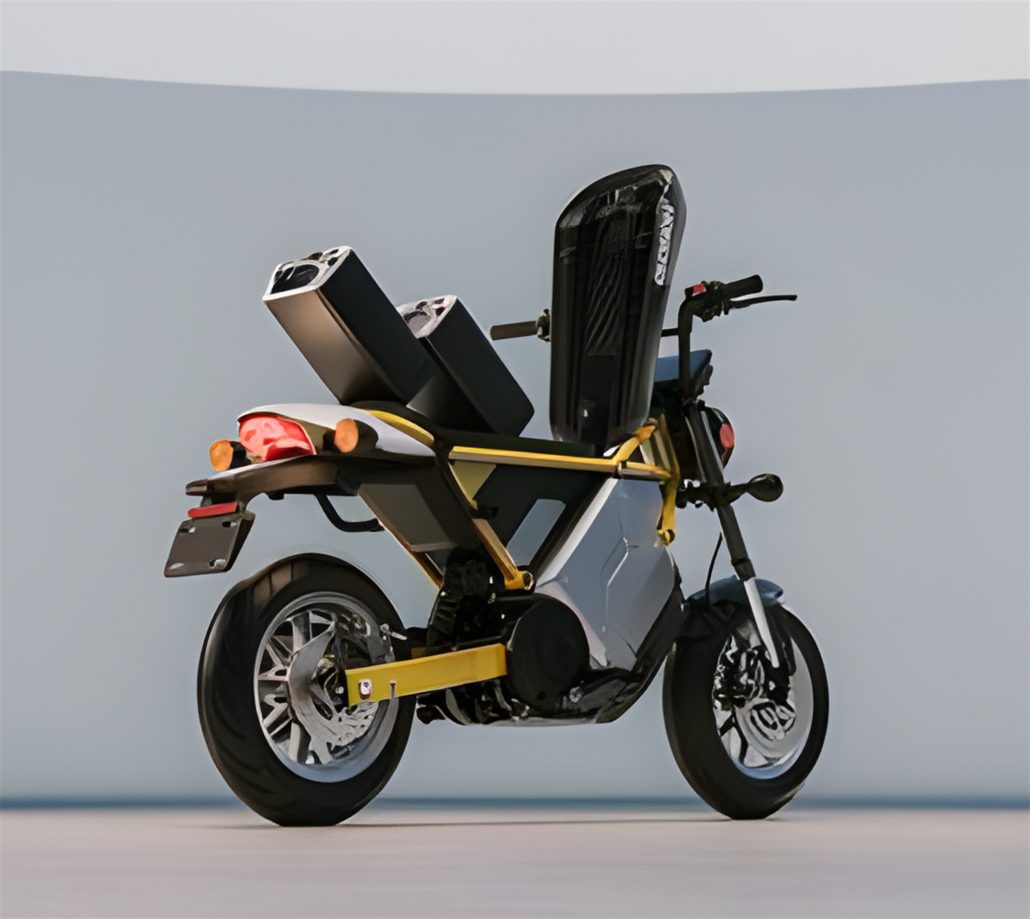
Both versions are built around a tubular frame with the battery pack mounted underneath. The electric motor sits below the battery and drives the rear wheel via chain. Arguably the most important feature is the dual removable battery system, housed beneath a flip-up seat. For city riders without access to a garage, this is a major advantage, as the batteries can simply be taken indoors for charging.
Observers have noted that the batteries bear a striking resemblance to KYMCO Ionex battery packs. Given the existing partnership between LiveWire and the Taiwanese manufacturer, this would make sense and could have positive implications for availability, serviceability, and cost.
Regarding the braking system, images suggest that only a single brake lever is present on the right handlebar grip, with no conventional foot brake. This indicates that LiveWire employs a Combined Braking System (CBS) that distributes braking force to both wheels through a single lever.
What Is Known About Performance Specs
LiveWire continues to keep technical specifications close to the vest. Official figures for power, torque, range, and charging times have not yet been released. What is known: both models are said to be comparable to 125 cc combustion engine motorcycles. Early prototype testing at HD Homecoming recorded speeds of approximately 85 km/h (53 mph) and a range of about 160 km (99 miles), though the range was likely measured at lower urban speeds.
Based on the 125 cc equivalency, industry observers estimate power output at roughly 11 to 15 hp (approximately 8 to 11 kW). Battery capacity is estimated at 1.6 to 2.0 kWh per pack, or 3.2 to 4.0 kWh total. The seat height on the prototypes measured just approximately 76 cm (30 inches), with wheels apparently measuring 12 inches.
Strategic Context: Why This Model Matters
The story behind the S4 designation is noteworthy in itself. When Harley-Davidson spun off LiveWire as a standalone brand, four product tiers were defined. The LiveWire One sat at the top, the S2 class represented middleweight models, S3 was designated for lightweights, and S4 was originally intended for heavy motorcycles with improved range and charging technology. The fact that the smallest and lightest models now carry the S4 badge shows just how fundamentally LiveWire has revised its product strategy.
The financial backdrop is also interesting. In August 2025, LiveWire received approval from the US Securities and Exchange Commission (SEC) to issue common stock worth up to $50 million. The fact that the company is developing new platforms despite persistently weak sales figures and cost-cutting measures could suggest an investor is on the horizon.
The name Honcho, incidentally, derives from the Japanese term 班長 (hanchō), meaning “group leader.” LiveWire filed the “S4 Honcho” trademark with the US Patent and Trademark Office on September 5, 2025, specifically for use with motorcycles.
Market Launch and Price Expectations
Production of both models is scheduled to begin in spring 2026. A specific delivery date or official price has not yet been announced. Industry observers expect the Honcho models to come in well below the $10,000 mark, potentially at less than half the cost of the current S2 models.
The question of distribution channels also remains open. Whether LiveWire will rely on its existing dealer network or push more toward direct sales could be decisive. Many potential buyers of this type of vehicle have never set foot in a motorcycle dealership.
Competition and Market Position
The segment in which the S4 Honcho will compete is currently dominated primarily by smaller, more agile manufacturers. Brands like Sur-Ron and Talaria sell compact electric bikes in large numbers, even though many of these vehicles are not street-legal. Their popularity, particularly among younger riders and young adults, demonstrates the enormous interest in small, fun-oriented electric two-wheelers.
Established motorcycle manufacturers have largely ignored this segment so far. Most have focused either on expensive flagship models or understated commuter vehicles. If LiveWire can find the right mix of price, performance, and street legality, backed by a nationwide dealer and service network, the S4 Honcho could offer a compelling entry point into the electric motorcycle world.
Whether LiveWire will achieve its hoped-for breakthrough with the Honcho, or whether buyers will ultimately opt for the significantly cheaper, albeit legally questionable alternatives, will become clear over the course of 2026. The S4 Honcho was first shown publicly at EICMA in Milan in November 2025, alongside a concept for the S2 Maxi Scooter, developed in collaboration with KYMCO on the existing S2 Arrow architecture and also slated for a 2026 market launch.


- Schuberth C5 schwarz 59 – Helme & Brillen – Motorradhelme


Dieser Artikel ist eine Gemeinschaftsarbeit der Redaktion.
Motorcycles.News berichtet tagesaktuell und unabhängig über die Motorrad- und Motorsportwelt. Von neuen Modellen über MotoGP bis hin zu Technik, Gesetzgebung und Szene-Themen — mehrfach täglich, zweisprachig auf Deutsch und Englisch. Ergänzt wird die Berichterstattung durch den YouTube-Kanal Motorrad Nachrichten mit über 80.000 Abonnenten.