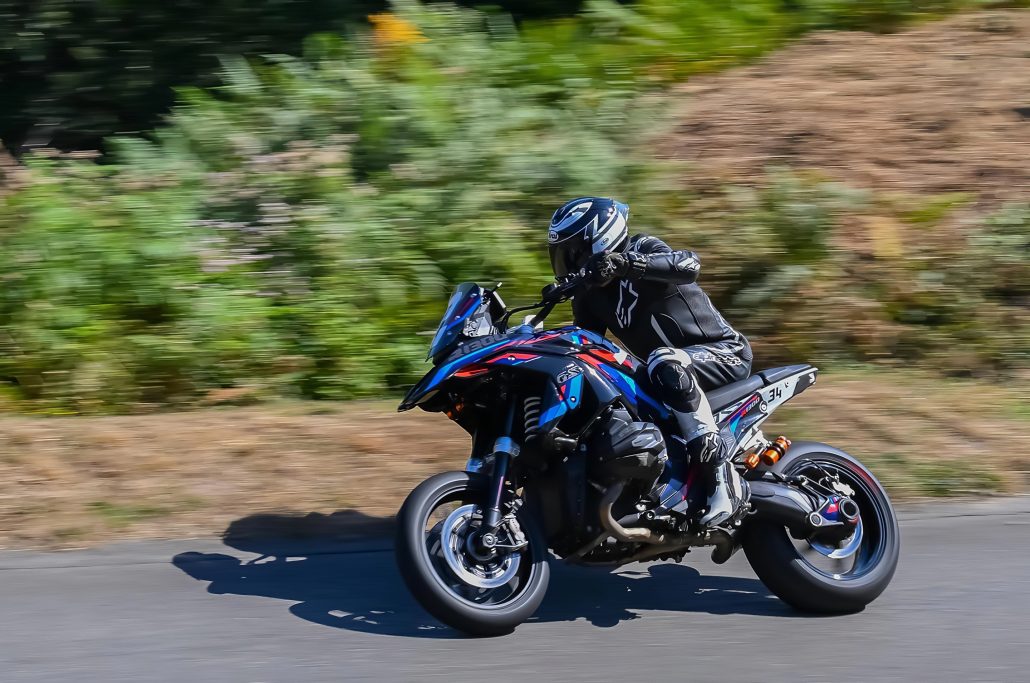
- Completely new front design with central headlight and possible radar
- Slimmer rear end and new side fairing in a sportier style
- Engine output unchanged: 125 kW (170 hp) and 148 kW (201 hp)
For six years, the face of the BMW S 1000 XR was a constant. Since the 2020 model year, the sporty crossover model from Munich looked at the road with its distinctive, squinting gaze. In 2024, the more powerful M 1000 XR joined the lineup and adopted the same appearance. Under the bodywork, the technology was continuously refined during this period, but the external appearance changed little. That is now set to change fundamentally. In Australia, BMW has re-homologated the entire four-cylinder range, revealing what is likely the upcoming design of the crossover models. The documents and photos submitted in the process point to a comprehensive facelift that could potentially hit the market as model year 2027.
New Front Section with Central Headlight
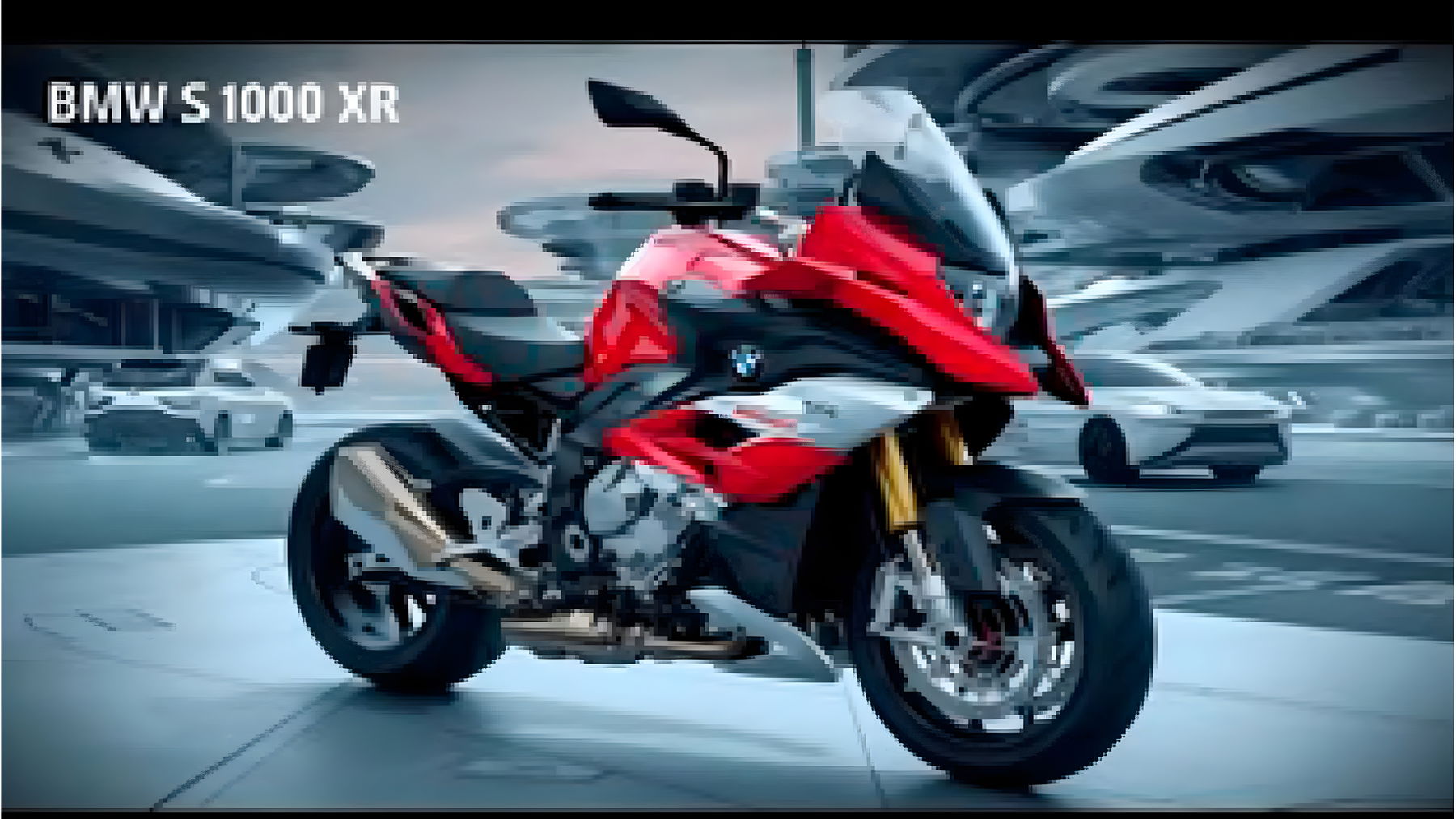
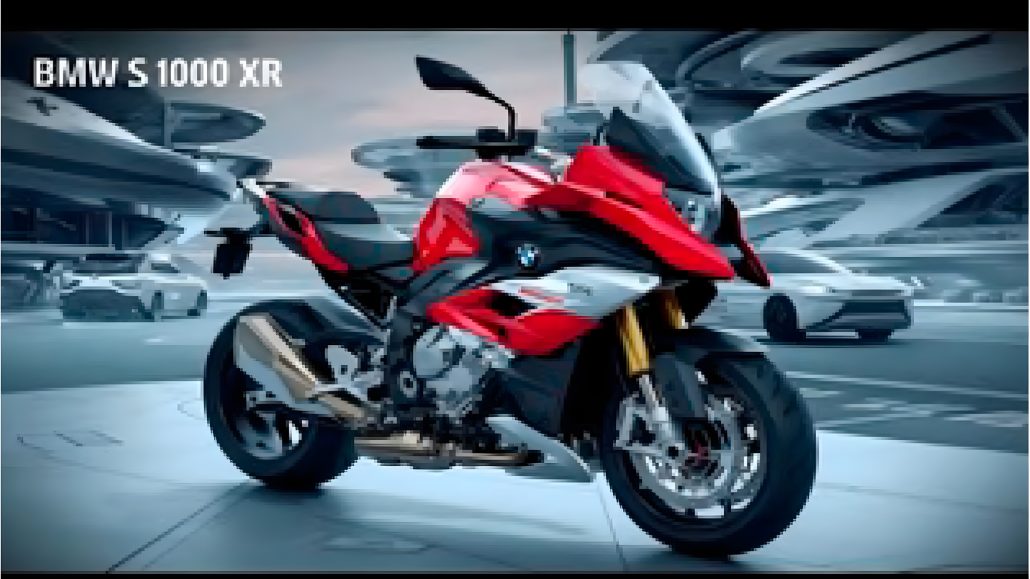
The most striking change concerns the front. The design known since 2020 with its narrow, aggressive-looking light units appears to be a thing of the past. According to the homologation images, it is being replaced by a large, centrally positioned headlight that sits between two elongated fairing nostrils. The result looks noticeably more restrained at first glance compared to the previous design.
Above the headlight, a surprisingly tall windscreen stands out. Together with the obviously more generously dimensioned fairing around the cockpit, the new front could offer noticeably better wind protection than before. Behind the windscreen, a surface is also visible that could be a radar emitter. Whether BMW has actually integrated a radar-based assistance system cannot be confirmed with certainty from the low-resolution homologation images.
Sportier Side Fairing
The upcoming XR generation also appears in new clothing from the side. The side fairing is reminiscent in its design of the fairings from the last two generations of the naked bike S 1000 R. It covers the cylinder head more extensively and extends further toward the seat area. Despite the greater coverage, the new fairing appears less bulky than the current model. BMW seems to be placing greater emphasis on the sporty element in the crossover concept.
Slimmer Rear Without Frame Cladding
The rear end also shows a significantly changed appearance. BMW apparently dispenses with the additional frame cladding that characterizes the current model. Instead, the bolt-on tubular subframe remains freely visible, supplemented only by a restyled tail section. This design decision makes the machine appear slimmer and emphasizes the sporty heritage of the series. The muffler appears noticeably larger in the homologation images than before. However, this is not an indication of more power, but is likely related to stricter emission regulations and the integration of new catalytic converter systems.
Familiar Performance Figures for S and M
Beneath the changed bodywork, nothing changes in terms of engine specifications. The S 1000 XR continues to produce 125 kW (170 hp) at 11,000 rpm from 999 cubic centimeters of displacement. The maximum torque is expected to remain at 114 Nm at 9,250 rpm. The inline-four still shares its base with the S 1000 RR supersport model.
According to the Australian documents, the M 1000 XR also delivers the familiar 148 kW (201 hp) at 12,750 rpm. Maximum torque is 113 Nm at 11,000 rpm. The M variant’s engine continues to use the ShiftCam system with a sliding intake camshaft, already known from the S 1000 RR. There are no surprises in terms of weight either: The S 1000 XR weighs 227 kilograms (approx. 500 lbs) according to the data, while the M 1000 XR comes in at 223 kilograms (approx. 491 lbs).
What the Current Generation Brings
The technical foundation of the XR models was already comprehensively revised with the 2024 model year. At that time, the S 1000 XR’s output increased by 4 kW (5 hp) to the current 125 kW (170 hp), achieved through flow-optimized intake port geometry and revised engine management. The riding geometry was reworked, the usable seat length and width were increased, and the seat height was raised by 10 millimeters to 850 millimeters. At the same time, the standard equipment was expanded: Headlight Pro with adaptive cornering light and daytime running light, Keyless Ride, a 12 Ah battery and a USB charging port have been standard ever since. The Shift Assistant Pro software was expanded with additional features, and M carbon wheels were available as an option for the first time.
The M 1000 XR arrived in 2024 as the third variant of the M family after the M 1000 RR and the M 1000 R. It uses the ShiftCam engine from the S 1000 RR with a modified tune, features a sport gearbox with shorter ratios in fourth, fifth and sixth gear, as well as a shorter secondary drive ratio. Acceleration from 0 to 100 km/h is claimed at 3.2 seconds. Winglets at the front generate approximately 12 kilograms (approx. 26.5 lbs) of downforce at 220 km/h. The brakes are supplied by Nissin and feature the blue M anodizing.
Market Launch and Pricing Still Open
So far, the facelifted BMW S 1000 XR and M 1000 XR are known exclusively through homologation data from Australia. An official presentation by BMW has yet to take place. Since BMW typically announces new model years as early as the summer of the previous year, the facelift models could be available from fall 2026 as model year 2027.
Current list prices in Germany are 19,690 euros (approx. 20,675 USD) for the S 1000 XR and 26,390 euros (approx. 27,710 USD) for the M 1000 XR. Whether these prices will also apply to the revised models was not known as of mid-March 2026.




Redakteur bei Motorrad Nachrichten. Fokus auf Technik, Szene und Motorradpolitik – neutral, sachlich, verständlich.
Verantwortlich für die Seiten www.Motorcycles.News, www.Motorrad.Training und den YouTube-Kanal "Motorrad Nachrichten", sowie deren social Media-Seiten.