- Price cuts of up to 2,010 euros on several models for the 2026 season start
- New Managing Director Daniel Schnell takes over on April 1, 2026
- 21 new models since 2021, approximately 200 dealers in Germany
Suzuki Germany is setting a new course at the beginning of the 2026 motorcycle season. After a difficult 2025, in which the Japanese manufacturer’s sales figures on the German market dropped significantly, a combination of price cuts, a broader model portfolio, and a stable dealer network is intended to pave the way back to former strength. On April 1, 2026, Daniel Schnell assumed the position of Managing Director at Suzuki Deutschland GmbH. The 50-year-old was previously deputy managing director and is now implementing a Europe-wide offensive, partially enabled by the currently low exchange rate of the Japanese yen against the euro.

Challenging Market Environment as a Starting Point
The German motorcycle market experienced a noticeable decline overall in 2025. By the end of November, according to industry figures, 95,190 motorcycles over 125 cc were newly registered, representing a decrease of approximately 29 percent compared to the previous year. A major reason was the special demand surge at the end of 2024, when dealers sold off their Euro 5 inventory before the Euro 5+ standard took effect on January 1, 2025, often with substantial discounts. Many buyers had brought forward their purchases, leading to a corresponding slump in 2025.
Suzuki was hit disproportionately hard. By the end of November 2025, the brand recorded only 3,086 new registrations, a decline of 43.6 percent compared to the previous year. In the full year 2024, Suzuki had still sold 5,475 units. With a market share of approximately 3.3 percent, the brand temporarily dropped out of the top 10 manufacturer rankings. Industry observers attributed this primarily to prices being too high. The GSX-8S, for example, achieved only 714 new registrations by November 2025, despite the 776 cc parallel twin with 83 hp (61 kW) being technically well-regarded. However, at a price of 9,400 euros, it was in direct competition with significantly more powerful models from other manufacturers. The new single-cylinder models DR-Z4S and DR-Z4SM also found few buyers at a recommended retail price of 9,699 euros.
Price Cuts as the Core of the New Strategy
Suzuki’s response now comes in the form of a broad-based price correction, which first became visible in Italy in early February 2026. There, prices dropped by 1,700 to over 2,600 euros depending on the model. Since the start of the 2026 season, the adjusted prices also apply in Germany.
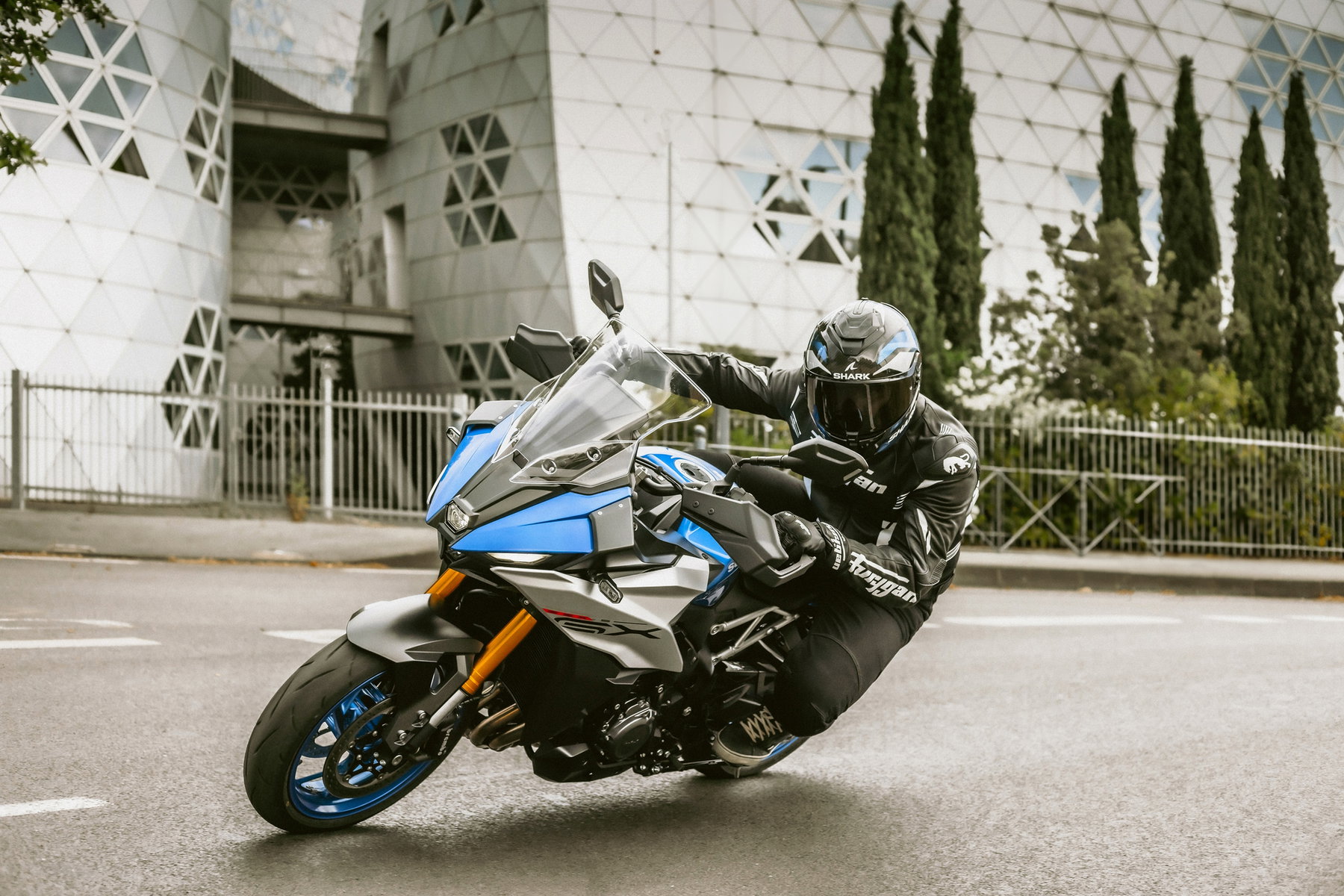
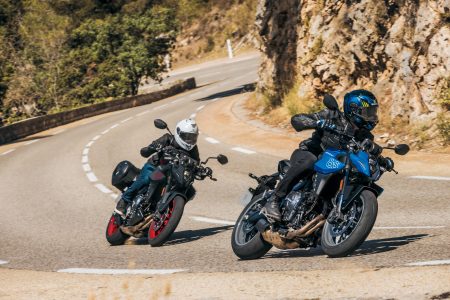
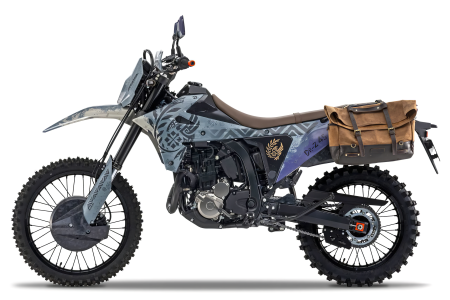
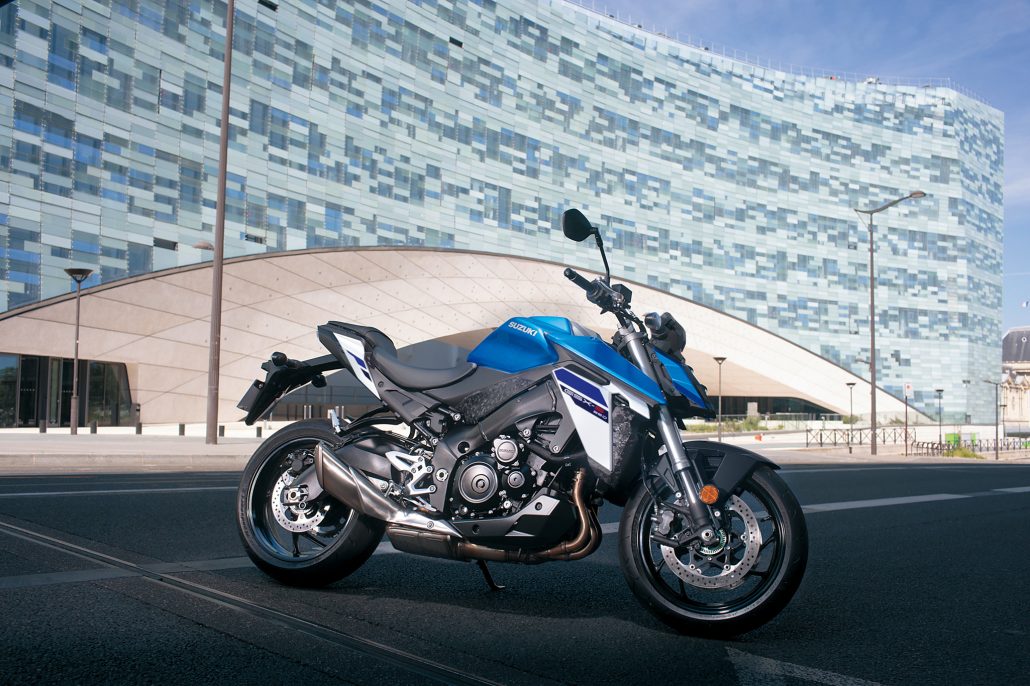
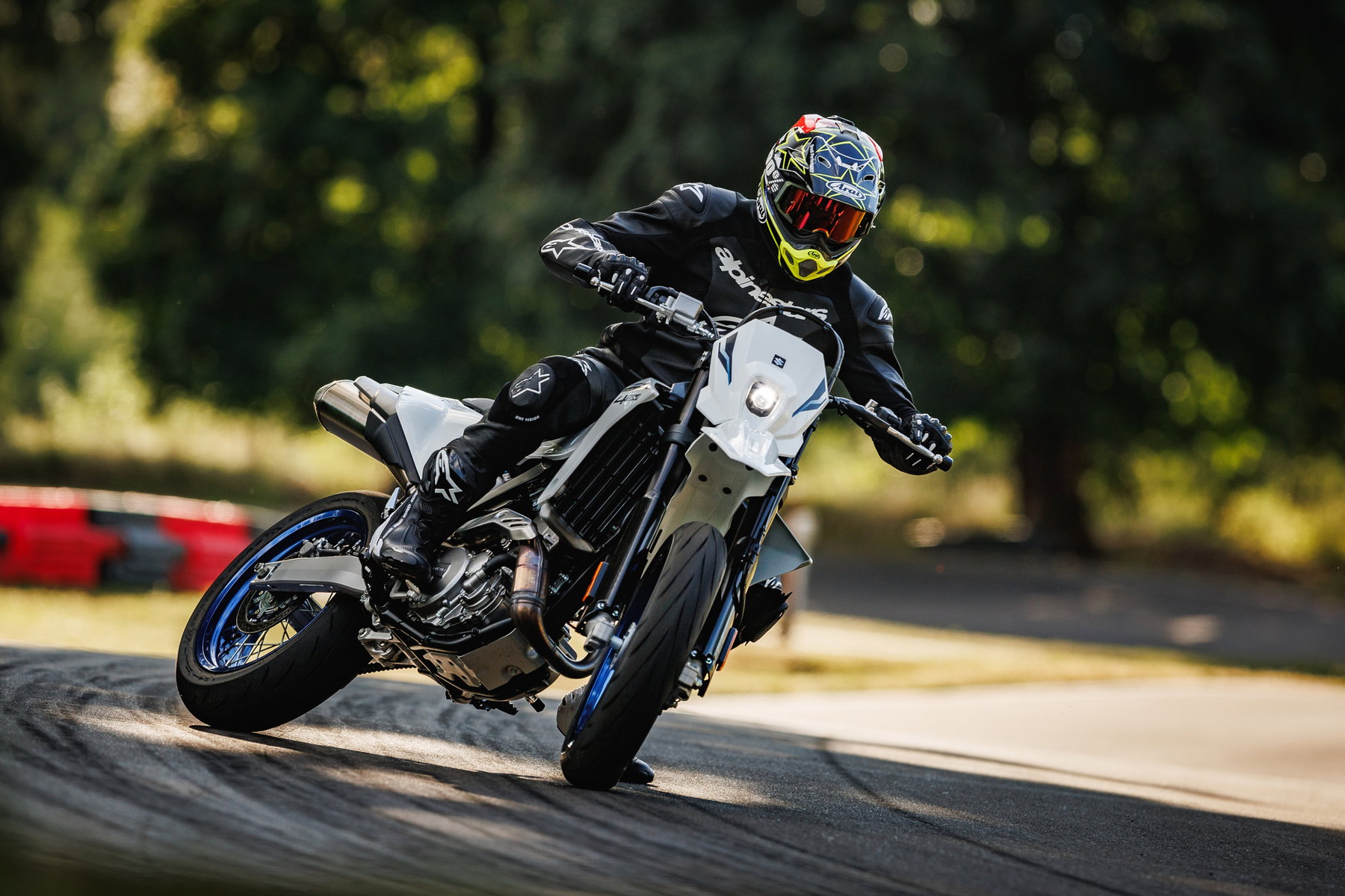
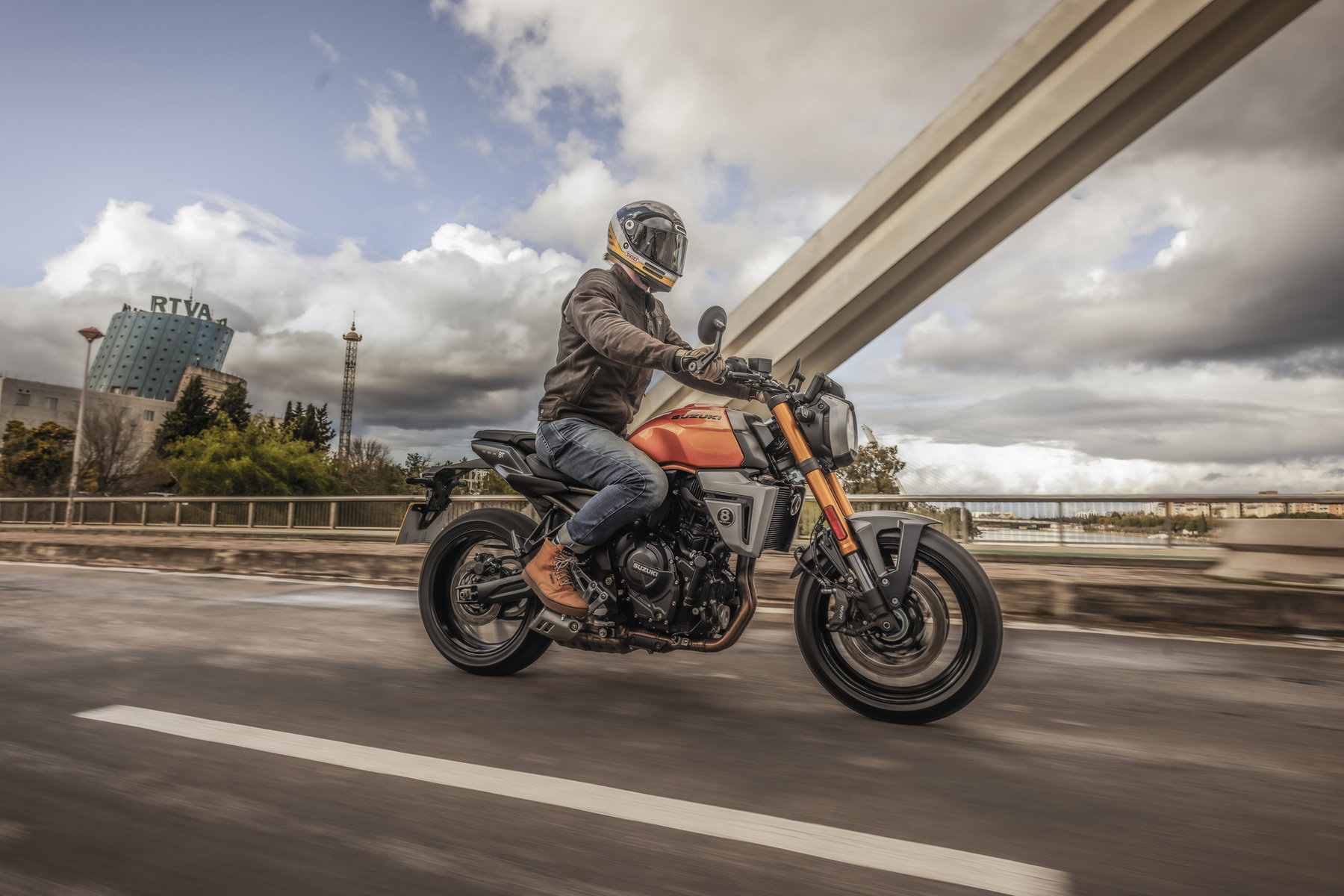
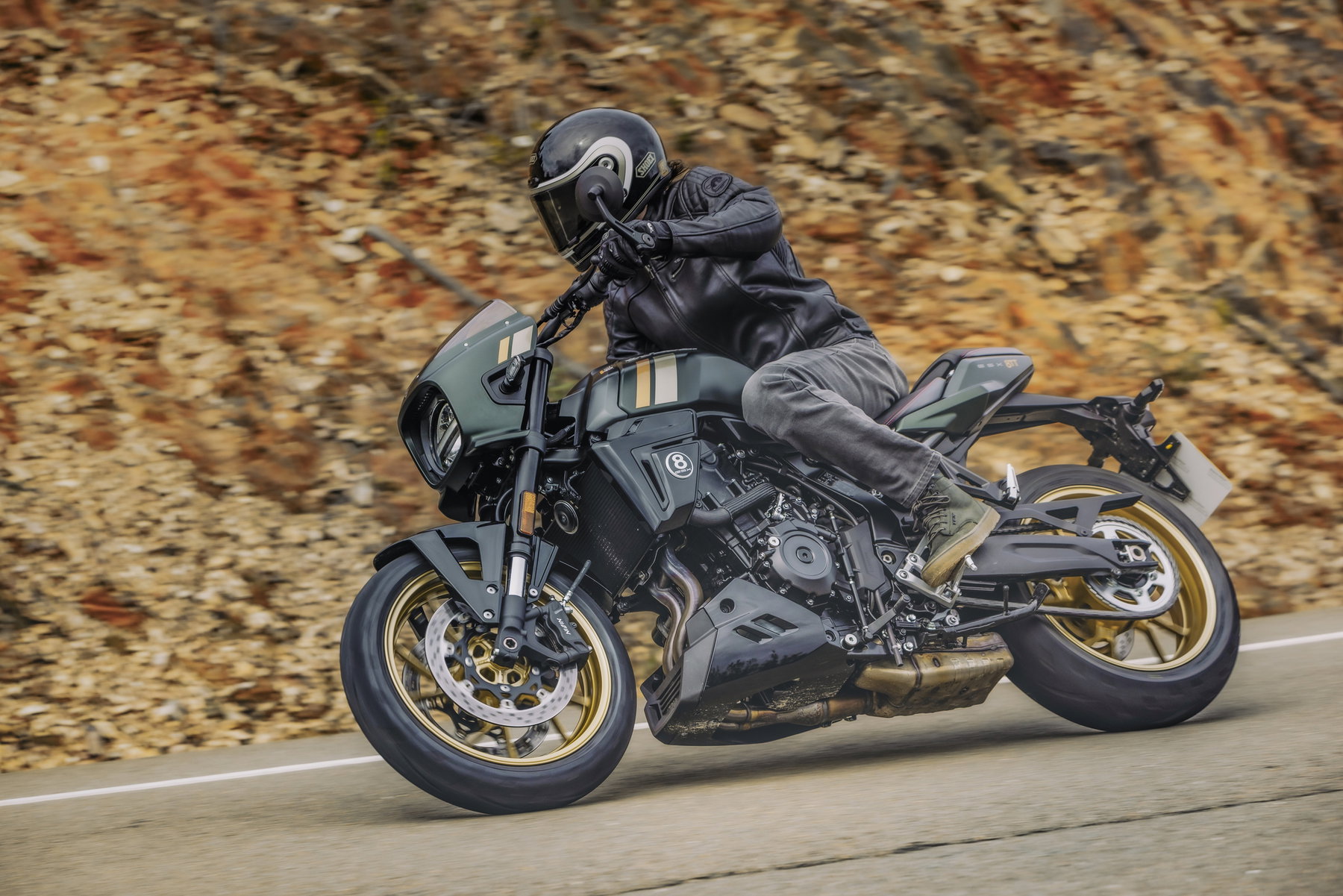
Here is an overview of the specific new prices for the German market: The DR-Z4S enduro and the DR-Z4SM supermoto now cost 8,999 euros instead of the previous 9,699 euros, a reduction of 700 euros. For the neo-retro models GSX-8T and GSX-8TT, which are positioned as homages to classic Suzuki models with modern technology, the recommended retail price is now 9,699 euros and 9,999 euros respectively. Previously, 10,990 euros and 11,590 euros had been charged, representing a reduction of approximately 1,300 to 1,600 euros. The most striking adjustment concerns the crossover model GSX-S1000GX, which combines the K5 inline four-cylinder with electronic suspension and comprehensive rider assistance systems. Here, the price dropped by a full 2,010 euros from 17,600 euros to 15,590 euros. Additional models such as the V-Strom 800DE and the GSX-8S had already been price-adjusted at the model year changeover.
For its prestige models, however, Suzuki maintains the current price level. The Hayabusa, which also in 2026 features its 1,340 cc inline four-cylinder with 190 hp (140 kW) and 150 Nm of torque, and this year for the first time receives an ELIIY Power lithium-ion battery, continues to start at around 18,800 euros depending on the variant.
The Goal: 10,000 Motorcycles per Year
Daniel Schnell has clearly stated the goal: 10,000 motorcycles sold per year and at least five percent market share in Germany. Compared to the roughly 3,500 units sold in 2025, this would amount to nearly a tripling. “Our motorcycle portfolio is more diversified than ever before. Thanks to the ongoing model offensive, we serve an increasing number of segments,” said Schnell. He speaks of repositioning many Suzuki models in time for the new season to address the development of the competitive German market. This adjusted strategy makes him optimistic that together with the dealerships, the stated goal can be achieved swiftly.
The price offensive is not a solo effort by the German sales subsidiary but a Europe-wide coordinated measure to recapture market share. According to industry information, the significant price reductions are partly enabled by the currently low exchange rate of the Japanese yen against the euro.
21 New Models in Five Years
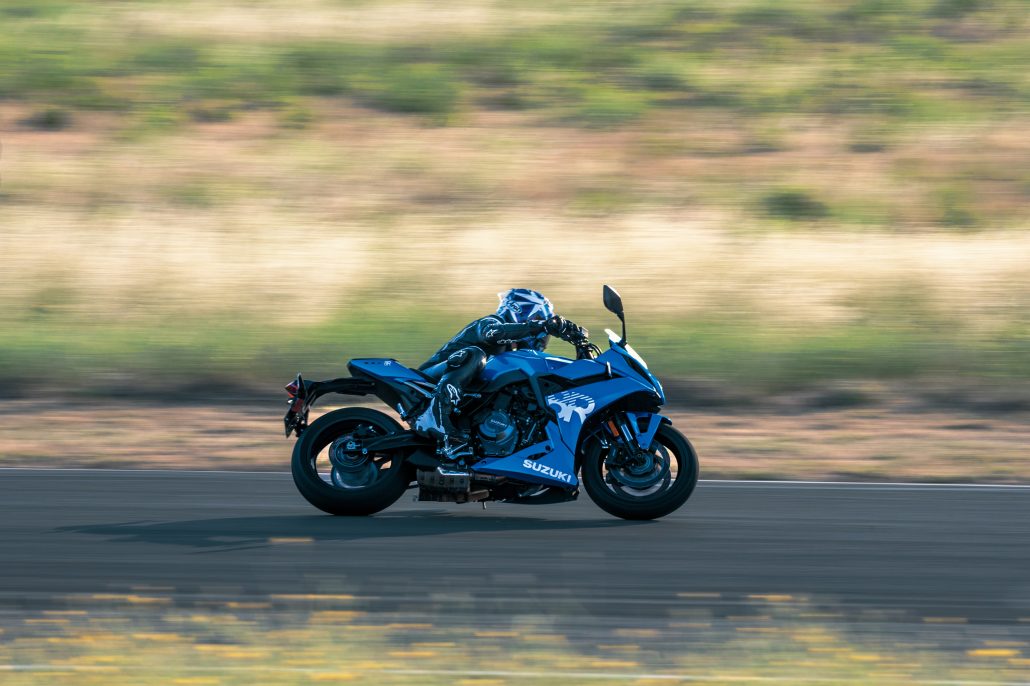
In addition to the pricing strategy, Suzuki points to the breadth of its current portfolio. Since 2021, the manufacturer has brought 21 new motorcycle models to the German market. The current generation of the Hayabusa led the way in 2021. This was followed by, among others, the 776 cc platform with the parallel twin engine, on which several models are now based, including the GSX-8S, GSX-8R, GSX-8T, and GSX-8TT. The latter two each deliver 83 hp (61 kW) at 78 Nm of torque.
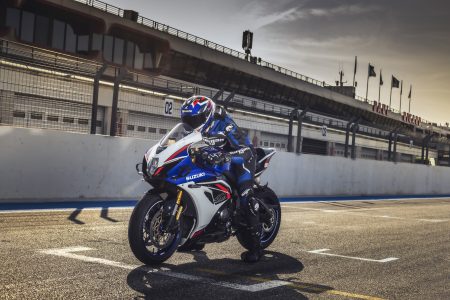
For 2026, two particularly noteworthy new models are also on the horizon. The GSX-R1000R returns as a “40th Anniversary Edition” to the European market, after the supersport bike had to be removed from the European program in 2023 due to emissions regulations. The anniversary edition features a revised, Euro 5+ compliant four-cylinder sport engine with 195 hp (144 kW) and 110 Nm of torque. Ready to ride, the machine weighs 203 kg (448 lbs). The price for Germany is set at 19,990 euros.
With the SV-7GX, a new crossover tourer also celebrated its world premiere at the end of 2025. Rather than using the new parallel twin from the GSX-8 family, it relies on a further developed version of the proven 645 cc V-twin that has been in use for over 25 years and in more than 500,000 motorcycles. In its current specification, it produces 73 hp (54 kW) at 8,500 rpm and 64 Nm at 6,800 rpm. The price and exact market launch date for Germany have not yet been announced.
Suzuki also offers various Edition models for the 2026 season. The Power Edition includes models with an Akrapovic titanium slip-on exhaust that saves up to 2.2 kg of weight depending on the model and releases up to 1.8 kW of additional power in certain rev ranges. The Touring Edition targets travel-oriented riders with lockable side cases and enduro footpegs. A Travel Edition supplements the off-road capabilities of individual models.
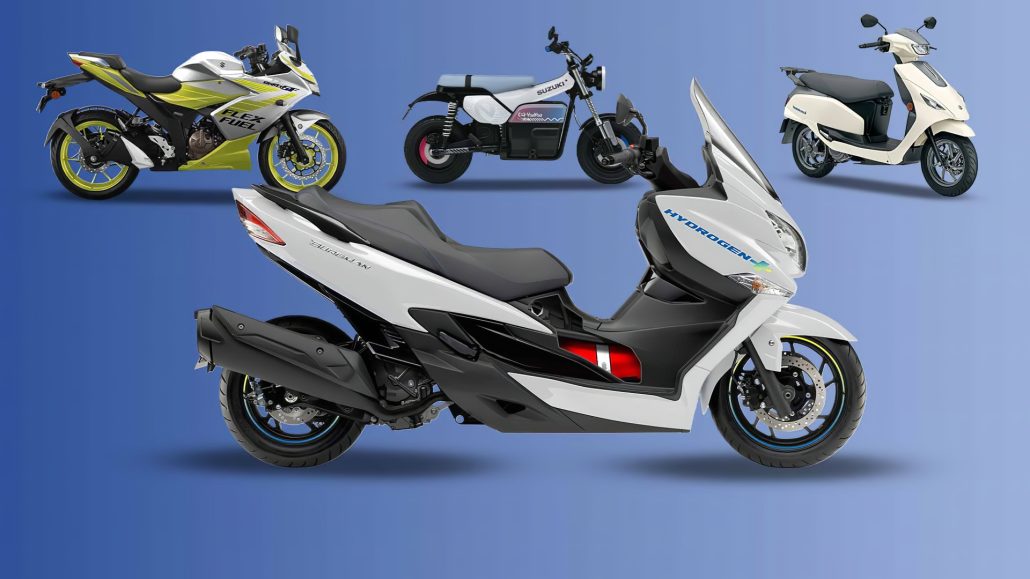
In the scooter segment, the Burgman 400 maxi-scooter with its 400 cc DOHC engine in Euro 5+ specification complements the portfolio. The e-Address, a battery-electric scooter, is also expected to expand the European model range shortly. Its electric motor produces 4.1 kW (5.6 hp) at 15 Nm of torque and is powered by a lithium iron phosphate battery with 60 Ah capacity, which is expected to enable a range of up to 80 kilometers according to WMTC Class 1.
Dealer Network as a Second Pillar
In addition to prices and products, Suzuki relies on its sales network as a third pillar of its strategy. The number of Suzuki motorcycle dealers in Germany has remained stable at approximately 200 for several years. Among them are numerous new dealerships that have gradually strengthened the network recently. The nationwide presence is intended to ensure that potential customers can find a Suzuki dealer within reach in as many regions as possible.
A Look at the Past Shows the Potential
That Suzuki can not only achieve but even far exceed its self-set goals is demonstrated by a look at the brand’s history in Germany. Under the leadership of Bert Poensgen, who joined Suzuki in 1979 and became sales director in 1983, the brand consistently focused on strong value for money. From 1992 to 1996, Suzuki was the best-selling motorcycle brand in Germany with approximately 30,000 units sold annually and market shares exceeding 20 percent. This success was driven by the GSX-R series, the Bandit range, and the DR enduros. Poensgen retired in 2009 and passed away in 2017 shortly before his 70th birthday.
The new strategy under Daniel Schnell appears to deliberately echo that era: competitive prices, a broad model portfolio, and a dense dealer network as the foundation for growth. Whether the plan succeeds in what remains a challenging market environment will be revealed in the coming months.
Frequently Asked Questions
-
How much does the 2026 Suzuki DR-Z4S cost in Germany?
The Suzuki DR-Z4S is available since the start of the 2026 season at a recommended retail price of 8,999 euros. The previous price was 9,699 euros. The supermoto variant DR-Z4SM is offered at the same price.
-
How much horsepower does the Suzuki GSX-R1000R 40th Anniversary Edition have?
The GSX-R1000R 40th Anniversary Edition produces 195 hp (144 kW) from its revised Euro 5+ compliant four-cylinder sport engine. Maximum torque is 110 Nm. The price in Germany is 19,990 euros.
-
What is Suzuki’s market share in Germany?
Suzuki had a market share of approximately 3.3 percent in motorcycle registrations in Germany in 2025. The stated goal of the new management is at least five percent, which would correspond to approximately 10,000 motorcycles sold per year.
-
How many Suzuki dealers are there in Germany?
Suzuki has a stable network of approximately 200 motorcycle dealers in Germany. The network has recently been gradually expanded through the addition of new dealerships.
-
How much does the 2026 Suzuki GSX-S1000GX cost?
The Suzuki GSX-S1000GX is available since the 2026 season at a price of 15,590 euros. The previous recommended retail price was 17,600 euros, representing a reduction of 2,010 euros.
- Cardo 671065-00/001-0-StckCardo Packtalk Pro Kommunikationssystem Singlebox 1 Gerät