- Josef Honeder will be responsible for the entire technical development of all new BMW motorcycle models from June 2026
- The engineer brings over 20 years of experience within the BMW Group, most recently in powertrain and fuel supply systems
- Predecessor Christof Lischka leaves BMW after nearly seven years at the helm of motorcycle development
BMW Motorrad is facing a leadership change that is likely to be far more than a routine personnel decision. Josef Honeder, previously responsible for the development of powertrain and fuel supply systems within the BMW Group, will take over as head of motorcycle development on June 1, 2026. He will thus assume responsibility for the entire technical conception, engineering, testing and further development of all new motorcycle models from the brand. The appointment of a proven powertrain specialist comes at a time when the motorcycle industry is increasingly grappling with stricter emission standards, electrification and alternative propulsion concepts.
Who Is Josef Honeder?
Josef Honeder is a mechanical engineer who has held various leadership positions within the BMW Group for more than two decades. His focus areas have been in overall vehicle development and the powertrain sector. Most recently, he led the development of powertrain and fuel supply systems — precisely the area that is gaining importance in light of increasingly strict emission regulations and the debate surrounding alternative fuels.
Honeder is no stranger to BMW Motorrad. Between 2011 and 2013, he was already responsible for various development tasks in the two-wheeler division. According to BMW, the father is also a long-time and passionate motorcycle rider. With his new position, he thus combines his professional career with his personal enthusiasm for motorcycles.
BMW Motorrad CEO Markus Flasch contextualized the personnel decision: “BMW Motorrad has demonstrated a unique product offensive in recent years. I am very pleased that we have been able to appoint an experienced development expert in Josef Honeder, who will enrich BMW Motorrad with his comprehensive knowledge across the entire field of vehicle development.”
What Did Christof Lischka Achieve at BMW Motorrad?
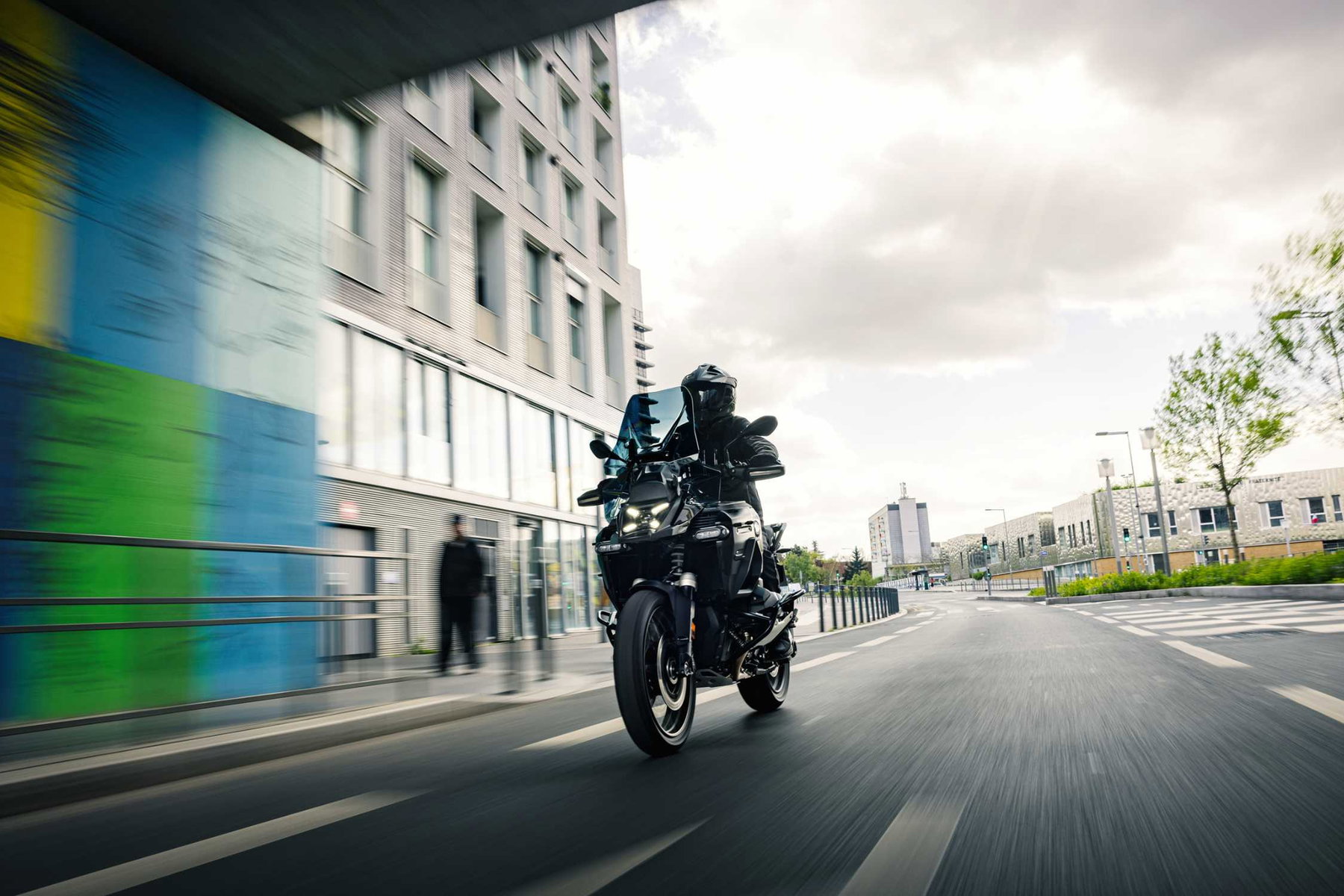
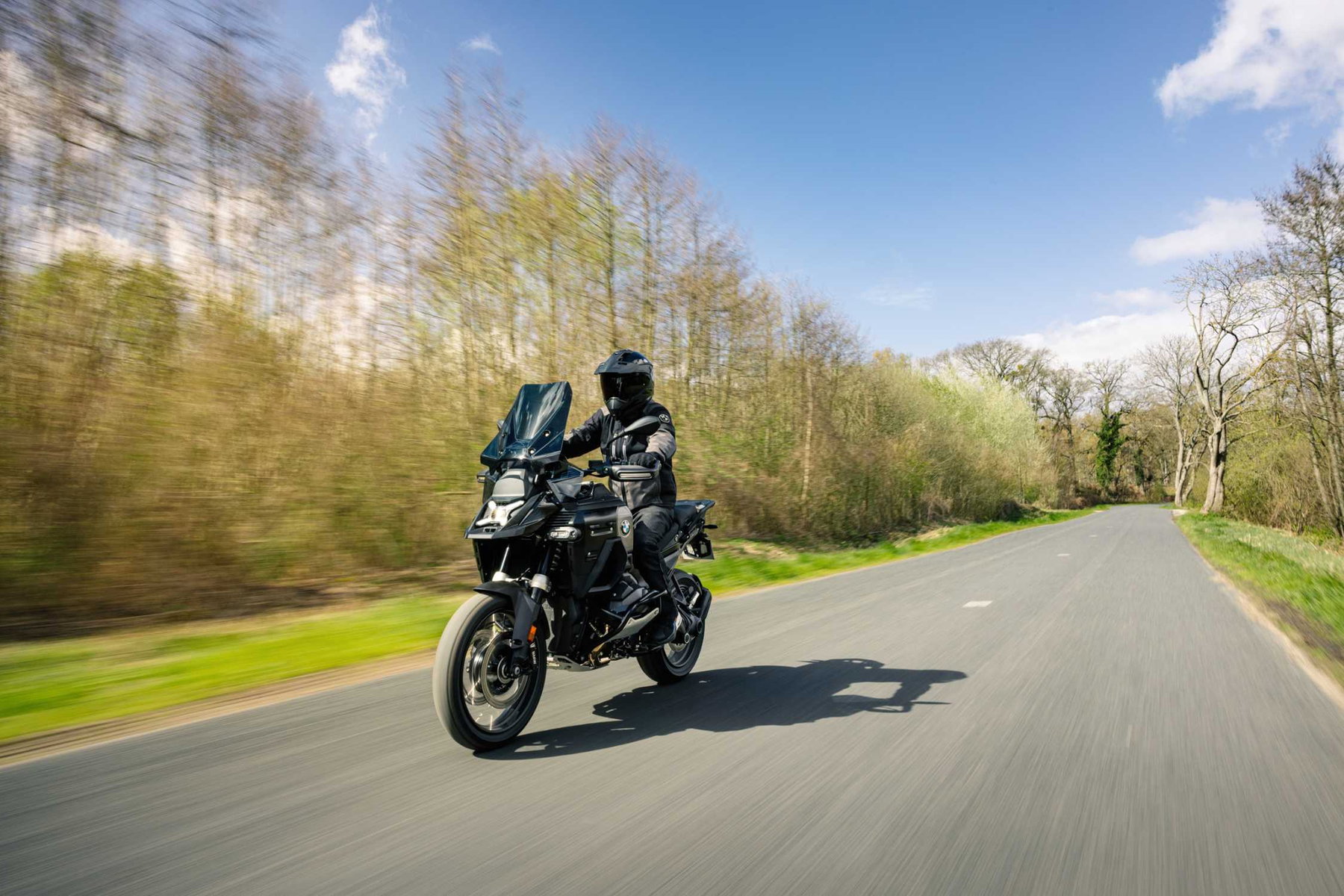
Christof Lischka had taken over as head of development on August 1, 2019, and was thus responsible for the technical direction of the brand for nearly seven years. He succeeded Karl Viktor Schaller, who had retired. Under Lischka’s leadership, BMW Motorrad brought a series of successful models to market, including the current BMW R 1300 GS, the BMW R 1300 GS Adventure, the BMW F 900 GS, the BMW F 900 GS Adventure, the BMW F 800 GS, and the BMW F 450 GS announced for the near future.
Lischka’s era was particularly characterized by a sportier and more off-road-oriented approach across the entire GS lineup. The models received more powerful engines, more advanced electronics and improved suspension systems. For the BMW R 1300 GS, the legendary boxer engine was completely redesigned. Lischka himself was not only an engineer but also an experienced enduro and motocross rider. He began racing BMX at the age of eight, later moved on to motocross and enduro, and distinguished himself as the winner of “Accept no Limits” and runner-up in “Master of Dirt.” He also successfully completed the demanding “Roof of Africa” rally twice, in 2003 and 2018.
Lischka is leaving the BMW Group at the end of May 2026 at his own request, according to company statements. BMW did not provide details about the specific reasons or his future plans.
Why Is BMW Betting on a Powertrain Specialist?
The appointment of an expert in powertrain and fuel supply systems as head of development is no coincidence. The motorcycle industry is facing a transformation that is likely to gain momentum in the coming years. Stricter European emission standards are putting increasing pressure on the limits of conventional combustion engines. At the same time, major manufacturers are investing in electrification, hybrid concepts and alternative fuels.
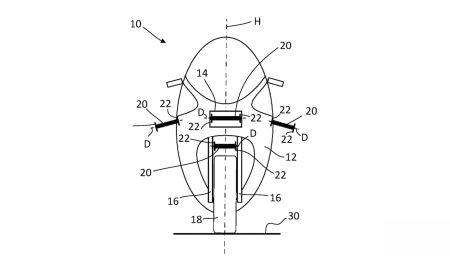
BMW Motorrad has already demonstrated with the CE 04 that the company takes electric mobility on two wheels seriously. There are also patents and concept studies pointing to rider assistance systems, radar technology and connected vehicle architectures. At the same time, BMW knows that its core customer base continues to expect large, combustion-powered touring and adventure machines with long range and plenty of torque. The challenge therefore lies in reconciling performance targets with stricter emission requirements while preserving the brand’s identity.
A head of development with Honeder’s profile could address precisely this intersection. His background in powertrain development suggests that BMW wants to set the course for more efficient engine concepts, smart engine management systems and possibly hybrid solutions — without abandoning the brand’s DNA. The profile of his predecessor Lischka, who as an enduro rider and off-road expert had driven the sporty orientation, was the right fit for the past years. For the next phase of motorcycle development, BMW now appears to be deliberately focusing on technological depth in the powertrain area.
What Does the Change Mean for BMW’s Motorcycle Product Range?
BMW Motorrad is in the midst of an ongoing product offensive. In recent years, numerous models have been revised or completely redesigned. The pace is likely to continue under Honeder. The question is in which direction the technology will evolve.
The largest boxer engines cannot be infinitely optimized further as emission limits tighten. At the same time, many riders continue to expect the characteristic running behavior of the boxer engine from a BMW GS — the typical side-to-side rocking at idle. Over the past decade, BMW has faced the task of integrating ever more electronics and assistance systems into its models without losing the character of the machines. With Josef Honeder at the helm of development, this balancing act is now likely to shift increasingly toward the powertrain itself.
In the context of BMW Motorrad’s 2026 new models, the personnel decision fits into a series of strategic decisions. The appointment of a powertrain expert as head of development signals that BMW intends to advance the next generation of its motorcycles not only in terms of electronics and chassis, but specifically at the heart of every motorcycle: the engine and its interaction with future fuel and propulsion technologies.
Frequently Asked Questions
-
Who is the new head of development at BMW Motorrad?
Josef Honeder takes over as head of development at BMW Motorrad on June 1, 2026. He is a mechanical engineer with over 20 years of experience at the BMW Group, most recently responsible for the development of powertrain and fuel supply systems.
-
Why is Christof Lischka leaving BMW Motorrad?
Christof Lischka is leaving the BMW Group at the end of May 2026 at his own request. The company did not provide details about the specific reasons or his future career plans. Under his leadership, models such as the BMW R 1300 GS and the BMW F 450 GS were developed.
-
What changes with the new BMW Motorrad head of development?
With Josef Honeder, BMW is placing a powertrain specialist at the helm of motorcycle development. This suggests that in the coming years, the brand will increasingly focus on more efficient engine concepts, alternative propulsion technologies and compliance with stricter emission regulations.
-
Does Josef Honeder have motorcycle experience?
Yes, Honeder was already responsible for various development tasks at BMW Motorrad from 2011 to 2013. According to BMW, he is also a long-time passionate motorcycle rider who now combines his professional expertise with his personal enthusiasm.