
- Autoliv’s new airbag design encloses the rider’s upper body and head
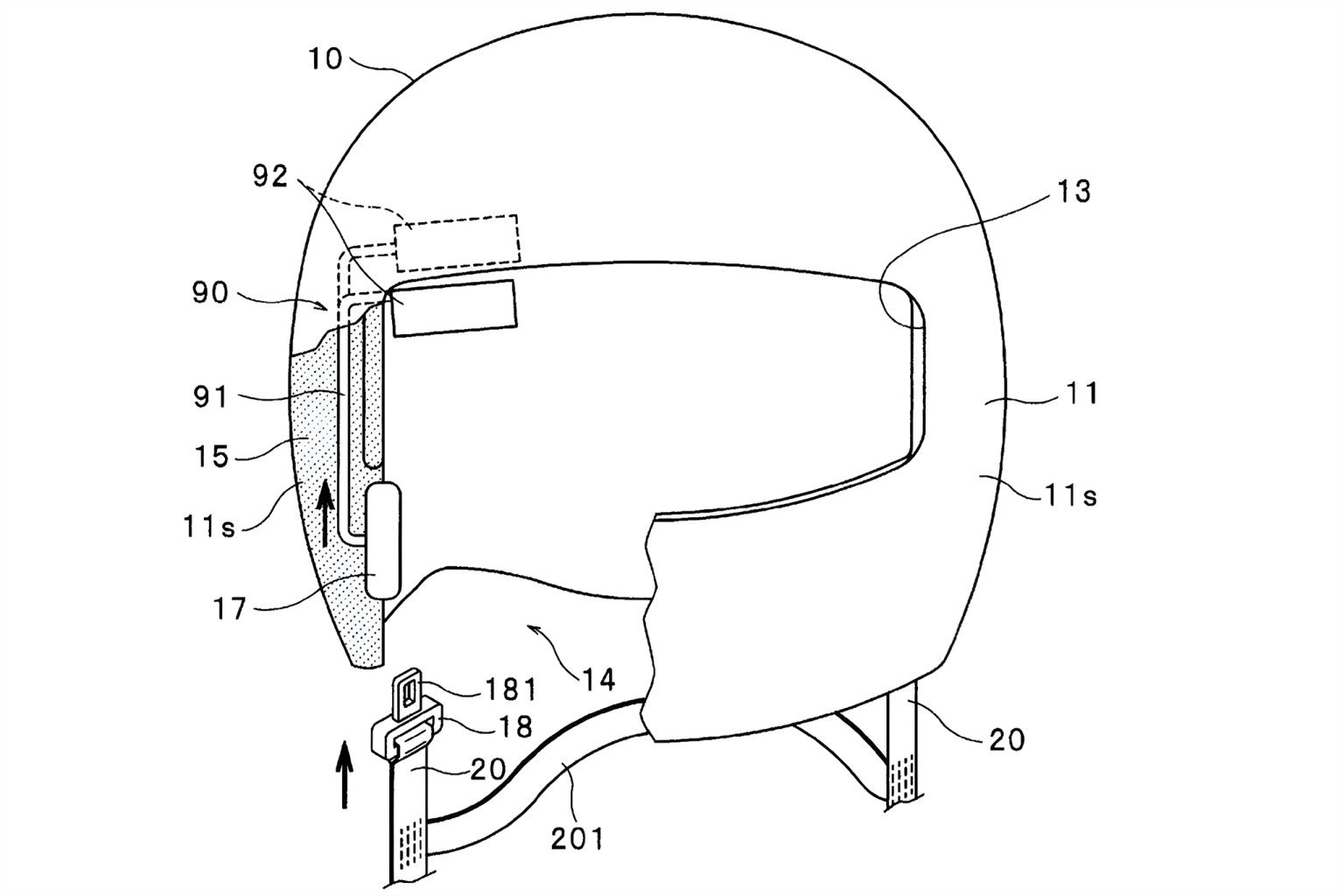
- Two-piece air chamber construction with shaped fabric cover
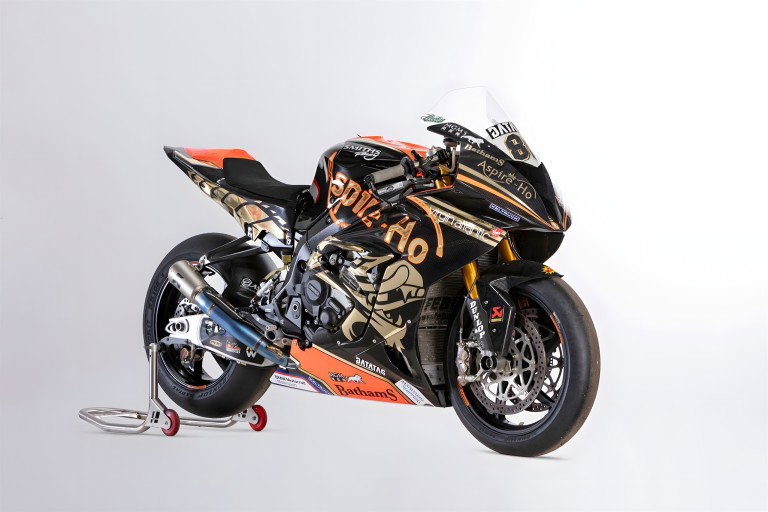
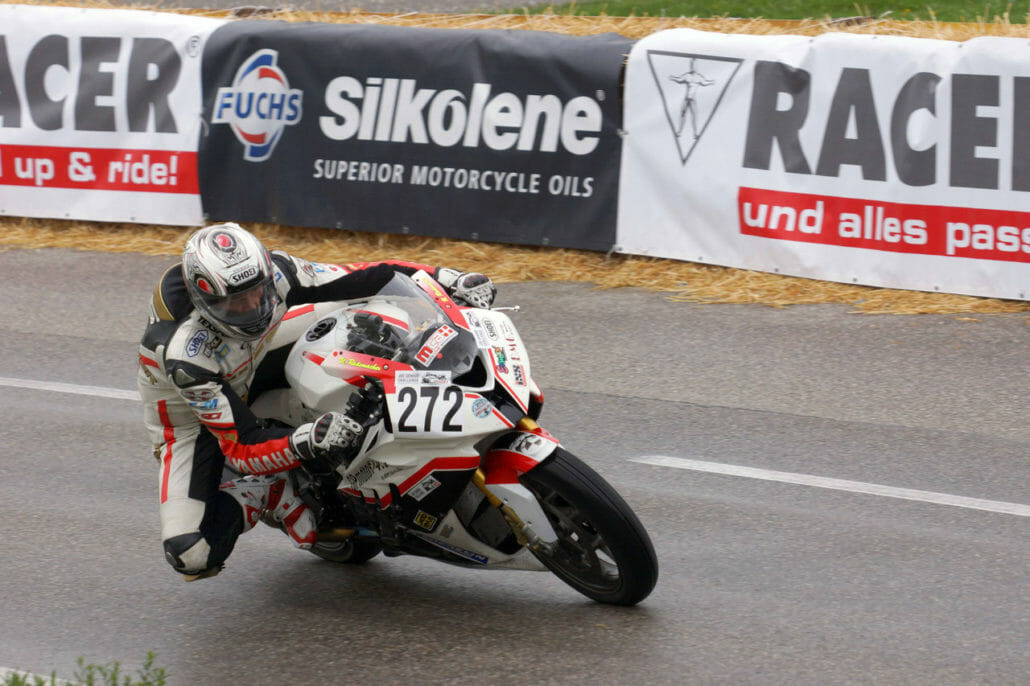
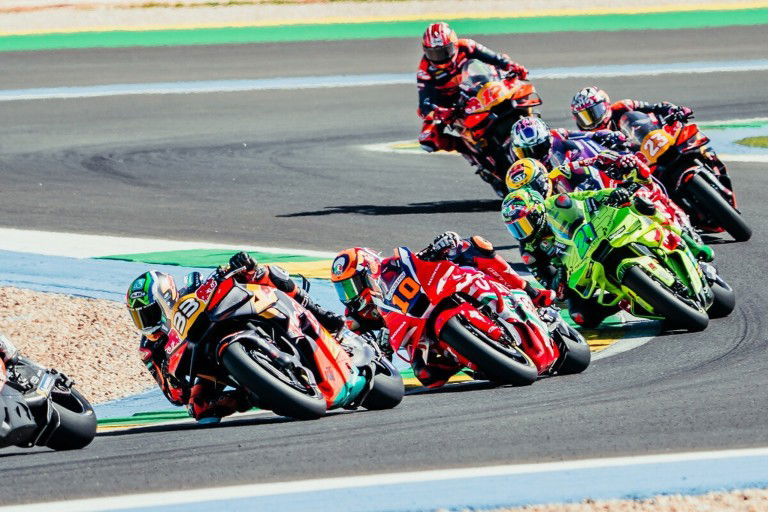
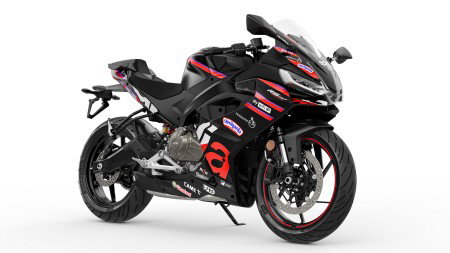
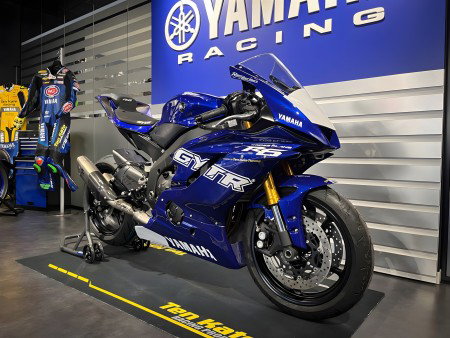
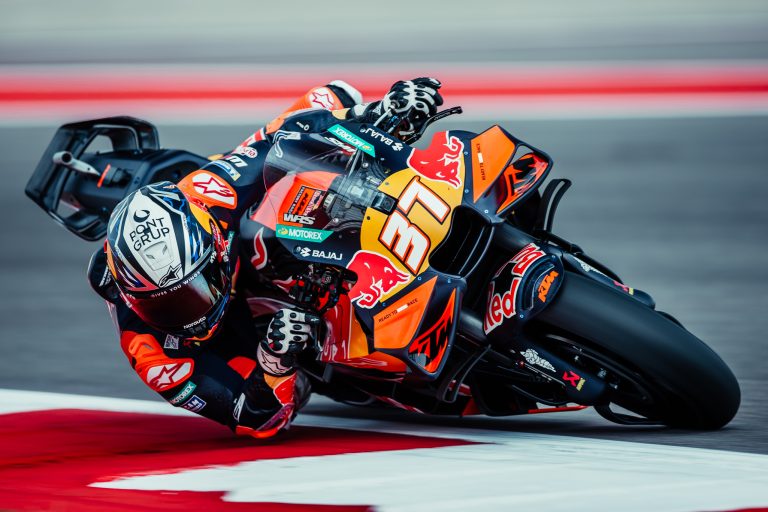
- Sportbikes remain a technical challenge due to the riding position
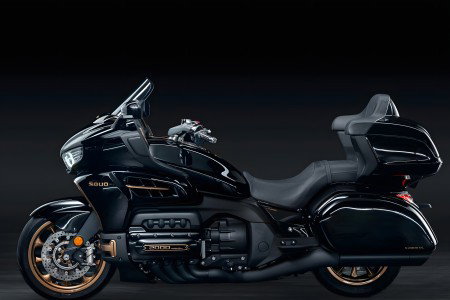
That airbags can work on motorcycles has long been proven. Honda’s Gold Wing has been the only production model equipped with such a system for around two decades. However, while the technology in the automotive sector has advanced rapidly, the two-wheeler industry has largely stood still. Autoliv, one of the world’s leading suppliers of vehicle safety systems, aims to change that and already presented plans in 2023 to develop the technology for broader use on motorcycles. Although the originally targeted series production readiness by 2025 has been delayed, development is continuing.

New airbag design with two air chambers
Autoliv’s latest patent application shows a significantly further developed concept compared to earlier designs. Previous company demonstrations featured a wall-like layout that created a vertical, padded barrier directly in front of the rider. This approach primarily provided protection in direct frontal collisions but offered only limited coverage in other accident scenarios.
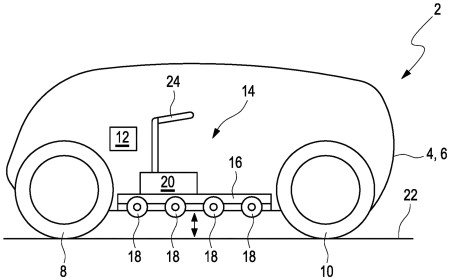
The new design consists of an upper and a lower air chamber housed within a shared outer shell. This shell is made up of several pieces of shaped fabric. Straps, illustrated as dotted lines in the patent drawings, hold the system in place and provide the necessary structural stability. The key innovation lies in its shape: the airbag is designed to wrap around the rider’s upper body and head when deployed. Cut-outs around the arms are intended to prevent the inflated airbag from interfering with control of the motorcycle.
The operating principle itself is familiar from the automotive sector: sensors detect an impact and trigger a gas generator, which inflates the airbag within fractions of a second. During the subsequent controlled deflation, the system absorbs impact forces before they are transferred to the rider, thereby reducing the risk of injury.
Sportbikes as a particular challenge
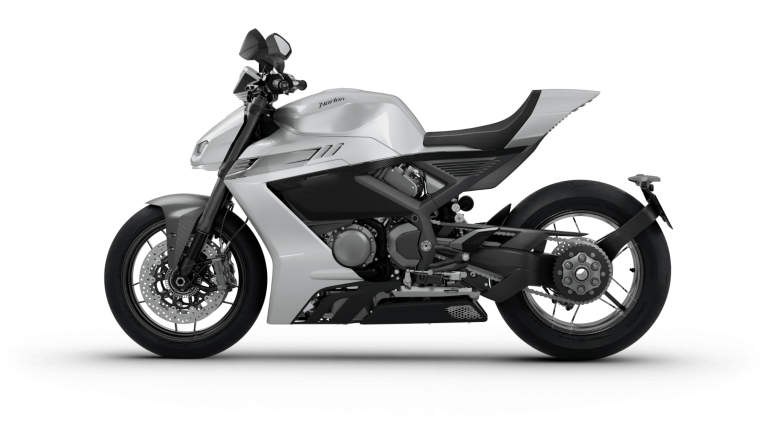
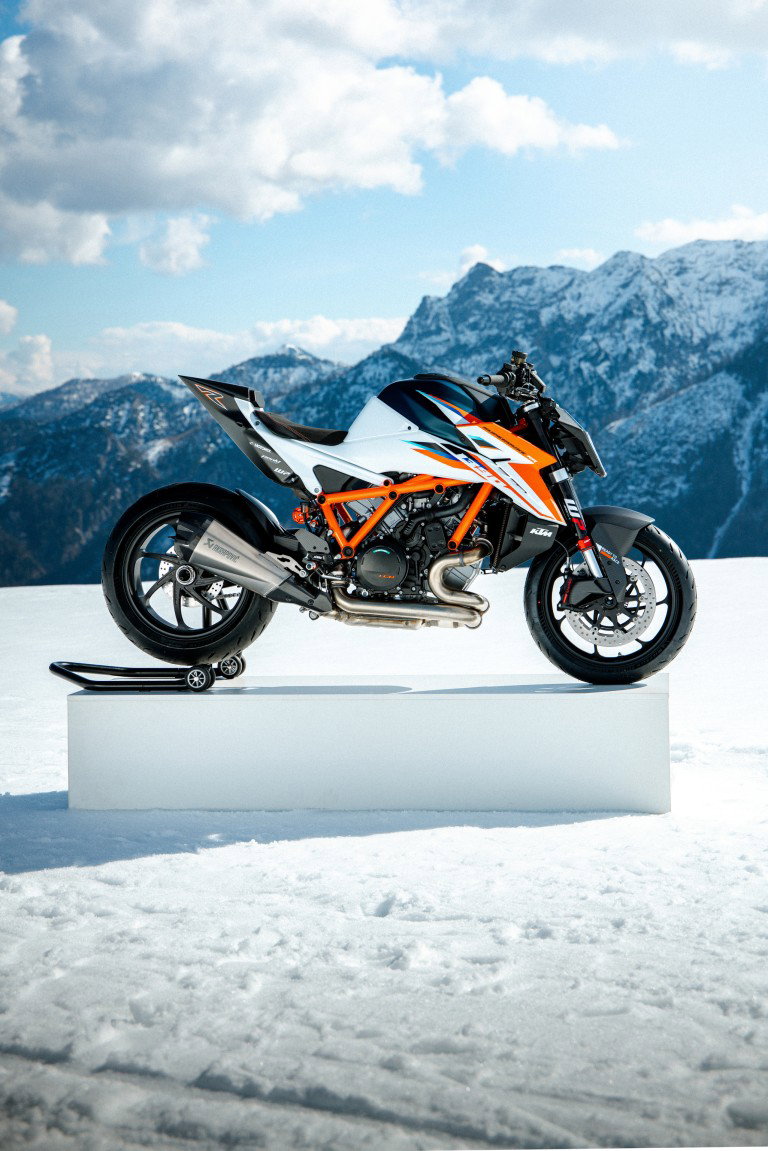
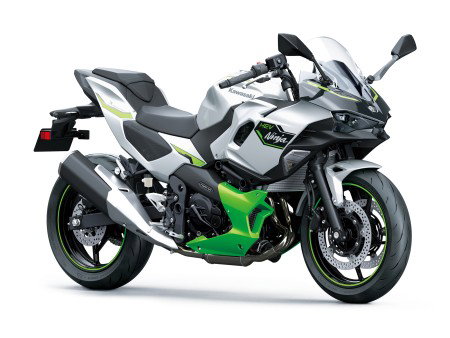
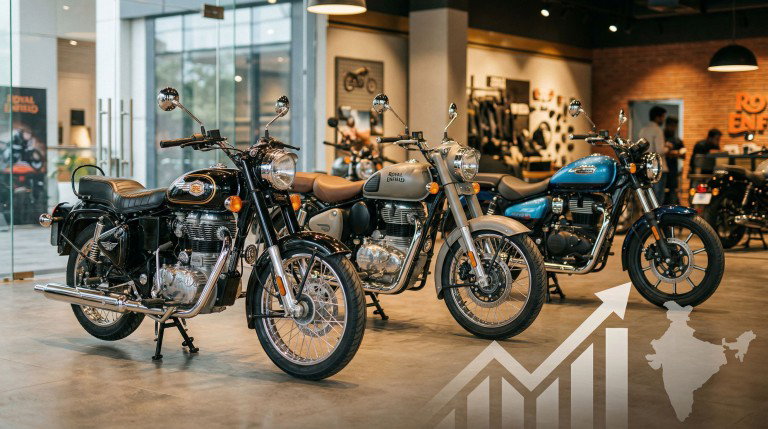
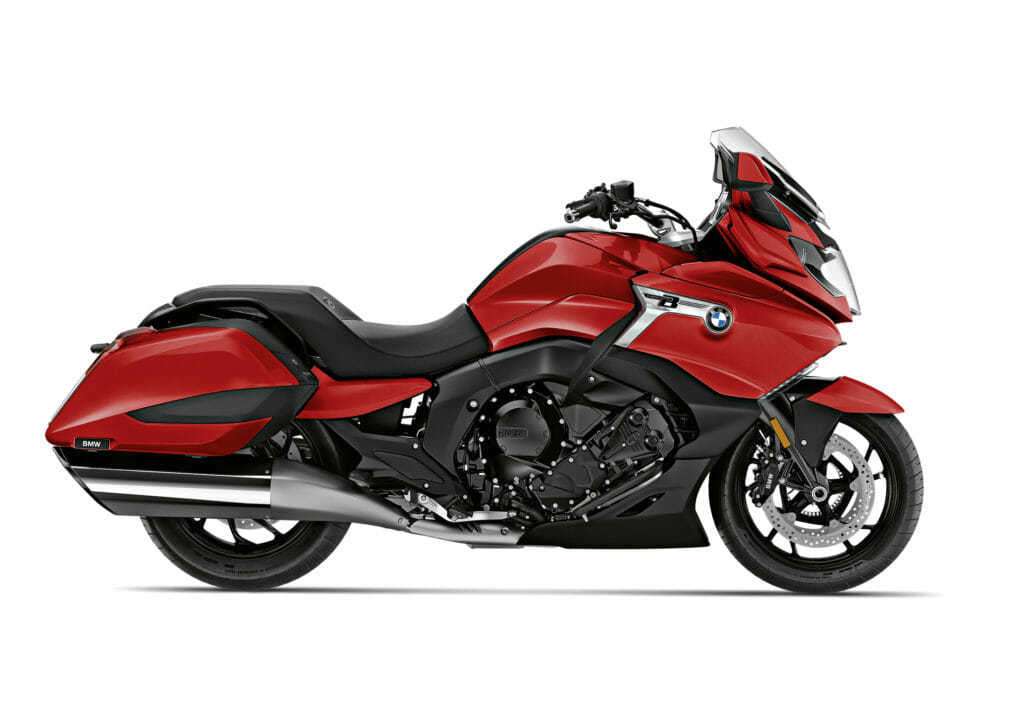
According to the current state of development, the new design appears to be most suitable for scooters, tourers and cruisers – motorcycle types where the rider sits upright and maintains some distance from the handlebars and the front of the vehicle. For sportbikes, however, implementation remains a significant technical challenge.
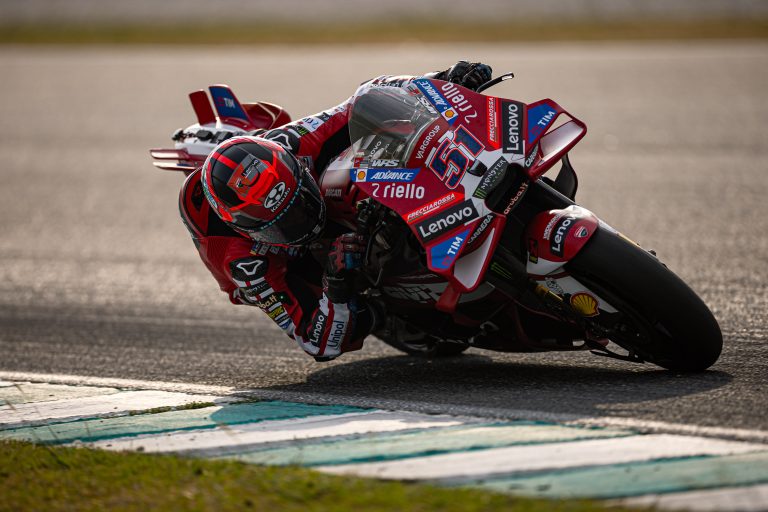
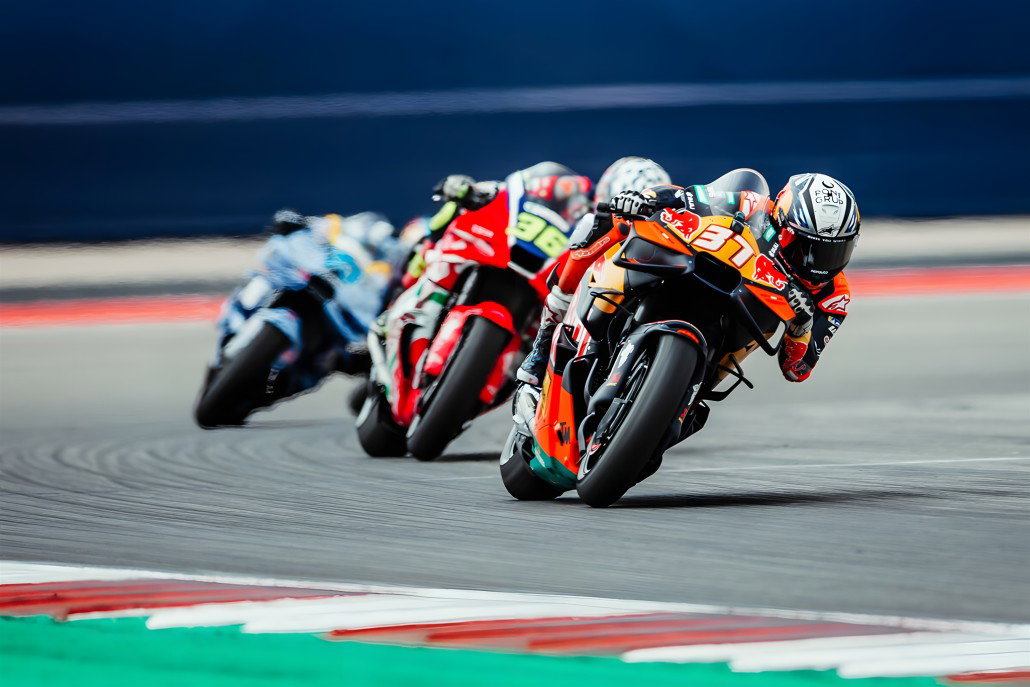
There are several reasons for this: the forward-leaning riding position on a sportbike places the rider’s head above the upper triple clamp and therefore closer to the point of impact in a frontal collision. The space between the rider and the front of the motorcycle is considerably smaller, leaving less room for an airbag and requiring even faster deployment. In addition, sportbike riders frequently change their position on the motorcycle while cornering, which makes it more difficult to design an airbag that can provide reliable protection regardless of body posture.

Costs and acceptance as the biggest hurdles
The technology for functional motorcycle airbags already exists. Two decades of the Gold Wing equipped with an airbag demonstrate that, and the system has evolved considerably during that time. The real obstacles to wider adoption lie elsewhere: in cost and demand.
While many riders are willing to spend significant amounts on a new helmet or leather suit, the willingness to pay extra for a safety feature that one ideally never needs is noticeably lower. A similar hesitation was seen during the introduction of ABS. Safety technologies in the motorcycle sector seem to follow a certain pattern: at some point, they reach a tipping point in acceptance and shift from being an unpopular extra to becoming an essential standard. Today, many riders would no longer consider a model without an anti-lock braking system. Whether motorcycle airbags will follow a similar path ultimately depends on whether manufacturers continue to push the technology forward and offer airbags as an option across different models.
What does this mean for me as a rider?
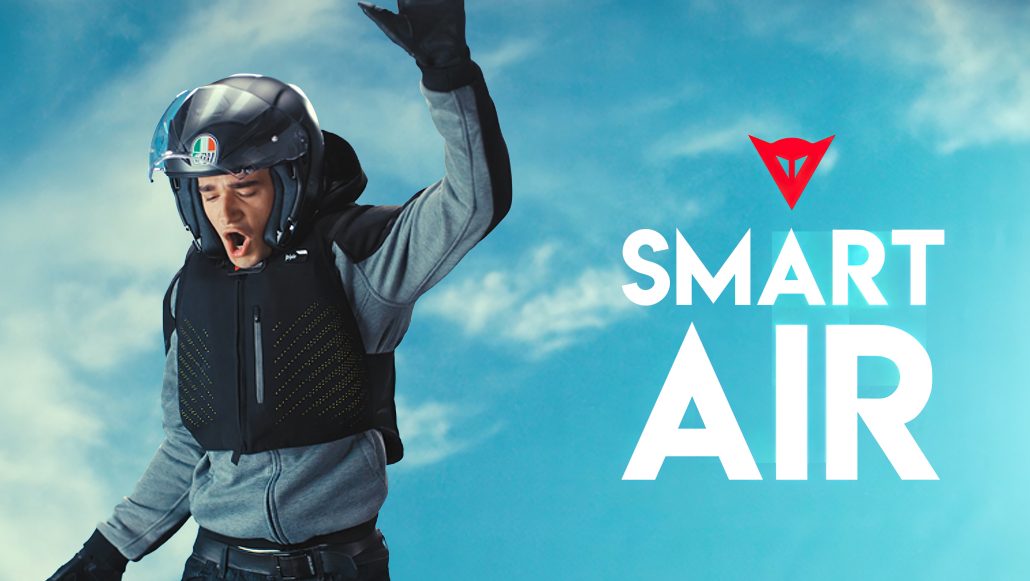
Autoliv’s patent application is a clear indication that development is progressing behind the scenes. Even if series production may still take time, the direction is becoming evident: motorcycle airbags could become an available option for tourers, cruisers and scooters in the coming years. For sportbike riders, the situation remains unchanged for now, as the technical challenges are still significant. Those who currently prioritize maximum passive safety must continue to rely on airbag vests and high-quality protective gear. However, as with ABS, there may come a time when a motorcycle without an integrated airbag seems just as unusual as one without an anti-lock braking system does today. Until then, it makes sense to keep an eye on further developments, as a successful transition of Autoliv’s technology into series production could fundamentally influence safety standards in the motorcycle segment.
Error, no group ID set! Check your syntax!