- The abbreviation RS originally stood for Rennsport (racing) at BMW; since 1976, it has stood for Reise und Sport (touring and sport)
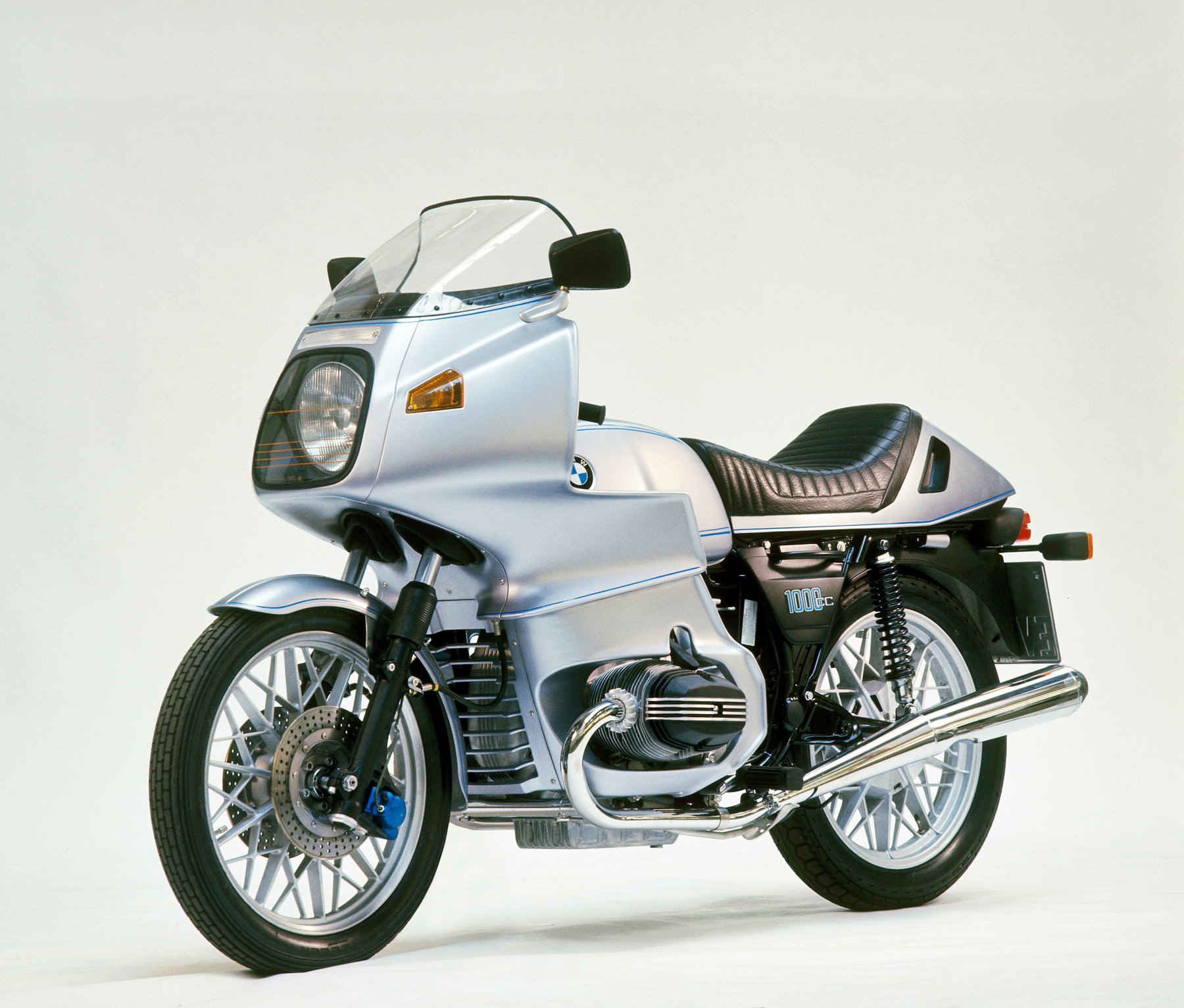
- The 1976 BMW R 100 RS was the world’s first production motorcycle with a factory-fitted full fairing
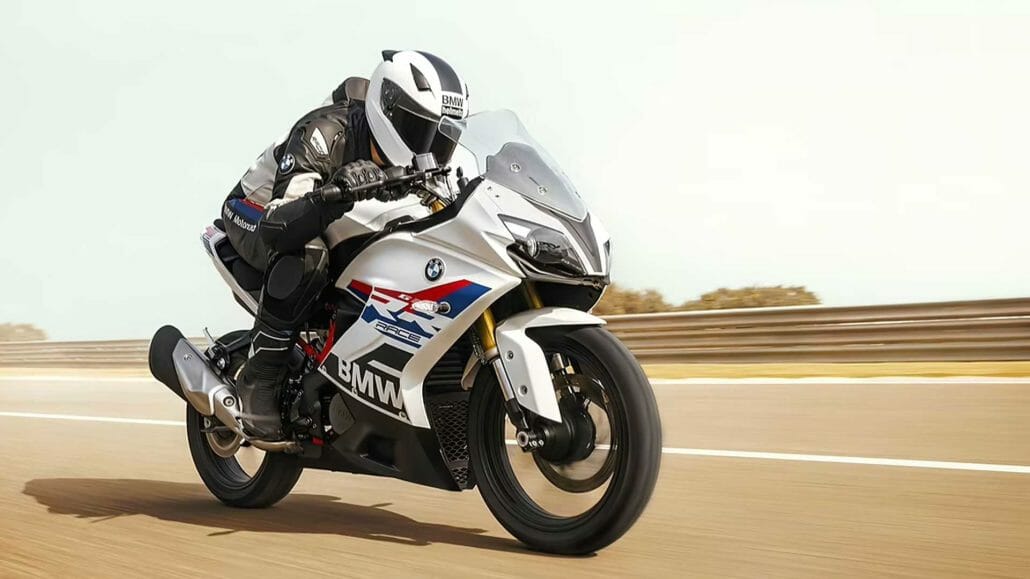
- The current BMW R 1300 RS produces 145 hp (107 kW) at 7,750 rpm, making it the most powerful series-production BMW boxer engine ever built
When BMW Motorrad looks back on 50 years of RS models in 2026, it is about far more than a model designation. Behind the abbreviation RS lies a philosophy that has shaped the sport touring segment for decades. No other manufacturer has pursued the idea of combining sporty riding and comfortable touring in a single motorcycle as consistently and for as long as BMW has with the RS series. Seven generations of boxer-powered sport tourers, complemented by four inline-four models from the K series, tell the story of a motorcycle category that BMW essentially invented.
Before RS Meant Touring and Sport
Before the abbreviation RS was reinterpreted for production motorcycles in 1976, it already had a long motorsport tradition at BMW. In the 1950s, BMW produced a legendary RS racing model with bevel-gear-driven valve actuation in limited numbers for competition use. This machine reached 200 km/h and was successful on racetracks both domestically and abroad. In 1954, Wilhelm Noll and Fritz Cron won the first World Championship title for BMW in motorcycle sidecar racing aboard an RS outfit. Noll also set a speed record of 280.8 km/h during that era. Walter Zeller became vice world champion in 1956, achieving the best-ever placing for a BMW solo rider in circuit racing at that time. In those years, RS unmistakably stood for Rennsport (racing), and the successes on the track laid the foundation for what would transform the motorcycle market as a production concept two decades later.
The R 100 RS Establishes a New Category in 1976
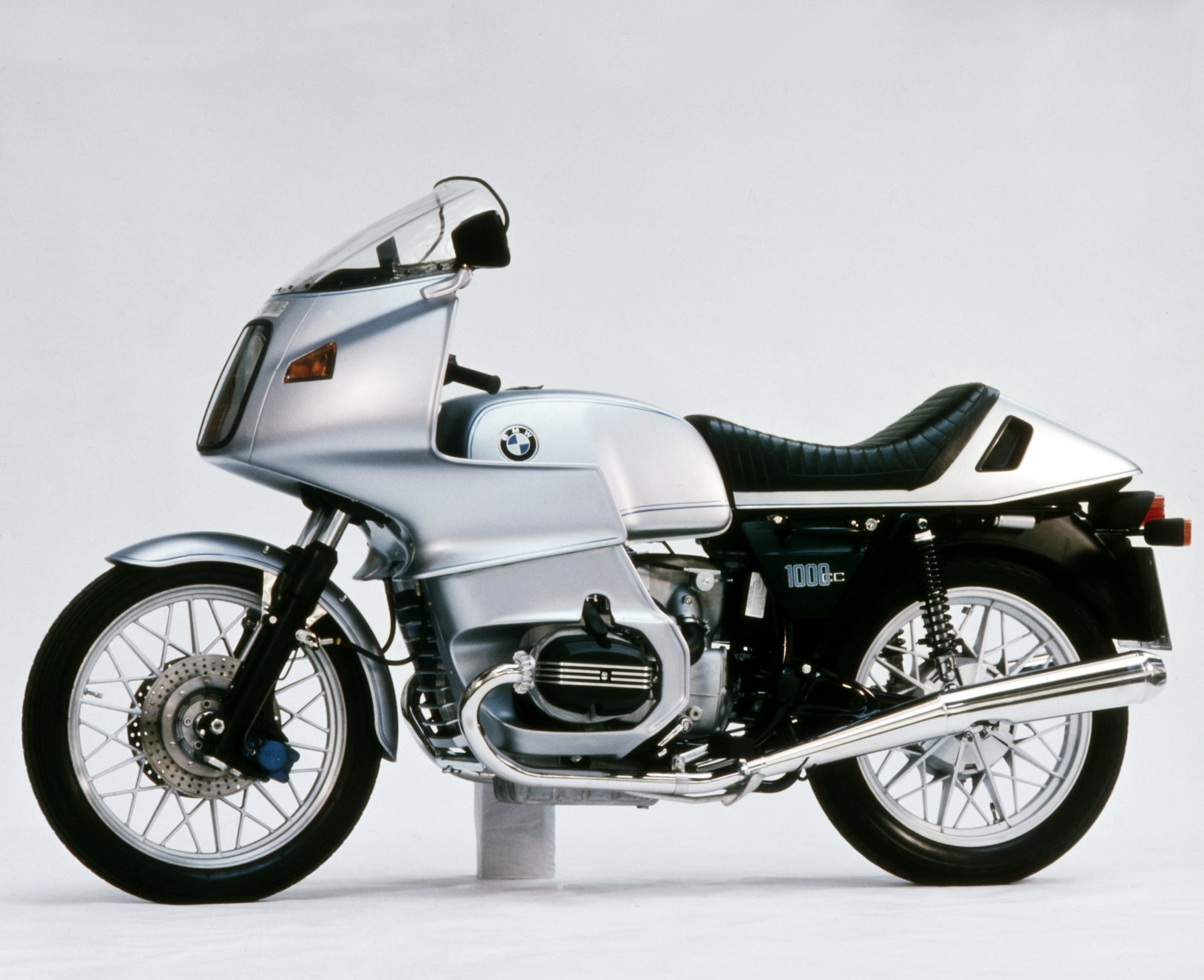
When BMW Motorrad unveiled the R 100 RS at the IFMA 1976, it was a first in several respects. For the first time in motorcycle history, a manufacturer offered a factory-fitted full fairing that was not retrofitted but was an integral part of the concept from the factory. The fairing had been aerodynamically optimized by Pininfarina and was finished in a slightly bluish-shimmering silver metallic. The wind and weather protection it provided enabled highway cruising speeds that had previously been almost unthinkable on a motorcycle, all while maintaining a comparatively relaxed riding position.
The R 100 RS was powered by a 980 cc two-valve boxer engine producing 70 hp (51 kW) at 7,250 rpm, enabling a top speed of 200 km/h. BMW promptly reinterpreted the RS abbreviation: Rennsport (racing) became Reisesport (touring sport). In its final production year of 1984, BMW bid farewell to the first RS generation with the special-edition R 100 RS Classic 500, limited to 500 units and delivered in a two-tone finish of Madison Grey and Alaska Blue with white pinstriping.
Five World Records at Nardò
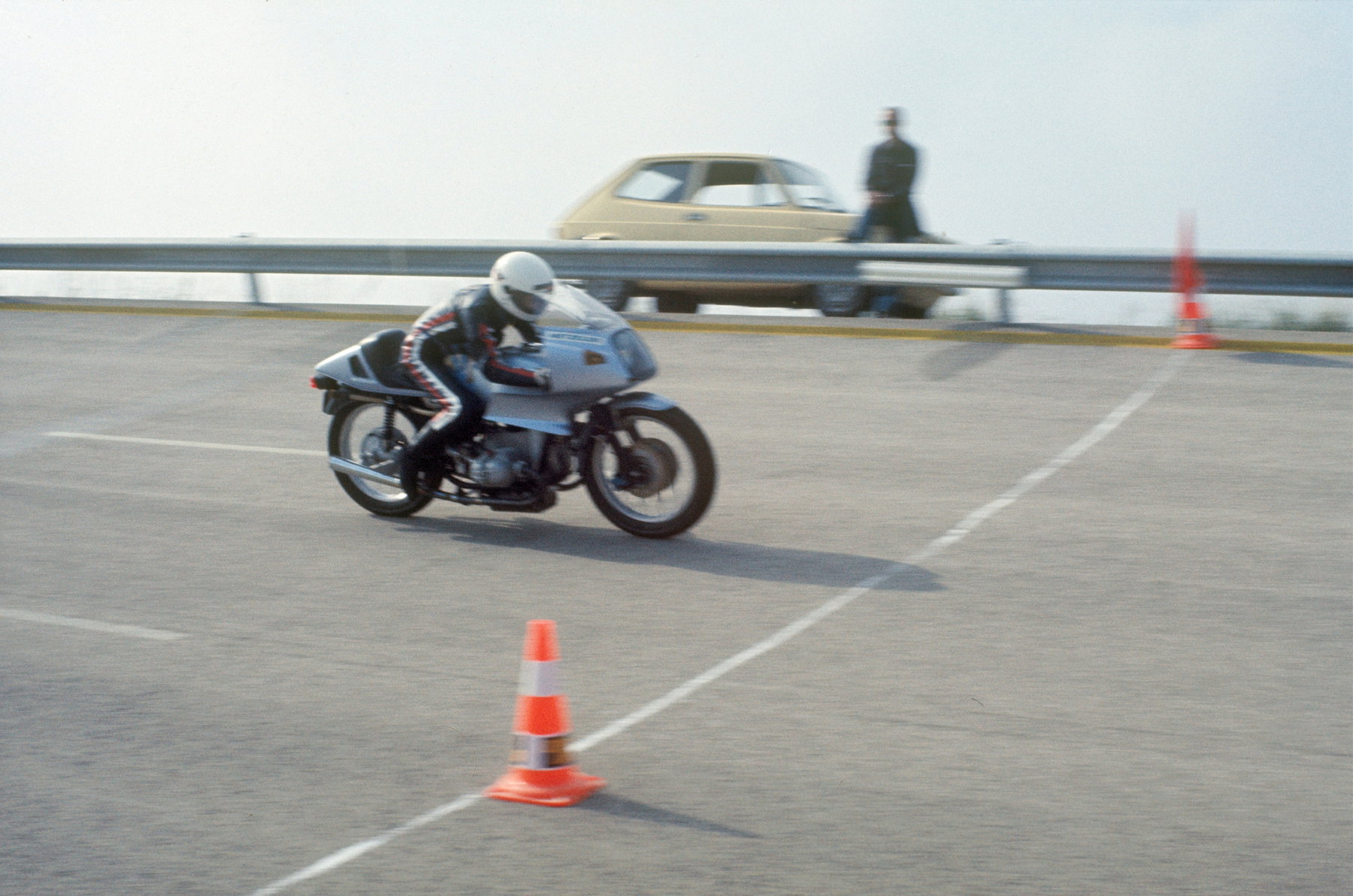
That the R 100 RS was not merely a comfortable touring machine was proven by BMW just one year after its market launch. On October 29 and 30, 1977, a BMW team took to the high-speed circuit in Nardò, Italy, to break several motorcycle world records. Helmut Dähne, together with engine specialist Helmut Bucher, had boosted the R 100 RS boxer engine to 84 hp (62 kW). A 19-inch rear wheel and the removal of the lower fairing section enabled speeds well in excess of 220 km/h. The result: five new world records over 10 km, 100 km, 6 hours, 12 hours, and 24 hours.
The Return of the Big Boxer: R 100 RS Monolever
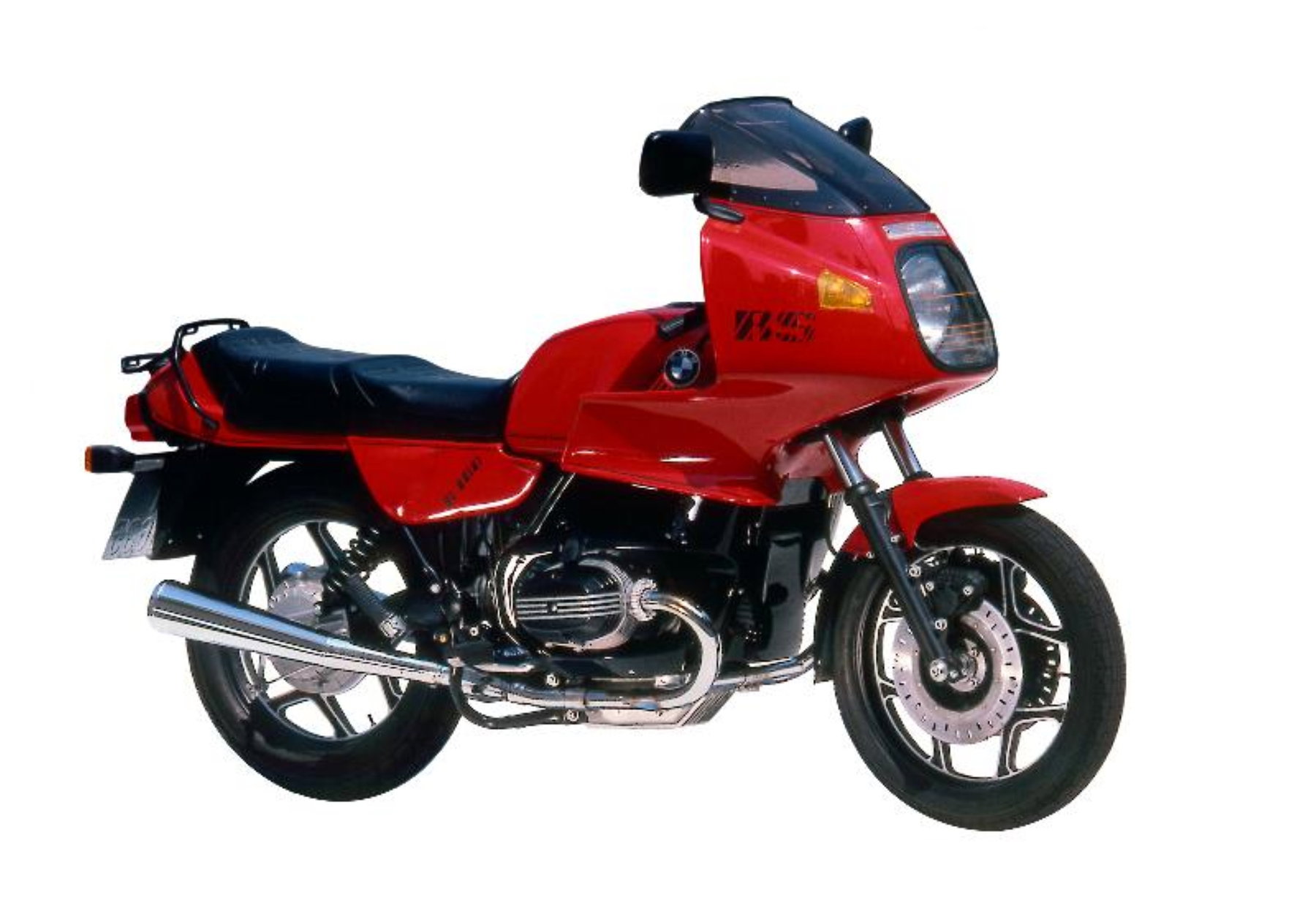
By the mid-1980s, BMW had a modern lineup with the K series and its three- and four-cylinder engines as well as the 800 cc boxer models, but for fans of the big 1,000 cc boxer, these machines were no substitute. The demand for the return of the large-displacement twin grew ever louder, particularly from the United States and Japan. In 1986, BMW responded with a revised R 100 RS, unveiled at the IFMA as a Monolever variant. Originally planned as a limited special edition of 1,000 units, demand was so strong that BMW continued production until 1992. With 60 hp (44 kW) at 6,500 rpm and a top speed of 185 km/h, it was not the most powerful RS, but it proved that the big boxer had its own loyal following.
Four-Valve Technology and Telelever: the R 1100 RS
The R 1100 RS marked the beginning of a new chapter in RS history in 1993. BMW brought the boxer engine into the technological future: four-valve heads, air and oil cooling, and digital ignition and fuel injection replaced the proven but aging two-valve technology. The completely redesigned 1,085 cc boxer produced 90 hp (66 kW) at 7,250 rpm, delivering 50 percent more power than the last two-valve boxer while simultaneously reducing fuel consumption. Top speed was 215 km/h.
At least equally significant was the introduction of the Telelever front suspension, which combined high ride comfort with outstanding braking stability.
The R 1150 RS: a Pragmatic Update
The succession of the R 1100 RS turned out to be somewhat complicated. BMW had actually intended the sportier R 1100 S as the successor, which had been in the lineup since 1998 with a more powerful engine. Many R 1100 RS riders, however, found the S too sporty for their needs. At the latest with the arrival of the R 1150 RT for the 2001 model year, the desire for an equally upgraded RS grew. BMW therefore introduced the R 1150 RS in autumn 2001, which adopted the 1,130 cc engine and exhaust system from the R 1150 RT and combined them with the proven fairing of the R 1100 RS. Power rose to 95 hp (70 kW) at 7,250 rpm, while top speed remained at 215 km/h. New additions included a six-speed gearbox, the Evo brake system with 320 mm discs, and the Integral ABS with brake servo in a semi-integral configuration. The half-fairing option from the predecessor was dropped without replacement.
Liquid Cooling and Dynamic ESA: the R 1200 RS
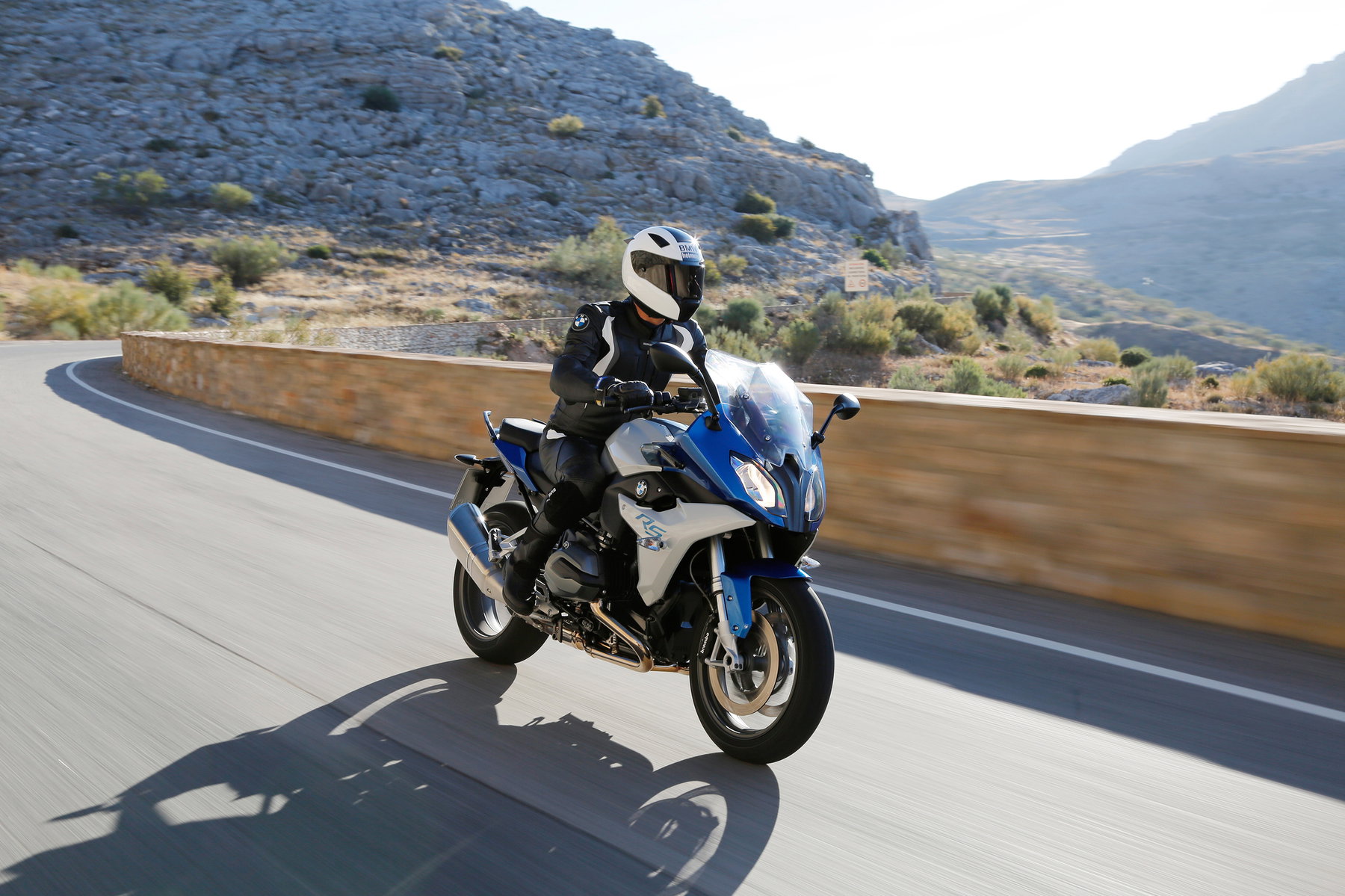
After a hiatus of roughly ten years without an RS in the lineup, BMW Motorrad presented the fifth RS generation with a boxer engine at the Intermot in September 2014. The R 1200 RS marked the transition to a liquid- and air-cooled boxer, in which water now flowed through the engine vertically rather than horizontally. From 1,170 cc of displacement, the engine produced 125 hp (92 kW) at 7,750 rpm and 125 Nm at 6,500 rpm. This was complemented by an entirely new chassis with the option of the semi-active Dynamic ESA system.
ShiftCam Technology from 2019: the R 1250 RS
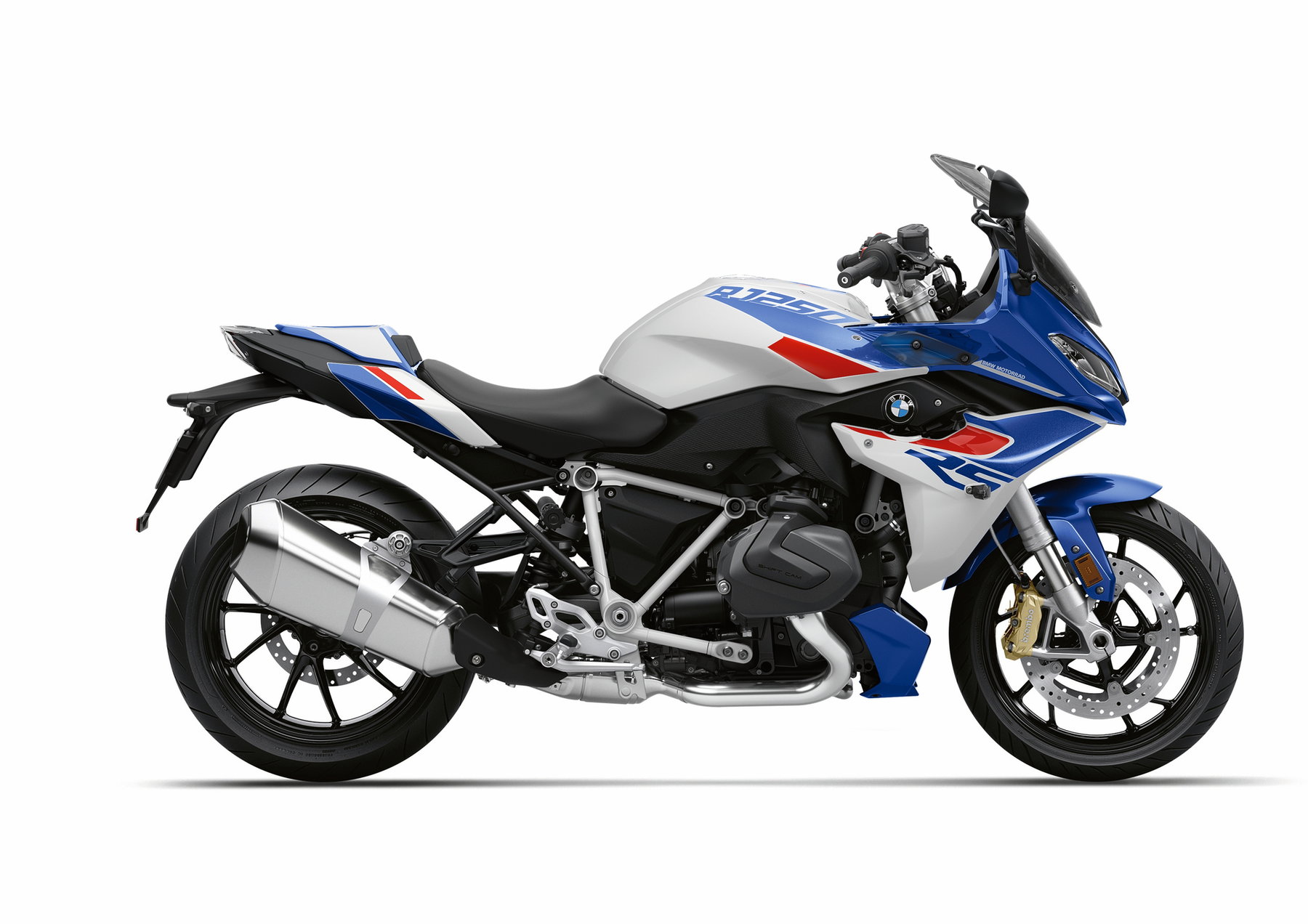
In November 2018, BMW presented the R 1250 RS at the EICMA in Milan. The boxer engine, now enlarged to 1,254 cc, featured the intake-side variable valve timing and lift system ShiftCam. Depending on engine speed, either the partial-load or full-load cam lobes acted on the intake valves, enabling better cylinder filling and noticeably more pulling power at low and mid-range engine speeds. Power rose to 136 hp (100 kW) at 7,750 rpm, with a top speed of over 200 km/h.
The chassis featured a steel main frame with a bolted-on subframe, an upside-down telescopic fork, and a single-sided swingarm. The semi-active Dynamic ESA “Next Generation” with automatic ride-height adjustment was available as an option. Dynamic Traction Control (DTC) was included as standard equipment.
The R 1300 RS: Seventh Generation with the Most Powerful Series-Production Boxer Ever
With the R 1300 RS introduced in 2025, BMW has consistently advanced the RS series in its seventh boxer generation toward enhanced riding dynamics. The 1,300 cc boxer with a bore-stroke ratio of 106.5 to 73 mm (predecessor: 102.5 to 76 mm) produces 145 hp (107 kW) at 7,750 rpm. This makes it by far the most powerful BMW boxer engine ever series-produced. The increase in displacement results from a larger cylinder bore and a crankshaft with a reduced stroke. BMW states a top speed of 240 km/h.
As standard, the R 1300 RS comes with three riding modes and engine drag torque control (MSR). Optionally, it can be equipped with the Automated Shift Assistant (ASA), which provides fully automated clutch operation for manual or automated shifting. The electronic chassis system Dynamic Suspension Adjustment (DSA) is available as optional equipment for dynamic adaptation of damping, spring rate, and load compensation. As the world’s first production motorcycle, the R 1300 RS also features a telescopic fork with adjustable spring rate. Radar-assisted cruise control and a semi-active suspension are additionally available as options.
Four Cylinders, Same Principle: the RS Models of the K Series
The RS philosophy at BMW was never limited to the boxer engine. Alongside the boxer RS models, BMW also implemented the concept with inline-four engines from the K series.
BMW K 100 RS (1983 to 1992)
The first four-cylinder RS debuted at the 1983 Paris Motor Show. The K 100 RS used the horizontally mounted inline-four engine from the base K 100 model, combined with a modern half-shell fairing. With 90 hp (66 kW) at 8,000 rpm and a low center of gravity thanks to the laterally mounted engine, it offered riding pleasure beyond the highway as well, reaching 220 km/h. In 1989, the four-valve version K 100 RS 4V followed, featuring the complete technology of the BMW K1 beneath the familiar RS fairing. It produced 100 hp (74 kW) at 8,000 rpm and reached 232 km/h.
BMW K 1100 RS (1992 to 1997)
When the larger-displacement 1,100 cc engine from the K 1100 LT was transplanted into the RS chassis, the K 1100 RS was born. With 100 hp (74 kW) at 7,500 rpm and a redesigned fairing with an engine spoiler, it was able to win comparison tests by specialist magazines. Top speed remained at 220 km/h.
BMW K 1200 RS (1996 to 2005)
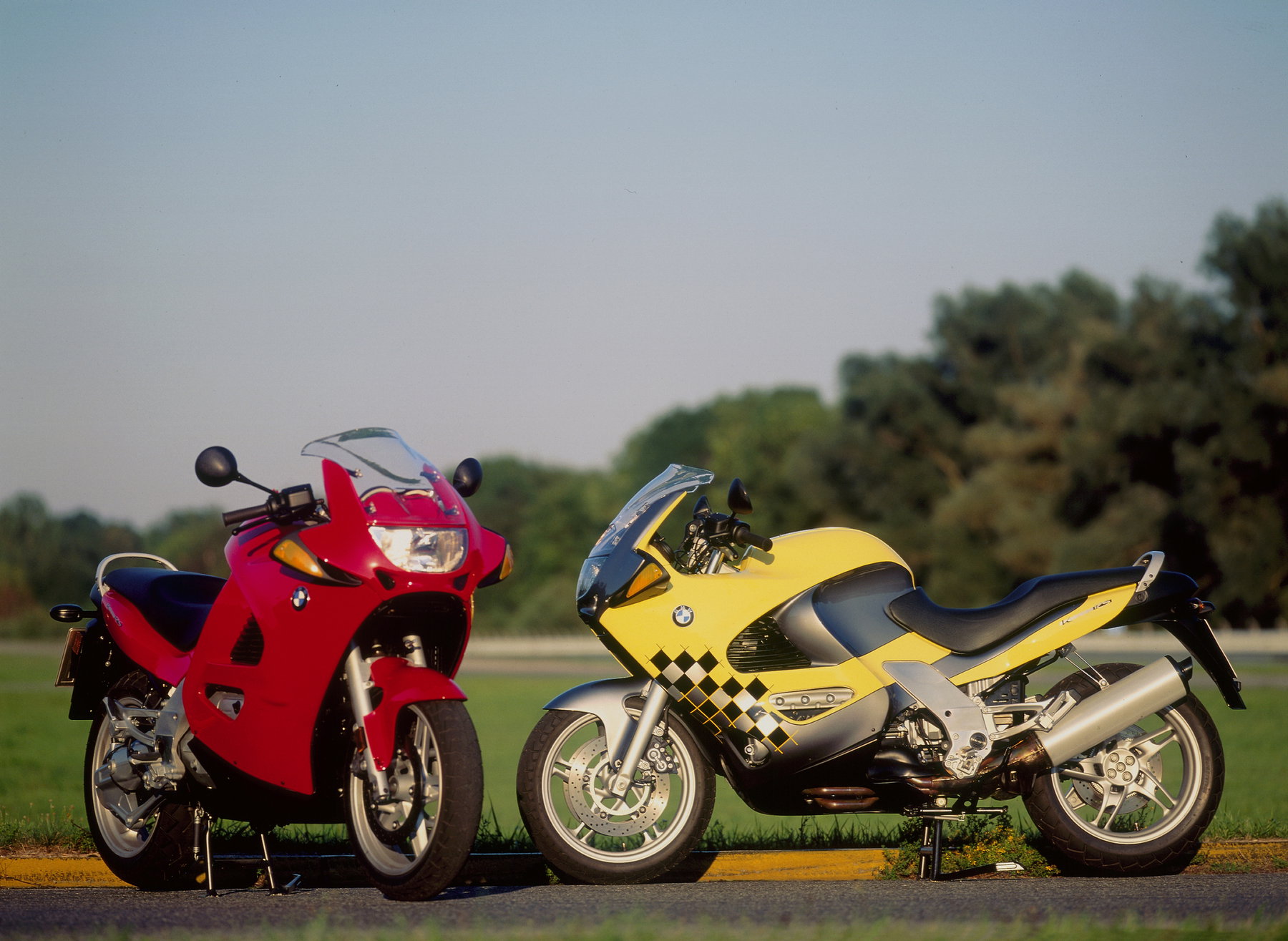
With the K 1200 RS, BMW broke in 1997 for the first time with the voluntary self-imposed restriction among motorcycle manufacturers of not offering motorcycles with more than 100 hp on the German market. 130 hp (96 kW) at 8,750 rpm, 117 Nm at 6,750 rpm, and a top speed of 245 km/h made the K 1200 RS the long-distance benchmark of its era. For the 2001 model year, it received a facelift that further boosted sales figures.
Sport Touring Experiences a Renaissance
In recent years, adventure bikes such as the GS models had overtaken many traditional sport tourers in popularity. Many riders who would previously have chosen an RS opted instead for the tall-seated all-rounders. But the tide appears to be turning. Traditional sport tourers like the BMW RS models, as well as competitors such as the Suzuki GSX-S1000GT or the Kawasaki Ninja 1100SX, are experiencing something of a comeback in 2026. The concept of using a single motorcycle for commuting, touring, and spirited rides on country roads has evidently lost none of its appeal.
50 Years of Touring and Sport
From the wind-tunnel-shaped R 100 RS by Pininfarina to the radar-equipped R 1300 RS, the fundamental idea behind the RS series has changed remarkably little over five decades. It was and remains about combining sportiness and long-distance comfort so that a single motorcycle is suitable for virtually any purpose. In BMW’s model range, the RS was never the loudest or most fashionable motorcycle. The GS dominates the headlines, the RT dominates touring conversations. But for riders who want to commute, tour, and tackle mountain passes with a single motorcycle, the RS concept has delivered exactly that for half a century.
Häufige Fragen
-
What does RS stand for at BMW Motorrad?
RS originally stood for Rennsport (racing). Since the R 100 RS in 1976, it stands for Reise und Sport (touring and sport) for production motorcycles, combining sporty riding and long-distance comfort.
-
How much horsepower does the BMW R 1300 RS have?
145 hp (107 kW) at 7,750 rpm from a 1,300 cc twin-cylinder boxer engine, making it the most powerful series-production BMW boxer ever.
-
Which BMW RS models featured a boxer engine?
Seven generations since 1976: R 100 RS (1976–1984), R 100 RS Monolever (1986–1992), R 1100 RS (1992–2001), R 1150 RS (2000–2004), R 1200 RS (2015–2018), R 1250 RS (2018–2024), and the current R 1300 RS since 2025.
-
What was the first motorcycle with a factory-fitted full fairing?
The 1976 BMW R 100 RS is considered the world’s first large-scale production motorcycle with a frame-mounted full fairing developed aerodynamically in Pininfarina’s wind tunnel.
-
What does the Automated Shift Assistant (ASA) on the R 1300 RS do?
The optional ASA provides fully automated clutch operation, allowing the R 1300 RS to be shifted either manually or automatically without the rider having to operate the clutch.