- Criminal complaint filed in Finland over allegedly misleading claims about energy density and lifespan
- Independent tests measured 268 to 297 Wh/kg instead of the promised 400 Wh/kg
- Production in 2026 limited to around 350 motorcycles, new orders not deliverable until late 2026
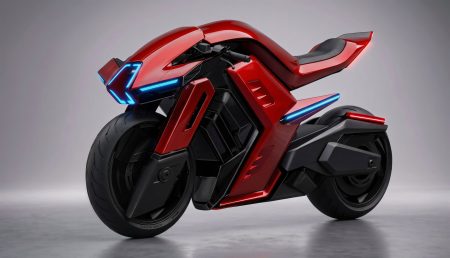
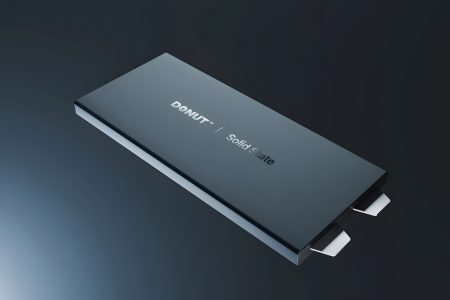
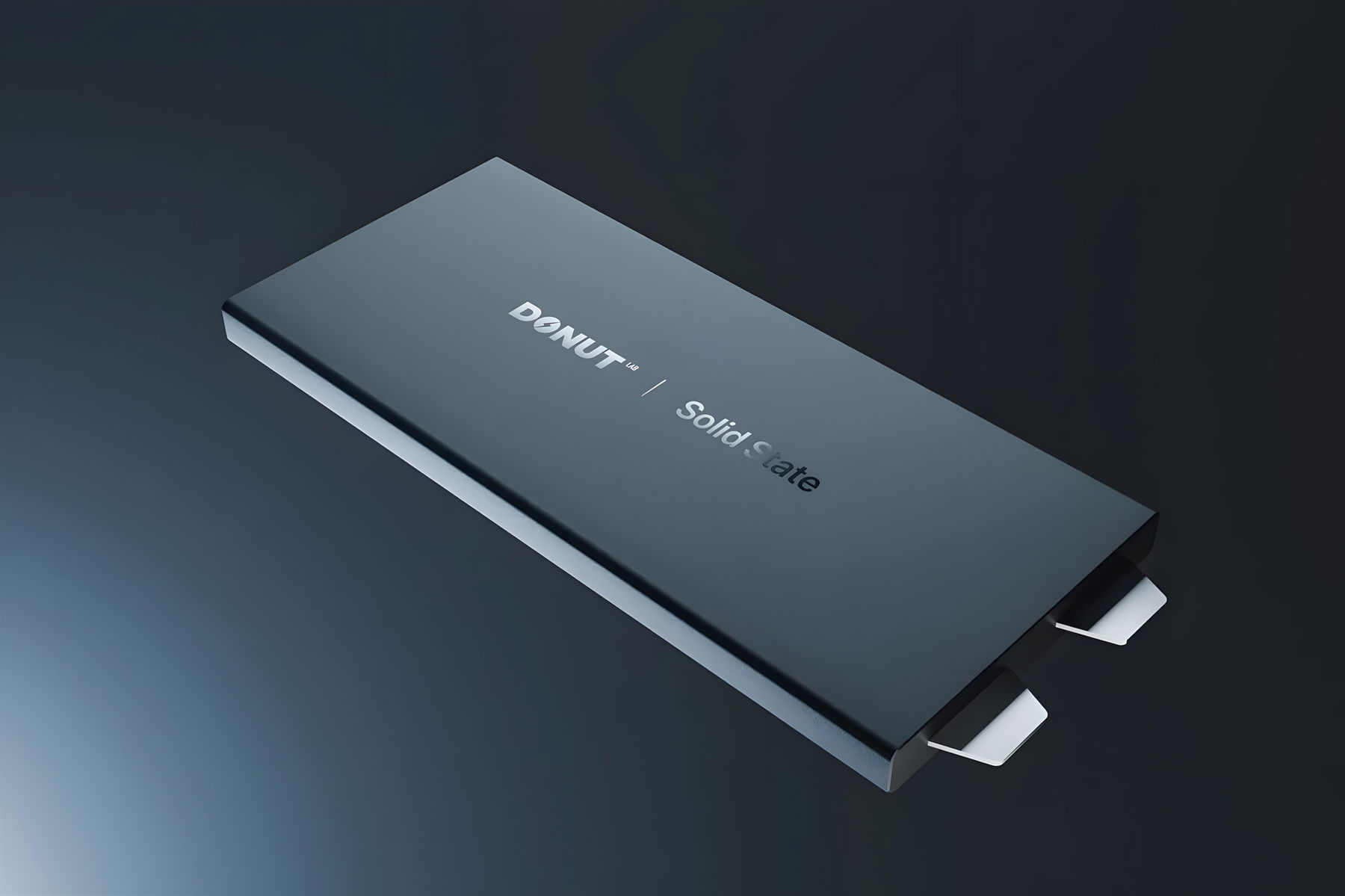
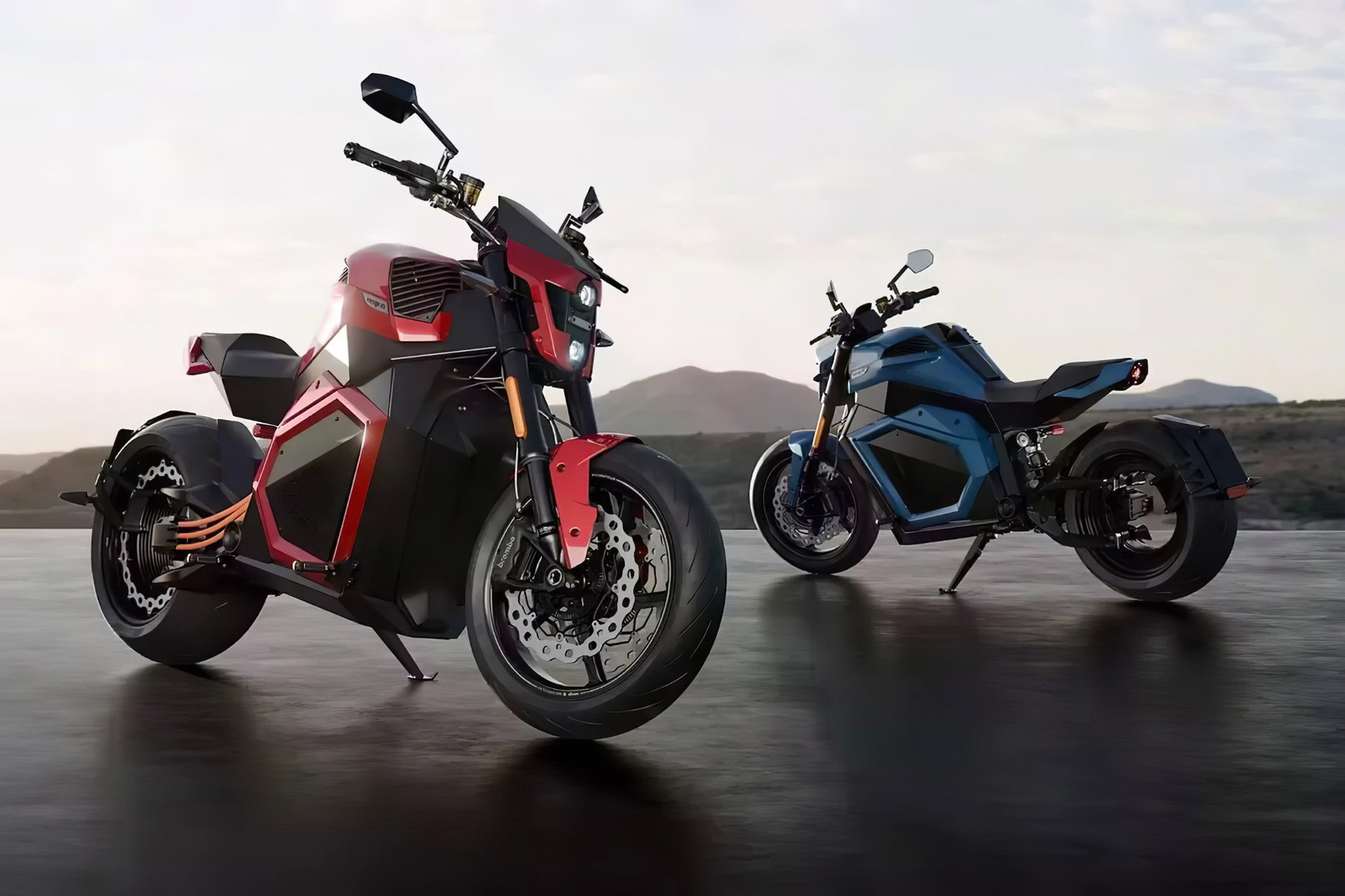
When Donut Lab presented what it described as the world’s first production-ready solid-state battery at CES in Las Vegas in January 2026, the announcement caused a stir across the industry. The specifications sounded revolutionary: 400 Wh/kg energy density, full charge in five minutes, 100,000 charge cycle lifespan, temperature resistance from minus 30 to plus 100 degrees Celsius, and all at a price below today’s lithium-ion cells. Verge Motorcycles, an Estonian electric motorcycle manufacturer, was supposed to be the first customer to deliver machines with this battery starting in the first quarter of 2026. The two companies are closely intertwined. Donut Lab was founded in August 2024 as a spin-off of Verge Motorcycles, with a largely identical founding team.
Industry Criticism from the Start
Immediately after the presentation, experts voiced considerable skepticism. Ulderico Ulissi, responsible for CATL’s business outside China, described the published specifications as evidently inaccurate. SVOLT CEO Yang Hongxin called it a sham and stated that a battery with these technical properties did not exist. Professors and researchers from several universities expressed doubts about the specifications and called for solid evidence before drawing conclusions. No independent test results were presented at the Las Vegas unveiling. Instead of functional batteries, the company displayed only mock-ups.
The skepticism is understandable given the industry’s reality. Solid-state batteries have been the subject of research for years by Toyota, Honda, BYD, CATL, Nissan, QuantumScape, Solid Power, ProLogium and Factorial Energy, among others. In September 2025, Volkswagen, QuantumScape, PowerCo and Ducati unveiled a functional prototype of an electric motorcycle with a genuine solid-state battery capable of charging in twelve minutes. The notion that a company barely two years old like Donut Lab could leapfrog the entire competition raises open questions for many observers. No patents from Donut Lab have been publicly disclosed either, while Toyota alone holds thousands of intellectual property rights in the field of solid-state technology.
Delayed Deliveries and Limited Production Numbers
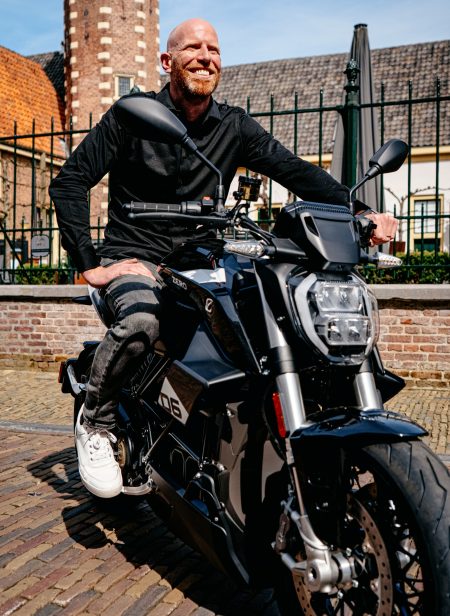
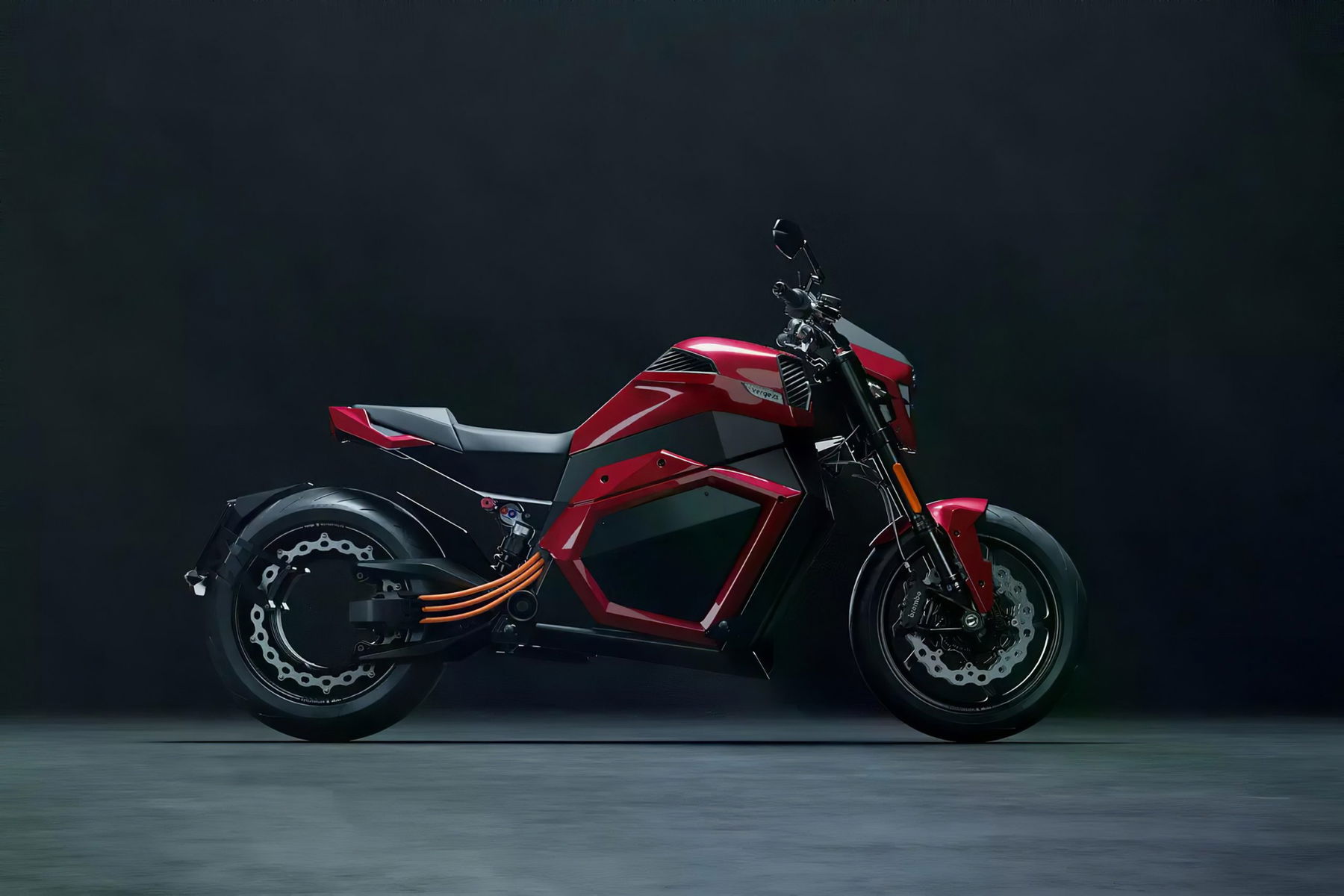
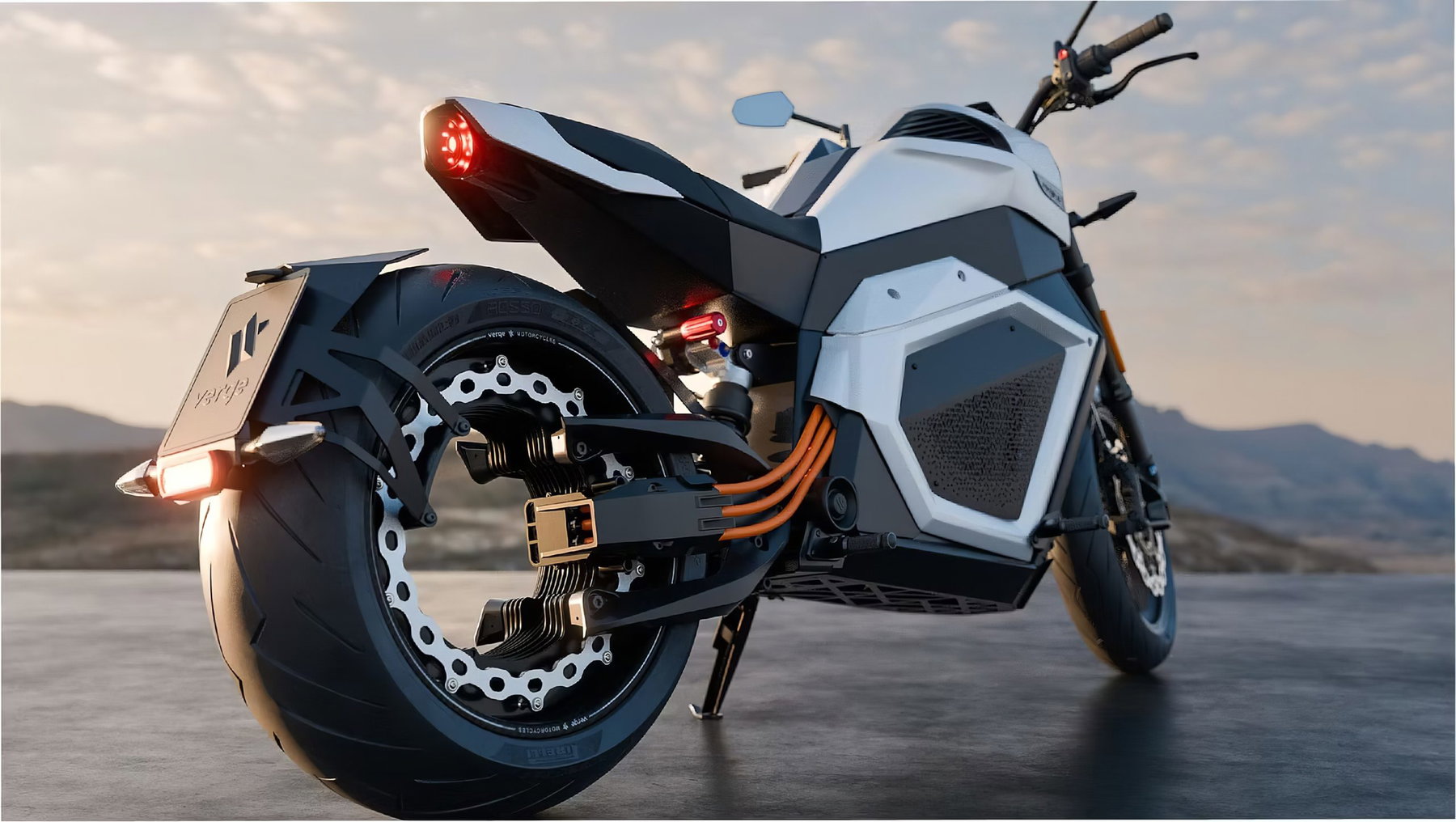
The Verge TS Pro with the Donut Lab battery was supposed to be handed over to the first customers by March 31, 2026. Shortly afterward, the delivery window for new orders shifted to the fourth quarter of 2026. Verge CEO Tuomo Lehtimäki attempted to put this in perspective and told the portal InsideEVs that orders placed the previous year would be fulfilled as planned in the first quarter, while newly placed US orders should expect delivery in the fourth quarter of 2026. The Finnish business newspaper Kauppalehti painted a considerably bleaker picture. There, Lehtimäki reported that orders extended well into 2027 and production in 2026 was limited to approximately 350 motorcycles.
To sell the Verge, the company still needs the respective approvals in both the European Union and the United States. In the EU, the Whole Vehicle Type Approval process must be completed; in the US, Federal Motor Vehicle Safety Standards and Environmental Protection Agency requirements must be met. Depending on the scope of documentation, such procedures can take anywhere from a few weeks to over a year.
Pack Test in March: Partial Success with Open Flanks
In March 2026, Donut Lab responded to the criticism with a public charging test. A battery pack with 18 kWh capacity charged inside a Verge TS Pro from ten to 80 percent within twelve minutes, at a sustained charging power of over 100 kW and a 5C charge rate. Notably, the pack operated without liquid cooling, relying exclusively on air cooling. From ten to 50 percent took five minutes, 70 percent was reached after just over nine minutes, and 90 percent only after approximately 15 minutes. Donut Lab CTO Ville Piippo stated that the test demonstrated the behavior of multiple battery cells in a real vehicle environment and that the high energy density enabled flexible pack design.
At the same time, Finland’s state research institute VTT conducted independent cell tests. These confirmed that individual Donut Lab cells can be charged in approximately five minutes, show no thermal runaway when damaged, can be thermally stabilized with large heat sinks and fans, and exhibit slow self-discharge. However, the two central marketing promises were not verified: neither the energy density of 400 Wh/kg nor the lifespan of 100,000 cycles has been independently confirmed.
Another point raises eyebrows: Originally, a charging time of under ten minutes was mentioned. Spencer Cutlan of Verge Motorcycles stated that the previous charging time of 35 minutes had been reduced to under ten minutes. In a later post, the company explained that the charging speed had been deliberately throttled so riders could enjoy a coffee at leisure rather than downing an espresso. In actual tests, the pack reaches 70 percent after nine minutes and seven seconds, and 80 percent after twelve minutes and three seconds. The ten-minute mark is therefore only met if one settles for 70 percent.
Criminal Complaint and Internal Email Correspondence
On April 17, 2026, the case escalated significantly. Lauri Peltola, co-founder and former Chief Commercial Officer of Nordic Nano Group, told the Finnish daily Helsingin Sanomat that the bold promises were simply untrue, and filed a criminal complaint with the authorities. Nordic Nano was involved as a development partner in the battery project, and Donut Lab holds shares in the company.
Peltola was unequivocal in his statement: “The promised battery properties, such as energy density and charging cycles, have not been achieved. The readiness for mass production has also been misrepresented. The company does not have the promised capacity for mass production and large production volumes of batteries.” Peltola emphasized that he had filed the complaint independently and of his own volition. He said Donut Lab’s conduct was incompatible with his own moral standards. The production line would only be completed later this year, and its capacity was not as large as Marko Lehtimäki had presented it.
Particularly explosive are the email records that Helsingin Sanomat reportedly had access to. These reveal for the first time the complete supply chain behind the Donut battery: the small German company CT-Coating develops the actual technology, Nordic Nano handles manufacturing, and Donut Lab manages product marketing. This division of labor had never been publicly disclosed by Donut Lab. The correspondence also shows that CT-Coating has discontinued development of the very battery that Donut Lab presented in January and submitted to VTT for testing. The company is instead working on a new generation still in an early development phase. Independent tests of CT-Coating cells from 2024 measured an energy density of 268 to 297 Wh/kg, well below the advertised 400 Wh/kg.
Lehtimäki’s Admission in the Interview
Also significant is an interview that Donut Lab CEO Marko Lehtimäki gave to Helsingin Sanomat. In it, he admitted that the 100,000 charge cycles had never been tested but were extrapolated from lower values. When asked whether any customers had already received the advertised 400 Wh/kg battery, he replied: “There have been no 400 Wh/kg batteries delivered to customers.” When this would happen, he left open, speaking only of the near future. Elsewhere, he suggested that the test cells submitted to VTT were not necessarily identical to those that would be delivered to customers. When pressed on the apparent contradiction, he cited different use cases and cell generations as well as intellectual property rights and patent issues that prevented full disclosure.
Helsinki police have confirmed that a criminal complaint against a battery technology company was received this month. Peltola has also contacted the Finnish Financial Supervisory Authority and the external reporting channel of the Chancellor of Justice.
Financial Warning Signs
The controversy is not limited to battery technology. The auditing firm PwC, which had audited the 2024 annual accounts of the Estonian Verge subsidiary, was unable to complete its audit opinion. According to the report, nearly all financial information regarding inventory, sales receipts, research expenditures and assets was missing. The Estonian subsidiary had no liquid funds and depended on loans from the Finnish parent company, its management and their relatives.
Helsingin Sanomat also reports that Donut Lab had contacted individual Finnish investors and promised returns in the triple-digit percentage range within a few months. Finnish public broadcaster Yle published an investor brochure from Donut Lab that advertised a tenfold return on investment within 18 months.
Company Response
Donut Lab and Nordic Nano rejected the allegations in a joint statement. The companies stated that they had neither committed a crime nor misled investors. They said the complainant lacked the necessary knowledge of battery technology and did not have a comprehensive overview of the development work. Nordic Nano CEO Esa Parjanen rejected the allegations outright and stated that Peltola had not been involved in the battery project. Both companies stand by their published specifications and announced that they would present further independent test results in the coming months. The legal assessment of the criminal complaint is ongoing according to both companies, with their legal advisors involved.
The Market Awaits Evidence
While Donut Lab faces scrutiny, competition in the solid-state battery space intensified notably in the first quarter of 2026. CATL has published extensive patent filings, Changan plans to deploy 400 Wh/kg packs before the end of the third quarter of 2026, Factorial Energy went public after a range test covering approximately 1,200 kilometers, and ION Storage Systems became the first US company to qualify a solid-state cell with a customer. Most of these providers, however, are targeting meaningful serial production volumes between 2027 and 2030. Donut Lab thus remains the only company currently claiming active serial production, even though the decisive proof — an independent test at pack level under standardized conditions — is still outstanding.
Frequently Asked Questions
-
What exactly does the whistleblower accuse Donut Lab of?
Lauri Peltola, co-founder of Nordic Nano Group, accuses Donut Lab of failing to achieve the promised battery properties such as energy density and charge cycles, and of misrepresenting its readiness for mass production. He has filed a criminal complaint with the Finnish authorities and reported the matter to the Financial Supervisory Authority and the Chancellor of Justice.
-
When will the Verge TS Pro with the Donut Lab battery be delivered?
Verge CEO Tuomo Lehtimäki stated that orders placed the previous year would be fulfilled as planned in the first quarter of 2026. Newly placed orders will not be delivered until the fourth quarter of 2026, with many extending into 2027. Production in 2026 is limited to approximately 350 motorcycles.
-
Has the Donut Lab solid-state battery been independently tested?
The Finnish VTT Technical Research Centre tested individual cells and confirmed charging times of around five minutes and the absence of thermal runaway when damaged. However, the two central marketing promises of 400 Wh/kg energy density and 100,000 charge cycles have not been independently verified. Marko Lehtimäki admitted that the 100,000-cycle figure was extrapolated from lower measured values.
-
What role does CT-Coating play in the Donut Lab affair?
According to emails reviewed by Helsingin Sanomat, the German company CT-Coating develops the actual technology, Nordic Nano handles manufacturing, and Donut Lab acts as the marketer. This division of labor was never publicly disclosed by Donut Lab. CT-Coating has also discontinued development of the battery presented in January and is working on a new generation still in an early development phase.