- Honda does not want to compete on offering the cheapest motorcycle, but to stand out with technology such as DCT, E-Clutch and radar assistance.
- Honda replaced complete engines on some CB1000 models after quality problems, which it says had nothing to do with the low price.
- Up to 25,000 riders are expected to take part in Honda training courses across Europe this year.
At EICMA 2026 in Milan, Chinese brands were everywhere, and many of their motorcycles now look far more mature than they did just a few years ago. For Honda, the number one in Europe for years, this is a new situation. Hans De Jaeger, President of Honda Motor Europe since April 2026 and, as a Belgian, the first non-Japanese executive to head a Honda region, explained in several interviews on the sidelines of the show how the manufacturer intends to respond. Honda’s answer to the Chinese competition is clear: no race to the bottom.
Why does Honda not want a price war with Chinese manufacturers?
Honda does not see its strength in the lowest price, but in technology, brand and after-sales service. De Jaeger therefore considers a battle for the cheapest motorcycle to be the wrong path.
In an interview with 1000PS, he said: “I don’t want Honda to compete on offering the cheapest motorcycle on the market.” The head of Honda Europe does not deny that the new players are putting on pressure. When he first attended EICMA, Chinese manufacturers were still a fringe phenomenon; today they have a much stronger presence. Honda does not want to ignore the competition, but rather use it as a reason to scrutinise its own work more critically.
The starting point should always be the customer. According to Honda, it first asks what experience can be offered around a motorcycle, meaning the vehicle itself, the brand and the support after purchase. De Jaeger is aware that a motorcycle still has to remain affordable. The art lies in striking a sensible balance between price and value.
Which technology should set Honda apart from the competition?
Honda is relying on solutions designed to make riding easier and safer, such as the DCT dual-clutch transmission, the automatic E-Clutch and radar-based assistance systems. Internally, this approach goes by the name Dream Tech.
One example is the new Africa Twin. In the Adventure Sports version, Honda Sensing Ride brings a radar system to the motorcycle for the first time, including adaptive cruise control. This direction is set to become more important, because Honda has set itself an ambitious goal: by 2050, there should be no more traffic fatalities in accidents involving the brand’s vehicles. Systems that help keep a safe distance or detect other road users are building blocks on this path.
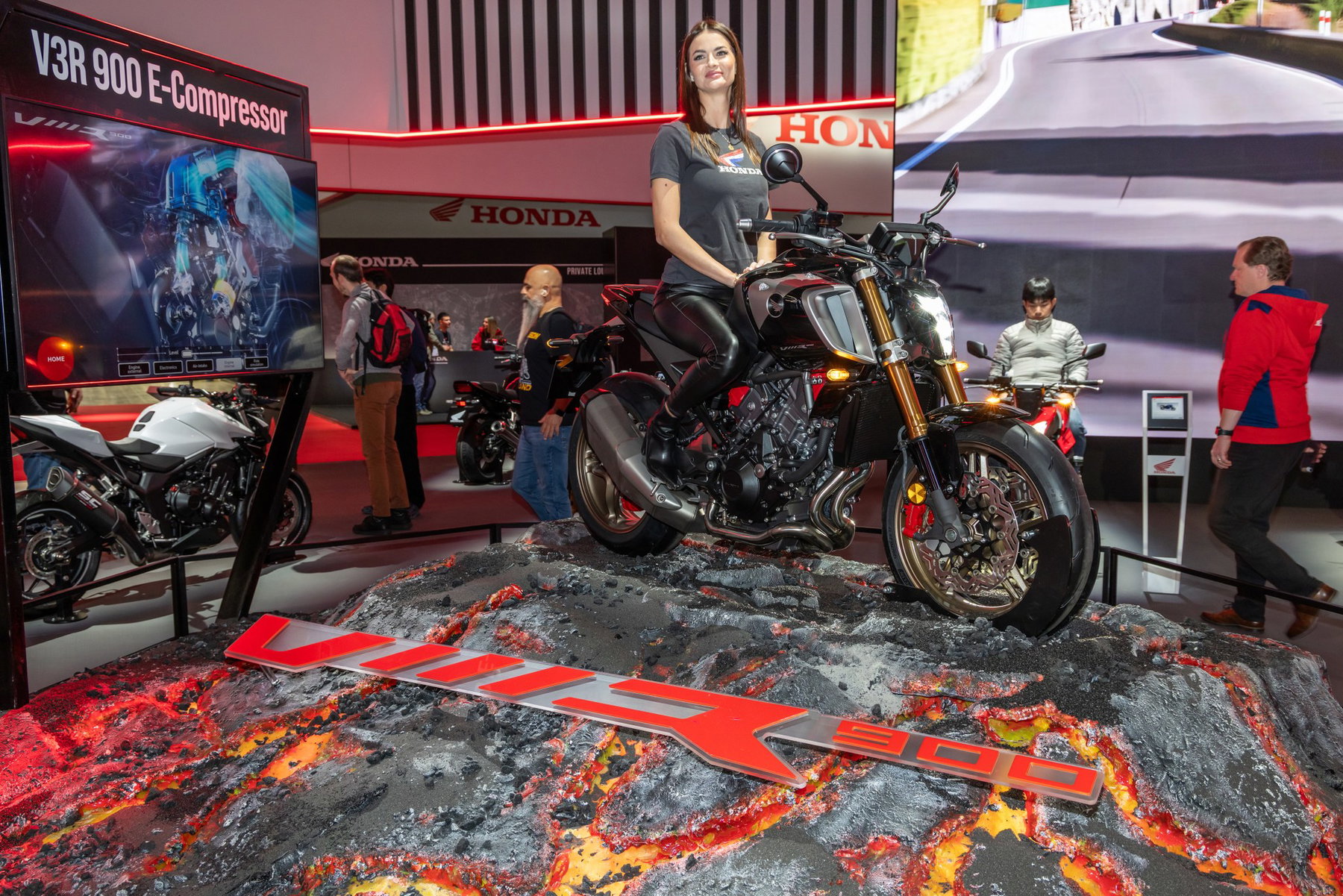
The second focus is engines. The V3R 900 E-Compressor, with its V3 and electrically driven compressor, was already on display in Milan as a pre-production model. De Jaeger did not give a date for the start of series production, but the wait is said to be short. Whether the engine will spawn an entire model family depends, he says, on how customers react to the first model.
What is behind the engine problems of the CB1000 Hornet?
Honda admits to quality problems with some of the large CB1000 models this year and has even replaced complete engines for affected customers. It says it is now back on track.
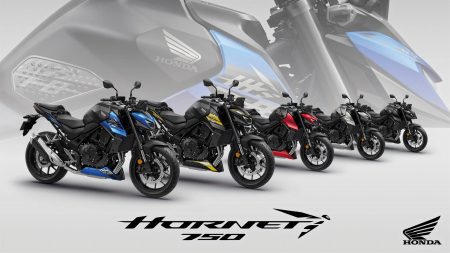
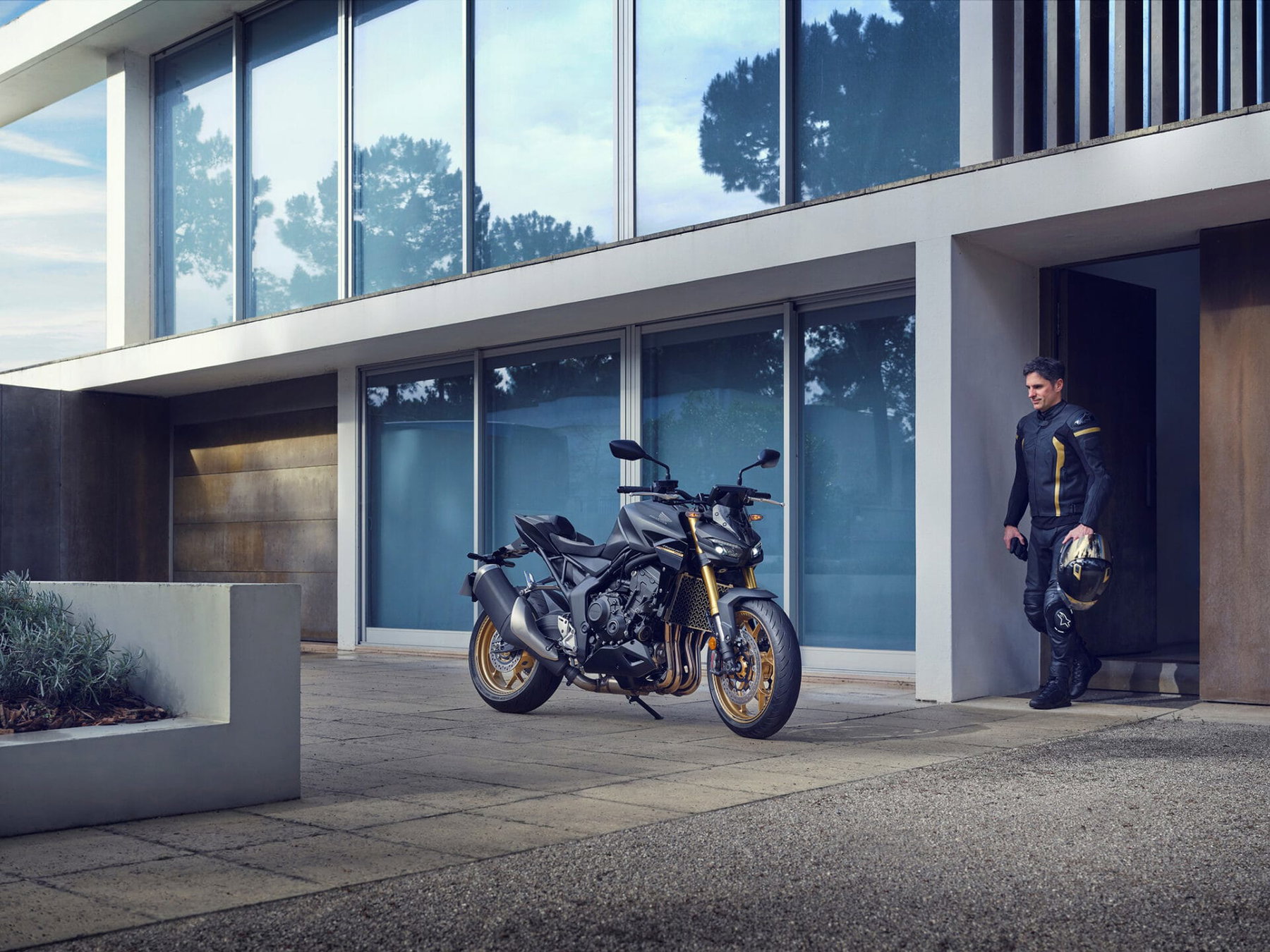
De Jaeger clearly denies the obvious question of whether the aggressive pricing was to blame. The CB1000 Hornet is a 1,000 cc naked bike that costs under 10,000 euros (around 10,960 US dollars). The problem had nothing to do with the price or with cost-cutting, he says; the cause was something else. He did not say exactly what.
The question is a sensitive one, because Honda wants to distinguish itself from cheaper rivals precisely through quality and reliability. De Jaeger therefore stresses that quality always comes first at Honda and is never sacrificed for a target price. He did not reveal how much the engine replacements cost the manufacturer, only hinting that it was not cheap.
How strong is Honda still in Europe?
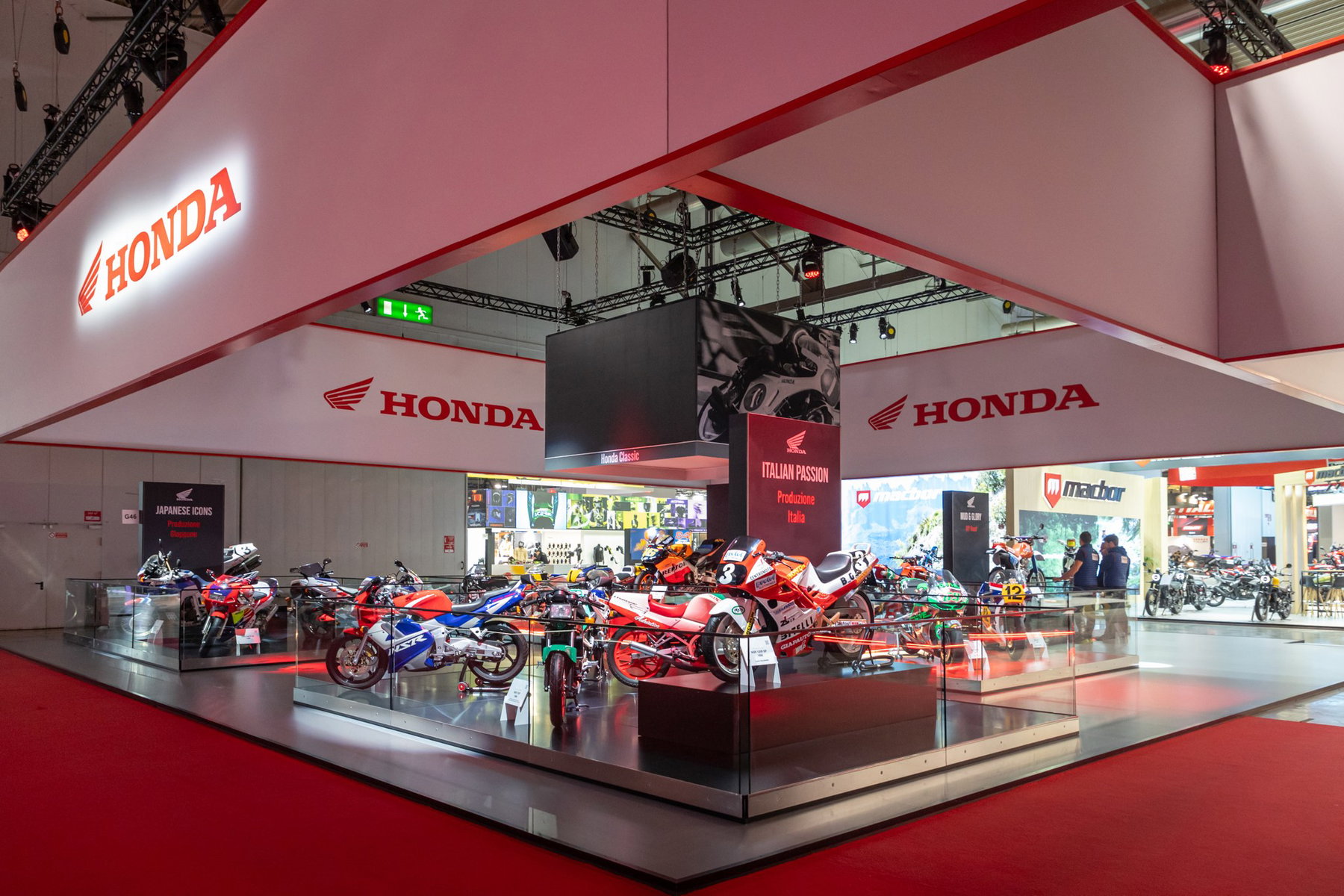
According to Honda, it is the market leader in 17 of the 20 European countries in which it is directly represented, with an overall market share of more than 20 per cent. Honda has held this position not just for one year, but for several years.
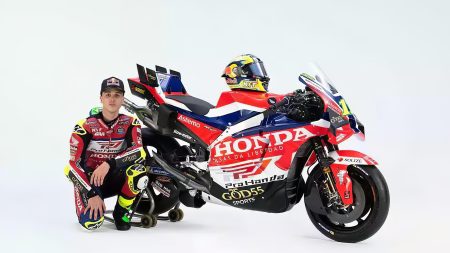
For Honda, Europe matters above all when it comes to emotional motorcycles. For large bikes and pure leisure motorcycles, Europe is the largest market in the world according to De Jaeger, with around 60 per cent of Honda’s global unit sales in these segments sold here. Accordingly, Europeans have a strong say in development. The more off-road-capable Africa Twin Enduro Sports, for example, is based on requests from European customers, the X-ADV was created at the development centre in Rome, and a team in Milan is now working on MotoGP development.
Production also remains an issue in Europe. The plant in Atessa, Italy, has been running at full capacity for years and has now also started production of the ADV125. The new plant in Turkey, on the other hand, is initially only intended to supply the Turkish market, because Turkey imposes additional tariffs on vehicles from countries outside Europe. Continental Europe remains Atessa’s responsibility.
How is Honda approaching electric motorcycles?
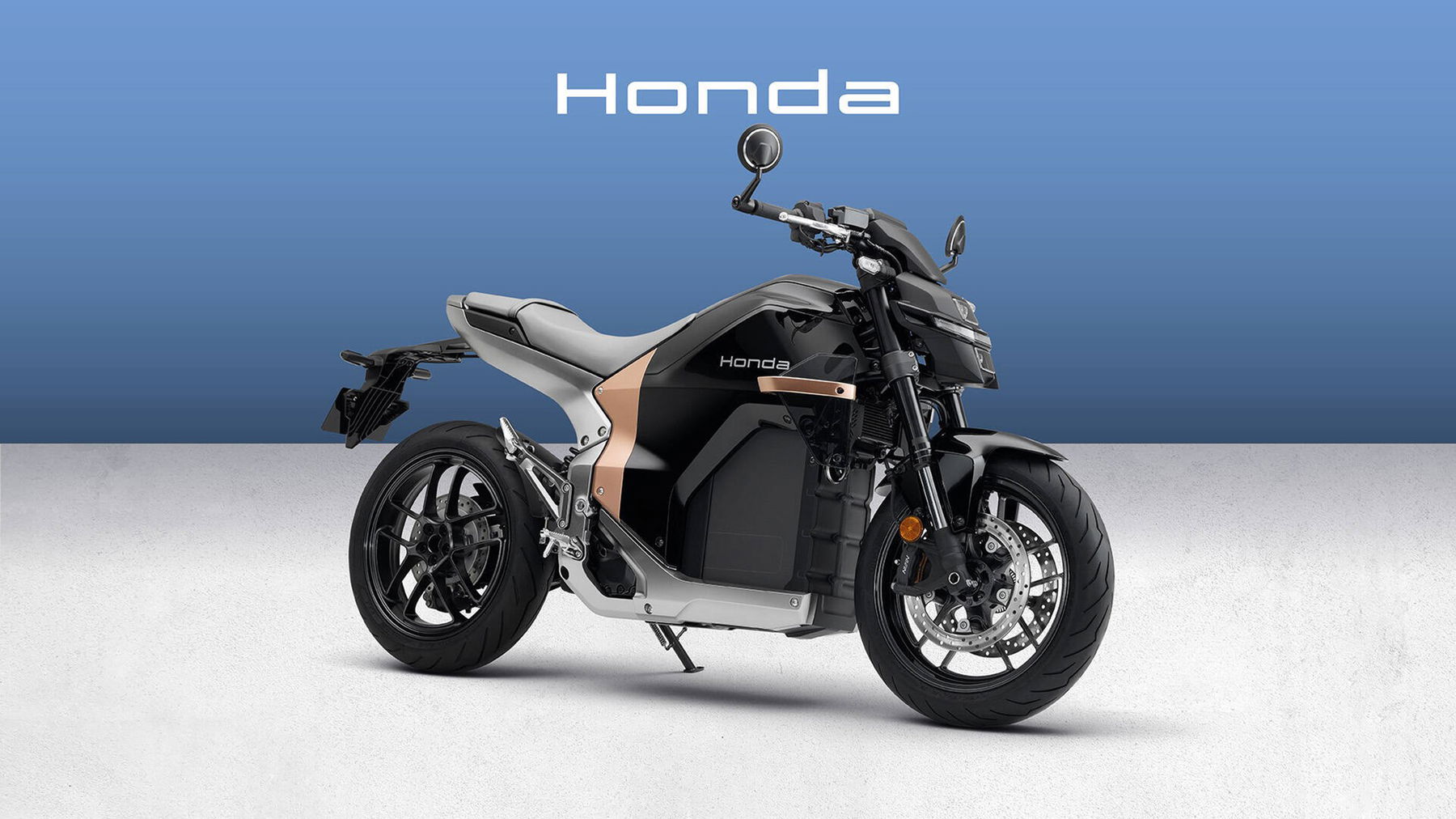
Honda does not want to push electric motorcycles into the market, but to expand its range where there is genuine demand. Worldwide, the manufacturer has 16 electric models; in Europe there are three, or four including the new RN0 e-mountain bike.
De Jaeger deliberately draws a comparison with cars. There, he says, politics pushed manufacturers hard towards batteries before customers were ready, and today some buyers doubt whether they will buy an electric car again. He wants to avoid this mistake with motorcycles. Regulations are needed, but customers should decide on the pace. One goal nevertheless remains ambitious: Honda wants to become number one in electric motorcycles too, including in the leisure segment, and to be carbon neutral across all motorcycle products by the 2040s.
What this path looks like is shown by the WN7, Honda’s first electric motorcycle for leisure riding. Expectations were deliberately set low, but according to the head of Honda Europe, the reactions were better than expected. For now, Honda is not measuring the WN7’s success in units or profit. The manufacturer first wants to understand what convinces someone to ride an electric motorcycle and put that knowledge into the next model.
How does Honda want to attract new riders?
Honda is focusing on rider training, on women as a growing customer group and on affordable entry-level vehicles for young people. Up to 25,000 riders across Europe are expected to be trained this year.
De Jaeger is responding to concerns that motorcyclists in Europe are getting older and that the licence, insurance and vehicle represent a high hurdle for many young people. Honda runs safety training courses in Germany, Spain, the United Kingdom and Turkey, among other countries, and according to the manufacturer the courses are often fully booked. A new riding school at the Atessa plant is being added. In the long term, such offers are to be available in all national markets, because training can take away the fear of getting started.
Then there are female customers. Around 20 per cent of new Honda motorcycles go to women, which De Jaeger sees as an important opportunity for growth. Honda has learned a lot from Spain and Italy, where young people often come to motorcycling via small commuter vehicles such as the SH, the PCX or the new ADV125. The goal is a lifelong relationship: from the first 125 to the big motorcycle as needs change.
Frequently Asked Questions
-
Who is Hans De Jaeger?
Hans De Jaeger has been President of Honda Motor Europe since April 2026 and heads the Europe, Africa and Middle East region. The Belgian has been with Honda for more than 33 years and is the first non-Japanese executive to lead one of the manufacturer’s regions.
-
Honda and the Chinese competition: how is the manufacturer responding?
Honda does not want to compete with Chinese manufacturers on price, but on technology, quality, brand and service. This includes DCT, E-Clutch and radar-based assistance systems such as those on the new Africa Twin.
-
Why did Honda replace engines on the CB1000 Hornet?
Some of the large CB1000 models had quality problems this year, so Honda replaced complete engines on affected motorcycles. According to the head of Honda Europe, this had nothing to do with the price of under 10,000 euros; Honda has not disclosed the exact cause.
-
How many electric models does Honda have?
Honda offers 16 electric models worldwide, three of which are available in Europe. Including the RN0 e-mountain bike, there are four.