- Patent filed in early 2026, published in August 2026
- Controlled by sensors built into the rider’s gear
- Riding modes covering automatic, off-road plus a slow and a fast gait
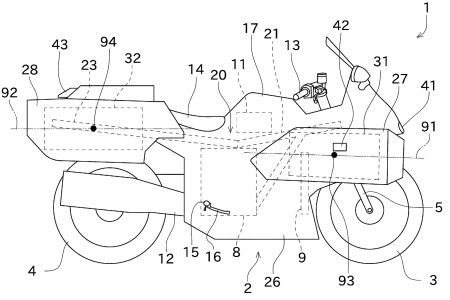
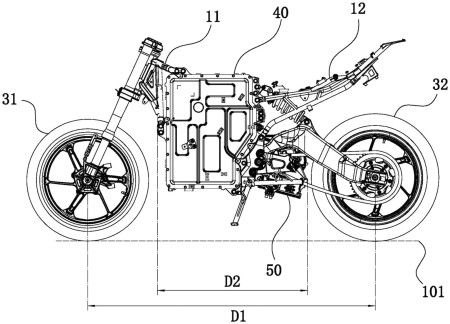
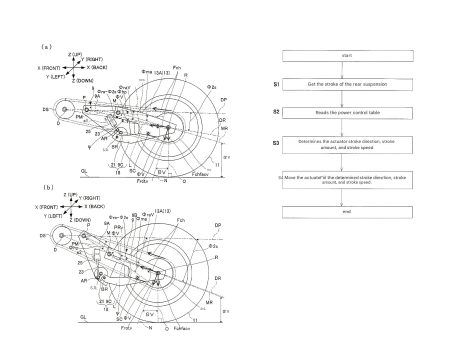
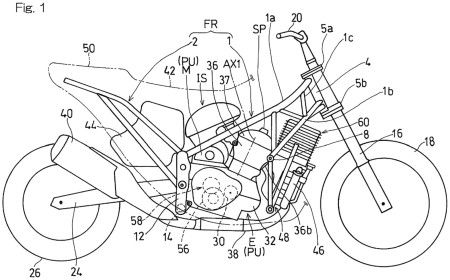
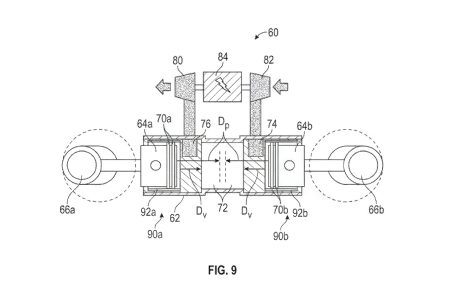
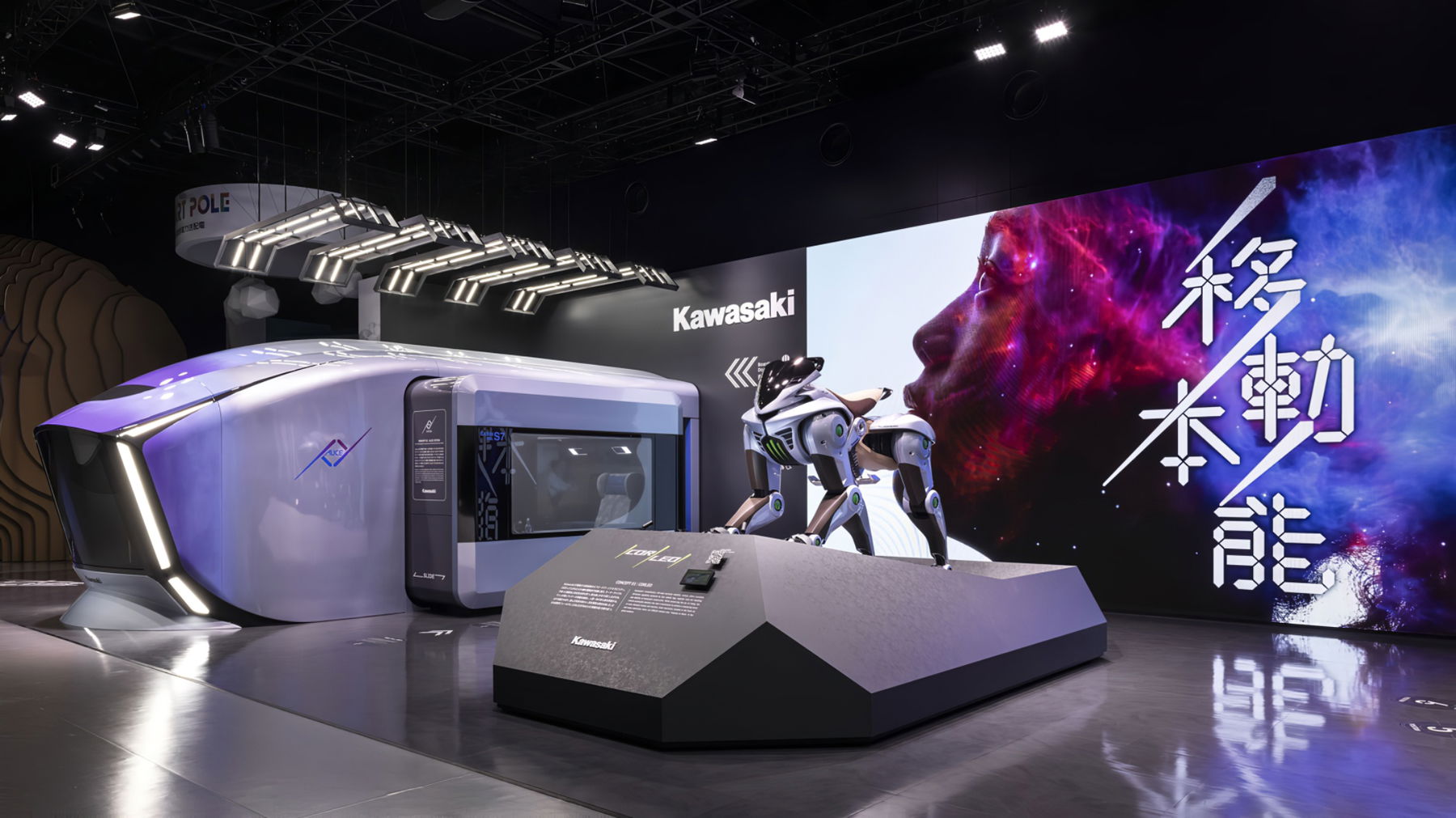
Until now the Corleo has been little more than an idea with attractive images. Kawasaki first showed the four-legged vehicle around Expo 2025 in Osaka, and later announced plans to turn the concept into a real product. How the whole thing is supposed to work technically remained largely unanswered. A patent application published in August 2026 changes that. Alongside numerous engineering drawings it contains detailed descriptions of the controls, the suspension and the safety systems.
What does the new patent application say?
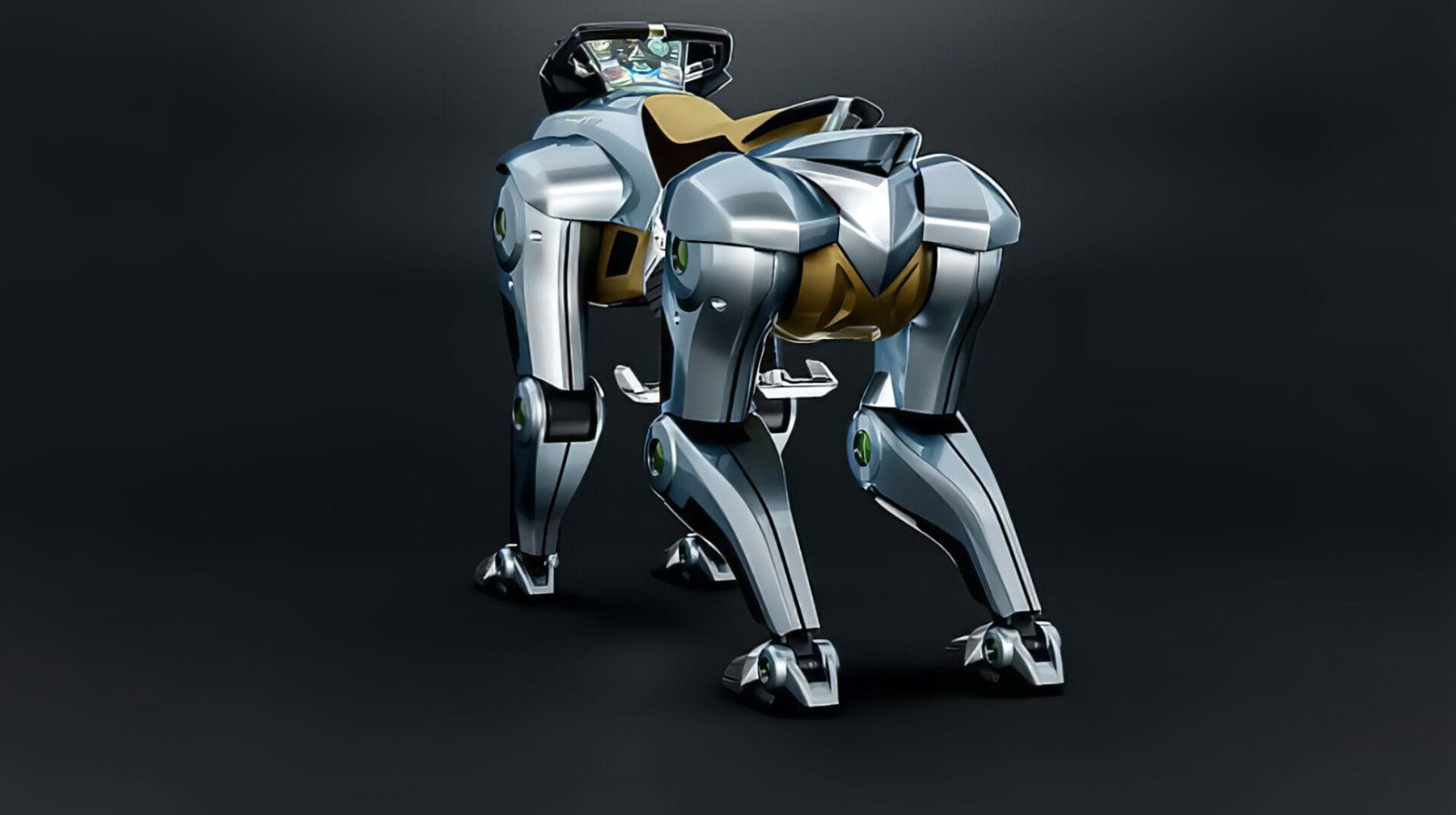
The documents describe a four-legged vehicle that looks very much like the Corleo shown to the public, and they explain how it is operated in detail. According to the available information the application was filed in early 2026 and only published in August 2026. That kind of delay is normal in patent matters, because applications only become publicly accessible after a blocking period.
What stands out is the scope. This is not just about the mechanics of the legs, but about the entire interplay between human and machine. That is where the actual news value lies, because the technical key data of the concept was already known.
Why does the rider need special gear?
Because the Corleo has to measure the rider’s movements in order to know where it is supposed to walk. To that end the patent describes a dedicated set of gear with built-in sensors, including what is known as an inertial measurement unit. Such a component records attitude and acceleration, much like modern motorcycles use for their rider assistance systems.
These sensors continuously monitor where the rider’s centre of gravity currently sits and how it shifts over time. If the rider leans to the left, the Corleo reads that as a request to turn left. Leaning right applies the opposite. A throttle grip in the classic sense no longer plays a significant role.
Four articulated legs, suspension and room for two
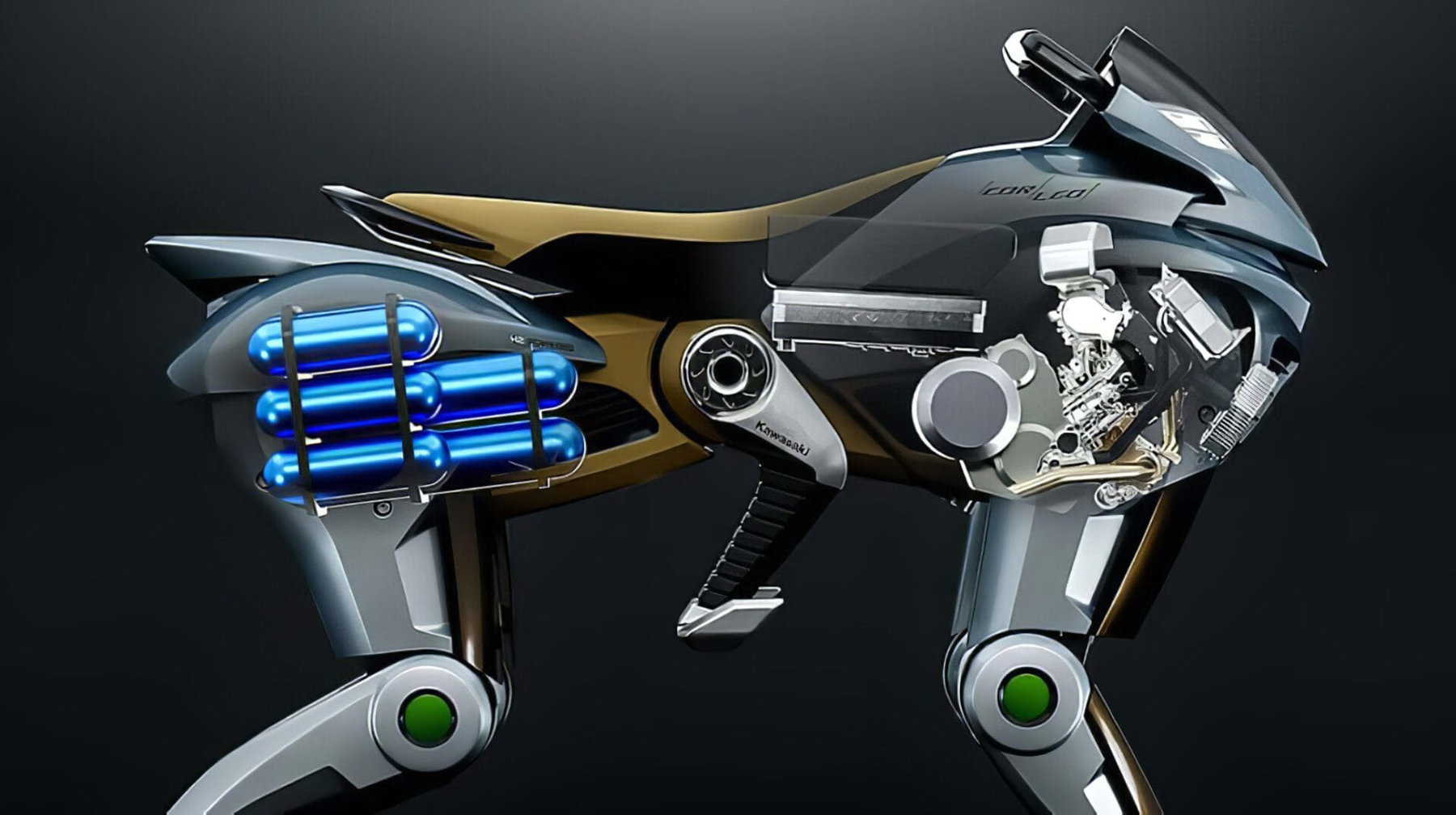
In the drawings the legs are articulated at several points and fitted with spring elements. They are meant not only to walk, but also to absorb bumps so the person in the saddle is not shaken about. Kawasaki is transferring experience from motorcycle engineering here, where swingarms and shock absorbers do the same job.
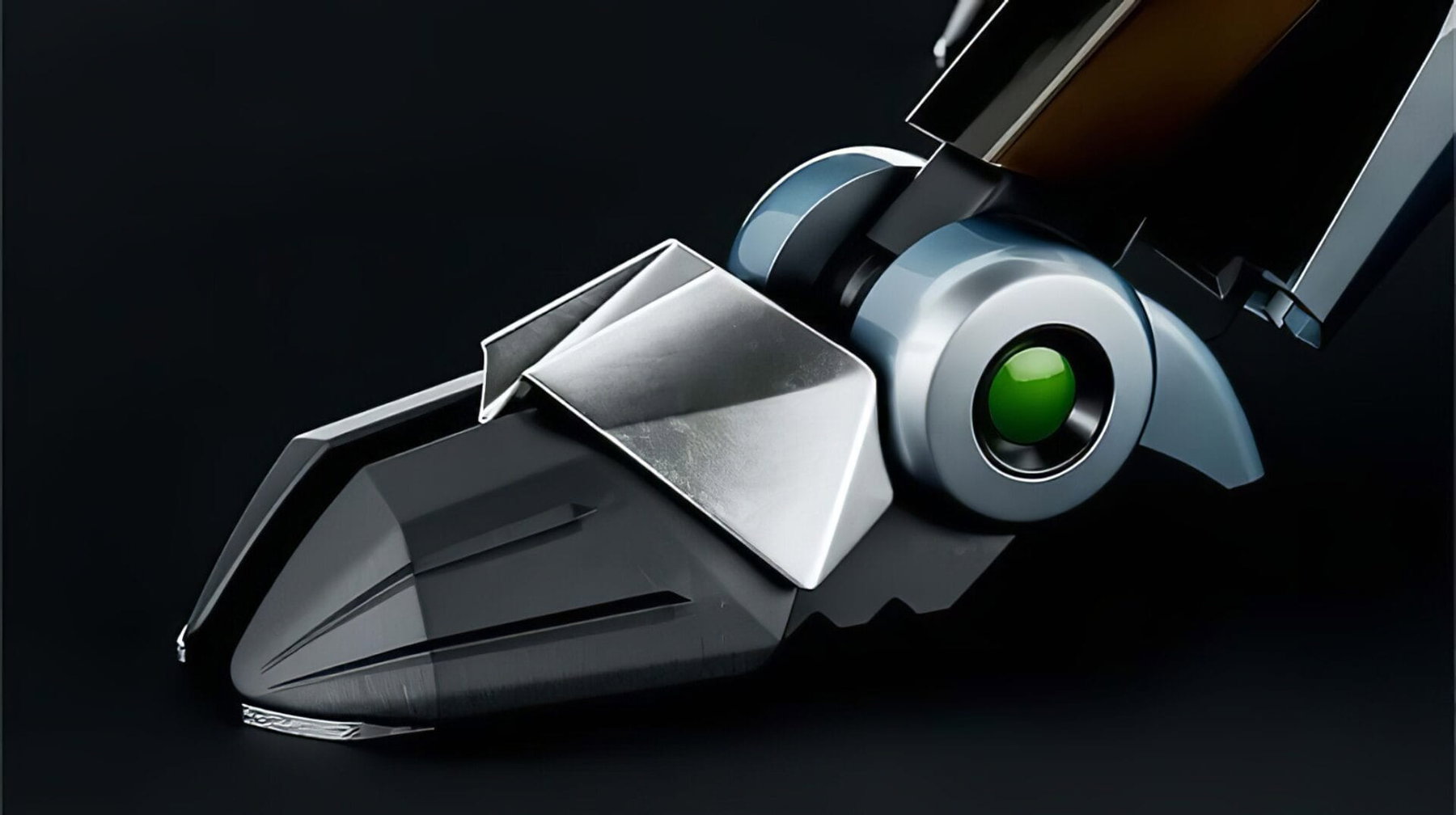
A previously unknown detail is the two-up capability. The patent provides for two people to sit on the Corleo at the same time. Adjustable footrests are planned for both. In the drawings these look more like motorcycle footpegs than classic stirrups, which underlines the hybrid character of the machine.
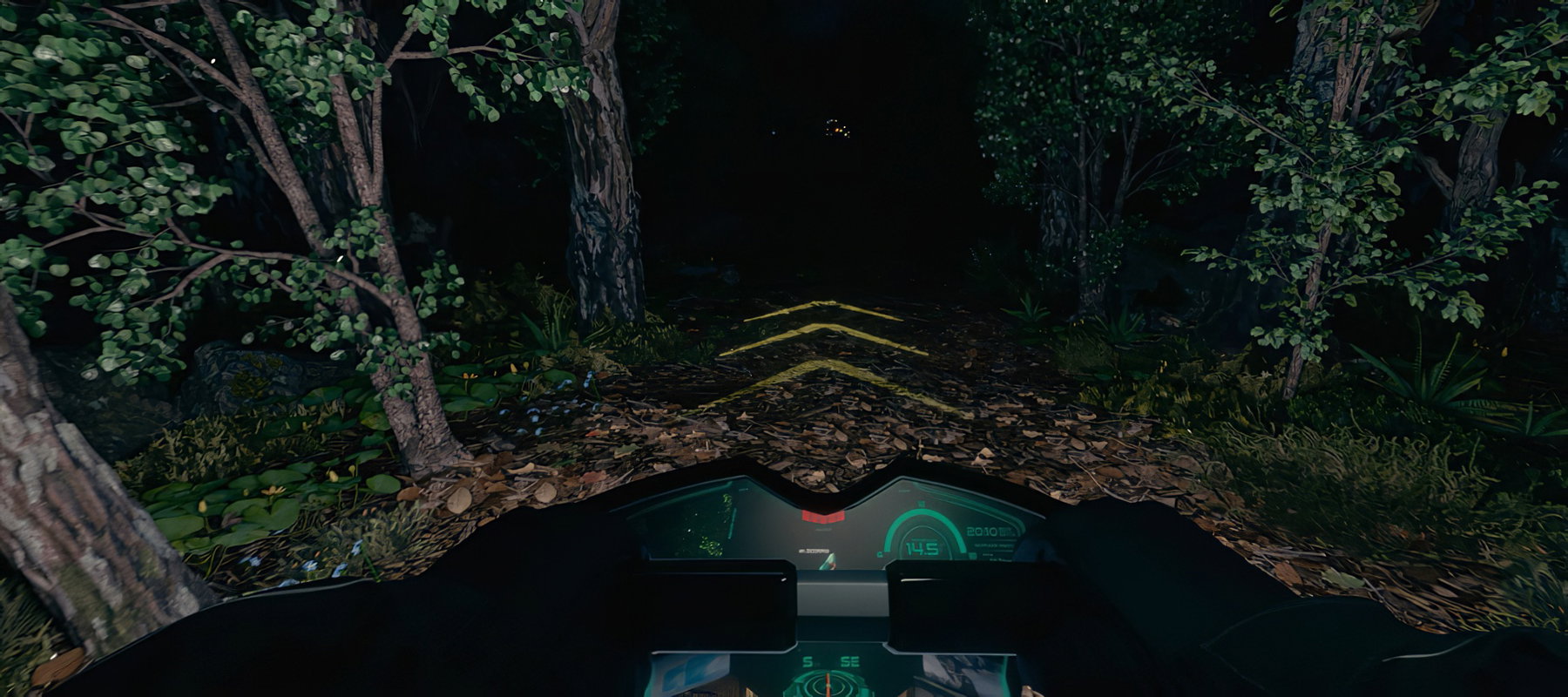
On top of that there is an onboard storage compartment for smaller items. That sounds mundane, but it is an indication that Kawasaki thinks of the Corleo as a usable object and not merely as a technology demonstrator. The lighting, too, is more than just a lamp. It is meant to illuminate the path and to warn other road users, people and animals in the vicinity. Brightness and direction adapt to the surroundings.
Which riding modes does the patent provide for?
The documents name an automatic mode as well as an off-road mode, referred to in the English original text as “wasteland mode”. Added to that are a slow and a fast operating mode, allowing the pace to be matched to the situation.
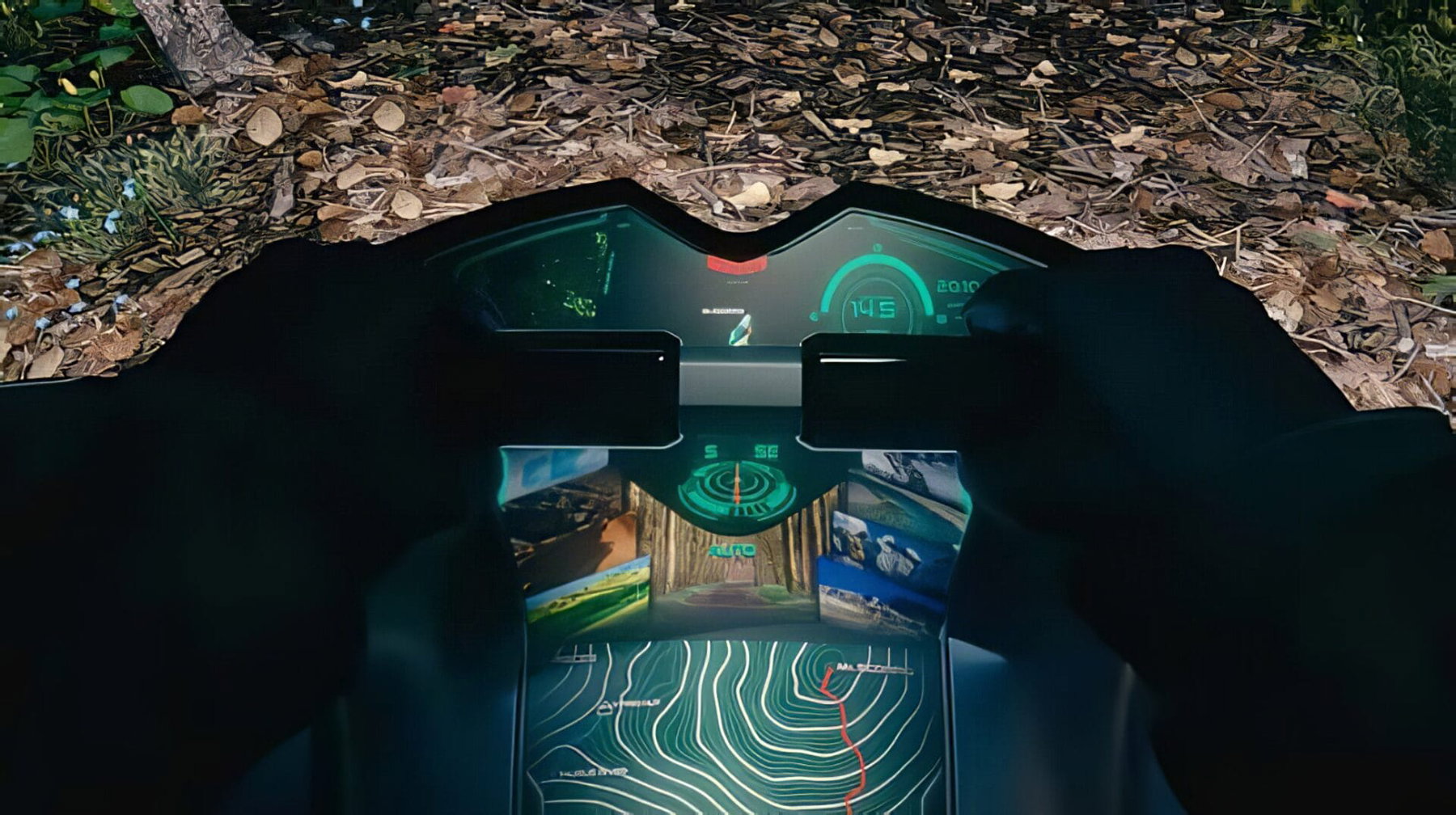
Another point is interesting: according to the drawing descriptions, the suspension of the front and rear legs can either work in a linked fashion or independently of each other. Both variants are described, and no decision has been made. For operation, a touchscreen and controls on the grips are planned, just as modern motorcycles have.
What happens if the rider loses control?
The Corleo then slows down on its own or comes to a complete stop. The patent describes an automatic stop function that constantly checks, via the onboard sensors, how the rider is seated and how they are holding the controls.
If the hands slip off the grips, the system intervenes. If the rider pulls on the grips, much like on a horse’s reins, that is also understood as a stop signal. How strong the deceleration turns out to be depends, according to the descriptions, on the forces at work.
Where does the power for the four legs come from?
From a generator driven by a combustion engine. That engine simultaneously produces the energy for the onboard electronics. The choice of words is striking: the patent describes the drivetrain in general terms and apparently leaves the door open to combustion types other than hydrogen.
The publicly shown concept, by contrast, was unambiguous. There Kawasaki names a hydrogen engine with 150 cc displacement supplying power to the drive units in all four legs. The hydrogen comes from a cartridge at the rear that can be swapped out. That solution suits a vehicle intended to travel far away from any filling station.
What are the next steps for the Corleo?
Kawasaki is sticking to the timetable already announced. A working vehicle is due to be deployed at Expo 2030 in Riyadh, with commercialisation targeted for 2035. A dedicated team reporting directly to the group’s leadership has been set up for development.
The Corleo is therefore part of a bigger picture. Kawasaki has been working on hydrogen drivetrains for two-wheelers for years and had already shown a walking four-legged robot back in 2022. The four-legged vehicle brings both strands together, robotics and motorcycle engineering.
Which questions remain open?
The most important everyday figures are still missing. The documents say nothing about top speed, range or operating limits in heat, cold or wet conditions. Exactly what difficult terrain is allowed to look like also remains unanswered.
The price is equally open, as is the question of who is ultimately supposed to use the Corleo. Rescue services in inaccessible mountain regions, tourism operators or private customers are all conceivable. A patent, moreover, only ever describes what is to be legally protected. Whether every detail will later be built is another matter.
Frequently Asked Questions
-
What is the Kawasaki Corleo?
The Kawasaki Corleo is a four-legged vehicle that a person sits on much like a horse. Kawasaki describes it as an off-road capable vehicle for personal mobility. It was first shown around Expo 2025 in Osaka.
-
How is the Kawasaki Corleo controlled?
Through the rider’s weight transfer. Sensors in a dedicated set of gear continuously record the centre of gravity, and leaning to the left or right is read as a request to change direction. There are also controls on the grips and a touchscreen.
-
Can two people ride on the Corleo?
Yes, the patent provides for two-up operation. Adjustable footrests are planned for both, resembling motorcycle footpegs rather than stirrups.
-
When is the Corleo due to reach the market?
Kawasaki is targeting commercialisation for 2035. Before that, a working vehicle is due to be deployed at the 2030 Expo in Riyadh.
-
What drivetrain does the Corleo use?
A combustion engine drives a generator that supplies power to the drive units in the four legs and to the electronics. The concept shown to the public uses a hydrogen engine with 150 cc displacement and a swappable cartridge at the rear.
➜ This article is part of our comprehensive overview: Motorcycle Patents and Future Technology: What Manufacturers Are Developing. Find all key information on this topic in one place.