- KTM Factory Racing remains 100 percent owned by the group
- Bajaj and KTM decide against external investors despite intensive negotiations
- The company’s restructuring enables financial independence in racing
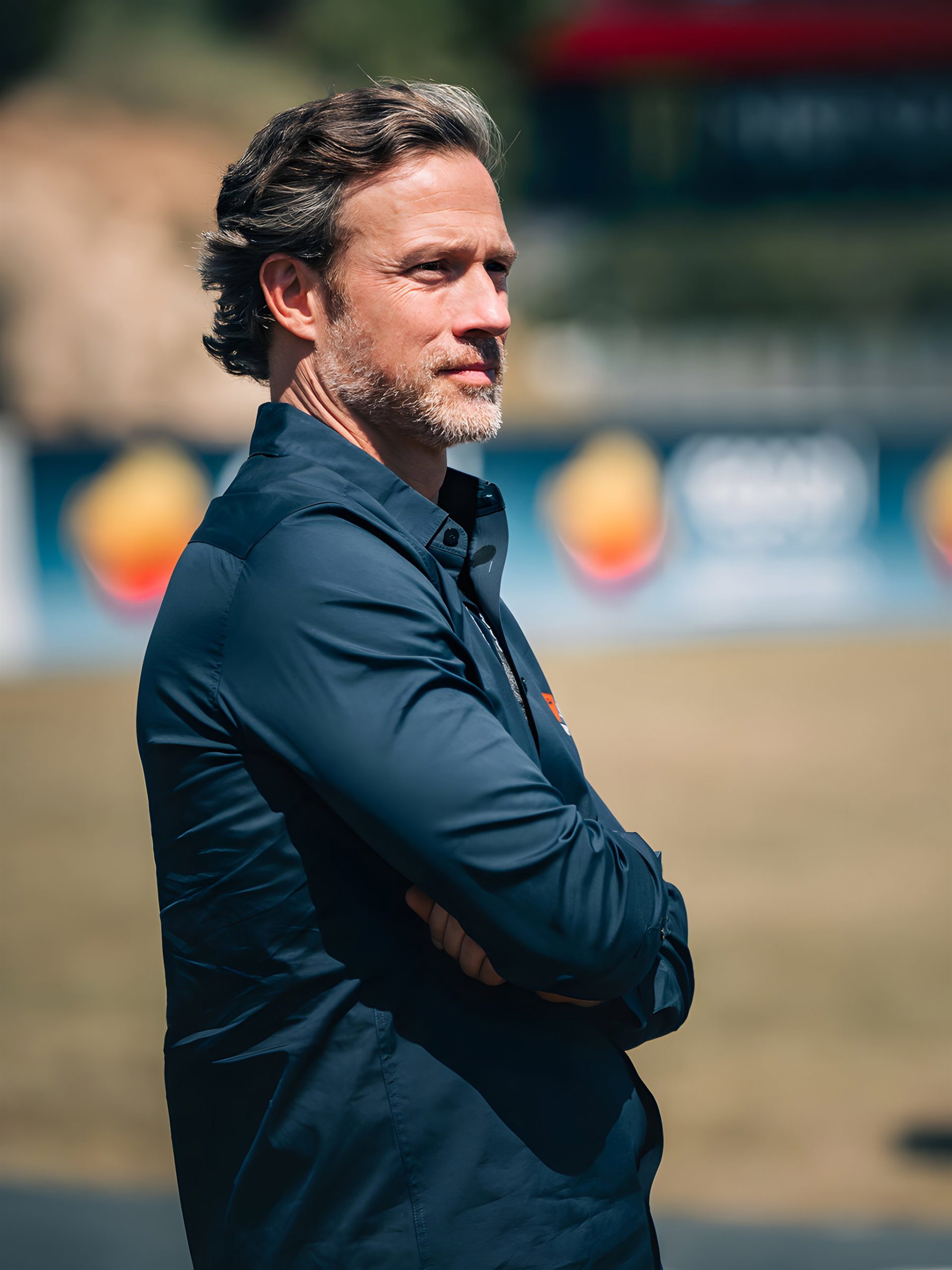
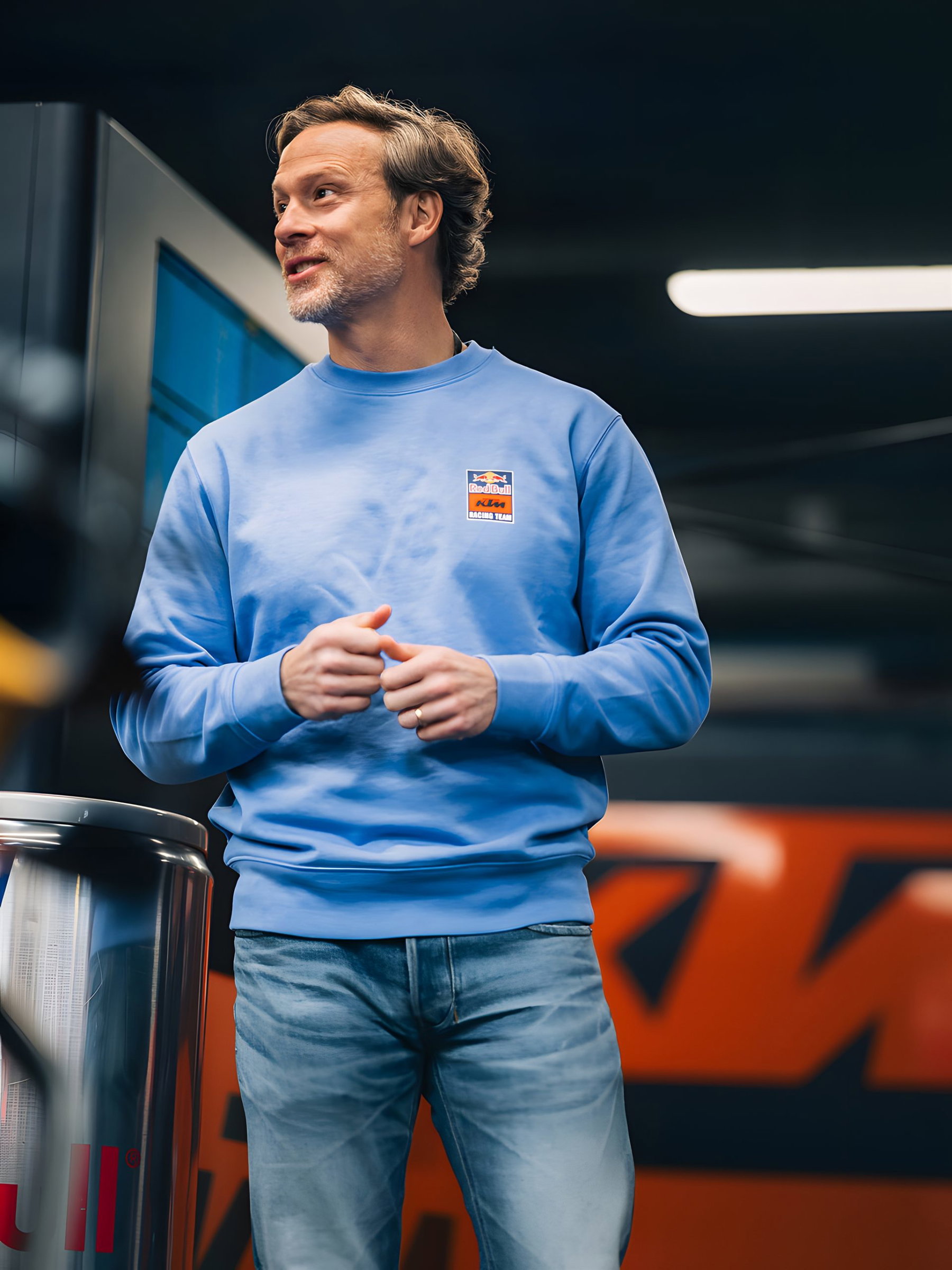
For more than a year, the MotoGP world was preoccupied with one central question: Would KTM sell a stake in its factory racing division to investors? At the Catalan Grand Prix in Barcelona, KTM CEO Gottfried Neumeister has now answered that question unequivocally. The answer is: No.
Why Did KTM Stop the Investor Search for Factory Racing?
KTM and majority shareholder Bajaj have decided to continue running their factory racing operation without external investors. I can confirm with pleasure that together with Bajaj’s management, we have decided to continue managing official motorsport with full strategic independence, without external investors,” Neumeister said. They had come to the conviction that independence was the best path to achieving their ambitious motorsport goals.
The decision did not come out of nowhere, but its finality was far from foreseeable. As recently as November 2025, Neumeister had told SPEEDWEEK.com that he expected a signature “before Christmas.” The concept at the time envisioned a partner who would cover up to 30 percent of ongoing costs without gaining control of the team. Neumeister emphasized at the time: “Money alone is a bit too little; the personal chemistry has to be right, too.”
How Was KTM Factory Racing Valued?
The process, which KTM had set up with an external advisor, resulted in a valuation of the motorsport operation in the nine-figure range. In Barcelona, Neumeister described being “impressed ourselves” when confronted with this figure. Subsequently, there were several concrete discussions with potential investors aimed at a partial sale.
According to Neumeister, the interest was enormous. At times, new inquiries were coming in almost daily. KTM motorsport director Pit Beirer had first publicly mentioned the possibility of investor involvement in January 2025, bringing the topic into the paddock. In the months that followed, numerous names were linked to the project, including Formula 1 record world champion Lewis Hamilton.
What Role Did the CFMoto Discussion Play?
In December 2025, reports circulated that the Chinese manufacturer CFMoto, a long-standing strategic partner of KTM, could take over the MotoGP project. The trigger was the visit of a CFMoto delegation to Upper Austria. Neumeister emphatically rejected the speculation in an interview with Motorsport-Magazin: “I can rule that out, because it would mean selling the project completely.” He explained that CFMoto owner Lai Minjie had merely been invited for a routine visit after the EICMA motorcycle show in Milan. The takeover rumor had been constructed from a photograph of this meeting.
KTM made clear that it was focusing on financial investors who would accept a minority stake and bring not only capital but also technical expertise or sponsors. Giving up control of the team was never on the table.
What Enables KTM’s Independence in Racing?
The basis for the decision against investors lies in the economic stabilization of the overall group. KTM’s parent company Bajaj Mobility (formerly Pierer Mobility) reported clear signs of recovery for the first quarter of 2026. Group revenue rose by 70.2 percent to 331.3 million euros. Motorcycle sales of the KTM, Husqvarna, and GasGas brands increased by 125.1 percent to 40,332 units, while motorcycle revenue climbed by as much as 151.6 percent to 272.4 million euros.
For the first time since the insolvency in late 2024, EBITDA turned positive at 5.5 million euros, after a loss of 55.8 million euros had been recorded in the same quarter of the previous year. EBIT improved by 65.5 million euros to minus 26.1 million euros. In February 2026, KTM AG also secured refinancing of 550 million euros from an international banking consortium consisting of J.P. Morgan, HSBC, DBS Bank, and MUFG Bank. This loan was used to fully repay the restructuring credit from Bajaj Auto International Holdings amounting to approximately 473 million euros.
In Barcelona, Neumeister pointed directly to this development: “The foundation for this is that we have successfully turned the corner in the course of the restructuring and possess the financial strength to afford factory racing. And not just afford it, but also invest in it.”
How Much Did the Restructuring Cost KTM?
The road to financial stability came with drastic cuts. When Neumeister took over full responsibility in late January 2025, according to Industriemagazin, more than 44 million euros in fixed costs per month were burdening the business. Overheads in 2024 stood at over 530 million euros. They have since been reduced to 415 million euros. The workforce shrank from over 6,000 to around 3,400 employees. An additional 500 positions are set to be cut by the third quarter of 2026. The number of group companies was reduced from over 90 to 77, the bicycle business was divested, and the model range was streamlined. Neumeister described the situation at the time of his appointment as one where “the patient had to be stabilized.”
Bajaj, the Indian majority shareholder, provided or secured a total of approximately 800 million euros. Neumeister stated that without the Indian investors, KTM would no longer exist today.
What Does the Decision Mean for Pit Beirer and the MotoGP Program?
For the team of motorsport director Pit Beirer in Munderfing, the rejection of investors means above all one thing: unrestricted freedom of action. There is no external stakeholder demanding a say in sporting or technical decisions. The entire racing budget, most recently estimated at around 60 million euros per year, remains under full control of the group.
Neumeister articulated the philosophy behind this in no uncertain terms: “Racing doesn’t work with the handbrake on. You have to be in a position to spend money when it matters. It certainly requires cost discipline, but also a certain generosity.” Already in autumn 2025, he had emphasized that it was not KTM’s role “to speculate on growth with outside capital.” Winning had to come first, not a business model.
Neumeister had put the importance of motorsport for KTM into broader context in late 2025 in an interview with Motorsport-Magazin: “Ready to Race” was more than a slogan. Through it, KTM had differentiated itself for over 40 years. Motorsport was “more important for the brand than for any other motorcycle brand in the world.” The motorcycles were not cheap compared to other manufacturers, and that price could only be justified through the best performance.
What Signal Does the Decision Send to the MotoGP Paddock?
The rejection of investors is simultaneously a clear commitment by Bajaj to the MotoGP program. This dispels the doubts that had circulated in the paddock since the insolvency in late 2024. For months, there had been speculation about whether the Indian owner would even approve the annual motorsport budget. In Barcelona, Neumeister said: “All of this also shows: Bajaj stands not only behind KTM, but also behind the commitment to MotoGP.”
The signal comes at a time when KTM is setting several strategic courses simultaneously. Also during the Catalunya weekend, Tech3 owner Günther Steiner and Pit Beirer confirmed the continuation of the partnership between the customer team and KTM beyond 2026. Steiner had previously also spoken with other manufacturers but decided to continue the existing collaboration. KTM will continue to supply Tech3 with full factory equipment. From 2027, a new technical era begins in MotoGP with 850cc prototypes, and KTM is already working on the corresponding development.
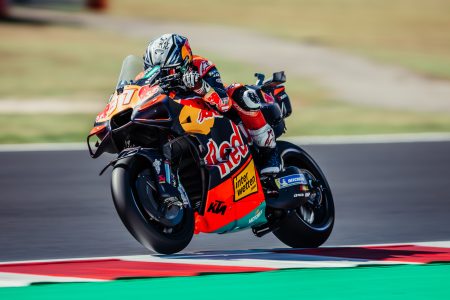
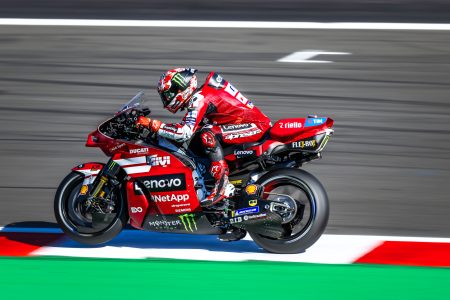
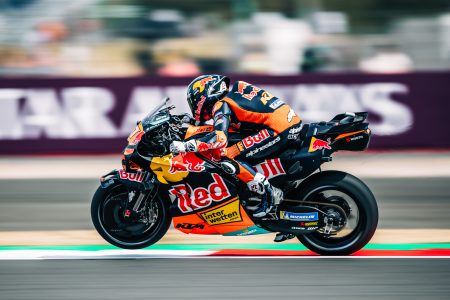
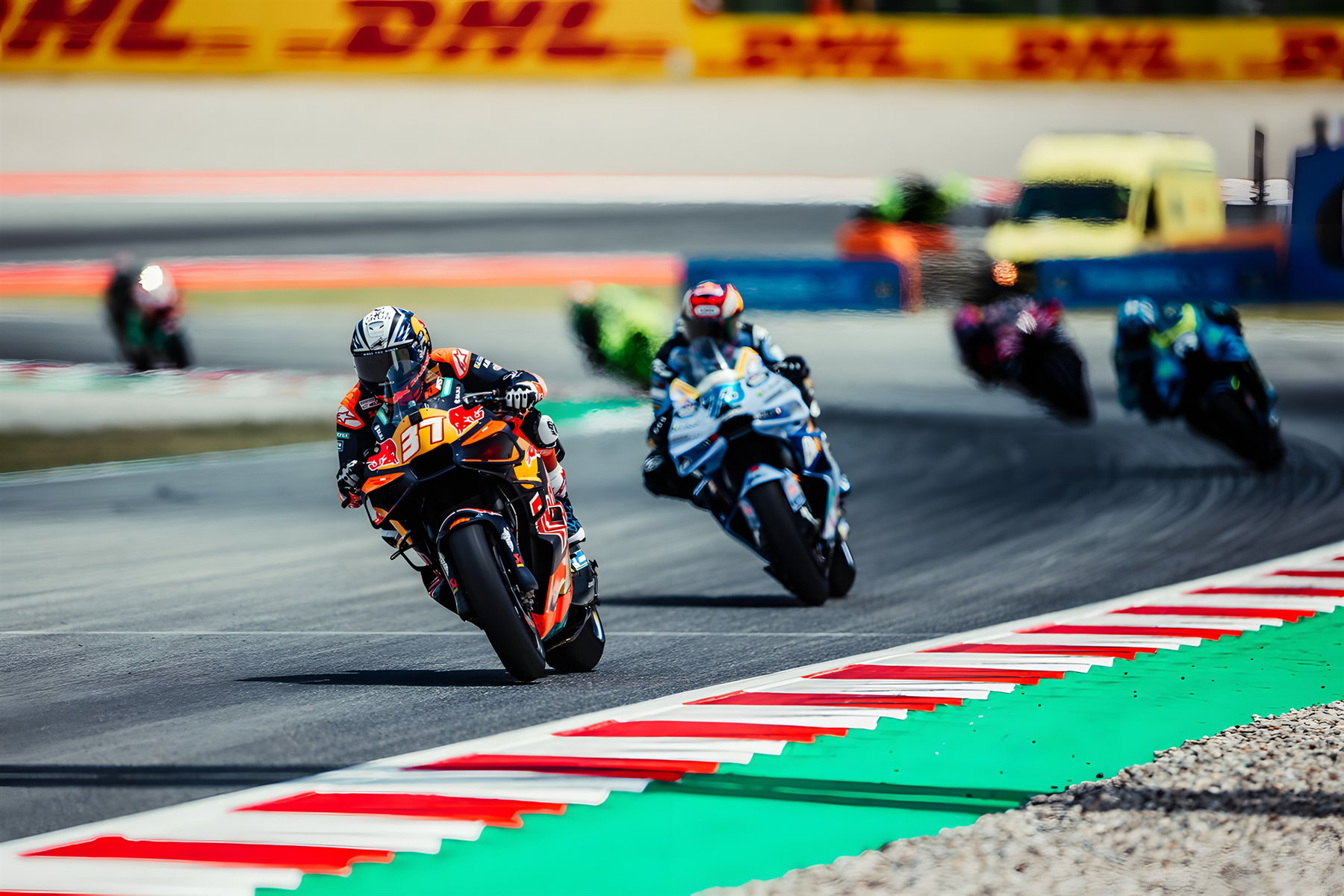
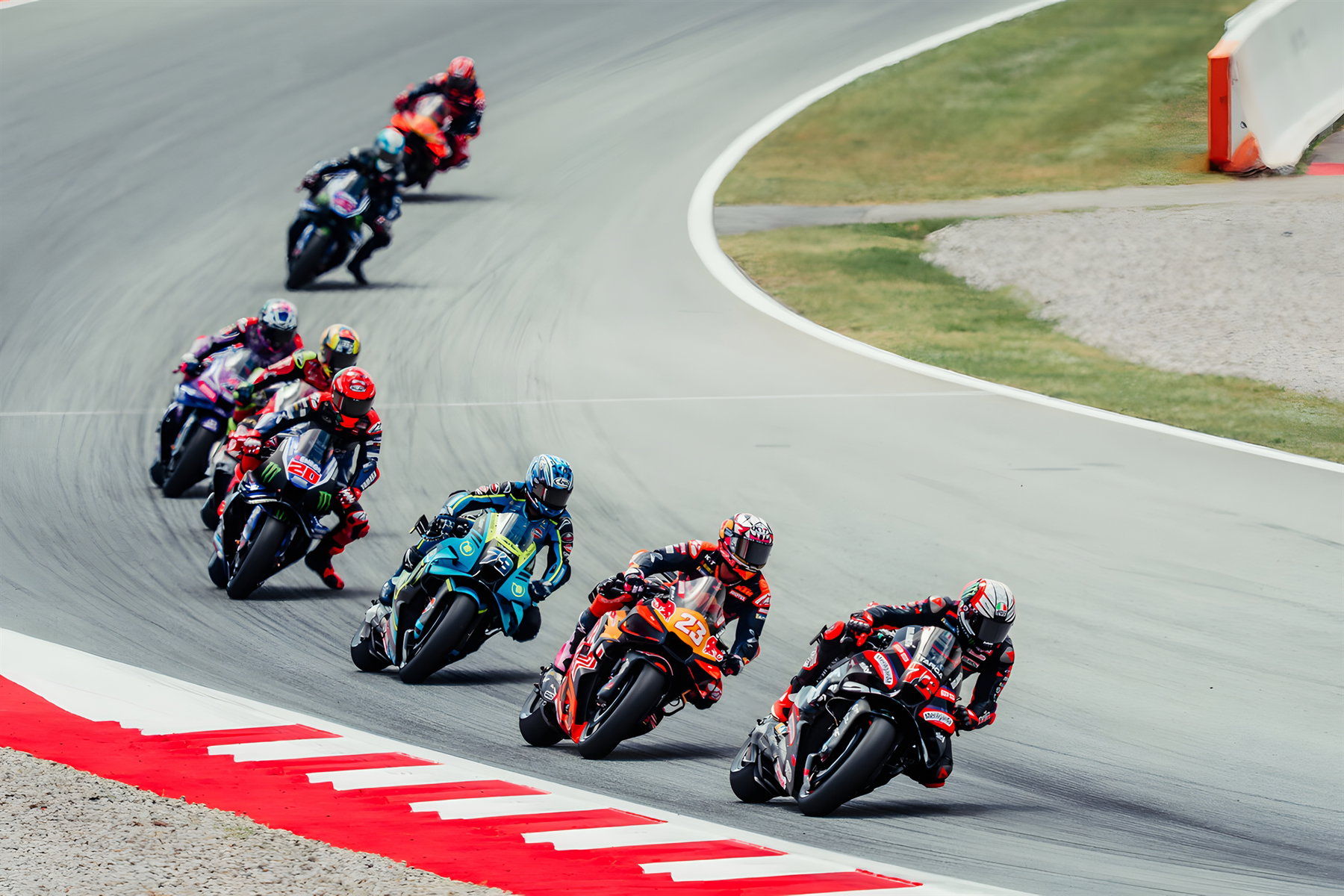
In the current 2026 MotoGP season, KTM fields Pedro Acosta and Brad Binder in the factory team, along with Enea Bastianini and Maverick Viñales at Tech3. After six race weekends, Acosta sits fourth in the championship standings. It is the tenth MotoGP season for KTM and also the last under the current 1000cc regulations.
Frequently Asked Questions
-
Why did KTM Factory Racing reject the investor deal?
KTM and majority shareholder Bajaj chose strategic independence for their factory racing operation. Despite a valuation in the nine-figure range and numerous concrete discussions with investors, the group concluded that full freedom of action was more important for their sporting goals than external funding.
-
What is KTM’s financial situation after the restructuring?
KTM’s parent company Bajaj Mobility reported a 70.2 percent revenue increase to 331.3 million euros and a positive EBITDA of 5.5 million euros for the first quarter of 2026. In February 2026, the company also completed a refinancing of 550 million euros, fully repaying the restructuring credit.
-
Will KTM remain in MotoGP long-term?
KTM has made a clear commitment to MotoGP by rejecting investor involvement and simultaneously extending its partnership with Tech3 beyond 2026. The group is already developing the 850cc prototype for the new regulations starting in 2027.
-
Was Lewis Hamilton in talks as an investor for KTM Factory Racing?
Lewis Hamilton was named in media reports as one of the potential investors. KTM confirmed strong general interest from various parties but did not name specific individuals, emphasizing that only a minority investor would have been considered.
-
How much does KTM’s MotoGP program cost per year?
KTM Factory Racing’s annual motorsport budget was most recently estimated at around 60 million euros. CEO Neumeister emphasized that the group has the financial strength not only to sustain this budget but also to actively invest in the racing program following the restructuring.
➜ More on this topic in our overview: 2027 MotoGP Season: The Complete Overview.
➜ This article is part of our comprehensive overview: MotoGP 2026 Season: The Complete Overview – Teams, Riders, Calendar & Standings. Find all key information on this topic in one place.