- FIM President Jorge Viegas calls MotoGP’s threat of penalties wrong, saying a sporting penalty for Yamaha is not possible
- All that remains is a possible fine under the contract between Yamaha and MotoGP
- Ezpeleta admits communication mistakes, Marc Marquez calls for a compromise with the riders
Two weeks ago, it all sounded like a power struggle with a clear outcome. Yamaha did not send any of its four MotoGP bikes to Lusail, and the series immediately announced sporting consequences. Now it turns out the threat had no foundation. The world governing body FIM, the only authority allowed to impose sporting penalties, simply finds nothing in its rules that fits the case.
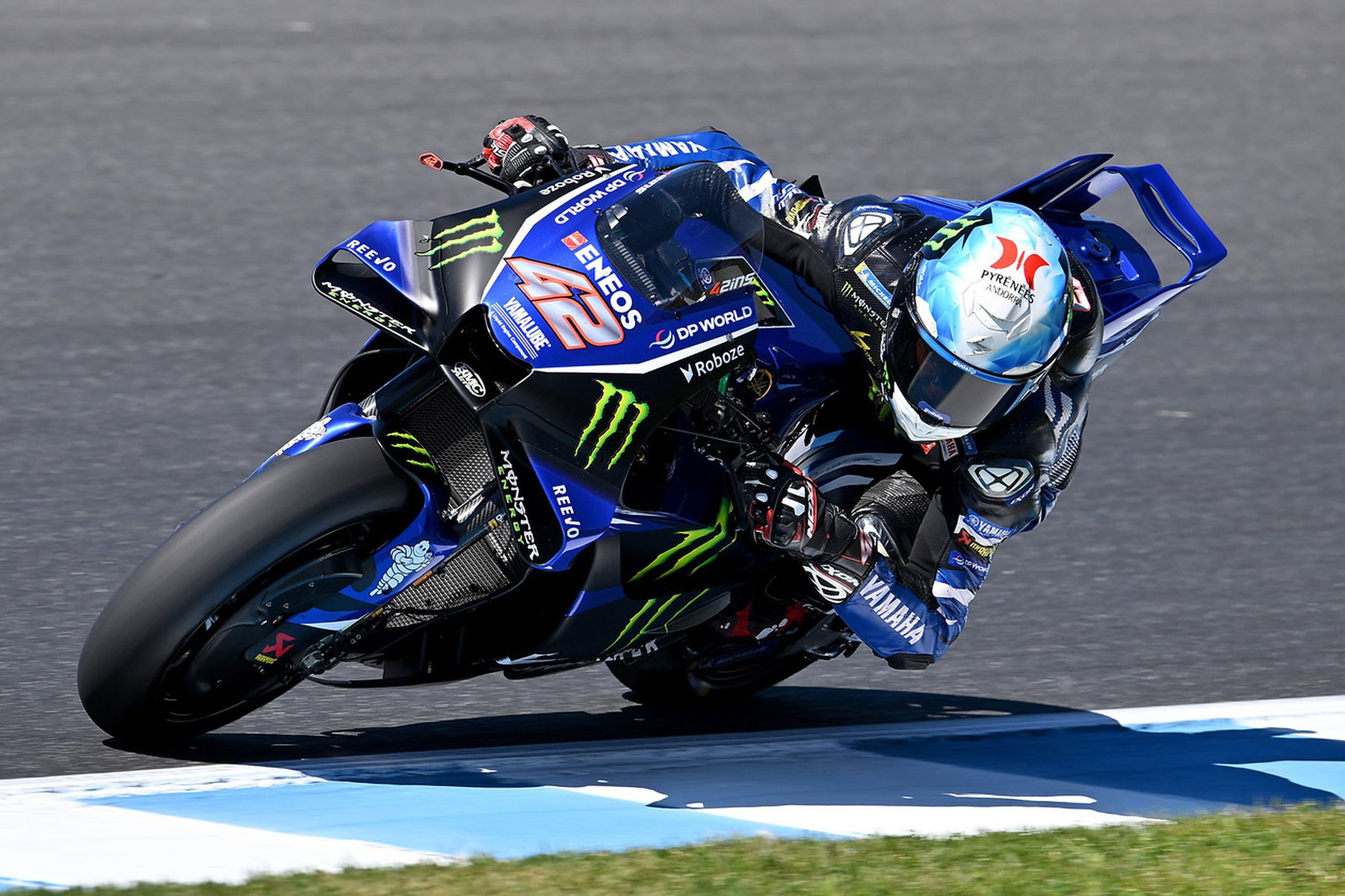
Will Yamaha be penalised for missing the Qatar GP?
There will be no sporting penalty for Yamaha, meaning neither race bans nor points deductions. The only possibility is a financial penalty arising from the contract between the manufacturer and MotoGP.
That has been made clear by FIM President Jorge Viegas, who had not commented publicly throughout the entire dispute over Qatar. MotoGP’s press release was not correct on this point, Viegas explains. It had spoken of sporting consequences that the FIM would then decide on. But such penalties simply do not exist in the federation’s rulebook.
Yamaha is to pay the fine to the organiser. The money is to be distributed among the teams that raced in Qatar. How large the sum will be is not known. It is also unclear how well the penalty can be enforced at all, as Yamaha has cited a group-wide travel policy for the Middle East.
Why can’t the FIM impose a sporting penalty on Yamaha?
The obligation to take part in every race is not laid down in the sporting regulations but in a commercial contract between MotoGP and the manufacturers. The FIM is not a party to this contract, and its disciplinary code does not provide for a penalty when a rider fails to show up for a race.
Viegas explains the mechanism like this: manufacturers and teams commit to MotoGP to field two riders at every race. If one drops out, a replacement rider has to step in. If a manufacturer breaks this agreement, it is a breach of contract, but not a rule violation in the sporting sense. The FIM is responsible for the sport, MotoGP for the contract. And MotoGP can only draw financial consequences from that contract.
Viegas does not completely rule out a change. He says the FIM may adapt the rules in the future, but at the moment there is no suitable regulation. That makes the Yamaha case a precedent. If a manufacturer cancels a race again, it faces no sporting consequences as things stand.
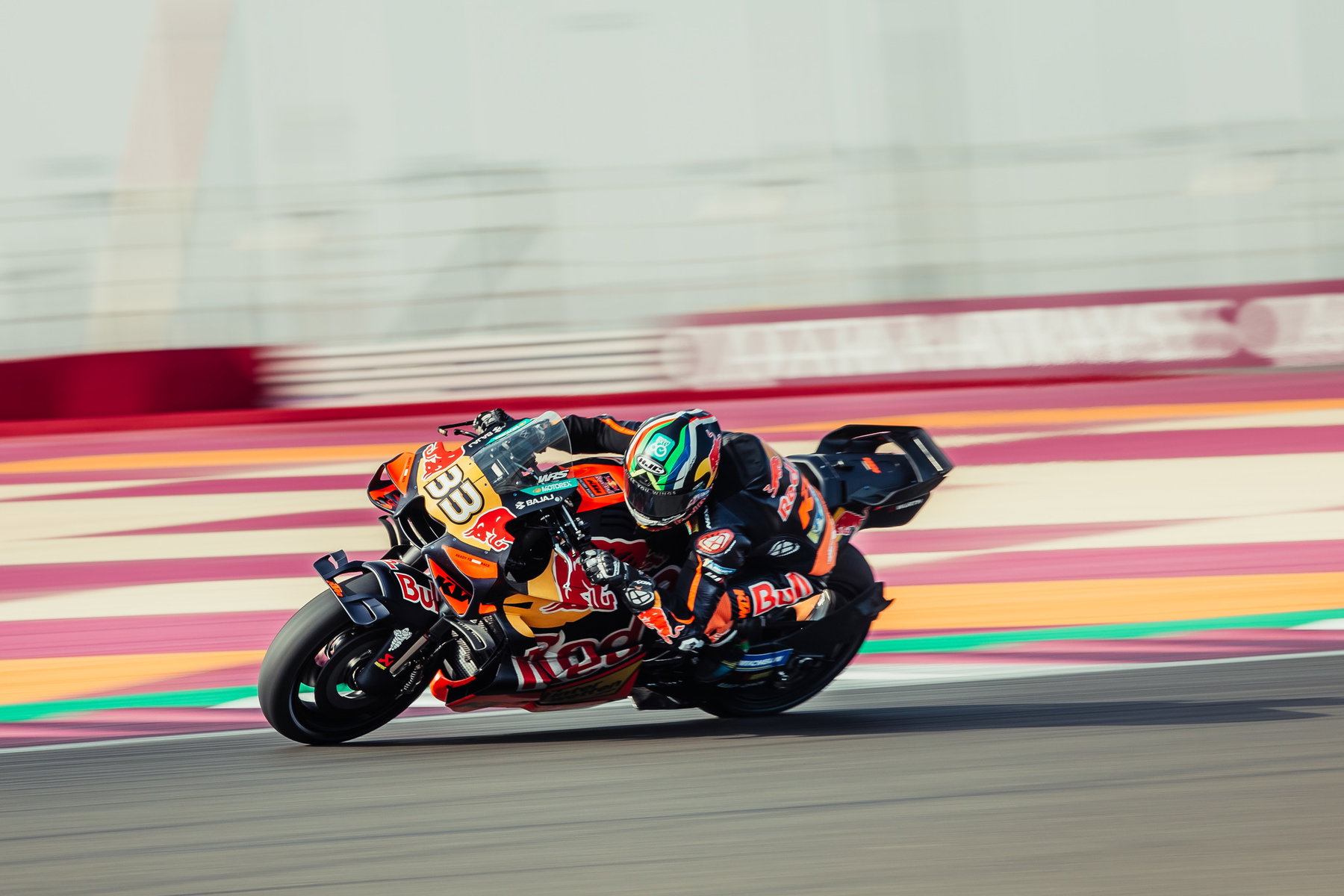
What is left of MotoGP’s threat of penalties?
At its core, all that remains of the hard line is a conversation about money. Before the race, the series had floated far more.
The pressure was initially aimed at the riders. 19 of the 22 full-time riders had signed a letter opposing the race in Qatar. At the Malaysia weekend they even issued an ultimatum, but backed away from it after being reminded of possible financial and sporting consequences. Race bans were also discussed. When Yamaha withdrew shortly afterwards, MotoGP again pointed to sporting consequences. Among other things, there was speculation about a points deduction in the manufacturers’ standings.
Just after the race, Ezpeleta already sounded much more cautious. It was a commercial contract that could not be discussed publicly, he said. MotoGP would talk to Yamaha and announce any decision afterwards. The series wanted nothing to do with the sporting side anyway, that was a matter for the FIM. Yamaha itself has not commented since the withdrawal and has not responded to enquiries.
How does Ezpeleta justify the decision to race in Qatar?
Ezpeleta still believes the race in Lusail was the right call and points to extensive security guarantees. The government of Qatar and the local organiser had promised to take full responsibility and cover all costs in the event of an escalation.
According to him, the decision was based on official information from the Qatari government and from the embassies of the countries strongly represented in the paddock. Contingency plans were in place. Had the situation worsened, the race would have been postponed again or cancelled. It was originally scheduled for April and moved to 6 to 8 November because of the conflict in the region.
Ezpeleta told the news agency Reuters: “We can unequivocally say that it was the right decision.” Yamaha’s withdrawal had surprised MotoGP, he said, because all of the manufacturer’s questions had been answered. However, he assumes the decision was not easy for Yamaha and calls the brand a long-standing, important partner of the championship.
On site, there was little sign of a state of emergency during the race weekend. Above all, security checks at the entrances to the circuit were tightened. Ezpeleta recalls 2011, when MotoGP raced in Japan after the Fukushima nuclear disaster and also faced heavy criticism. Then as now, he says, the debate was driven more by speculation than by facts.
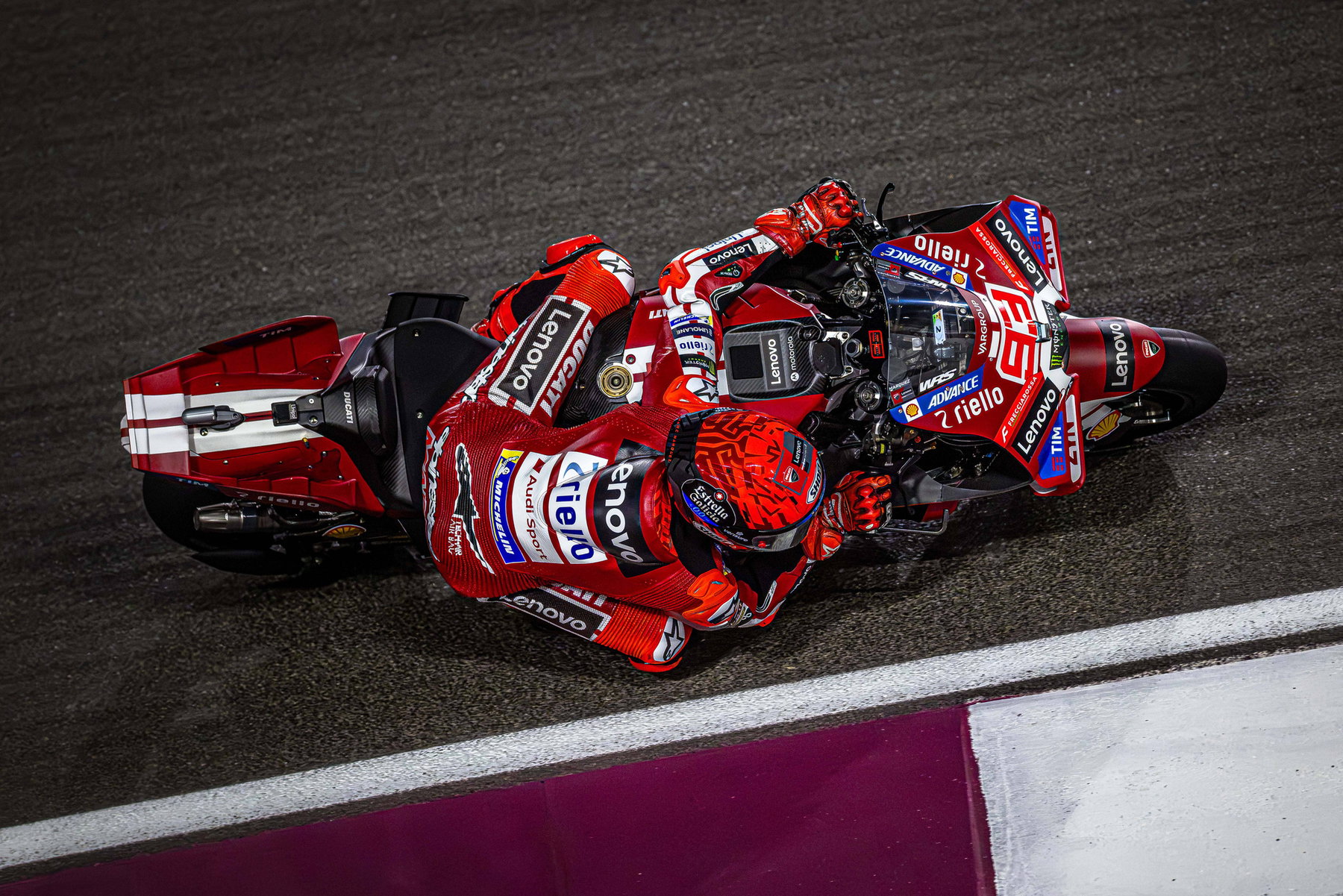
What mistakes does MotoGP admit after Qatar?
Ezpeleta sees the weak point in communication with teams and riders. The series made itself unnecessarily vulnerable through the commotion in the run-up, he says, and that is exactly what has to change.
At a media round table on race Sunday in Lusail, he drew a comparison with other sports that had recently also been active in the region. They attracted far less attention than MotoGP, he said, and he sees the reason in the furore before the race. A few days later he went further: the series must improve its communication on its own initiative, especially with teams and riders, because they are the most important part of the championship.
Ezpeleta spreads the responsibility across several shoulders. Some things MotoGP has to improve, some the teams and some the riders. The dispute does not change the riders’ role as the protagonists of the sport, he says.
Marquez wants a compromise step by step
Marc Marquez is open to a rapprochement but sets one condition: the riders’ interests must play a role in future decisions. The championship leader stresses that he wants to see the sport grow and wants to help drive that himself. In certain areas, however, the riders do not want to accept additional risks for it.
Everyone always wants more and demands more, says Marquez. He is convinced that a compromise can be found step by step that helps everyone. The riders themselves have the greatest interest in it.
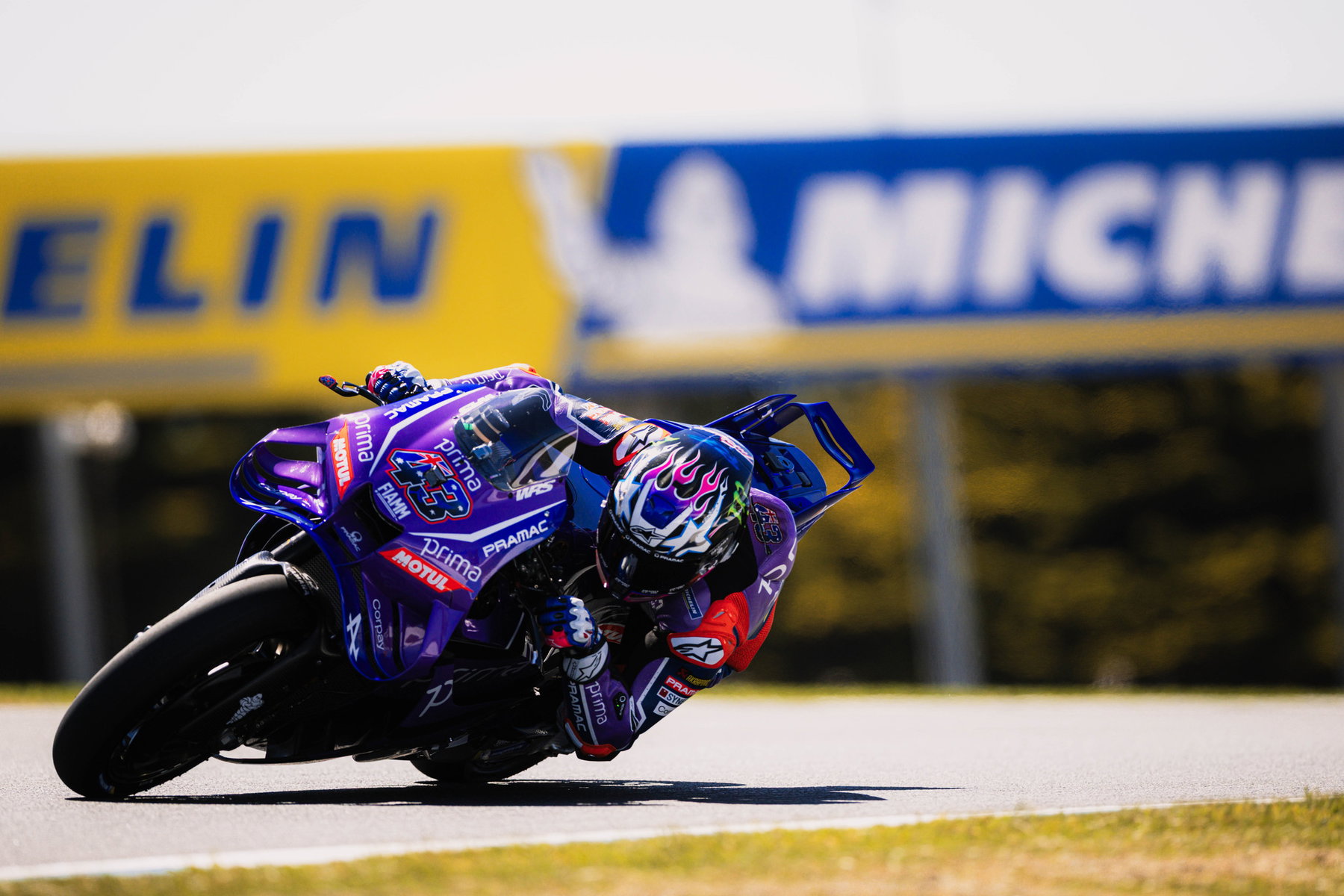
What does this mean for Yamaha and the rest of the season?
As things stand, there is no ban preventing Fabio Quartararo, Alex Rins, Jack Miller and Toprak Razgatlioglu from starting at the final two race weekends of the 2026 MotoGP season. Next up is the Portuguese Grand Prix in Portimão from 20 to 22 November, followed by the finale in Valencia.
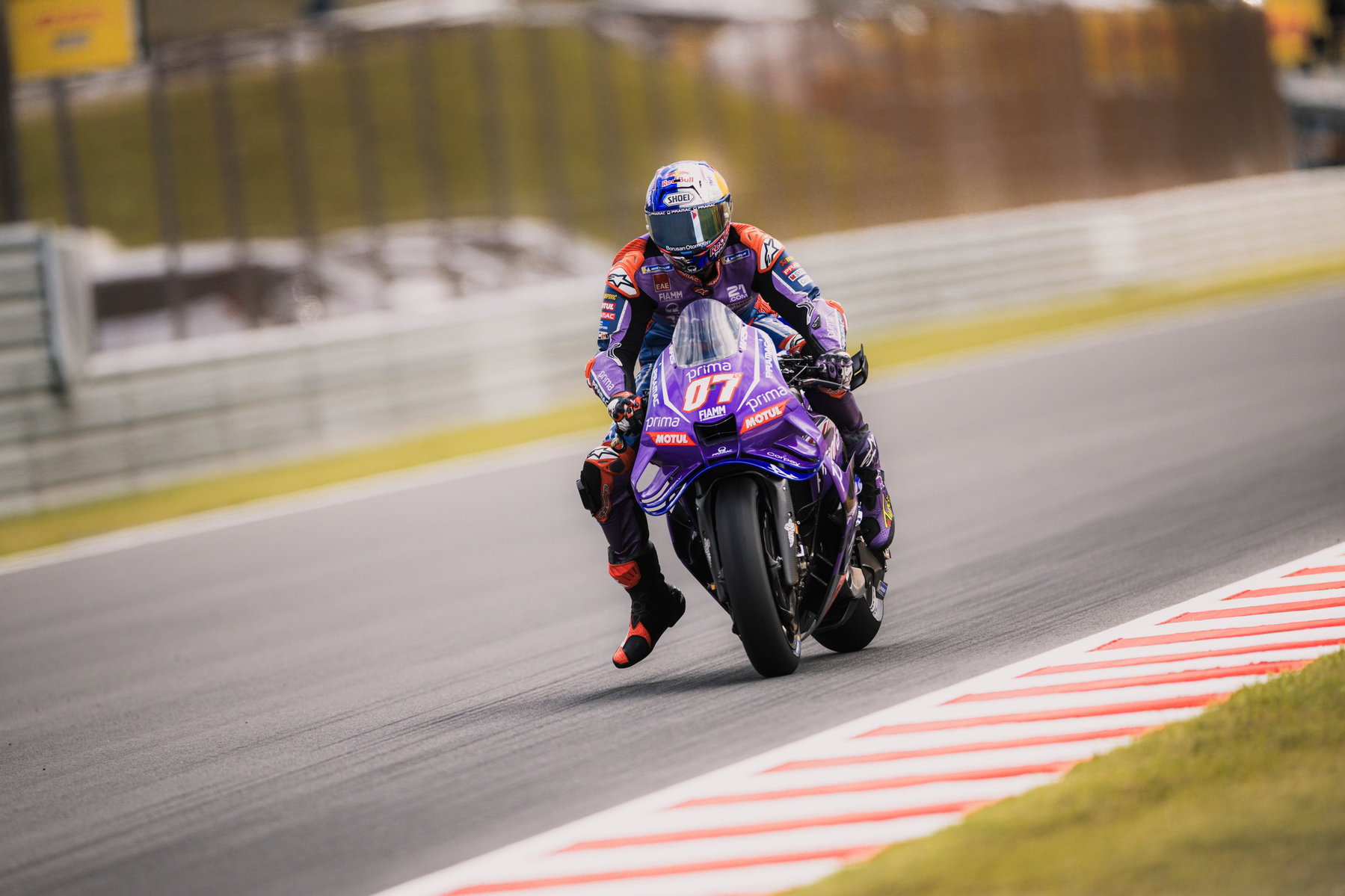
Still, the withdrawal did not remain without consequences. Only 18 riders lined up on the grid in Lusail, and injuries reduced the field to 16 at times. The decision also caused discontent within the Yamaha camp: Pramac team boss Campinoti was not happy with it. His satellite team was also missing from MotoGP. Only Pramac’s Moto2 team was allowed to travel so that Izan Guevara could continue his title fight against Manu Gonzalez. Guevara, however, retired in Qatar with a technical failure.
In the championship standings, Marquez heads into the final two race weekends with a 60-point lead after finishing second in Qatar. Whether the FIM will actually adapt its rules after the Yamaha case remains open. So far, Viegas has only hinted that the issue is on the table.
Frequently Asked Questions
-
Is there a sporting penalty for Yamaha after the Qatar GP?
No, according to FIM President Jorge Viegas a sporting penalty for Yamaha is not possible. The FIM rulebook does not provide for a penalty when a rider fails to show up for a race. Only a fine under the contract with MotoGP is possible.
-
Why did Yamaha skip the Qatar Grand Prix?
Yamaha cited a group-wide travel restriction for the Middle East. As a result, all four of the manufacturer’s MotoGP riders were missing in Lusail. Pramac’s Moto2 team, however, was allowed to travel.
-
Can Yamaha race again in Portimão?
Yes, there is no ban because the FIM cannot impose a sporting penalty. The Portuguese Grand Prix takes place from 20 to 22 November. It is followed by the season finale in Valencia.
-
What mistakes does MotoGP admit after the Qatar GP?
Carlos Ezpeleta admits mistakes in communication with teams and riders. The series made itself unnecessarily vulnerable through the commotion before the race, he says. However, he still believes the decision to race in Qatar was right.