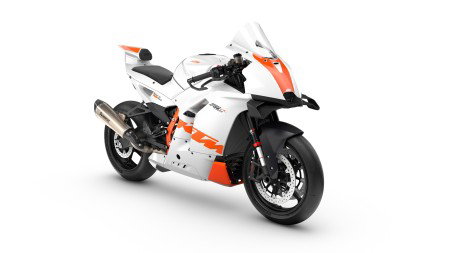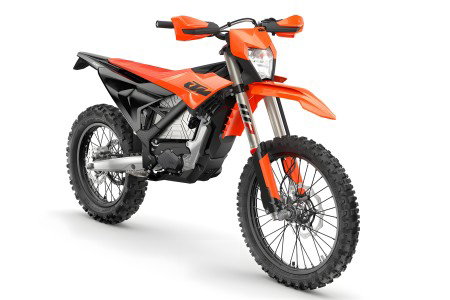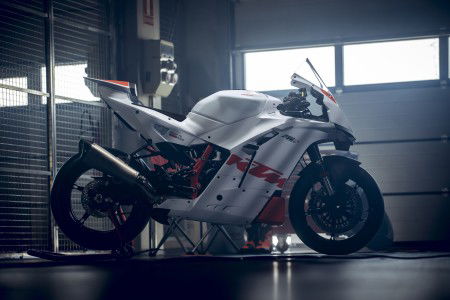
- 48,672 KTM, Husqvarna and GasGas motorcycles sold outside India in the second quarter of 2026, 71 percent more than a year earlier
- Bajaj Mobility AG quarterly revenue: around 370 million euros ($422 million), up from 231 million euros ($263 million)
- EBITDA margin excluding the restructuring gain: around 8.7 percent, compared with minus 55.6 percent in the prior-year quarter
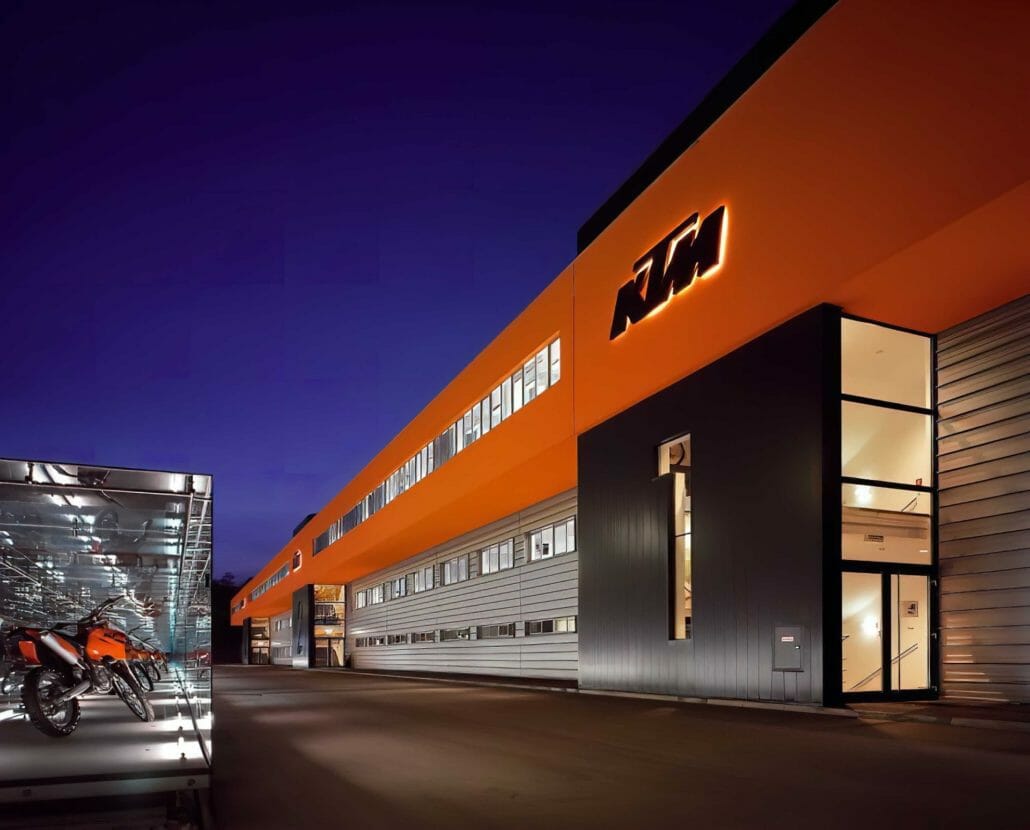
In mid-July 2026, Bajaj Mobility AG published an ad hoc announcement with preliminary figures for the second quarter. Until Bajaj Auto took over, the holding company was known as PIERER Mobility AG, and it is the parent of KTM, Husqvarna and GasGas. For the quarter, it reports more motorcycles sold, higher revenue and a positive operating margin that is calculated without one-off effects from the restructuring that began in late 2024. The figures are not yet final; the full half-year report follows at the end of August.

How many motorcycles did the KTM group sell in the second quarter of 2026?
Between April and June 2026, the group sold 48,672 KTM, Husqvarna and GasGas motorcycles outside India. That is 71 percent more than in the second quarter of 2025 and 21 percent more than in the first quarter of 2026.
The background helps when reading the year-on-year comparison. In the first half of 2025, production in Austria was running only on a limited basis because of the restructuring, and the group deliberately held back deliveries to dealers so that stock at dealers and importers could come down.
Across the whole first half, the group sold 147,572 motorcycles worldwide. A year earlier the figure was 81,336, an increase of 81 percent. The total comes from two sales channels: 89,004 KTM, Husqvarna and GasGas machines went to customers outside India, while partner and majority owner Bajaj Auto sold a further 58,568. In the first half of 2025, Bajaj had sold 34,950 of them.
How much revenue did Bajaj Mobility generate in the second quarter?
The group reports revenue of around 370 million euros ($422 million) for the second quarter of 2026. In the same quarter of 2025, the figure was 231 million euros ($263 million). That corresponds to an increase of around 60 percent.
For the motorcycle segment, which covers components and related activities as well as the vehicles themselves, the announcement lists around 330 million euros ($376 million) in the first quarter and around 370 million euros ($422 million) in the second. Together, that adds up to roughly 700 million euros ($798 million) for the half-year. In the first half of 2025, the segment had generated 373 million euros ($425 million).

What does the EBITDA margin of 8.7 percent tell us?
The margin shows how much of the revenue is left from day-to-day business before interest, taxes, depreciation and amortization are deducted. Bajaj Mobility expects around 8.7 percent for the second quarter and around 5.4 percent for the first half. A year earlier, the figures were minus 55.6 and minus 43.3 percent.
The company explicitly points out that both figures are calculated after deducting the restructuring gain. This matters because the 2025 accounts were heavily shaped by exactly that effect. Bajaj Mobility had reported a net profit of 590 million euros ($673 million) for 2025. It included a restructuring gain of 1.193 billion euros ($1.36 billion), which arose mainly because creditors received only 30 percent of their accepted claims and waived the rest. That gain had nothing to do with selling motorcycles.
EBITDA had already been slightly positive in the first quarter of 2026, at 5.5 million euros ($6 million). After interest, depreciation and taxes, however, those three months still ended in a loss.
How did Bajaj Auto become the owner of KTM?
Bajaj Auto provided the money that allowed KTM to complete its restructuring and then took control of the parent company. The trigger was a financial crisis that came to a head in 2024. During the boom years after the pandemic, KTM had expanded production sharply. When demand fell and interest rates rose, dealers and importers were left with many unsold motorcycles that tied up capital.
In November 2024, KTM AG and two subsidiaries filed for court-supervised restructuring under self-administration. The restructuring plan approved by creditors provided for a cash quota of 30 percent, which had to be paid by May 23, 2025. For this, Bajaj Auto contributed 450 million euros ($513 million) directly to KTM AG and 150 million euros ($171 million) to the listed holding company.
By November 2025, the Indian manufacturer had taken sole control through a subsidiary and then held around 74.9 percent of the holding. PIERER Mobility became Bajaj Mobility AG, based in Mattighofen. Today the group comprises KTM, Husqvarna, GasGas and the components brand WP.
When will Bajaj Mobility publish the full half-year figures?
The full half-year report is scheduled for August 27, 2026. Until then, all figures mentioned here are preliminary. The ad hoc announcement does not yet include a net result for the second quarter.
Frequently Asked Questions
-
What revenue did Bajaj Mobility AG generate in the second quarter of 2026?
According to preliminary figures, revenue came to around 370 million euros ($422 million). In the second quarter of 2025, it was 231 million euros ($263 million).
-
How many motorcycles did the KTM group sell in the first half of 2026?
Worldwide, the total was 147,572 motorcycles, 81 percent more than in the first half of 2025. Of these, the group sold 89,004 KTM, Husqvarna and GasGas machines outside India, while a further 58,568 went through Bajaj Auto.
-
Why was KTM in a financial crisis?
After the boom years, demand fell while many unsold motorcycles were sitting at dealers and importers, and high interest rates made the situation worse. In November 2024, KTM AG filed for restructuring under self-administration, and creditors received a cash quota of 30 percent.
-
What does the EBITDA margin of 8.7 percent mean?
It shows what share of revenue remains as earnings before interest, taxes, depreciation and amortization. Bajaj Mobility calculates the figure without the restructuring gain; in the second quarter of 2025 it stood at minus 55.6 percent.
-
When will Bajaj Mobility publish the complete half-year figures?
The full half-year report is scheduled for August 27, 2026. Until then, the reported figures are preliminary.