- Arrested on December 12, 2024 while leaving the country, sentenced to three years in prison
- Donation target of 20,000 euros (about 23,400 US dollars), current total 14,370 euros from 152 donors
- Brüsecke has denied the espionage allegations since the start of proceedings
In the adventure and rally scene, Bastian Brüsecke has been a familiar name for years. The German photographer and filmmaker has built a reputation as a chronicler of remote places, someone who does not just scratch the surface but immerses himself deeply in foreign landscapes. It is precisely this passion for the world’s deserts that has now become his undoing. Since late 2024, he has been held in Iran, sentenced to three years in prison on charges of alleged espionage. Friends and companions are now raising donations to support him and his family through this situation.
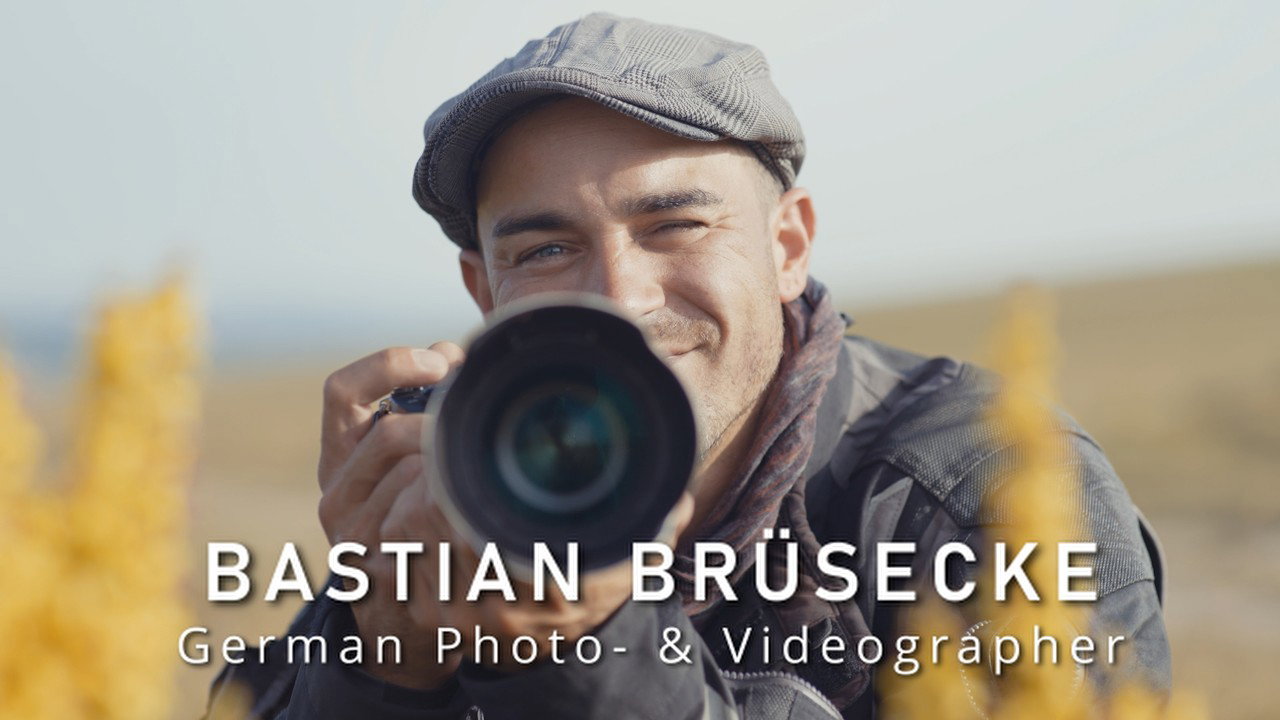
Who is Bastian Brüsecke?
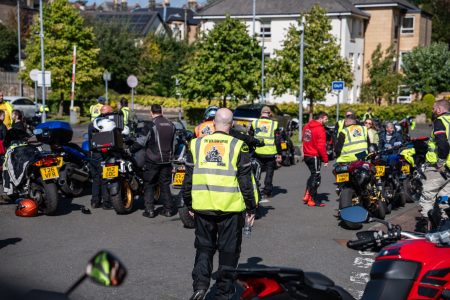
Bastian Brüsecke is a German photographer and documentary filmmaker who specializes in remote regions and motorsport. Between 2016 and 2018, he covered around 90,000 kilometers by motorcycle, off the beaten tourist track, through deserts and mountains. During that time, he accompanied eleven rallies as a photographer and filmmaker, with his travels taking him through North Africa, Central Asia and the Balkans.
Over the years, the number of events he accompanied grew significantly. According to his own account, he has filmed more than 50 international motorsport events. His motivation was never the fastest lap time, but rather landscapes and people. He describes himself simply as an adventurer and cameraman who wants to fly over deserts. This description fits another facet of his work: at some point he took up paramotoring, in order to experience the landscapes not just from the ground or a drone monitor, but by gliding slowly and low over the terrain.
How intensely Brüsecke experiences his work is shown by an older report from the Mauritanian Sahara. In it, he describes how, as the only photographer, he drove through the desert for days, slept in Bedouin tents, and operated three cameras at once during approaching sandstorms. He calls this state his desert rush, a feeling between complete freedom and constant danger. He describes the rallies as both a curse and a blessing, since they help him replenish his travel funds but also put him under time pressure.
Why was Bastian Brüsecke arrested in Iran?
Brüsecke was arrested on December 12, 2024 while leaving Iran; Iranian authorities accuse him of espionage. According to his own account, the trip had been professionally prepared, the necessary permits were in place in advance, and he stayed exclusively in areas open to tourists.
Behind the trip was a long-standing passion project. Since 2018, Brüsecke had been working on a comprehensive work about the deserts of Iran and the Arabian Peninsula, planned as a large-format photo book and documentary. He originally hoped to complete the project by 2024. To gather the final material, he traveled to the region again in November 2024.
Instead of returning with new footage, the trip ended in his arrest. The charge was “cooperation with a hostile foreign power,” an espionage statute repeatedly used in Iran against Western travelers and journalists. Brüsecke has firmly denied this accusation since the start of proceedings, including in court, and maintains his innocence.
How long does Bastian Brüsecke have to stay in prison?
After several months of pretrial detention, Brüsecke was sentenced to three years in prison. He was initially held in Bandar Abbas, remaining there until October 2025.
He was then transferred to Evin Prison in the capital Tehran, a facility with a particularly harsh reputation that repeatedly holds foreign detainees and political prisoners. By mid-2026, Brüsecke had already spent more than 560 days in custody. For a man who loves the boundless expanse of the desert, life in a cell marks a profound turning point.
From prison, he managed to send out a brief message. In it, he speaks of many ups and downs but remains optimistic, as he puts it: “There are many ups and downs, but I remain confident that I will be home again soon.”
What does the imprisonment mean for his family?
For family and friends, the situation is difficult to grasp and, as it drags on, has also become a considerable financial burden. Brüsecke is self-employed, and his long, involuntary absence has wiped out all his income.
His friend René, through whom news from prison reaches the outside world, describes how difficult it remains for those close to him to understand the situation even after more than 17 months. Brüsecke has lost not only his freedom but also his professional livelihood, and he worries about the time after his return. He wants to plan new projects and look ahead but does not know when and how that will be possible again. On top of all this, there has been another blow: Brüsecke’s mother recently passed away.
Ongoing obligations in Germany continue regardless of the imprisonment, including contracts, insurance policies and other recurring costs. René describes it this way: right now, what matters most is that Bastian is freed and returns home. He is sorely missed.
How can you support Bastian Brüsecke?
Friends have launched a fundraising campaign titled “Help for Bastian Brüsecke” via the platform WhyDonate. The donation target is 20,000 euros (about 23,400 US dollars); so far 14,370 euros (about 16,800 US dollars) have been raised, which corresponds to roughly 71.9 percent. 152 people have already donated.
The funds raised are meant to cover several areas. Money is earmarked for legal support and attorney fees, for consular assistance, and for organizational matters related to the imprisonment. A further portion is intended to cover ongoing obligations in Germany and to give Brüsecke a more stable financial footing after a possible return. Bastian Brüsecke is listed as the beneficiary of the campaign, which is organized by a supporter named R. Meyer from Münster.
Anyone who wants to help can find the fundraising campaign here: WhyDonate campaign for Bastian Brüsecke.
Beyond donations, those close to him are also asking for help in raising awareness of the case. Every share and every post on social media helps draw attention. Brüsecke himself, via the campaign, says: “I am grateful for every financial contribution. It really makes a difference in this difficult situation.”
A case from the travel and rally scene
The case of Brüsecke shows how quickly a passion for remote regions can lead to a desperate situation. In the adventure and rally scene, where Brüsecke has been active for years, a simple principle applies: whoever breaks down along the way gets help. It is exactly this idea that drives the current fundraising campaign, which grew out of the network of friends and companions.
Frequently Asked Questions
-
Who is Bastian Brüsecke?
Bastian Brüsecke is a German photographer and documentary filmmaker from the adventure and rally scene. He has covered around 90,000 kilometers by motorcycle and accompanied more than 50 international motorsport events. Since 2018, he has been working on a book and film project about the deserts of Iran and the Arabian Peninsula.
-
Why is Bastian Brüsecke being held in Iran?
Brüsecke was arrested on December 12, 2024 while leaving Iran and was sentenced to three years in prison on charges of alleged espionage. He has denied the accusations since the start of proceedings and states that he stayed only in areas open to tourists and followed all rules.
-
Where is Bastian Brüsecke being held?
Brüsecke was initially held in Bandar Abbas until October 2025. He was then transferred to Evin Prison in Tehran. By mid-2026, he had already spent more than 560 days in custody.
-
How can you donate for Bastian Brüsecke?
Friends have launched the campaign Help for Bastian Brüsecke via the platform WhyDonate. The goal is 20,000 euros (about 23,400 US dollars); around 14,370 euros from 152 donors have been raised so far. The funds are intended for attorney fees, consular assistance and financial support.
-
What makes Evin Prison notable?
Evin Prison in Tehran has a particularly harsh reputation and is known for repeatedly holding foreign detainees and political prisoners. Brüsecke was transferred there after his conviction.