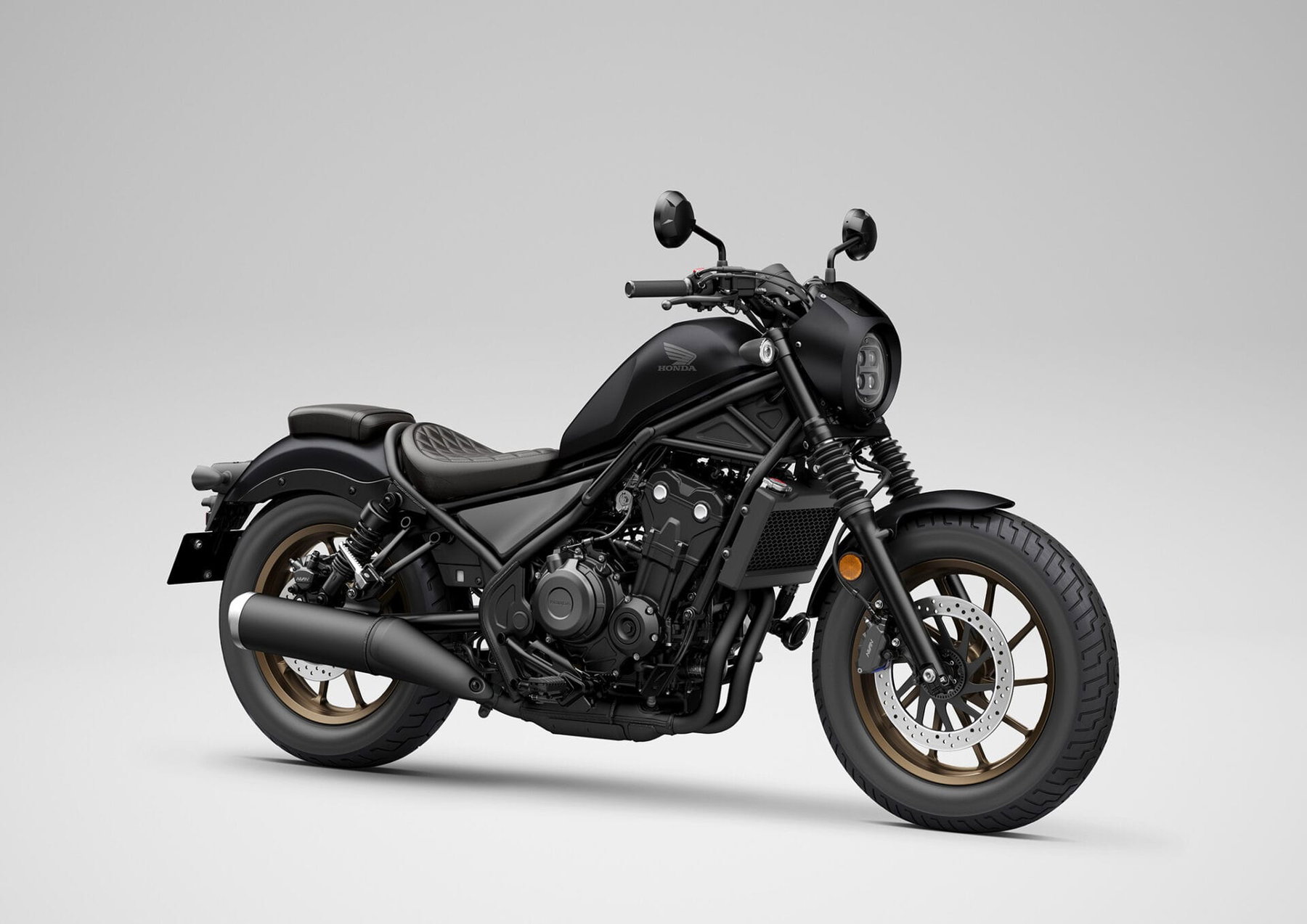
- New US campaign 26V500000 covers 43,913 Rebel 300, Rebel 500 and SCL500 units instead of the previous 19,406
- VINs have been available for lookup with the US authority since 4 August 2026
- According to the authority, the final remedy will not be ready until winter 2026
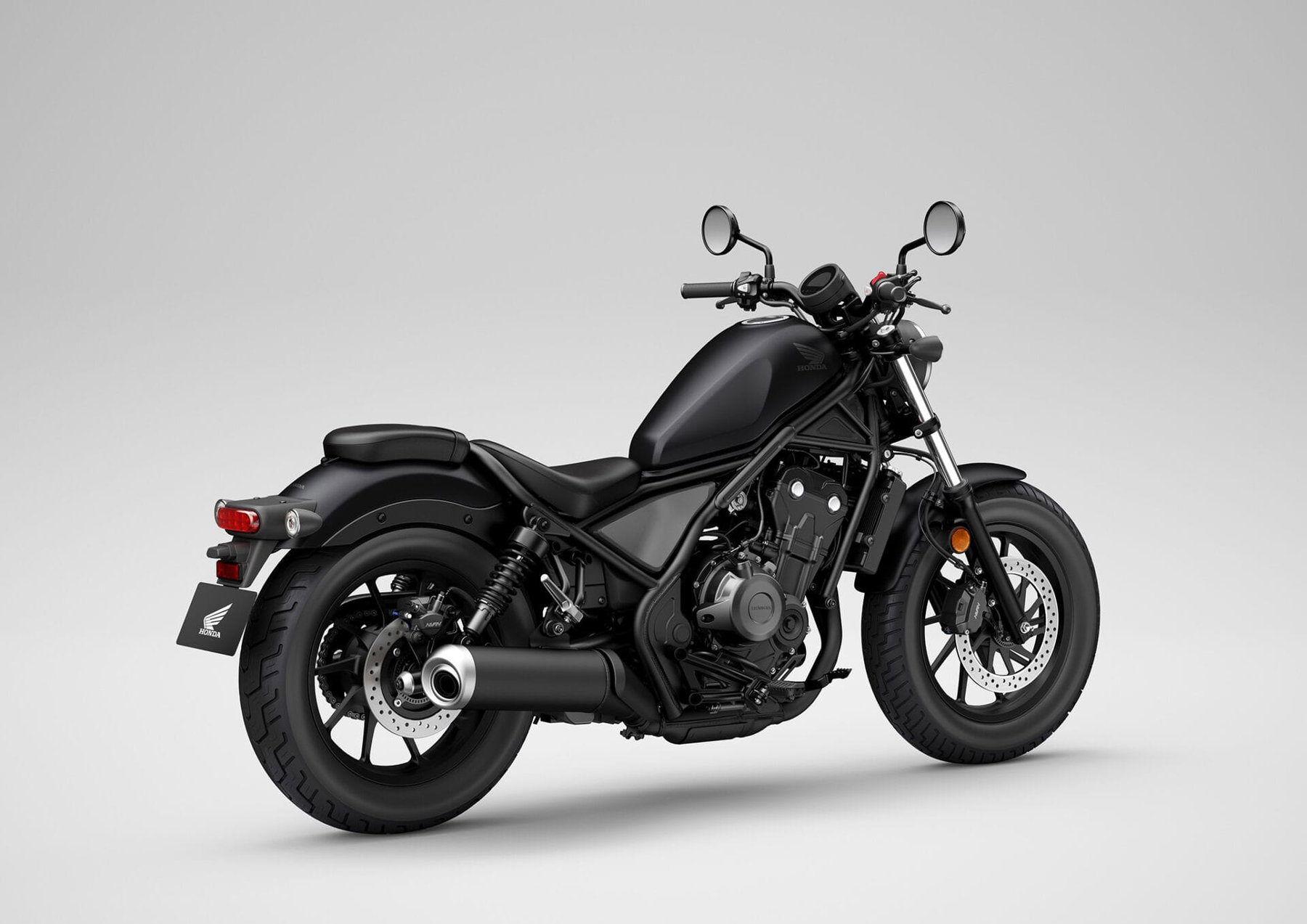
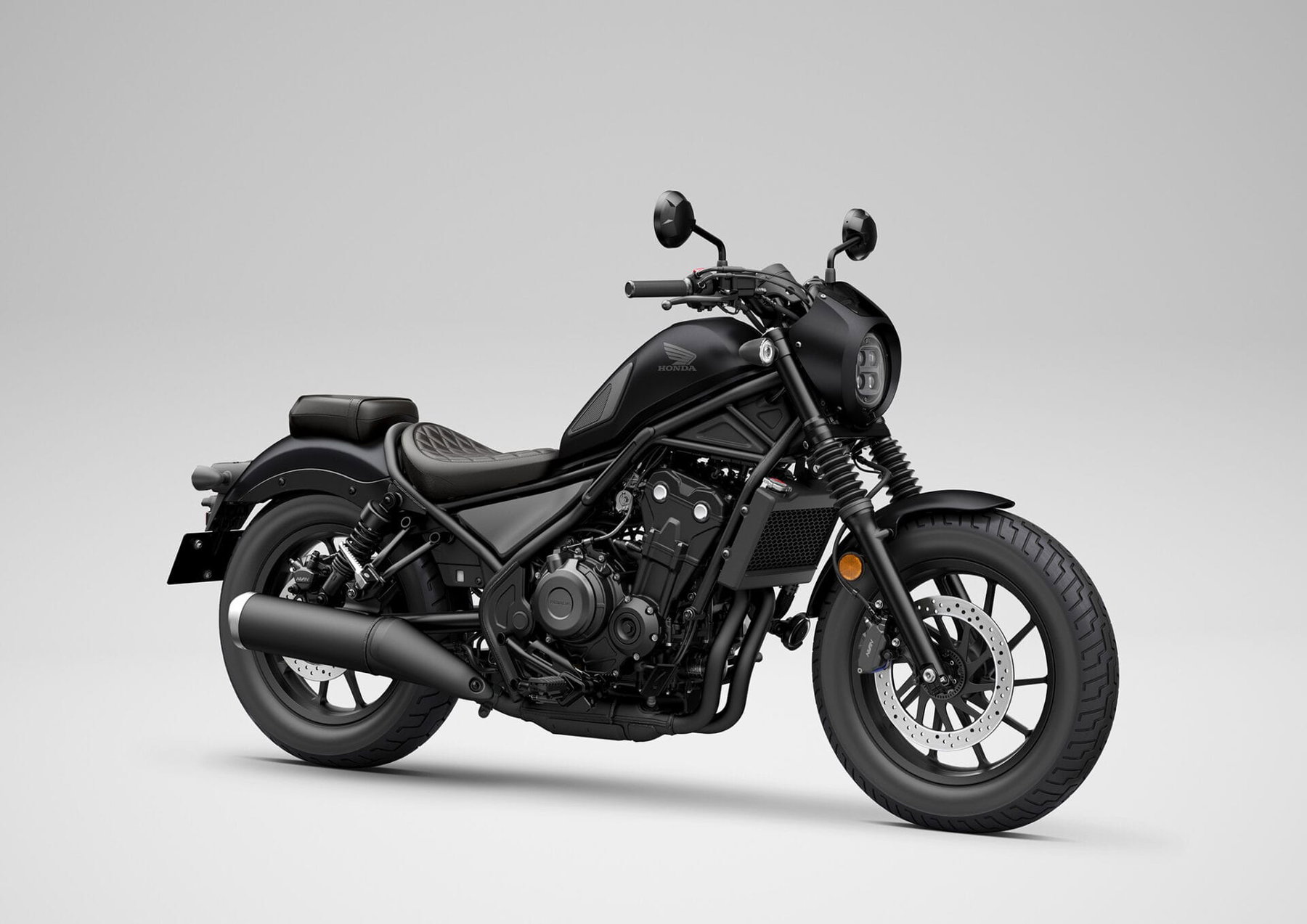
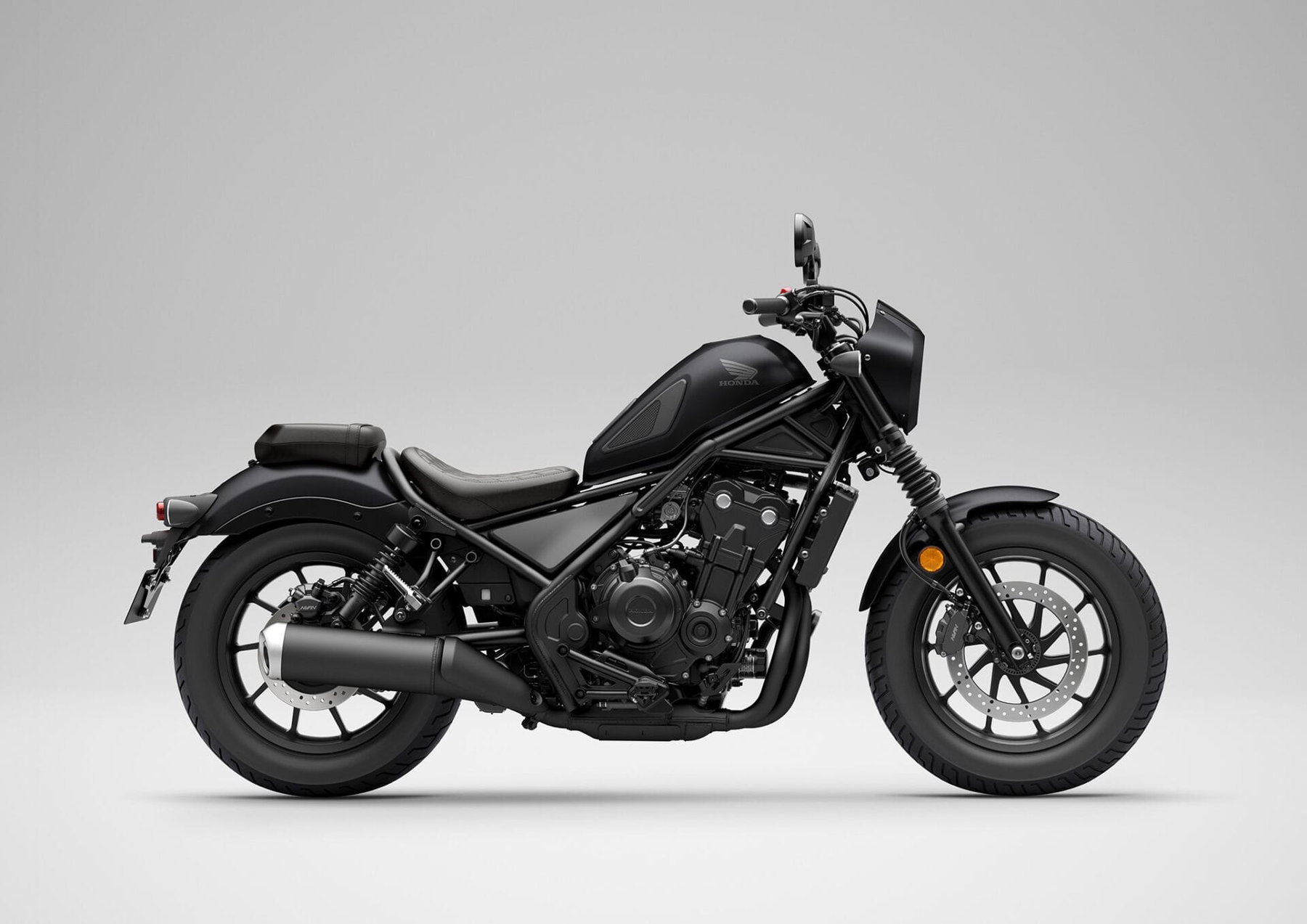
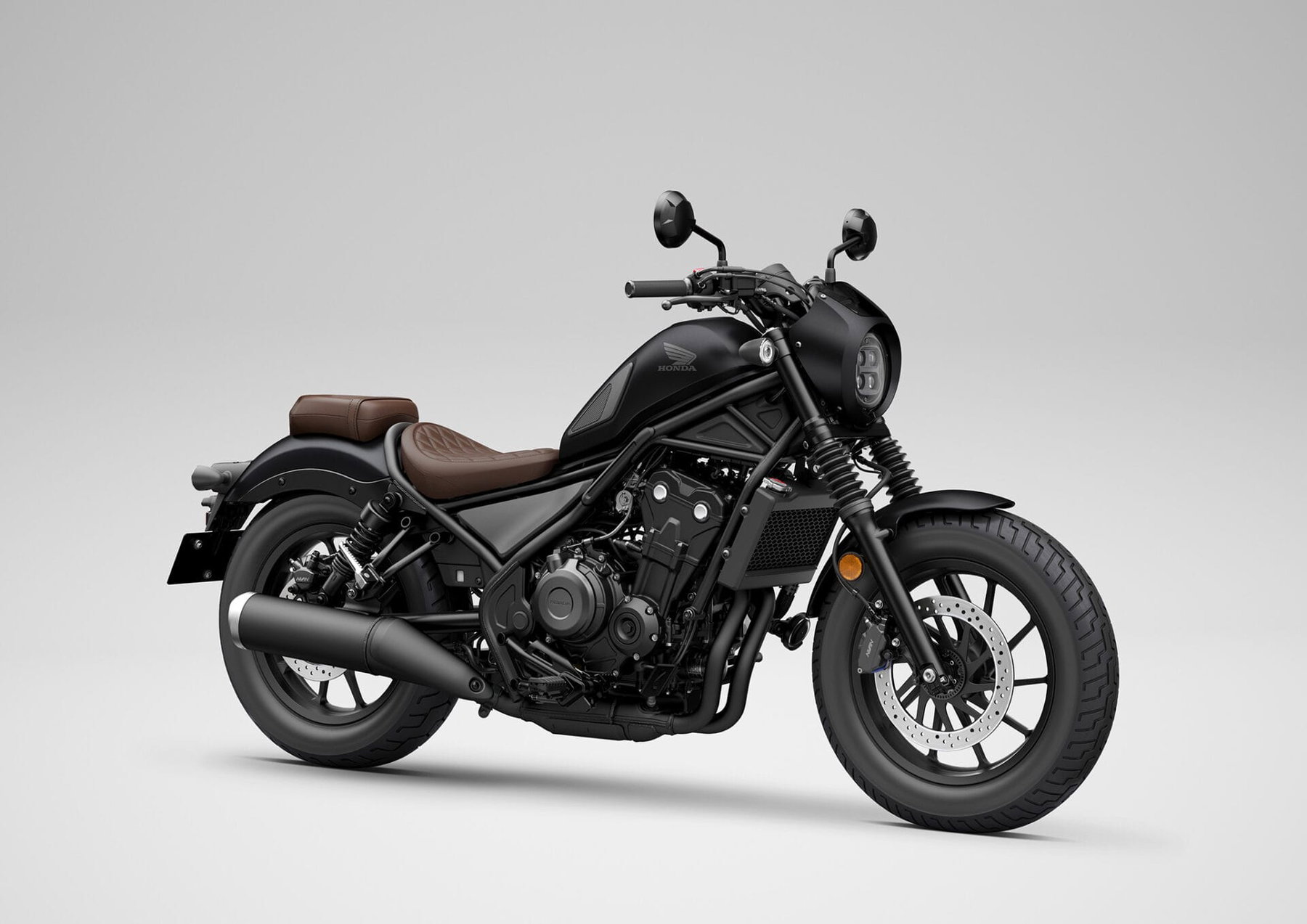
The Honda Rebel recall centres on a component hardly anyone has on their radar: a single screw on the handlebar lock. It can work loose, slip between the frame and the steering stem and interfere with the steering there. American Honda refiled the case with the US road safety authority NHTSA on 30 July 2026 because the campaign launched in March had evidently been scoped too narrowly. For German owners this is more than a footnote, because a comparable measure has been running here since the spring.
What exactly can happen to the screw?
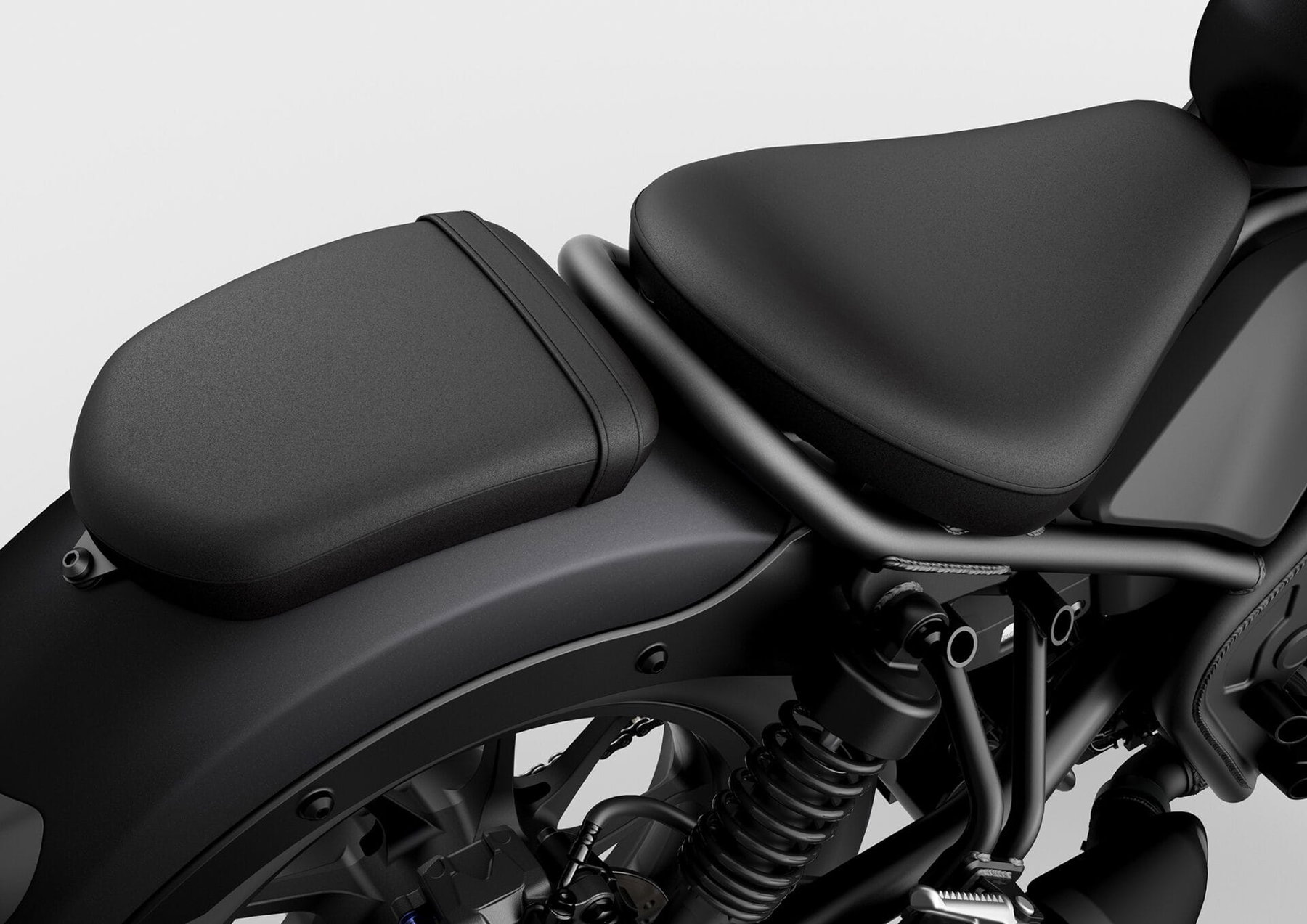
The screw holds the handlebar lock to the lower triple clamp. If it sits too loosely, it can gradually work its way out and drop into the gap between the frame and the steering stem. The authority’s report puts it succinctly: “The handlebar lock screw can loosen and fall between the frame and stem.”
The consequences are described just as soberly. A jammed part in this position can obstruct the steering movement and thus increase the risk of a crash or injury. The German documentation adds that the handlebar may not return cleanly to the centre position after a corner. If the component falls out entirely, it ends up on the road.
This matters above all because the Rebel 300 and Rebel 500 are typical entry-level machines. They are light, low-slung and frequently bought as a first motorcycle. Sudden resistance in the steering therefore hits riders with comparatively little routine, for instance while manoeuvring or in a slow turn.
Which models and model years are on the list?
The new US campaign covers the Rebel 300 of model years 2017 to 2023 as well as 2025 and 2026, the Rebel 500 of model years 2017 to 2023 as well as 2025, and the SCL500 of model year 2025. A total of 43,913 motorcycles are affected, and according to its own documents Honda assumes the fault may be present in 100 per cent of these machines.
Broken down by production periods, the picture is as follows: 23,948 units of the Rebel 500 built between 17 January 2017 and 25 November 2022, 19,007 units of the Rebel 300 built between 17 January 2017 and 17 November 2022, 4,221 units of the model year 2019 Rebel 500 built between 24 October 2018 and 19 August 2019, 545 units of the SCL500 built between 13 and 31 March 2025, a further 168 units built between 19 March and 23 May 2025, plus 245 units of the Rebel 300 built between 8 April and 19 September 2025.
One inconsistency remains unresolved: model year 2024 does not appear in the new campaign, even though it was part of the first recall stage. The documents offer no explanation. The model assignment of the 168 units also differs. The authority’s report lists them as Rebel 500, while media reports attribute them to the SCL500.
Motorcycles built after 22 September 2025 are not affected according to Honda. On that date the tightening procedure on the production line was changed.
Why was the recall expanded?
Because after the first campaign started, damage reports came in from motorcycles that were not on the original list at all. On 5 March 2026 Honda had decided on the first recall, at that point covering 19,406 vehicles and limited to more recent model years.
According to the chronology in the authority’s report, the first reports from outside that population arrived on 12 May 2026, with a further case on 17 June 2026. Following an analysis of the affected vehicle population on 23 June, Honda decided on the second, considerably larger recall on 23 July 2026. As of the same cut-off date, the manufacturer recorded two warranty claims in the United States, no injuries and no fatalities.
The fault itself has therefore not changed. What has changed is the assessment of how far back the assembly problem reaches.
How does Honda explain the cause?
Honda cites several production issues that are said to have combined. The work instruction for tightening was unclear and did not specify how a single-use cross-head screw is to be tightened correctly, in particular with what pressure along the axis of the screw.
On top of that came a change of personnel in the training process. After that, the requirement to use both hands to apply pressure while tightening was missing. The tool was sometimes applied at an angle rather than perpendicular. Tool maintenance is listed as a further point: the bit was worn and was not replaced, which led to fluctuating tightening torques. The European documentation states more pointedly that there was no defined torque specification for this joint from the factory at all.
The component in question is a 6 x 16 flat-head screw with part number 90164-GGK-003. It is supplied by Thai Honda Manufacturing in Ladkrabang, Thailand. The screw itself is considered fault-free by the manufacturer. In the workshop it is replaced with an identical part; only the installation procedure was changed, supplemented by a thread-locking compound. In technical terms this is not a parts defect but a process defect.
One ambiguity remains: the US report consistently refers to a single screw and lists one component. European coverage speaks of two M6 screws holding the handlebar lock to the lower triple clamp.
When will owners receive letters and when will the repair be available?
Dealers were informed on 27 July 2026, and the letters to owners are due to go out on 21 September 2026. The date for the actual repair, however, is open.
Here the details diverge. In the authority’s public summary, 21 September is described as an interim notice that initially only explains the safety risk. A second letter is to follow as soon as the final remedy is available, expected in winter 2026. In the detailed form section of the same case, such an interim notice is only provided for the model year 2026 Rebel 300, while the regular recall notice is named for all other models. Anyone who does not want to wait has been able to have their VIN checked with the US authority since 4 August 2026. The campaign runs there under number 26V500000, and internally at Honda under the code KUO.
The situation in Germany
For Germany, the stage launched in the spring still applies. Worldwide it covered 100,180 motorcycles, of which 6,977 are in Germany, with a production period from 1 December 2022 to 31 March 2025. The Federal Motor Transport Authority monitors the campaign under reference number 16305R and lists the type designations CMX500A2, CMX500A, CL500A, CL250A and CL250A3. There is no restriction to particular VINs.
The process runs in two phases. In phase 1, under code 3S4, the screw was only replaced where it had already worked loose, because there were initially not enough spare parts available. In phase 2, under code 3RY, the precautionary replacement follows on all affected vehicles, in each case with thread lock. No property damage or personal injury has been reported to the Federal Motor Transport Authority for the European recall.
Whether the current expansion to model years from 2017 onwards will also be applied to the German market is not yet known. There is no corresponding announcement at present.
What affected riders can do now
Honda Germany offers a VIN lookup on its service page that shows whether any work is outstanding for a particular motorcycle. The number can be found in the vehicle registration document, in the vehicle title and on the machine itself. If the lookup comes back positive, an appointment at an authorised dealer follows. The work is free of charge for the owner.
This is particularly important for used machines. Anyone not listed in the manufacturer’s customer records may not receive a letter and would otherwise never learn of the campaign. When buying a used model from the affected years, it is worth checking before handover. A brief visual inspection around the lower triple clamp is also possible. Anyone who notices loose parts there or unusual noises and vibrations should leave the motorcycle parked and contact a workshop.
Frequently asked questions
-
How many motorcycles does the Honda Rebel recall cover?
The new US campaign covers 43,913 motorcycles of the Rebel 300, Rebel 500 and SCL500 models. That is more than double the 19,406 vehicles from the first stage in March 2026. Honda assumes the fault can occur on all of the machines covered.
-
Which model years are affected?
Covered are the Rebel 300 of model years 2017 to 2023 as well as 2025 and 2026, the Rebel 500 of model years 2017 to 2023 as well as 2025, and the SCL500 of model year 2025. Model year 2024 is missing from the new campaign even though it was part of the first stage. Machines built after 22 September 2025 are not affected according to the manufacturer.
-
Is the Honda CMX 500 affected by the recall in Germany?
Yes, but through the stage launched in the spring. The Federal Motor Transport Authority lists the campaign under reference number 16305R with 6,977 affected vehicles in Germany and the type designations CMX500A2, CMX500A, CL500A, CL250A and CL250A3. Whether the current expansion to older model years will also be applied here is open.
-
What does the repair cost?
Nothing. The replacement of the screw including thread lock is carried out free of charge at an authorised dealer as part of the recall. Owners can have their VIN checked in advance to see whether any work is outstanding for their motorcycle.
-
When will the final remedy be available in the United States?
According to the US authority’s public summary, the final remedy is due to be available in winter 2026. The letters planned for 21 September 2026 are described there as an interim notice about the safety risk. The detailed form section of the same case, by contrast, only provides such an interim notice for the model year 2026 Rebel 300.