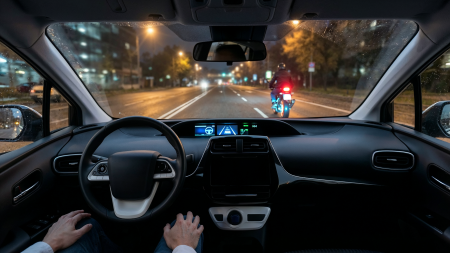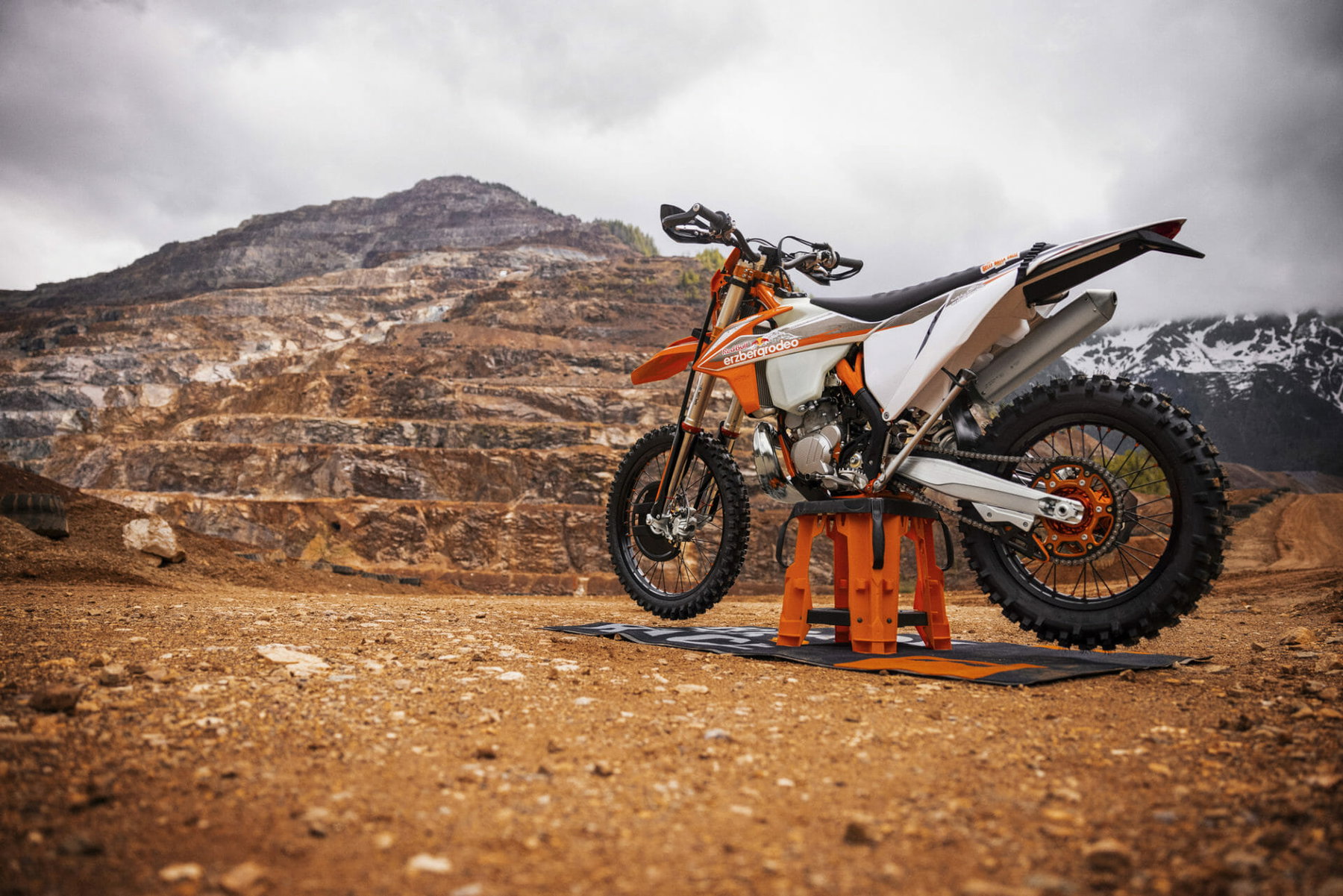
- Ten European media outlets accuse KTM of selling sport enduros with an “alibi registration”
- Undercover dealer visits document the sale of derestricted machines with street registration
- The German Federal Motor Transport Authority has launched an investigation
- However, a comparison with the VW diesel scandal does not withstand closer scrutiny
Since May 26, 2026, KTM has been at the center of an international investigation. Ten newsrooms from across Europe participated, coordinated by the Paris-based organization Climate Whistleblowers. Among the media partners were ZDF frontal, Der Spiegel, ORF, Der Standard, Le Monde, and El País. The core allegation: KTM is said to be selling sport enduros through its dealer network across Europe that hold valid street registration on paper but are delivered to customers in a condition that has no type approval. Yet the question of how much of this is actually attributable to the manufacturer and how much to the entire chain of dealers and buyers receives remarkably little attention in the media coverage.
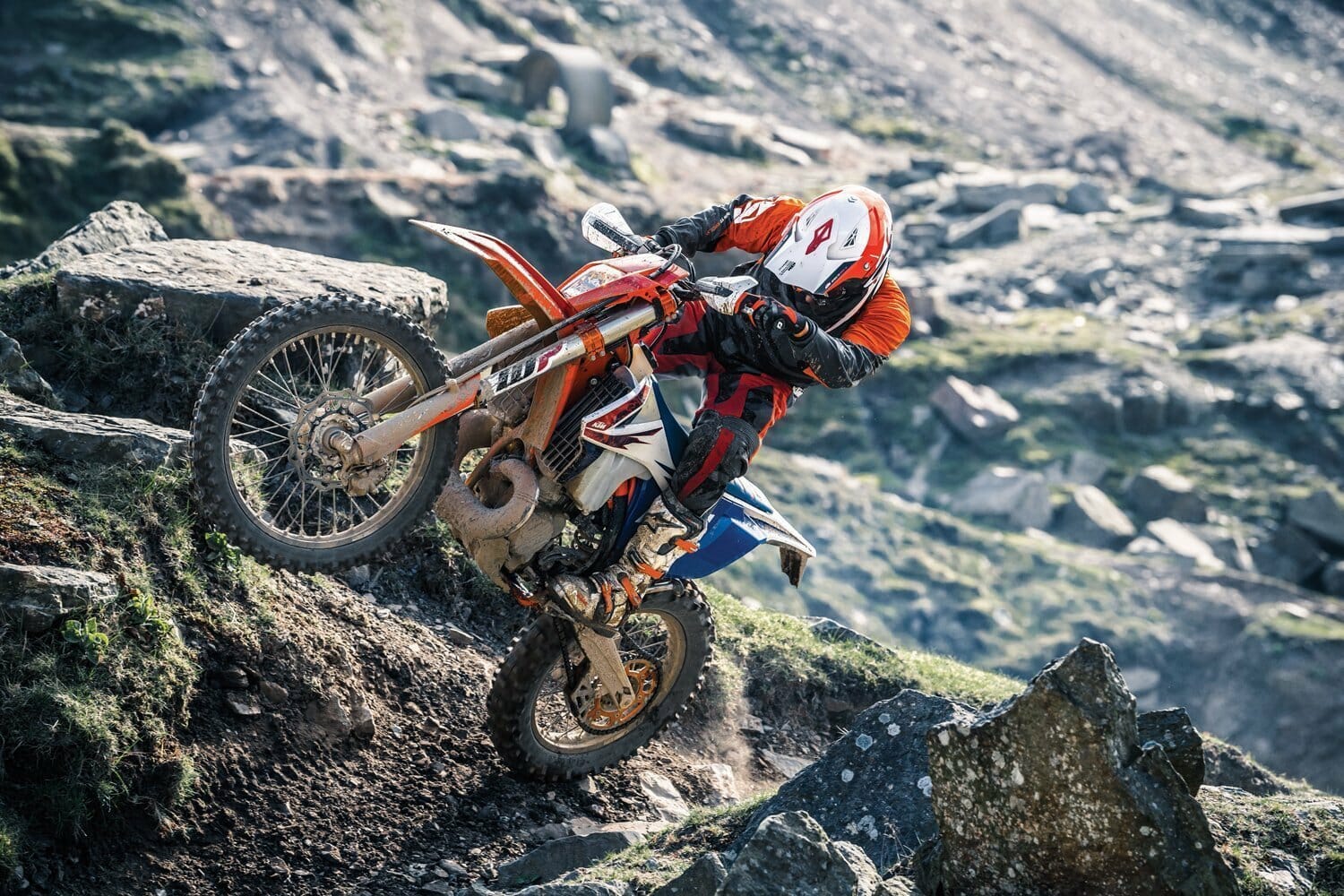
What Exactly Is KTM Accused Of?
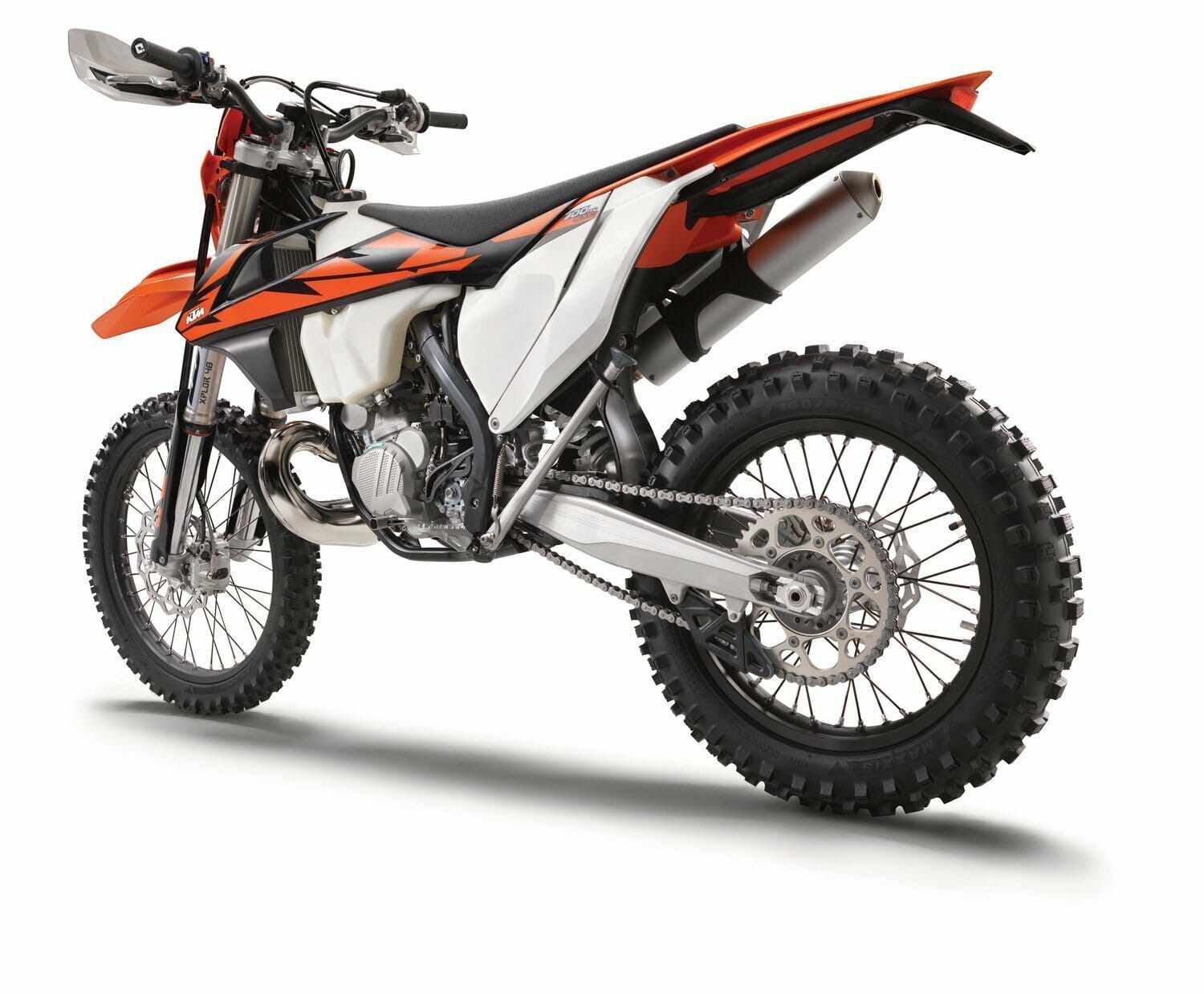
KTM delivers its Sport EXC models to dealers in a restricted state. In this configuration, the machines have valid type approval and meet all applicable emissions and noise regulations. For the KTM 300 EXC, the approved power output is approximately 11 kW (15 hp). In the derestricted state, the same model produces around 37 kW (50 hp), is significantly louder, and emits considerably more pollutants.
The central accusation is that KTM includes the parts necessary for the conversion in the same shipment as the restricted motorcycles. Dealers across Europe are said to derestrict the machines before sale and hand them over to customers with the vehicle documents of the restricted variant. Former KTM employees confirmed this practice to the investigative teams. A former workshop manager at a KTM partner company put it this way: none of these enduros ride legally on the road.
What this narrative overlooks, however, is that KTM delivers a motorcycle that is legally registered in its delivery condition. The vehicle leaves the factory in full compliance with regulations. What happens afterward — whether a dealer removes the restriction at the customer’s request or a technically skilled rider carries out the conversion themselves — is a process that only occurs after the legal delivery.
How Did the Undercover Dealer Visits Unfold?
The participating newsrooms conducted a total of 15 undercover dealer visits in eight European countries, including Germany, France, Belgium, the United Kingdom, Italy, and Austria. In northern Germany, ZDF visited a KTM dealer undercover. The salesperson openly advised against the restricted variant, describing it as so choked down that it simply does not function properly, offering no enjoyment for either the motorcycle or the rider, and being essentially just for the registration paperwork. The salesperson offered the derestricted enduro with vehicle documents and street registration for sale.
ZDF also accompanied, with a hidden camera, the actual purchase of a derestricted KTM enduro. The buyer received a license plate and vehicle documents, even though the derestricted machine has no valid type approval. He signed a note declaring that the machine in this condition was not approved for road use, and then rode off the lot in front of the salesperson.
In Austria, a KTM dealer openly told ORF that riding the restricted version would tear it apart after 20 kilometers, as it was simply not designed for that. At the Brussels Motor Show, a KTM sales representative told an undercover journalist from Le Monde that KTM develops the motorcycles to be as fast, as good, and as reliable as possible, and only afterward adapts them to meet road standards for registration. The dealers then reverse the restrictions. The employee himself described the practice as a bit of fraud.
These dealer statements are undoubtedly problematic. They show that individual salespeople not only tolerate derestriction but actively recommend it, openly portraying street registration as a mere formality. This is clear misconduct at the dealer level.
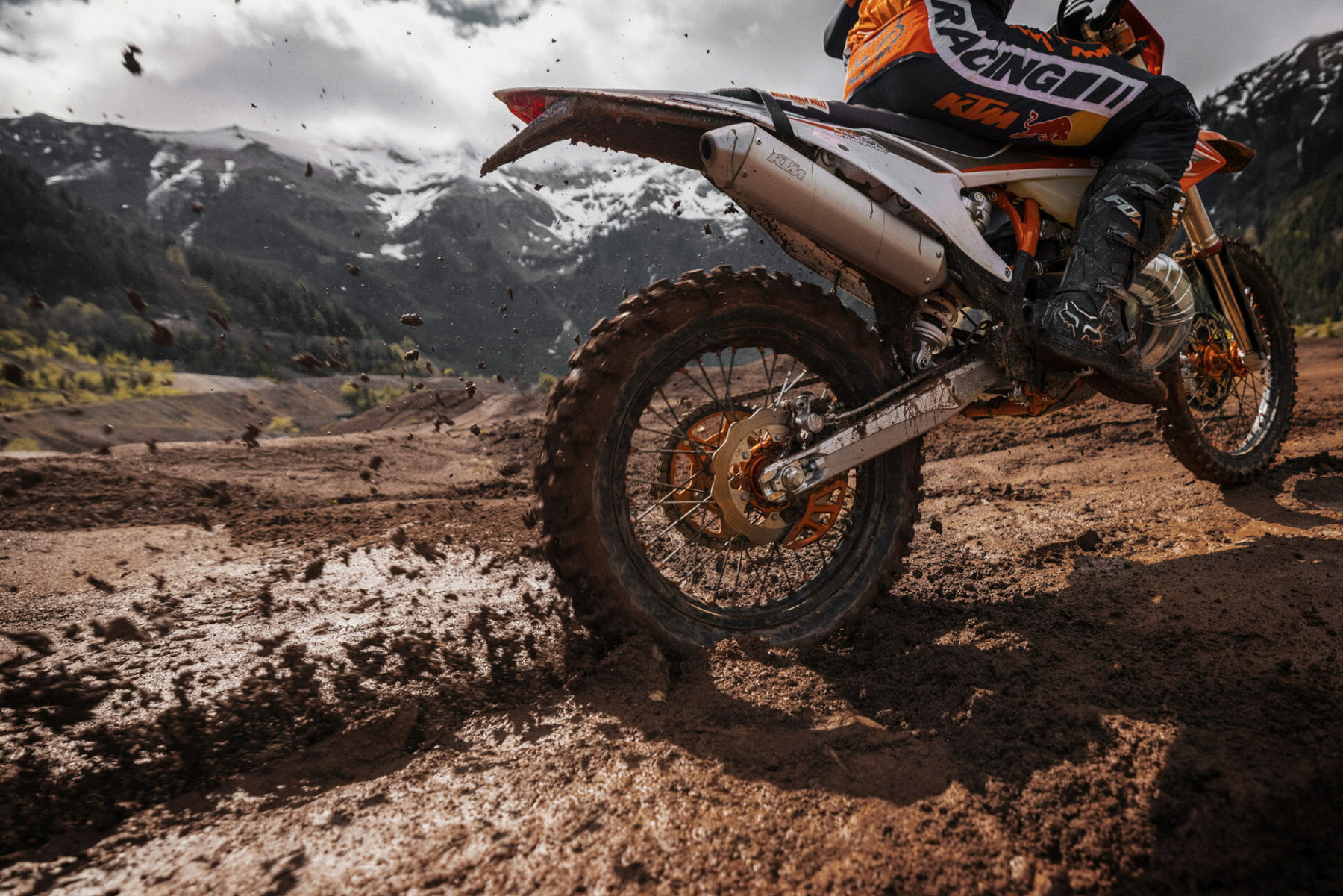
What Emission Levels Were Measured?
The International Council on Clean Transportation (ICCT), the organization that helped uncover the VW diesel scandal in 2015, had a derestricted KTM enduro tested at the CZU Technical University in Prague. ICCT Europe chief Peter Mock described the results as shocking, stating that the carbon monoxide readings for the derestricted variant were approximately as high as those of an old diesel locomotive. Particulate emissions were said to be many times higher than those of a passenger car. The KTM 300 EXC TPI in its derestricted state reportedly exceeds applicable emission limits by more than tenfold, with noise levels at double the permitted value.
For context: these values expressly refer to the derestricted state, not the homologated configuration. In its approved, restricted state, the KTM 300 EXC meets all limits. Moreover, the comparison with a diesel locomotive is methodologically questionable. A two-stroke gasoline engine and a large diesel are fundamentally different combustion processes with entirely different pollutant profiles. Two-strokes inherently produce high carbon monoxide levels, while diesel engines produce very low ones. The comparison thus places the worst value of one engine type alongside the best value of the other. It works as a headline, but less so as scientific contextualization.
The ZDF’s claim that the derestricted motorcycle had three times as much power as would be permissible for road use is also factually incorrect. There is no general power limit for motorcycles in German road traffic. A KTM 1390 Super Duke with 140 kW (190 hp) is just as legally registered as a Suzuki Hayabusa with 145 kW (197 hp). The 15 hp of the restricted EXC is not a legal maximum power output, but the homologated state of this specific vehicle.
What Does KTM Say About the Allegations?
KTM rejects the allegations and emphasizes that it delivers all models in a state ready for registration, stating that their dealers subsequently sell the vehicles exclusively in this homologated and road-approved condition to end customers. According to KTM, subsequent modifications are made only at the express request of the customer and are intended for competition use. As part of such competition conversions, the dealer explicitly informs the end customer that the street registration becomes void.
Is the Federal Motor Transport Authority Investigating KTM?
The KBA has launched an investigation based on the research findings. The authority stated that if regulatory deviations are identified during the investigation, the KBA will initiate measures against the involved economic operators. The EU Commission clarified that any modifications to type-approved vehicles would mean they no longer comply with regulations. The Austrian automobile club ÖAMTC conceded, however, that a targeted search for engine manipulations during regular technical inspections is neither envisaged nor realistically feasible.
Why the Comparison with the Diesel Scandal Does Not Hold Up
Several reports frame the case as an emissions scandal on two wheels or a new Dieselgate. Upon closer examination, this comparison does not hold up — and that is the crucial point in this entire discussion.
In the VW diesel scandal, a manufacturer sold vehicles that failed to meet legal emission limits during everyday operation, even though their type approval said they should. The manipulation was built into the engine software. The buyer knew nothing about it. They purchased a vehicle that was clean on paper but systematically exceeded limits during normal operation. It was fraud against the customer and the authorities, without the driver having to do anything at all.
With KTM, the starting situation is fundamentally different. The motorcycle leaves the factory in a condition that fully meets type approval requirements. In its restricted state, the KTM 300 EXC complies with all emissions and noise regulations. Only through a subsequent intervention — whether by the dealer at the customer’s request or by the rider themselves — is the restriction removed and the street registration voided. This process requires active action. Nobody accidentally rides a derestricted sport enduro. The buyer knows what they are buying, and they know what they are doing when they have the restriction removed.
That KTM includes the conversion parts in the shipment is certainly worth discussing, and that individual dealers actively recommend or even perform the derestriction before handover is clearly unlawful. These dealers bear a shared responsibility that should not be downplayed. But the leap from a manufacturer delivering a legal product to a scandal on the level of systematic manufacturer fraud is enormous. With VW, the customer did not have to do anything to be defrauded. With KTM, you first have to manipulate the product yourself. That is a fundamental difference.
Why Do Sport Enduros Even Have Street Registration?
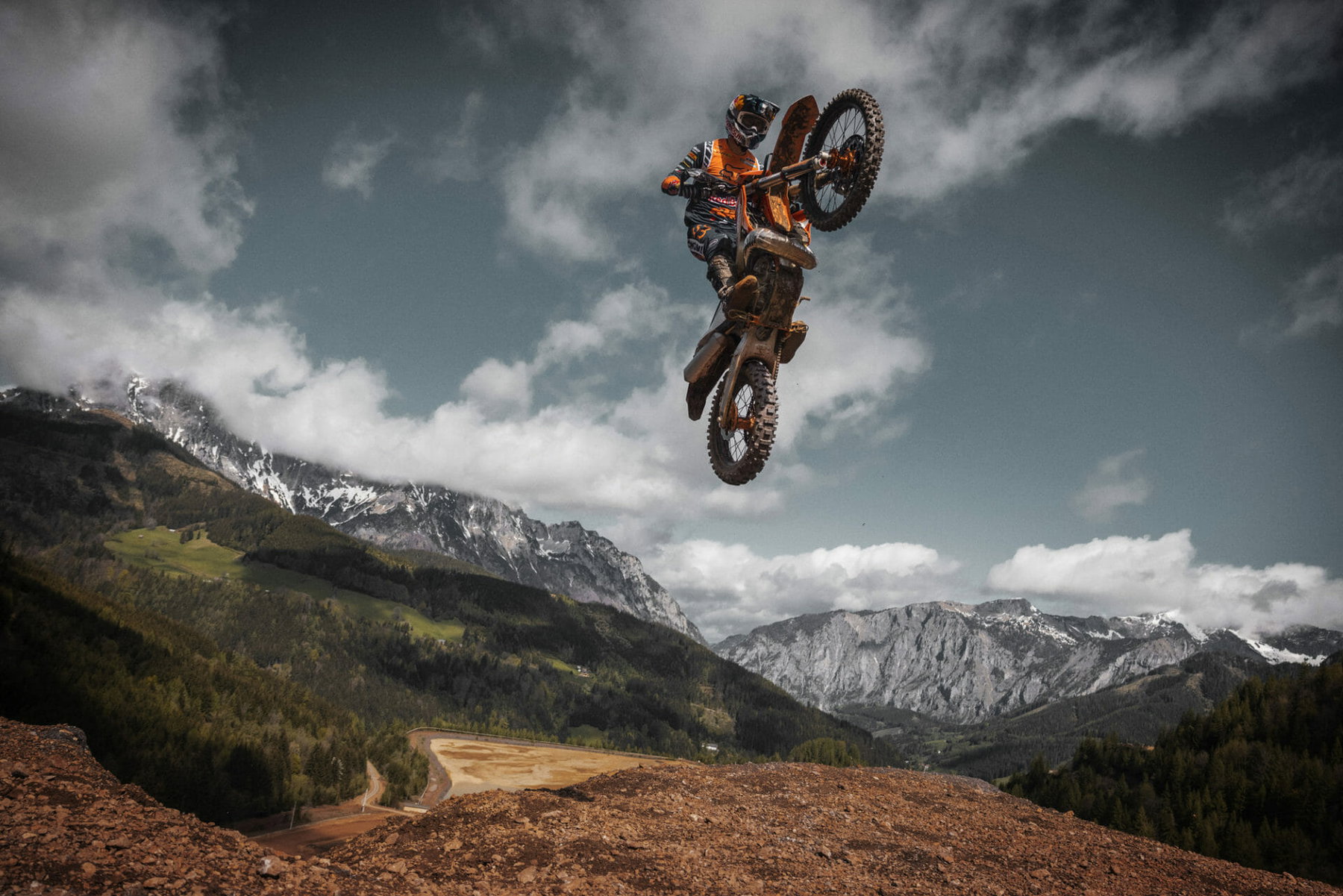
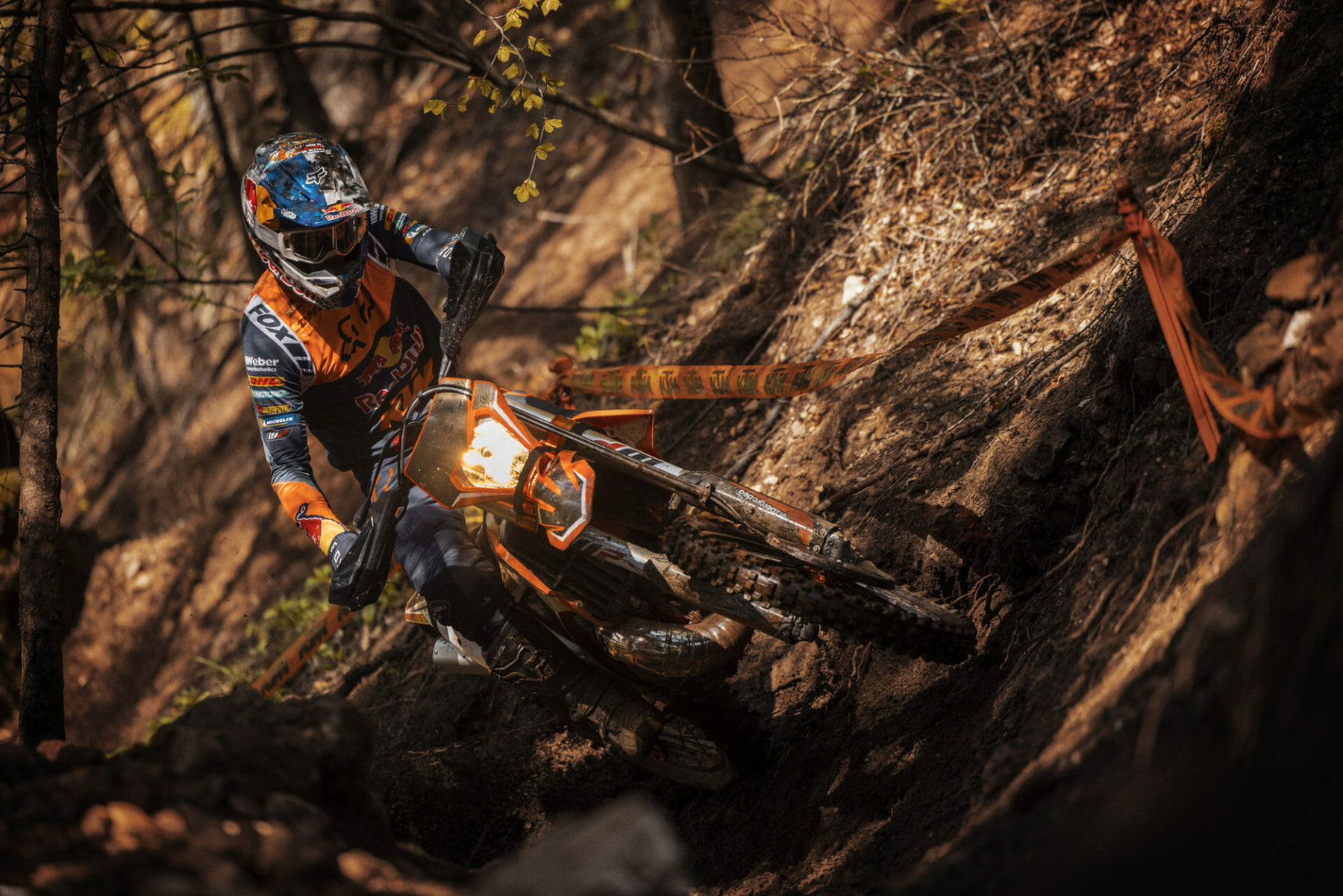
This background is often underrepresented in current reporting. Sport enduros are not everyday vehicles. They are highly specialized competition machines, designed for terrain, mud, rocks, and extreme gradients. They have low oil volume, short service intervals, and a very narrow range of use. However, enduro racing in Europe has functioned for decades in a way where stages in competitions lead not only through closed-off terrain but also along public roads and paths. The DMSB (German Motor Sport Federation) explicitly describes enduro as a sport where stages lead along both public roads and paths as well as through rough terrain. Enduro motorcycles must therefore be road-legal and registered.
The restriction is therefore not trickery but the only way to offer such a competition motorcycle with a license plate at all. In the United States, comparable vehicles have their own off-road categories with separate registration. In California, for example, there is a distinction between regular street registration and OHV registration (Off-Highway Vehicle), allowing off-road vehicles to carry their own identification without going through the full street registration process. Such a system does not exist in Europe, and it is precisely in this regulatory gap that the tension arises which now generates headlines.
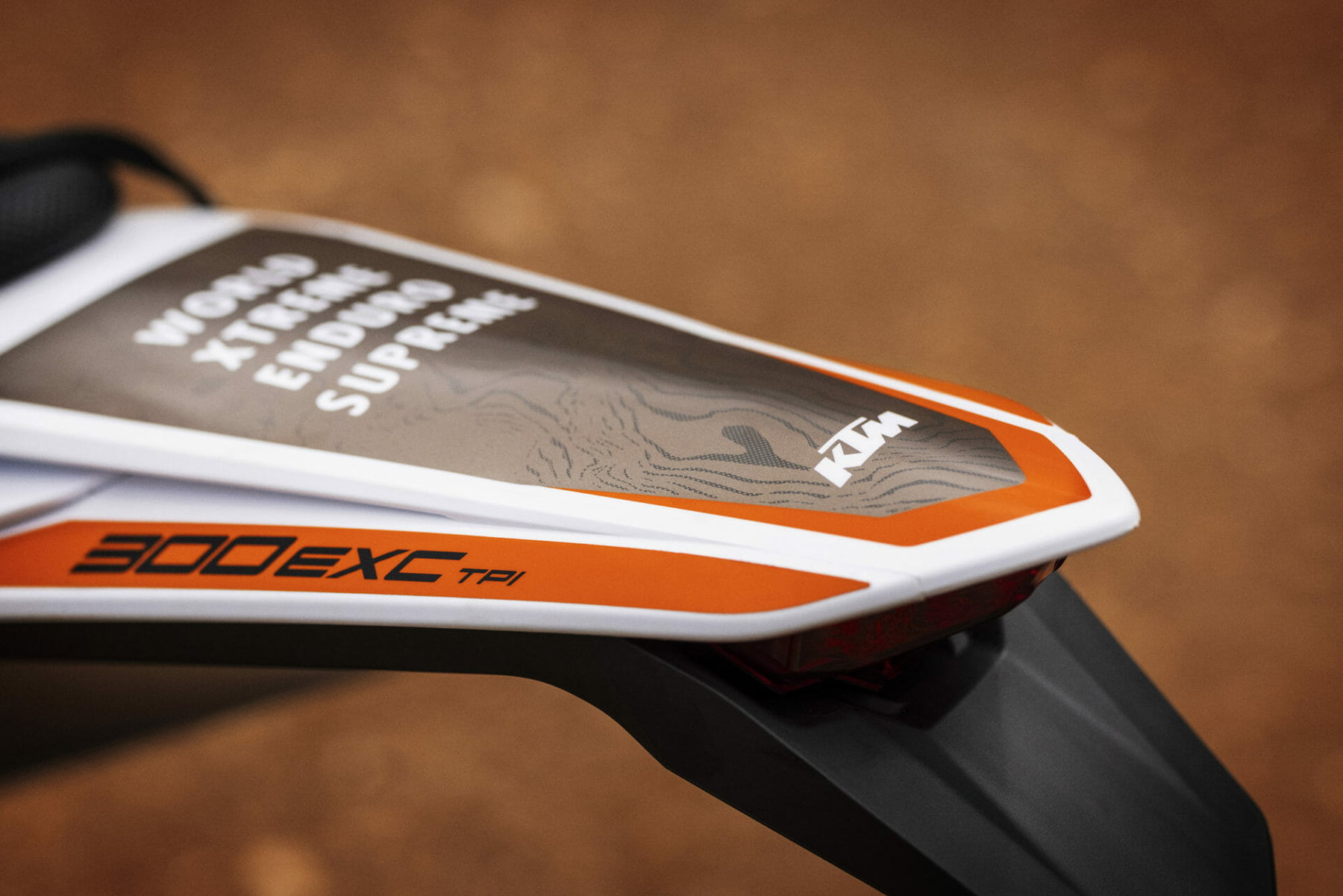
The factory images of the KTM 300 EXC consistently show the machine without a license plate bracket, without mirrors, and without turn signals — in other words, as a pure piece of sports equipment. KTM does not market the product as a street vehicle. Anyone who regularly rides motorcycles can confirm: a Sport EXC in road traffic — on country roads, in the city, or on the highway — is an absolute rarity. These machines are brought to training sessions, enduro tracks, and competitions and ridden there.
How Many Vehicles Are Actually Affected?
The exact number of derestricted KTM enduros in European road traffic cannot be determined. In Austria, according to Statistik Austria, around 11,000 enduros from KTM and sister brands GasGas and Husqvarna were registered in 2025. For Germany, the figure of 27,000 registered machines from these three brands is cited.
This number is misleading, however. It also includes models that have nothing to do with the restriction issue: the KTM 690 Enduro, the 690 SMC, the Adventure series, various supermoto models, and other street motorcycles with their own full type approval. The actually affected Sport EXC models make up a significantly smaller share. According to registration figures from the German Motorcycle Industry Association, new registrations of the relevant Sport EXC models across the entire group (KTM, Husqvarna, GasGas) were 4,261 units in 2024 and 464 units in 2025. The large difference between years is explained by the Euro 5+ transition phase. Over a typical useful life of five to seven years, this yields an estimated stock of 12,000 to 16,000 machines. How many of these are actually regularly ridden derestricted on public roads is unknown. The investigation does not provide this figure.
What Do Riders of Derestricted KTM Enduros Risk?
The legal risks are substantial. According to the chief legal counsel of the Austrian Road Safety Board (KFV), Armin Kaltenegger, riders face heavy administrative fines, license revocation, and even criminal consequences. In the event of an accident with a machine that does not correspond to its registered state, loss of insurance coverage is also a threat. Investigations for insurance fraud are possible.
Dealers can also face criminal prosecution if they fail to clearly point out that a converted enduro no longer has street registration, or if they actively recommend derestriction. For KTM itself, Kaltenegger sees potential competition law consequences, as the manufacturer gains an advantage through an offering that competitors operating legally do not make.
German environmental lawyer Remo Klinger, who specializes in climate litigation, characterized the practice as so grossly unlawful and illegal that one rarely encounters anything like it, describing it as clear illegal manipulation. However, this assessment refers to the overall practice — the chain from manufacturer delivery to dealer conversion to road use — not the factory delivery in isolation.
What Consequences Could the Case Have for the Motorcycle Industry?
The political dimension extends beyond KTM. The media escalation comes at a time when motorcycle noise, riding bans, and road closures are already being debated. The average reader of a daily newspaper or TV magazine rarely distinguishes between a highly specialized Sport EXC and a regular street motorcycle. In public perception, there is a risk of the blanket accusation that motorcyclists cheat, ride too loudly, and pollute the environment. This also affects the overwhelming majority of motorcyclists who have nothing to do with competition enduros and derestriction.
KTM is already in a difficult phase. The group went through insolvency proceedings in 2024 and is in the process of rebuilding. The revelations hit the company at a time when trust among customers, dealers, and investors is particularly important.
Whether the investigations actually develop into a scandal of the magnitude of the VW diesel scandal will largely depend on the results of the KBA investigation. The decisive difference remains: with VW, the fraud was built into the product and the customer was unaware. With KTM, a legal product leaves the factory. What happens afterward is the responsibility of dealers and buyers. That individual dealers do not take this responsibility seriously and actively push derestriction is a real problem. But a manufacturer that delivers a regulation-compliant vehicle is not a manufacturer that systematically commits fraud.
Frequently Asked Questions
-
What is the “alibi registration” for KTM enduros?
KTM delivers sport enduros like the 300 EXC in a restricted state that enables valid street registration. Dealers are said to derestrict the machines before sale and hand them over to customers with the documents of the restricted variant. Ten European media outlets describe this practice as an alibi registration.
-
Is the KTM case comparable to the VW diesel scandal?
No. With VW, the manipulation was built into the software and the buyer knew nothing about it. With KTM, a regulation-compliant vehicle leaves the factory. The derestriction only happens afterward through dealers or riders. The buyer knows what they are doing.
-
Is the Federal Motor Transport Authority investigating KTM?
Yes, the KBA has launched an investigation based on the research findings. If regulatory deviations are identified, the authority intends to initiate measures against the involved economic operators.
-
What do riders of derestricted KTM enduros risk?
Heavy administrative fines, license revocation, and criminal consequences. In the event of an accident with a machine that does not correspond to its registered state, loss of insurance coverage is also a threat.
-
Why do sport enduros even have street registration?
Enduro competitions in Europe also lead along public roads. The restriction is the only way to offer competition motorcycles with a license plate. Europe lacks a separate off-road category like the OHV registration in the United States.
➜ This article is part of our comprehensive overview: Motorcycle Law & Policy: Regulations, Court Rulings and Developments for Riders. Find all key information on this topic in one place.