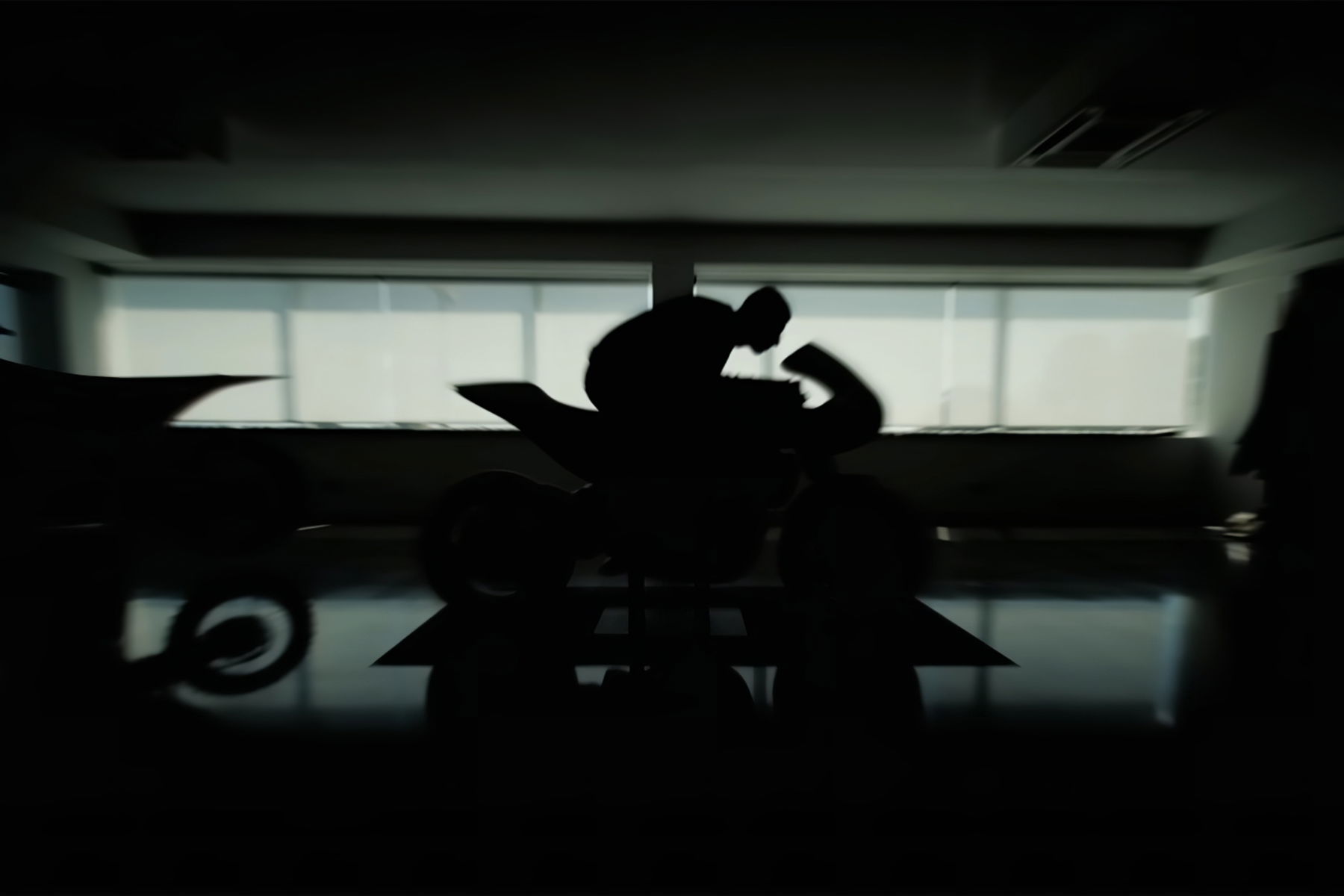
- Stark is planning road bikes on par with the 800 cc class, starting with the Älg adventure bike, followed by the sporty Lo.
- The plant near Barcelona is getting too small, a new factory and headquarters are to be built and will stay in Europe.
- CEO Anton Wass considers smaller and more affordable models possible within the next three years.
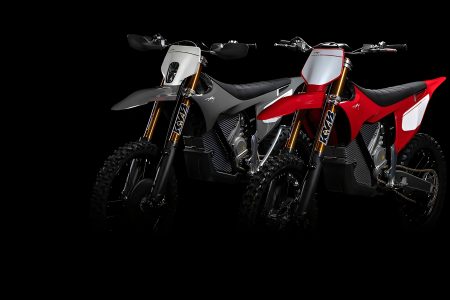
Stark Future grew big with motocross, enduro and supermoto. Now the next step is supposed to follow, and it is a much bigger one. Founder and CEO Anton Wass described to Motorcycle News how he sees the coming years. He wants to take the company from “a few thousand bikes per year, to millions of motorcycles”. He sees the path there on the road, not off-road.
Which road motorcycles is Stark Future planning?
Stark is working on electric motorcycles that are meant to keep up with mid-range petrol bikes of around 800 cc. The first planned model is the Älg adventure bike, followed by the Lo as a sportier road machine with similar figures.
Both names come from Swedish. Älg means elk, Lo means lynx. They fit with the Varg, whose name stands for wolf. The Älg is aimed mainly at the European market. Stark has not yet published concrete technical data, only targets. The range is supposed to be more than sufficient, and a charging stop should take less time than a coffee break. Compared with an 800 cc combustion bike, Stark is aiming for around 50 percent more power at a lower weight.
Wass has high expectations for the adventure bike. He believes it could become the best-selling adventure bike in the world. For his company, this is also about its public image. So far, Stark has mainly been seen as a motocross manufacturer, but in future the brand wants to compete in all major classes.
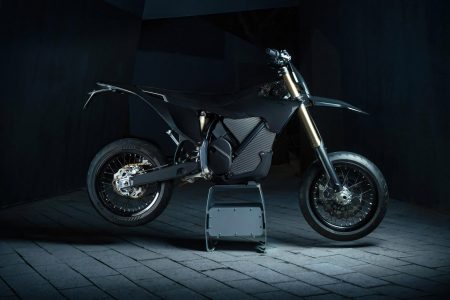
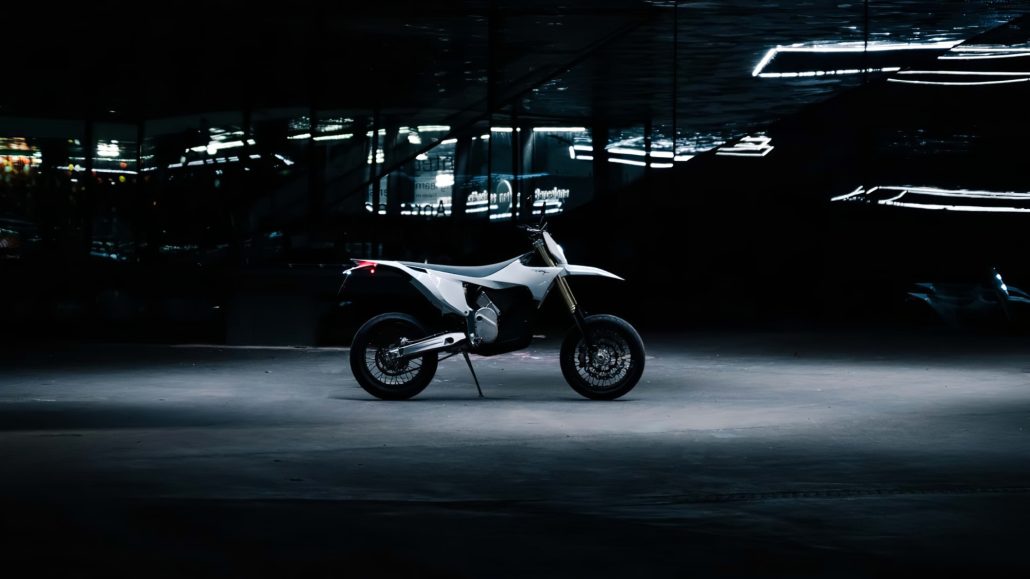
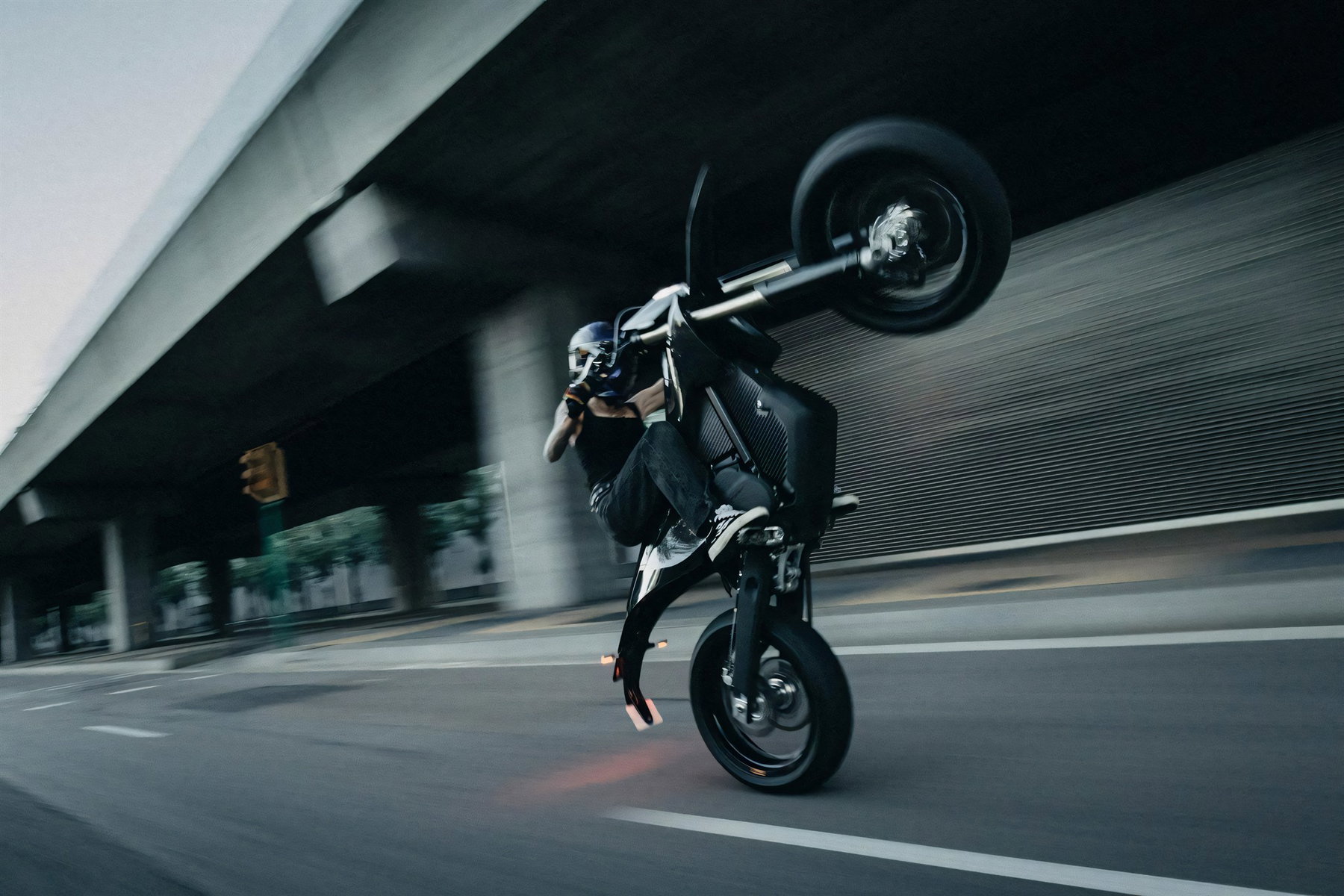
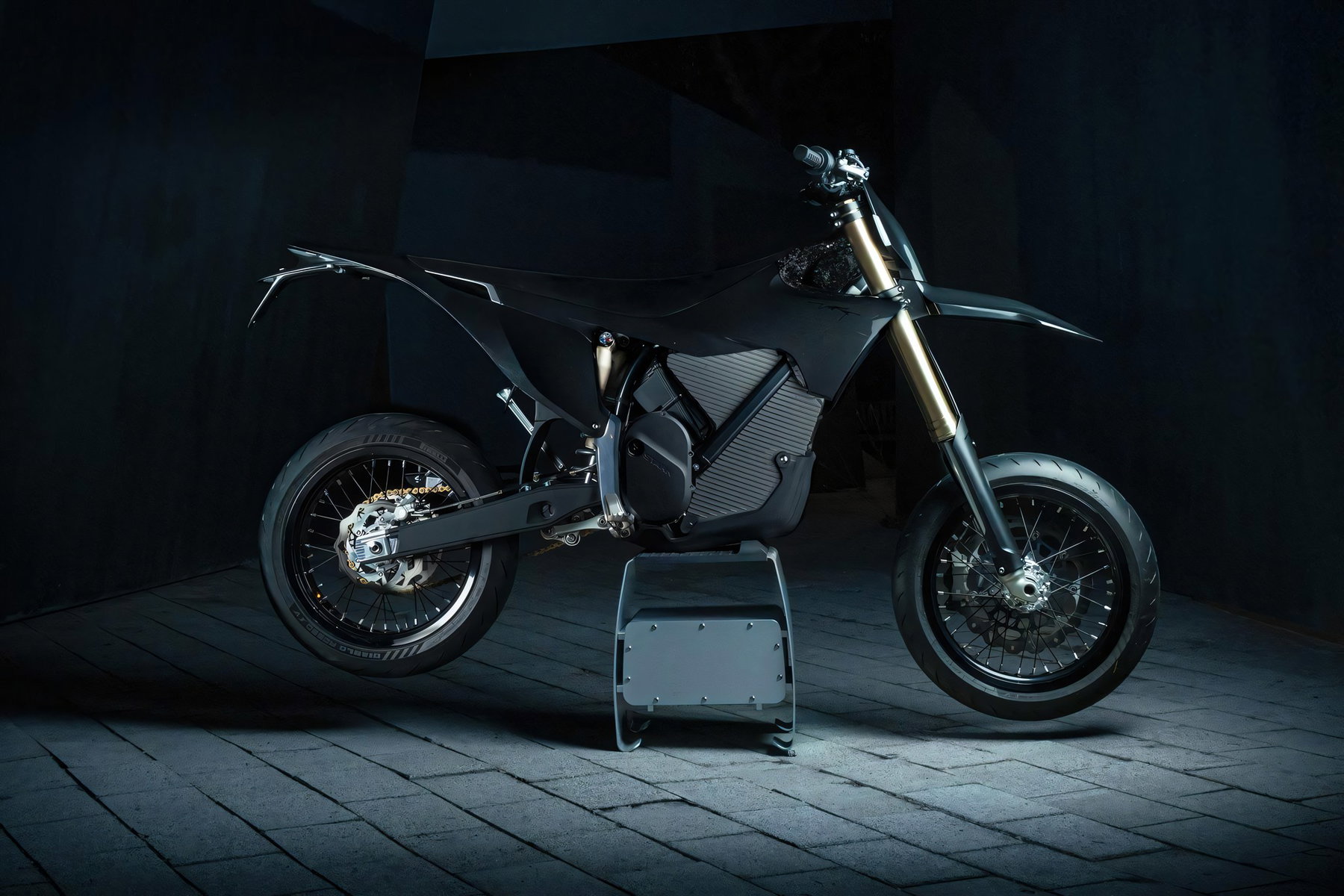
Stark has already taken its first step onto the road. With the Varg SM, there is a road-legal supermoto based on the off-road platform.
Will there also be smaller and more affordable Stark models?
That is possible. Wass explicitly does not rule out smaller and more affordable Stark motorcycles within the next three years. However, there is no firm commitment or timeline for this.
A further idea is somewhat more concrete: a road model specifically for Asia. According to information so far, it should match petrol bikes between 100 and 500 cc in performance and charge roughly as quickly as a motorcycle is refuelled at the pump. This model in particular is supposed to deliver the million-unit volumes that Wass names as his goal. He even talks about making it the best-selling motorcycle in the world. The project is not yet in series production.
Where does Stark Future want to produce in future?
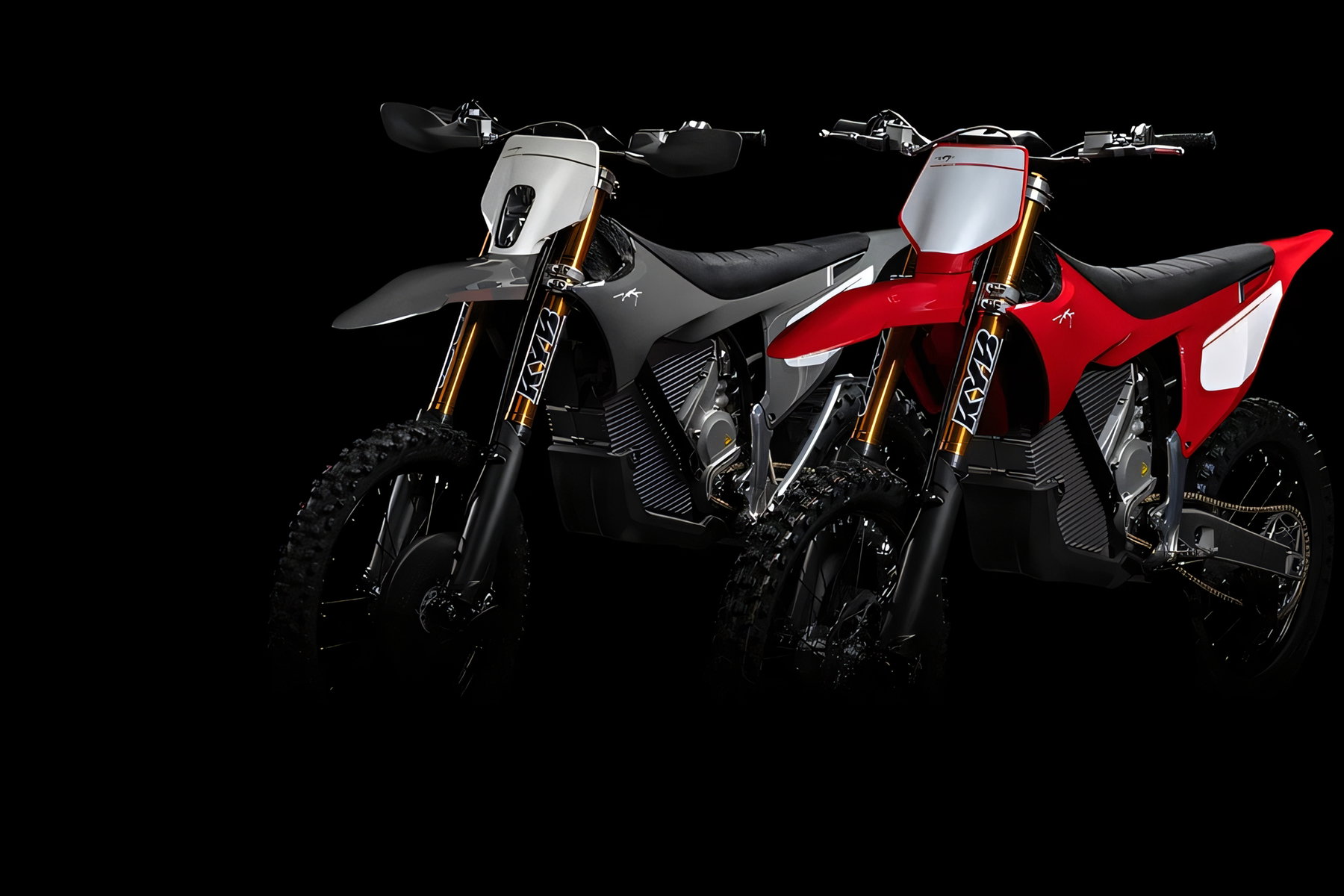
Stark wants to stay in Europe, but needs a new plant and a new headquarters to do so. Today the company builds all of its motorcycles in its own 20,000 square metre hall on the outskirts of Barcelona. According to Wass, this space will soon no longer be enough.
Wass would like to have the new headquarters right next to production. The split between continents has already been decided: platforms for Europe and the global market will continue to be built in Europe. The models for Asia, on the other hand, are to be produced where they are sold. They will differ slightly from the European models.
What technology is Stark preparing for the road?
For the road models, Stark is developing its own battery cell in the 26120 format. On top of that comes a large development budget: for 2026, the company has approved 36 million euros (around 39 million US dollars) for research and development, most of it for new road motorcycle platforms.
The money is going into new, powerful electric drivetrains and into the test benches and measuring equipment used to bring prototypes to production maturity. For the battery cell, Stark is relying on a format designed for motorcycles. Many electric motorcycles have so far used 21700 cells. These cylindrical cells were originally developed for early electric cars and e-bikes. The larger 26120 cell is supposed to fit better into a motorcycle frame and be easier to cool. Stark cites a target energy density of 330 watt-hours per kilogram and charging times of 10 to 15 minutes.
The first prototypes of the cell were made with the Chinese battery manufacturer EVE Energy. Wanxiang A123 has since joined as a series supplier. In 2009, the company supplied the batteries for McLaren-Mercedes’ KERS in Formula 1, a system that stores braking energy and releases it again. The cell is already being tested at the Barcelona plant. This puts Stark among the manufacturers working specifically on technology for the next generation of motorcycles.
Where is the money for the expansion coming from?
The plans are based on a funding round from mid-November. It brings Stark more than 150 million euros (around 164 million US dollars) and values the company at 1.2 billion euros (around 1.31 billion US dollars) before the investment.
The round was led by Highland Europe. Also on board are 1GT, the climate arm of Morgan Stanley Investment Management, and Axon Partners Group. Because more money came in than planned, a second round with further partners is possible.
The figures show how big the leap would be. In the global off-road market, which Stark estimates at around 3 billion euros (around 3.29 billion US dollars), the company has reached about 5 percent after three years of sales. That corresponds to around 150 million euros. The company puts the motorcycle classes that Stark now wants to enter at 90 billion euros (around 98.6 billion US dollars). This market is therefore roughly 30 times as large. Wass speaks openly of “a massive amount of pressure”. For him, that is exactly the reason why Stark exists.
What is still open about the road plans
Stark has not given dates or prices for any of the planned road models. The location of the new factory is not yet known either.
Wass himself sees Stark only at the beginning. He is proud of what has been achieved so far, but by his own calculation the company has only completed about one percent of its mission. He does not want to settle for that yet. Until the first road models are at dealers, the Varg family remains the brand’s only pillar.
Frequently Asked Questions
-
When will the first Stark Future road motorcycle arrive?
There is no date yet. The first pure road model after the Varg SM is planned to be the Älg adventure bike, followed by the sporty Lo. Stark has given neither a date nor a price for either.
-
How powerful will the Stark Älg be?
Exact performance figures are still missing. With the Älg, Stark wants to take on 800 cc adventure bikes while offering around 50 percent more power at a lower weight. Recharging should take less time than a coffee break.
-
Where does Stark Future build its motorcycles?
All Stark motorcycles are currently built in the company’s own 20,000 square metre plant near Barcelona. Because it will soon be too small, Stark is planning a new factory with headquarters in Europe. Models for Asia are to be built there in future.