- Funding round worth more than 150 million euros, led by Highland Europe
- Pre-money valuation of 1.2 billion euros, 60 percent higher than in September 2025
- The goal is new electric platforms for a market Stark puts at 90 billion euros
Six years after its founding, Stark Future says it is the first European electric motorcycle manufacturer to be worth more than one billion euros. The company, based near Barcelona, has closed a funding round with a total volume of more than 150 million euros (around 165 million US dollars). It is said to be the largest sum ever invested in a European electric motorcycle manufacturer. The round comes at a time when many brands in this segment are struggling with cash shortages, restructuring or insolvency. Stark, by contrast, says it is growing and turning a profit.
How much is Stark Future worth after the new funding?
Before the new investors come in, Stark Future is valued at 1.2 billion euros (around 1.32 billion US dollars). This so-called pre-money valuation describes the company’s value before the fresh capital is factored in.
At the last equity round in September 2025, the valuation stood at 750 million euros (around 826 million US dollars). In just over a year, it has therefore risen by 450 million euros, an increase of 60 percent. Founder and CEO Anton Wass also gave the news agency Reuters a revenue forecast: for 2026, Stark expects around 150 million euros. The valuation is thus roughly eight times the expected annual revenue.
Stark does not disclose how much the individual investors are contributing. According to the company, there were also higher offers. However, Stark says it deliberately chose specific partners and a suitable structure rather than simply taking the highest price.
Who is investing in Stark Future?
The round is led by Highland Europe, a growth investor based in London and Geneva. According to its own figures, Highland has raised 3.75 billion euros across six funds since 2012 and holds stakes in companies including the training platform Zwift.
Also on board are 1GT, the climate private equity arm of Morgan Stanley Investment Management, and the Spanish Axon Partners Group, which has been listed on the Madrid stock exchange since 2022. All three lead investors are new to Stark. They are joined by existing shareholders and a circle of friends and family.
The round was oversubscribed, meaning demand exceeded the originally planned volume. Stark is therefore keeping a second close open, allowing further strategic partners to join. The Swiss private bank Lombard Odier has already been named. The investment bank Stifel advised on the deal as financial adviser.
Stark has attracted major backers before. In December 2022, Eicher Motors, the parent company of Royal Enfield, came on board. Eicher paid 50 million euros (around 55 million US dollars at today’s exchange rate) for roughly 10.35 percent of the shares. In 2024, a 40 million euro credit line from the European Investment Bank followed (around 44 million US dollars at today’s exchange rate).
What does Stark Future plan to do with the money?
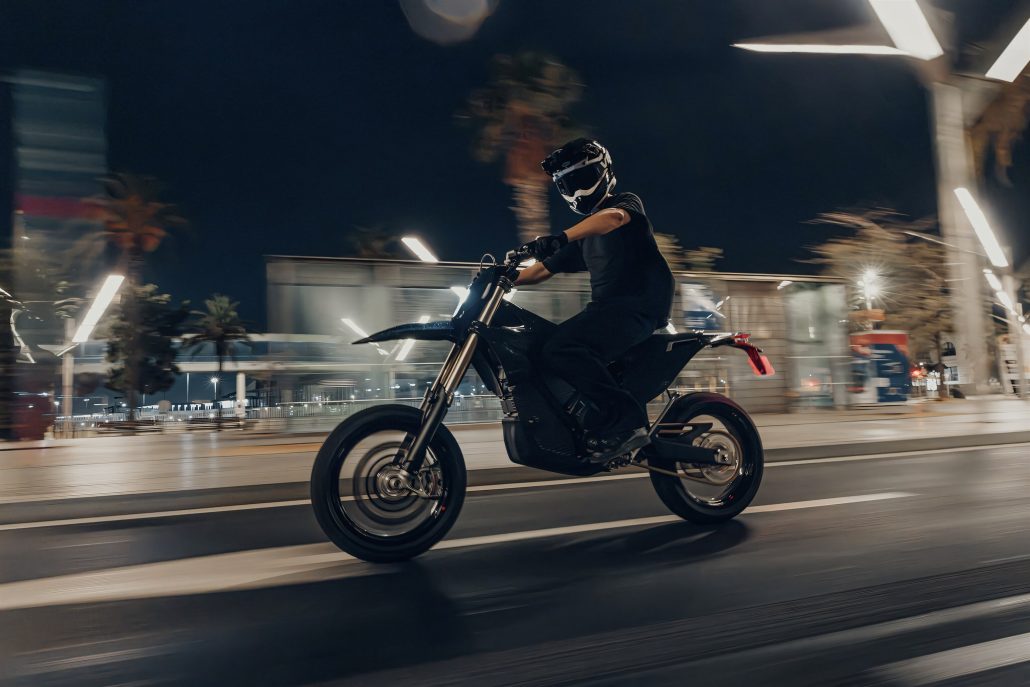
Stark wants to use the capital to develop new electric platforms and grow internationally. So far, the manufacturer only builds motorcycles for motocross, enduro and supermoto, but further motorcycle segments are set to follow.
Stark’s own figures show how big this step is. The company puts the global off-road market at around 3 billion euros (around 3.3 billion US dollars). The market it aims to reach with new segments is said to be worth around 90 billion euros (around 99 billion US dollars), 30 times the size of its current territory. Over the next few years, Wass considers a market share of 10 to 30 percent there to be realistic. Applied to the entire market, that would mathematically amount to 9 to 27 billion euros.
Stark has not yet revealed exactly which motorcycles are coming, and there are no dates for new models either. The motorcycles are already sold in Europe, Asia, North America and Latin America. Latin America is to be first in line for further expansion. Wass states the ambition confidently: “We’re not here to take part in the future of motorcycling. We’re here to lead it.”
Highland partner Tony Zappalà sees the motorcycle as the last major vehicle category where electrification has not really arrived yet. In his view, many manufacturers have tried, but none has so far come close to Stark’s success.
How successful has the Stark Varg been so far?
According to the manufacturer, the Varg EX is now the best-selling enduro motorcycle in the world, leaving all combustion-engined models behind. This cannot be independently verified, as all figures on sales, market share and profit come from Stark itself.
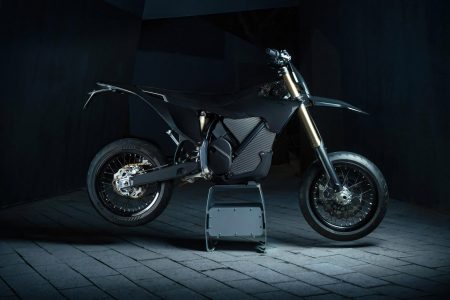
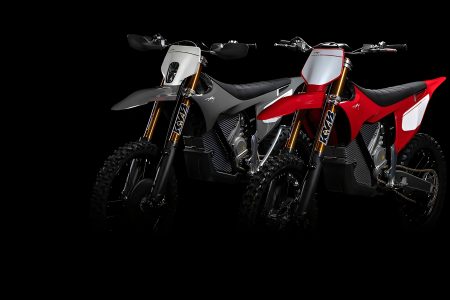
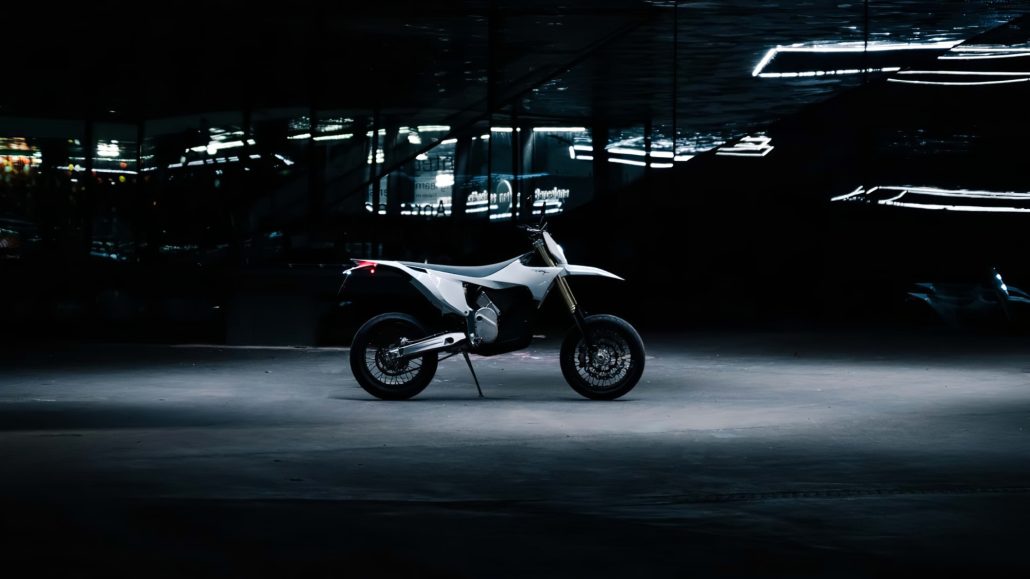
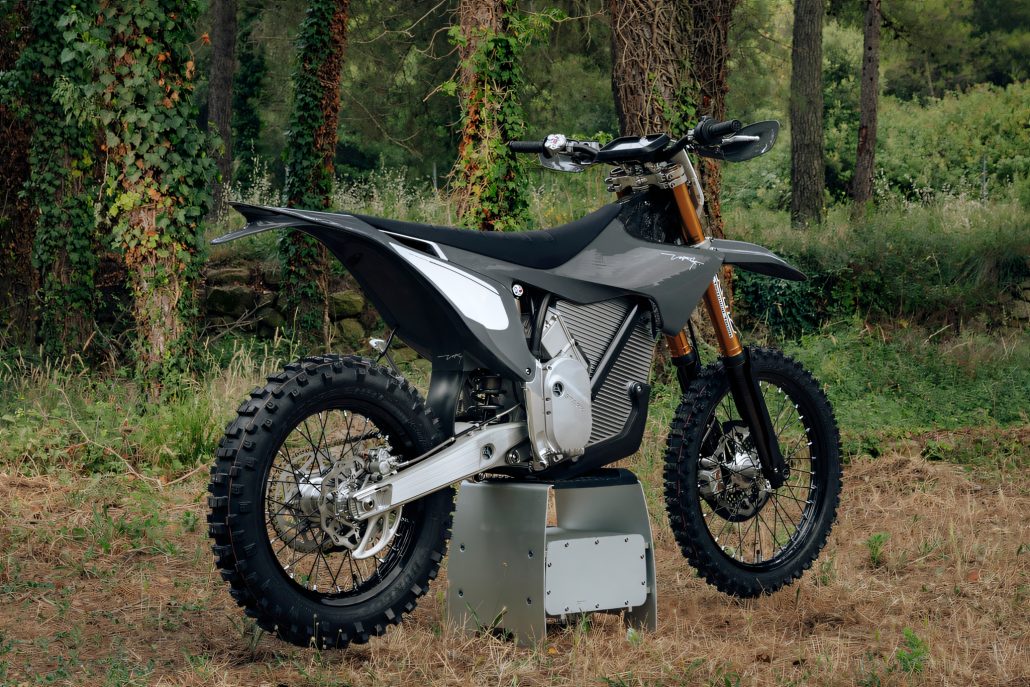
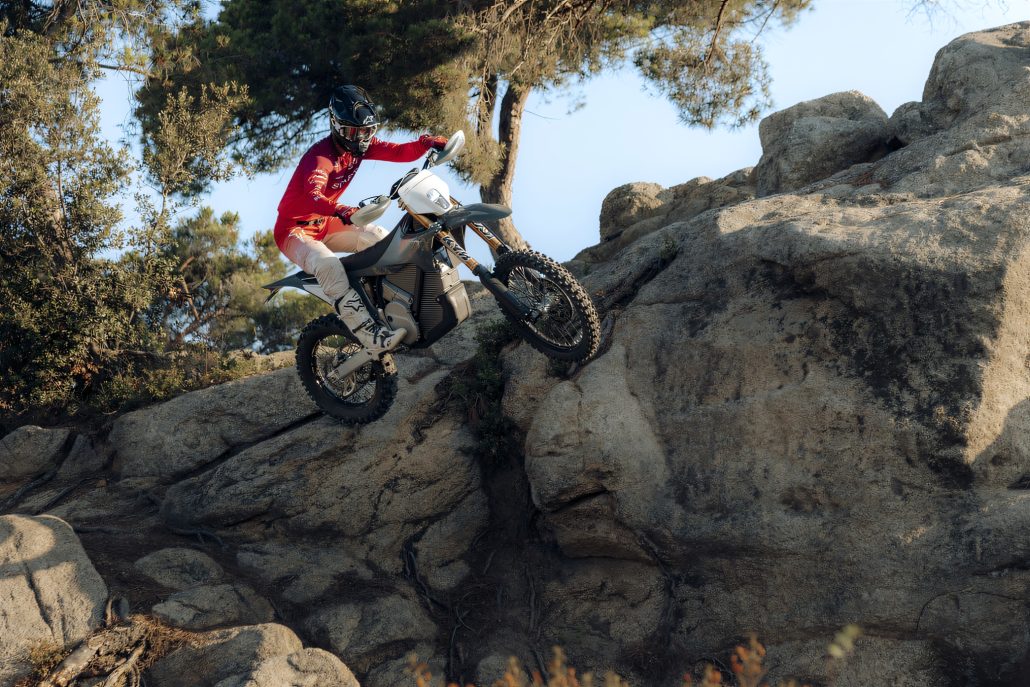
The Varg platform comprises three models. The Varg MX for motocross was unveiled at the end of 2021, the Varg EX for enduro followed in early 2024, and the road-legal Varg SM supermoto was added in 2025. The motorcycles have been delivered for three years.
In Germany, the Varg is said to have captured around half of the enduro market in its very first sales year, while in France and Italy it reportedly took first place. In terms of units, the USA is now the largest market. Overall, by its own calculation, Stark has taken around 5 percent of the global off-road market away from combustion bikes in three years. With a market volume of 3 billion euros, that would be around 150 million euros, roughly the revenue Stark expects for 2026.
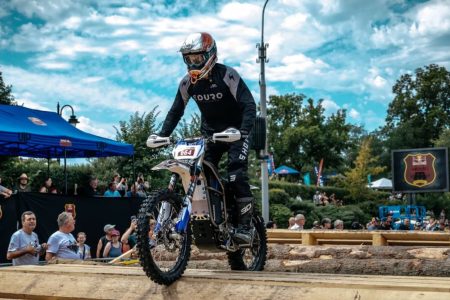
All motorcycles are built in the company’s own 20,000-square-metre factory on the outskirts of Barcelona, where development and engineering also take place. Stark employs almost 500 people and sells through more than 650 dealers worldwide. In racing, the brand competes in series including FIM SuperEnduro, Hard Enduro, EnduroGP and the Supercross World Championship.
Why is Stark Future making money while other electric brands struggle?
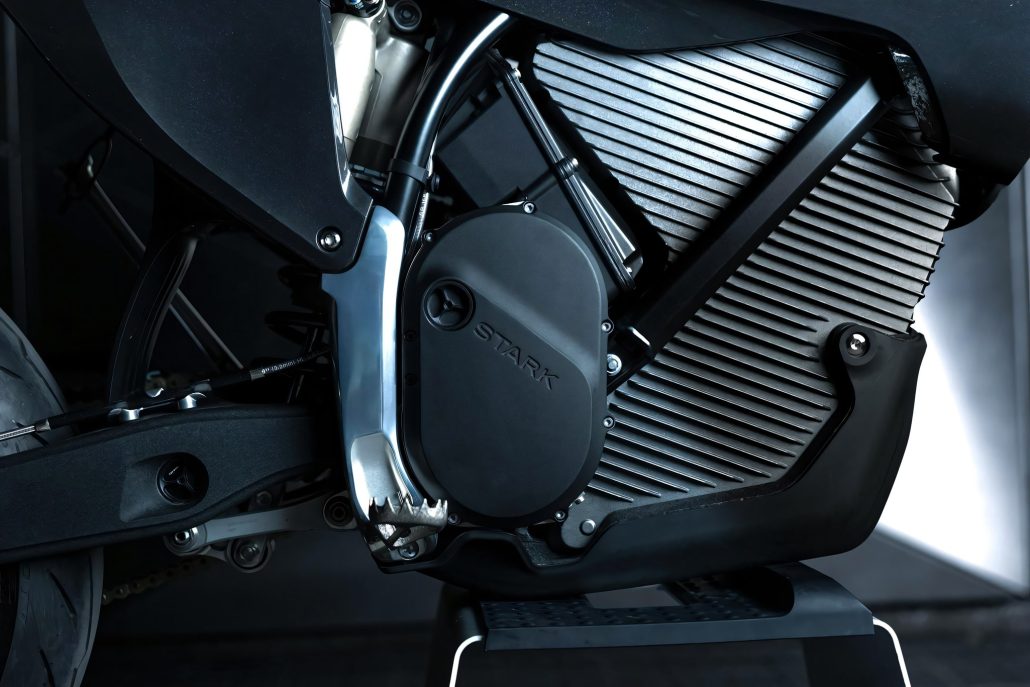
Stark attributes its profit primarily to high gross margins. The company develops its technology in-house, owns the rights to it and thus keeps its value chain very short.
In 2025, Stark generated revenue of 115 million euros (around 127 million US dollars). If revenue rises to around 150 million euros as announced, that would be an increase of about 30 percent. For 2026, the company also expects positive earnings before interest and taxes (EBIT). Stark will only give an exact figure once the financial year has closed.
A look at the USA shows how difficult the environment is. Harley-Davidson subsidiary LiveWire had raised substantial doubts only a few weeks earlier about whether it can continue as a going concern. One difference lies in strategy: Stark never relied on cheap electric commuters, but on premium competition motorcycles. They are sold on performance, not on the environmental argument.
Is Stark Future planning an IPO?
An IPO is a long-term goal, but according to Wass it is still a few years away. Stark would most likely list on a stock exchange in the USA.
The company says it has already received and rejected takeover offers. Wass hopes the current round will remain the last private financing before a possible IPO.
Frequently Asked Questions
-
What is Stark Future’s valuation?
Stark Future is valued at 1.2 billion euros before the new investment. The funding round has a total volume of more than 150 million euros. In September 2025, the valuation stood at 750 million euros.
-
Who founded Stark Future?
Stark Future was founded in Barcelona in 2020 by Swede Anton Wass and Paul Soucy. Wass runs the company as CEO, Soucy is CTO. Wass previously co-founded the online motorcycle parts retailer Pierce.
-
Which motorcycles does Stark Future build?
Stark builds only electric motorcycles on the Varg platform. These include the Varg MX motocross bike, the Varg EX enduro and the road-legal Varg SM supermoto. All models are built in the company’s own factory near Barcelona.
-
Will Stark Future launch new models?
Stark plans to use the new capital to develop new electric platforms and enter further motorcycle segments. The company has not yet revealed which models these will be or when they will arrive.