- Traffic fines in Italy could rise by around 6.5 percent from 1 January 2027
- Speeding by 40 to 60 km/h would then cost at least 578 instead of 543 euros
- The planned reform of the Highway Code would fundamentally change the mechanism
Anyone travelling in Italy by motorcycle or car may have to brace for higher penalties. Since 2023, the government has repeatedly suspended the legally required adjustment of fines to inflation. This pause ends on 31 December 2026. ASAPS, an association of supporters of the Italian traffic police, has calculated what this would mean for the most common offences. At the same time, Rome is working on a new Highway Code that would lower fines overall and change the rules for future increases.
Why could traffic fines in Italy rise in 2027?
Italian traffic law requires fines to be adjusted to inflation every two years. Because the suspension of this rule expires at the end of the year, the automatic mechanism kicks in again from 1 January 2027 unless the government intervenes once more.
The basis is Article 195 of the Codice della Strada, the Italian Highway Code. The benchmark is the FOI, a consumer price index published by the statistics office Istat that tracks price developments for households of blue- and white-collar workers. If this index rises within two years, fines rise by the same amount.
From 2023 to 2026, this rule was put on ice. This was made possible by the so-called Milleproroghe decree, which so far only postpones the adjustment until 31 December 2026.
For the period from November 2024 to October 2026, ASAPS arrives at an increase in the FOI of around 6.5 percent. The association cites higher energy and fuel prices as the main reason. If the November figure also stays at this level, it would be one of the largest increases since the current Highway Code came into force in 1992. The exact new amounts are decided jointly by decree by three ministries (Justice, Economy and Transport). By law, this decree must be in place by 1 December.
Which offences will become more expensive in Italy?
Almost all fines would be affected, from speeding and driving without a licence to illegal parking. ASAPS has rounded the new minimum amounts for some typical cases to whole euros:
- More than 10 and up to 40 km/h over the limit: 184 instead of 173 euros (approx. 201 instead of 189 US dollars)
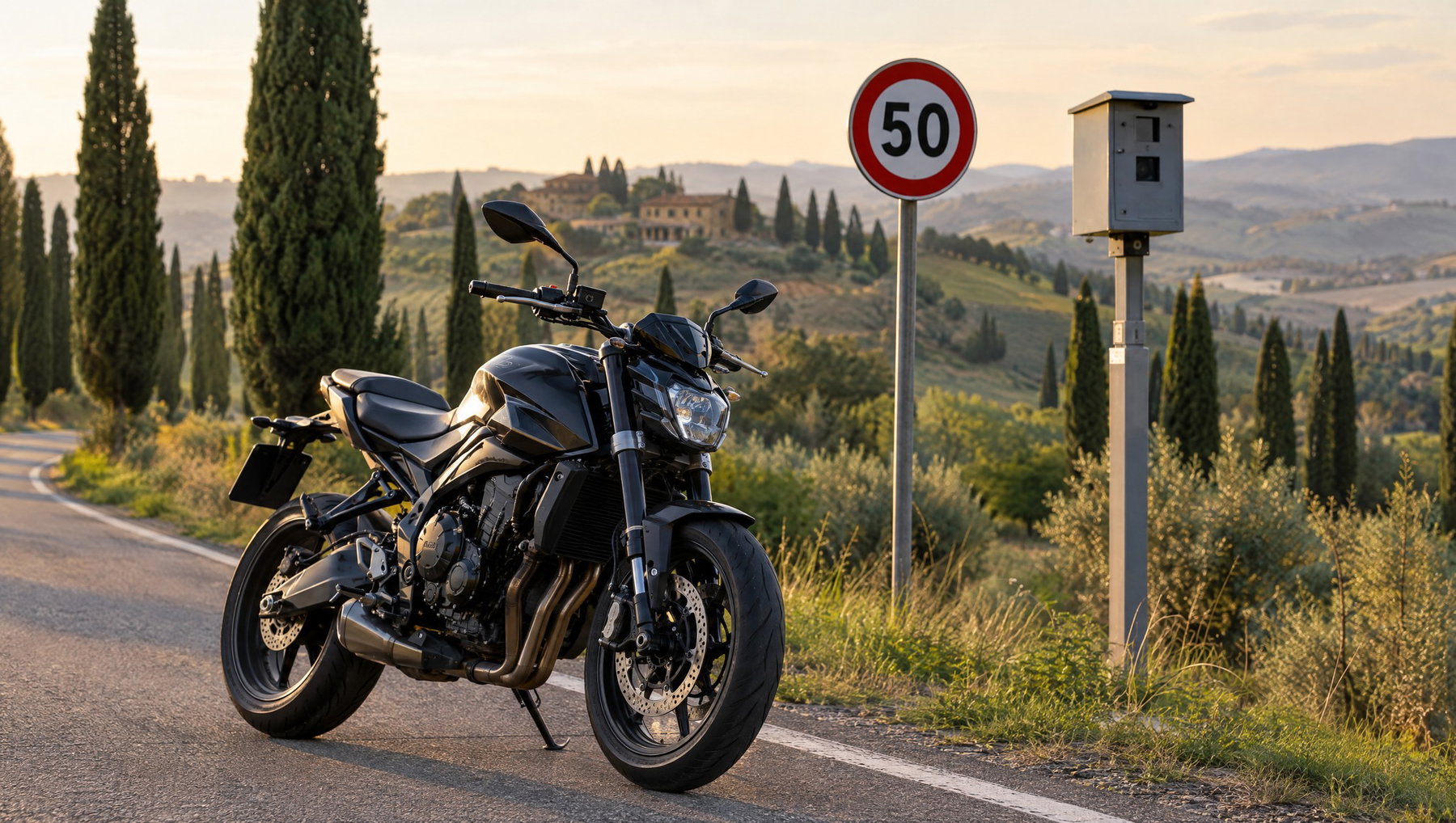
- More than 40 and up to 60 km/h over the limit: 578 instead of 543 euros (approx. 632 instead of 594 US dollars)
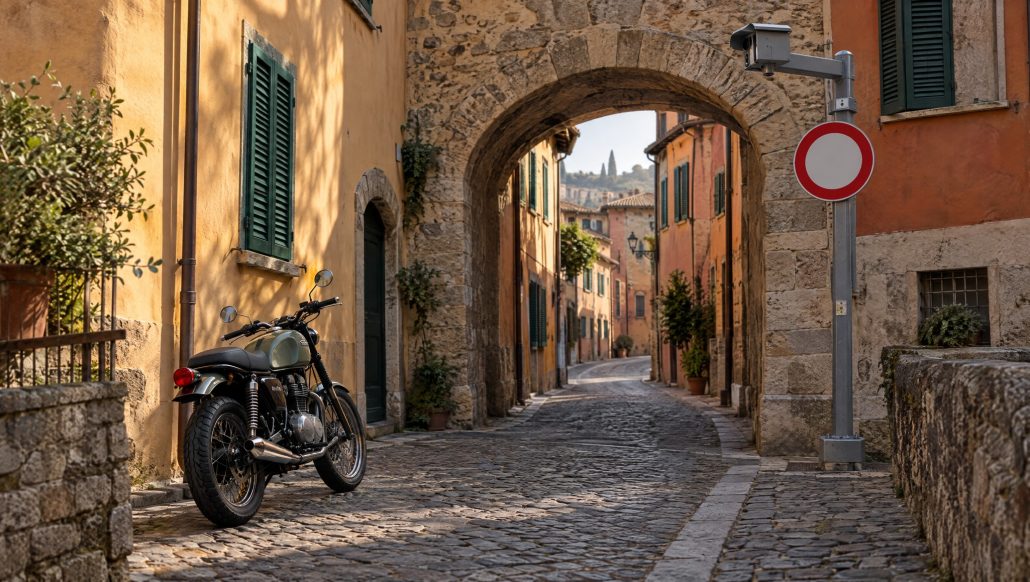
- Unauthorised entry into a ZTL or driving in a bus lane: 88 instead of 83 euros (approx. 96 instead of 91 US dollars)
- Parking in a disabled parking space: 179 instead of 168 euros (approx. 196 instead of 184 US dollars)
- Simple no-parking violation: 45 instead of 42 euros (approx. 49 instead of 46 US dollars)
In absolute terms, the higher speeding band is hit hardest, with a surcharge of 35 euros. The smaller amounts show the effect of rounding: the parking fine becomes a good 7 percent more expensive, the ZTL penalty only around 6 percent. ZTL stands for Zona a traffico limitato, a zone with restricted access.
Which fines remain unchanged?
Penalties that have already been reset in the past two years would not rise. These include using a mobile phone while driving, which has cost at least 250 euros (approx. 273 US dollars) since the 2024 reform.
Why does ASAPS think the increase is wrong?
The association considers today’s fines to be high enough and does not see the increase as a means of improving safety. What matters, it says, is that road users actually have to expect to be checked.
ASAPS president Giordano Biserni is therefore calling for more patrols on the roads instead of higher amounts. He fears that a 6.5 percent rise in the current economic situation will anger many of those affected and that even fewer fines will be paid. Already today, the state and municipalities are receiving fewer voluntary payments. In the end, fines would become empty threats, Biserni said in essence.
ASAPS is therefore campaigning for the adjustment to be frozen for 2027 as well. If an increase does come later, the association wants it to take into account only the inflation of the respective two-year period, for example 2026 and 2027, without making up for the skipped years before.
What would the planned reform of the Highway Code change?
The draft for a new Codice della Strada provides that fines will no longer be adjusted automatically every two years. An increase would only come once inflation since the last adjustment exceeds 5 percent.
At first glance, that sounds like relief. But once the threshold is crossed, the entire accumulated inflation could be applied in one go. Instead of several small steps, there would then be a single, larger jump.
In parallel, the Ministry of Transport has presented a new table of fines. It covers 795 offences. Only 66 of them, or around 8 percent, will become more expensive. All other amounts will fall, so that fines overall are expected to be around 7 percent lower. There are 85 new offences proposed by the local police.
One point is particularly relevant for riders of two-wheelers: anyone riding a two- or three-wheeled vehicle on the pavement would in future pay 160 instead of 40 euros (approx. 175 instead of 44 US dollars). Failing to give way when merging, reversing and turning will also become significantly more expensive, at 80 instead of 42 euros (approx. 88 instead of 46 US dollars), as will driving without third-party liability insurance, at 1,000 instead of 866 euros (approx. 1,094 instead of 947 US dollars).
The reform is part of a comprehensive overhaul of Italian traffic law. Until it comes into force, the existing rules apply, and with them the automatic mechanism from Article 195.
Frequently Asked Questions
-
Are traffic fines in Italy certain to rise in 2027?
No, that is not certain yet. The increase of around 6.5 percent only takes effect from 1 January 2027 if the government does not suspend the inflation adjustment again. It has already been postponed several times since 2023.
-
How much will speeding cost in Italy from 2027?
Exceeding the limit by more than 10 and up to 40 km/h would cost at least 184 instead of 173 euros. Between 40 and 60 km/h too fast would cost at least 578 instead of 543 euros.
-
Will using a mobile phone while driving in Italy become more expensive?
No. The fine for using a mobile phone while driving was raised to at least 250 euros with the 2024 reform. Penalties reset within the last two years are exempt from the inflation adjustment.
-
How does Italy calculate the increase in fines?
The basis is the change in the FOI consumer price index over two years. From November 2024 to October 2026, it rose by around 6.5 percent. ASAPS has rounded the resulting new amounts to whole euros.