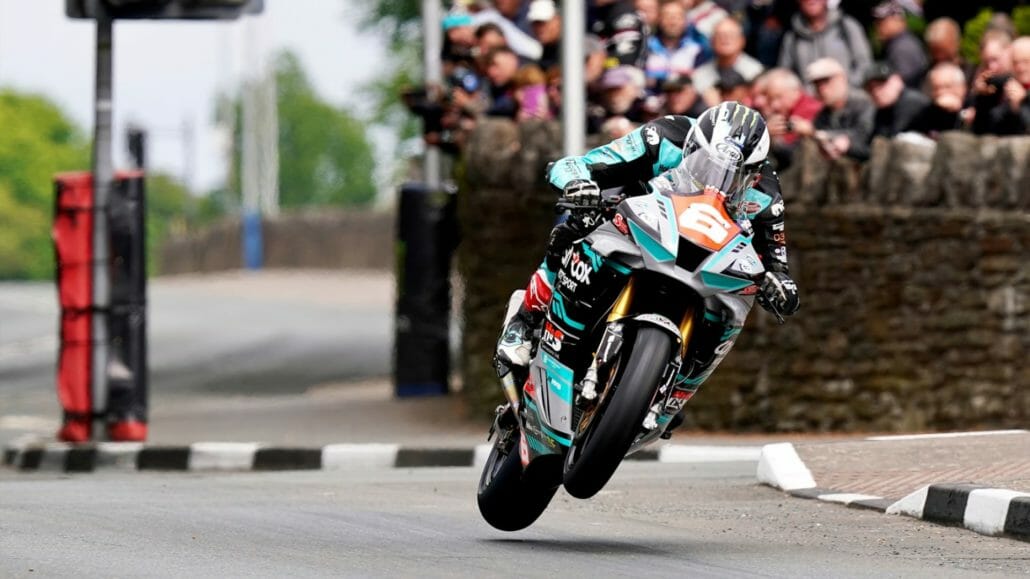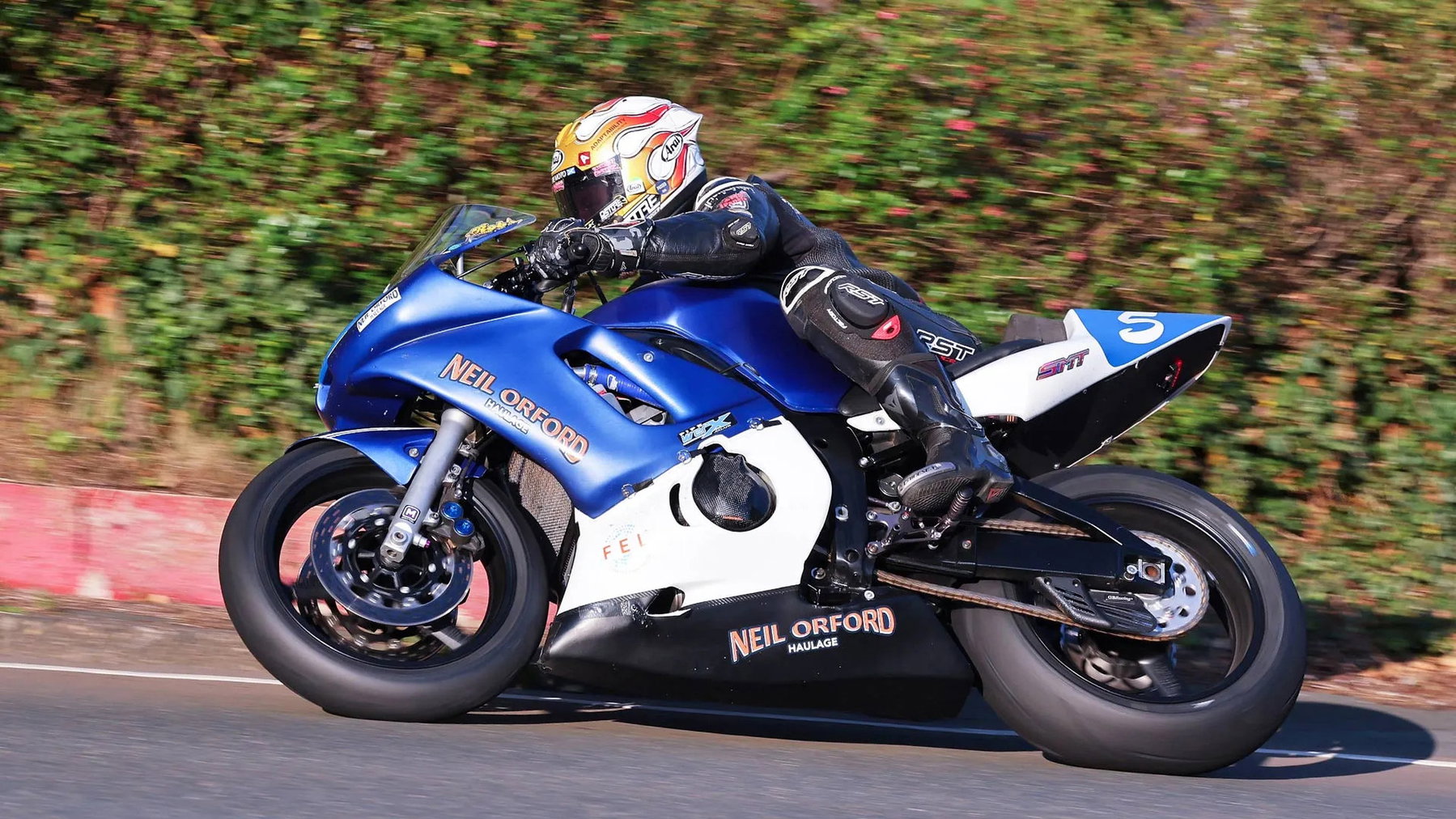
- Victory by 24.32 seconds after two laps
- Fastest lap of the race at 120.276 mph (about 193.6 km/h) on the final lap
- Just 0.409 seconds decided the fight for second place
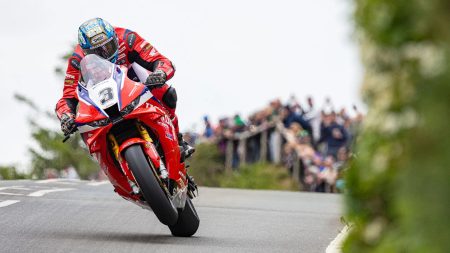
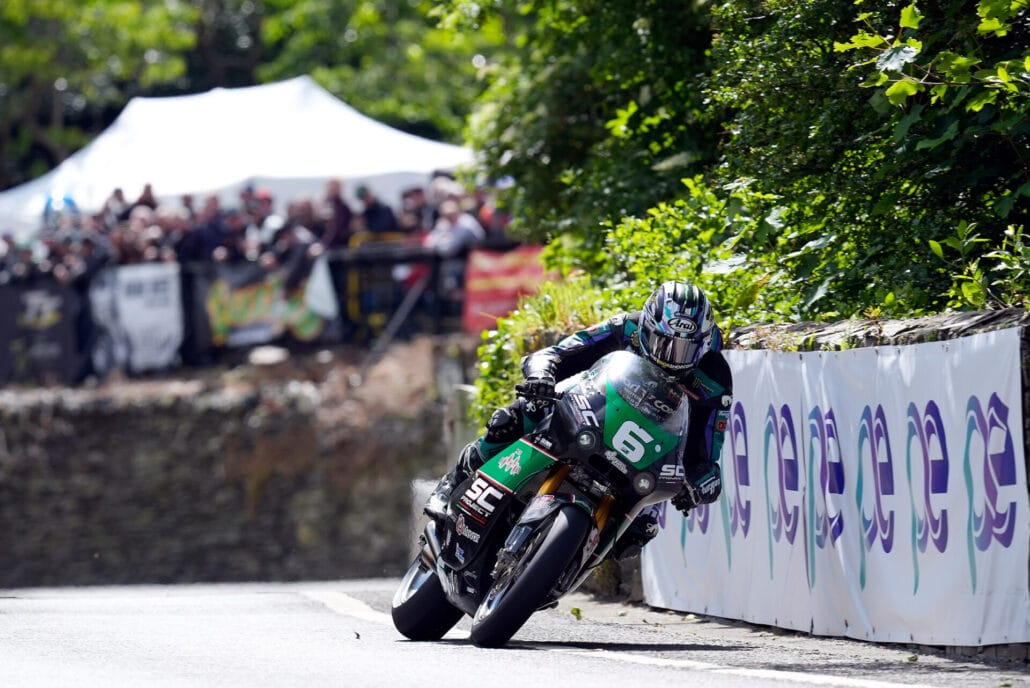
Monday evening on the Snaefell Mountain Course belonged to a rider from Wigan in England. Rob Hodson led the first Junior 600 race of the Classic TT from the opening split, extended his advantage sector by sector and took the win on the Neil Orford Haulage Yamaha YZF-R6. Conditions were again ideal and the race ran over two laps. It was a premiere for the class, because the Junior 600 appears on the event programme for the first time in 2026.
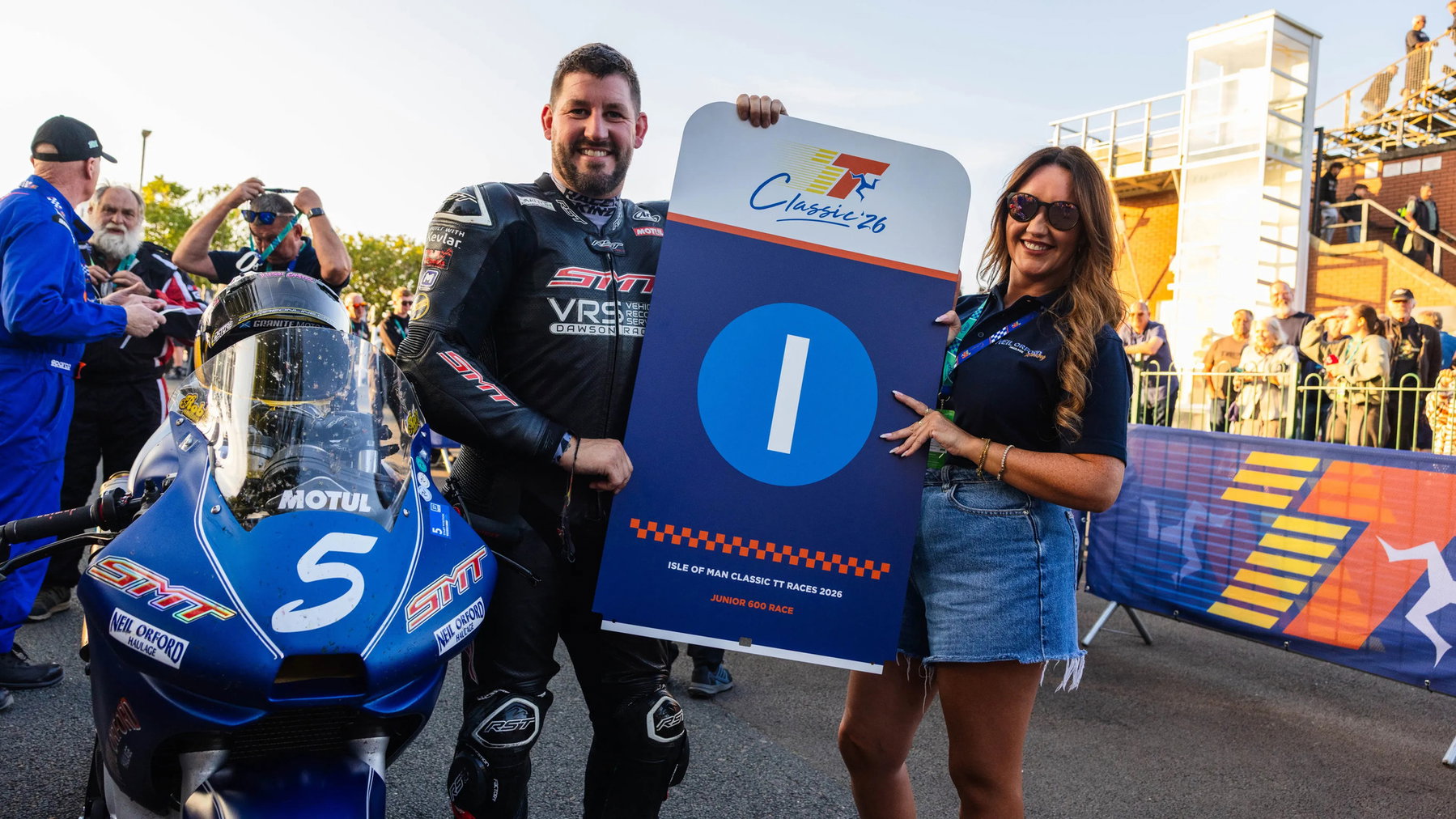
How comfortable was Rob Hodson’s win?
Hodson won by 24.32 seconds from Barry Furber. On the second and final lap he also set the fastest time of the race at 120.276 mph, which equates to roughly 193.6 km/h.
The gap grew steadily. At Glen Helen, Hodson was only 0.756 seconds ahead of Michael Russell on the Complete Plumbing Solutions Yamaha; by Ballaugh it was already 5.9 seconds, and through Ramsey another two seconds on top. At the end of the first lap he had posted an average of 119.589 mph (about 192.5 km/h) and a cushion of 10.78 seconds. Over the mountain he kept adding to it until the lead at Ramsey Hairpin on the final lap had grown to 13.6 seconds. At the Bungalow it briefly shrank a little, but that no longer changed the outcome.
How close was the race early on?
At the start, the first six riders were covered by seven seconds. Only from Ballaugh onwards did the field begin to sort itself out more clearly.
Joe Yeardsley reached Glen Helen first on the road, which was deceptive: he had set off with number one and was only fifth on corrected time. Behind Hodson and Russell came Furber on the Robinson Timber Yamaha, then Tom Robinson on the Peter Todd Racing Yamaha and Julien Cregniot. By Ballaugh the picture had changed: Furber moved ahead of Russell, if only by 0.177 seconds. Marcus Simpson brought the Duckshaw Racing Kawasaki up to fourth with Yeardsley right behind him. At that point the two were split by 0.1 seconds, and shortly afterwards at Ramsey by just 0.125 seconds. The battle for sixth was equally tight, with one second covering Robinson, Ryan Whitehall and Timothee Monot. Monot’s race ended on the second lap at Ballahutchin.
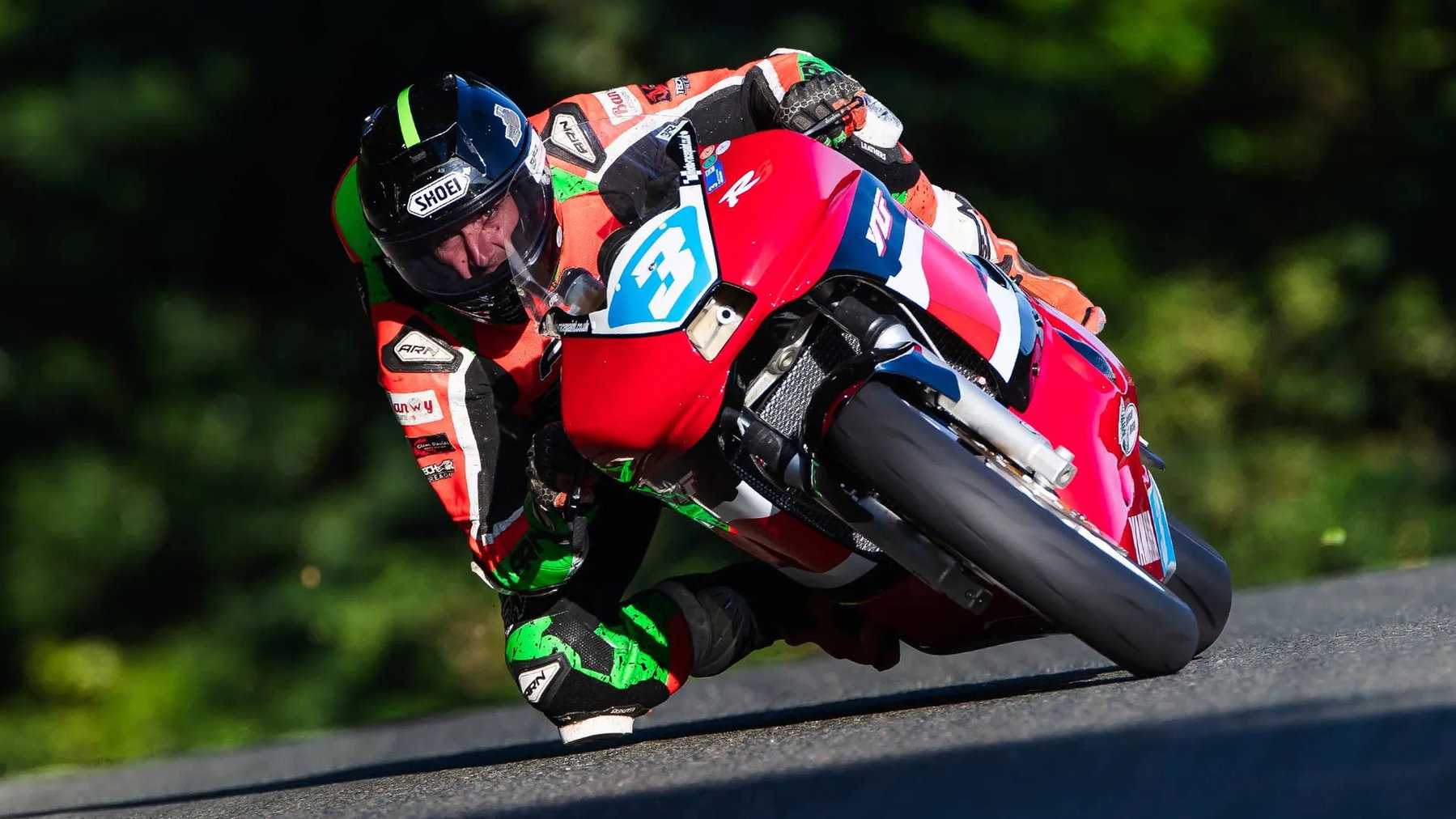
Why was the fight for second so close?
Furber ran out of fuel towards the end of the second lap. He dragged himself across the finish line and saved second place by 0.409 seconds from Yeardsley.
Yeardsley had been quickest in qualifying but was slow to get going in the race. On the run to Ballaugh he passed Russell for third and then found his rhythm. His second lap of 120.091 mph (about 193.3 km/h) was also above the 120 mph mark, making him the only rider besides Hodson to manage it. In the end he was just under four tenths of a second short. According to media reports, Yeardsley spoke after the race about a slow start, while Furber described how close it had been to get the bike back at all.
Who finished behind the podium?
Michael Russell came fourth, ahead of Ryan Whitehall and Tom Robinson. The order is based on combined time over both laps, not on lap speed.
That matters when looking at the numbers, because Whitehall’s final lap of 118.437 mph (about 190.6 km/h) was quicker than Russell’s 118.137 mph (about 190.1 km/h). Russell had already built his buffer on the first lap, however, and stayed ahead there by eight seconds. Robinson recorded 117.053 mph (about 188.4 km/h) and finished sixth. Behind them, Simpson, Cregniot, Paul Cassidy on the Gorilla Racing Yamaha and Tom Weeden on the Suzuki GSX-R600 completed the top ten. Weeden was therefore the highest-placed rider not on a Yamaha or Kawasaki.
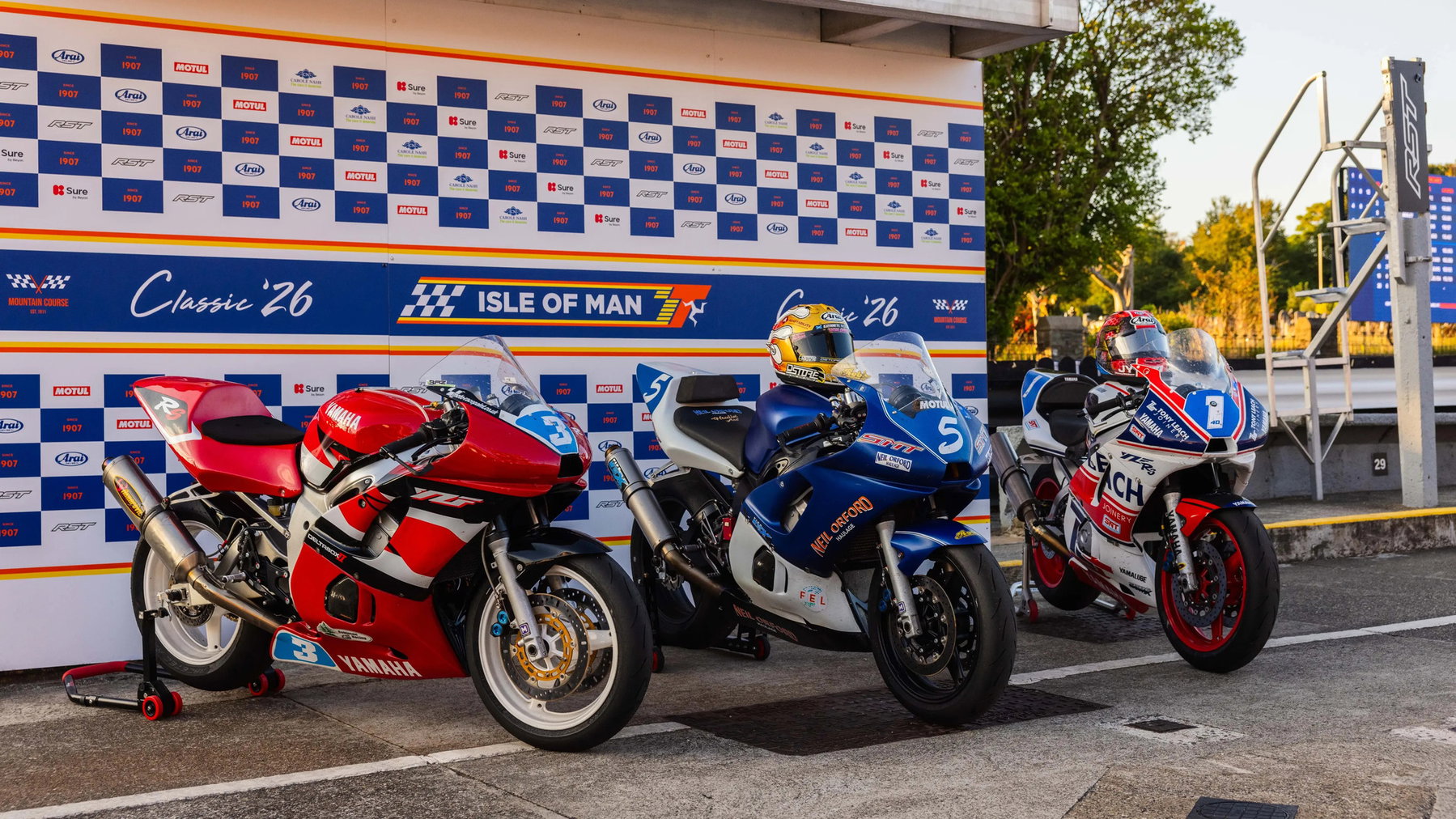
What is the Junior 600 class at the Classic TT?
The Junior 600 is a new category that was run for the first time in 2026. It is dedicated to the 600cc supersport machines of the 1990s, in other words the models from the era before fuel injection.
According to the organiser, eligible bikes are the Yamaha YZF-R6, the Honda CBR600, the Kawasaki ZX-6R and the Suzuki GSX-R600 SRAD. Fuel injection here means the electronic fuel delivery that these model ranges only received later. The class therefore targets an era that shaped racing on the Mountain Course for years. Yamaha clearly dominated the entry: of the twenty seeded riders, twelve were on the YZF-R6, alongside three Kawasakis, three Hondas and two Suzukis. Hodson’s name now stands first on the roll of honour for this class.
The race within the Classic TT 2026
The Junior 600 race closed out Monday’s programme. Earlier in the afternoon the Historic Senior race had taken place, won by John McGuinness. The original plan called for three laps for the Junior 600 on a different day, but the event schedule had been reshuffled at short notice.
Several of the twenty seeded grid slots remained empty. According to the official start sheet, numbers two, six and seven were among the non-starters, including Michael Dunlop, who had been talked up as a favourite beforehand. In total, 18 riders took the start.
Frequently asked questions
-
Who won the first Junior 600 Classic TT?
Rob Hodson from Wigan won the first Junior 600 race at the Classic TT. He rode the Neil Orford Haulage Yamaha YZF-R6 and took victory by 24.32 seconds. Barry Furber finished second and Joe Yeardsley third.
-
How fast was the fastest lap in the Junior 600 race?
The fastest lap was 120.276 mph, which equates to roughly 193.6 km/h. Rob Hodson set it on the second and final lap. Joe Yeardsley was the only other rider to break the 120 mph mark, with 120.091 mph (about 193.3 km/h).
-
Which motorcycles are eligible in the Junior 600 class?
Eligible machines are 600cc supersport bikes from the 1990s, from the era before fuel injection. According to the organiser, these include the Yamaha YZF-R6, the Honda CBR600, the Kawasaki ZX-6R and the Suzuki GSX-R600 SRAD.
-
Why was the fight for second place so close?
Barry Furber ran out of fuel towards the end of the second lap and lost significant pace. That allowed Joe Yeardsley to close to within 0.409 seconds, but it was not quite enough to get past.
-
How many laps did the race run over?
The race was run over two laps of the Snaefell Mountain Course. Three laps had originally been scheduled, but the event timetable was changed at short notice.
➜ This article is part of our comprehensive overview: Isle of Man TT 2026: The Complete Overview – Schedule, Riders, Teams & Results. Find all key information on this topic in one place.