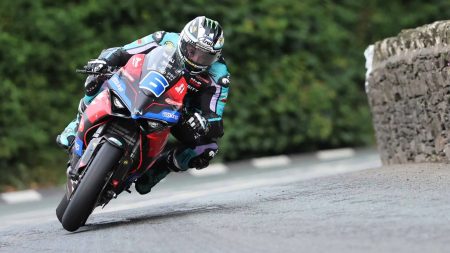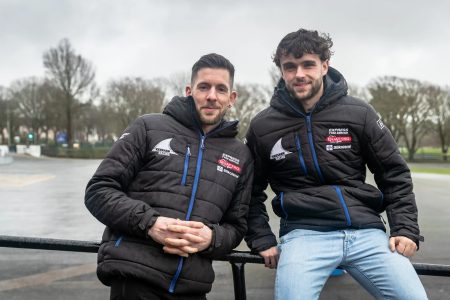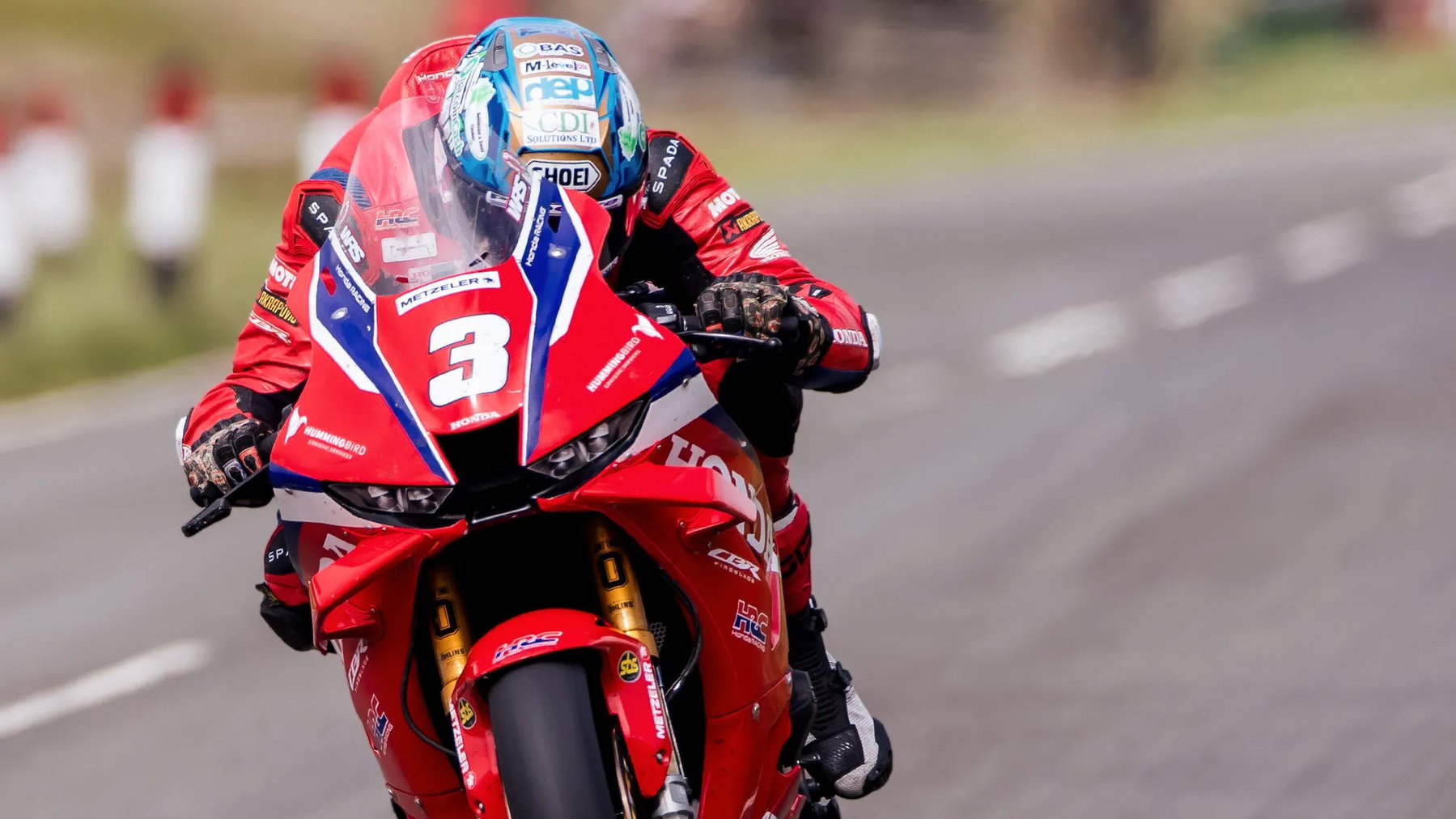
- Dean Harrison (Honda Racing UK) won by more than 15 seconds. It was his sixth TT victory and his first in the Superbike class.
- Behind him, Peter Hickman (BMW) and Michael Dunlop (Honda) battled for second place for much of the race before Hickman pulled away in the final two laps.
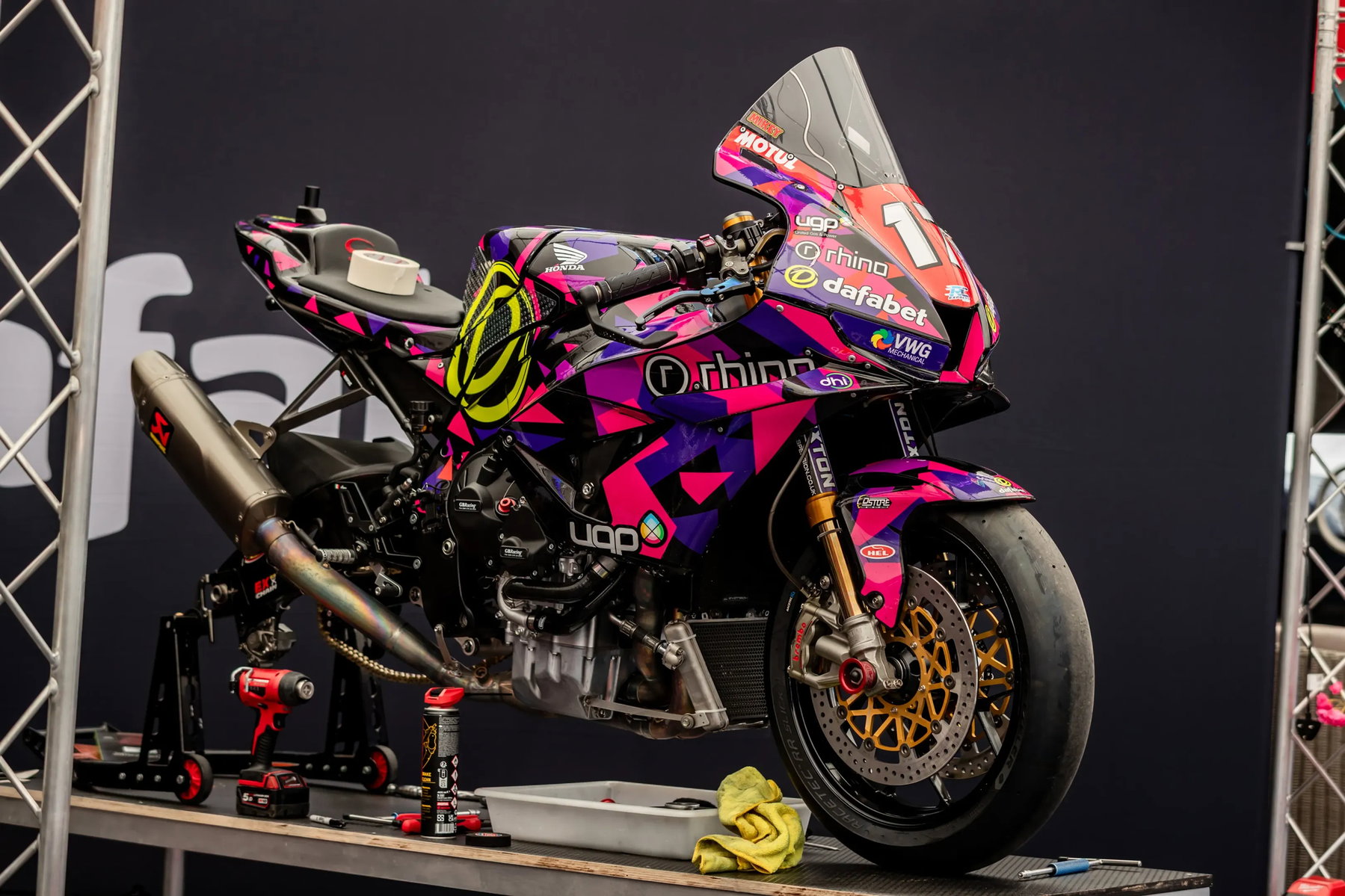
- Harrison rode a self-conceived machine built on a Superstock base with selected Superbike components and kit electronics.
The 2026 TT got off to a delayed start. After the Superstock race scheduled for Saturday was postponed due to fog, the RST Superbike TT opened race week on Sunday on the approximately 37.73-mile Mountain Course. At the center of attention was a rider who had dominated the entire practice and qualifying week and went into the race as the clear favorite.
Who Won the 2026 Superbike TT?
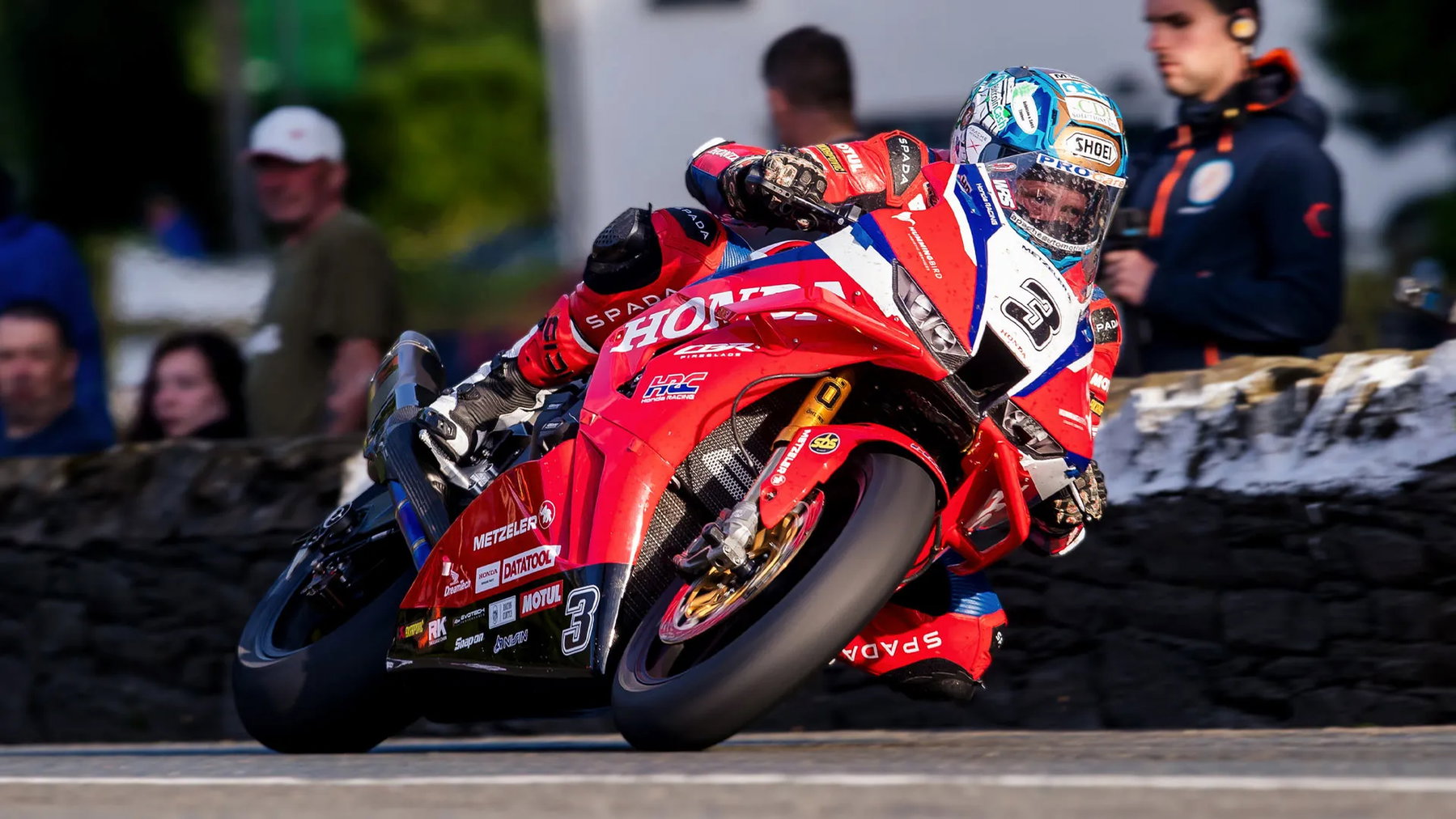
The 2026 Superbike TT was won by Dean Harrison on the Honda from Honda Racing UK. For the rider from Bradford, it was his sixth TT victory overall and his first in the Superbike class. With this success, Harrison has now won in all four solo classes at the TT. It was also his 36th podium finish at the event. Despite previous doubts about his form, he rode a consistently flawless race and never relinquished the lead.
How Did the Six-Lap Race Unfold?
Harrison pulled away from the start and extended his lead lap by lap. By the Glen Helen checkpoint on the first lap, he was already 4.8 seconds ahead, and at times the gap grew to around 33 seconds. He completed the opening lap from a standing start at 134.8 mph (approximately 217 km/h). Toward the end of the race, he visibly eased his pace and brought the victory home in controlled fashion, finishing with more than 15 seconds in hand.
Behind him, the real battle developed for second place. Peter Hickman on the BMW from 8TEN Racing and Michael Dunlop on the Honda were separated by mere tenths of a second for long stretches, swapping positions multiple times. After the second of two pit stops, Hickman pulled clear and secured second place with his fastest race lap of 134.5 mph (around 216 km/h). Dunlop completed the podium with a final lap of 133.9 mph.
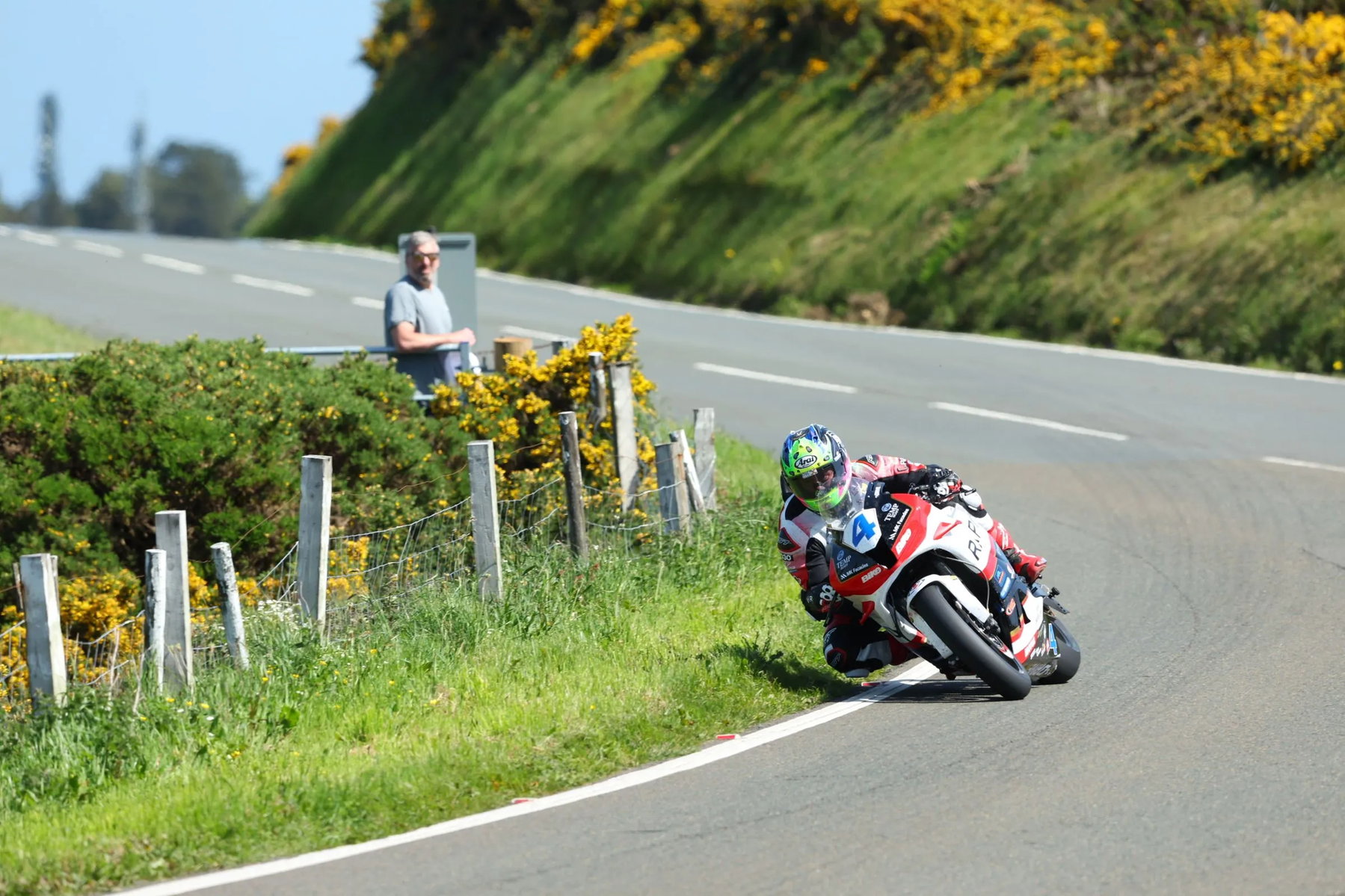
Behind them, fourth-placed Josh Brookes was nearly a minute adrift of the podium battle. Brookes had an early duel with John McGuinness, with the gap shrinking to 1.5 seconds on the fifth lap. On the final lap, Brookes pulled away again, and McGuinness finished fifth. Ian Hutchinson came home in sixth, ahead of Jamie Coward, Nathan Harrison, Mike Browne, and Paul Jordan. The race was not without retirements, with David Johnson and Dominic Herbertson among those who dropped out.
What Makes Dean Harrison’s Honda a Special Case?
Harrison’s motorcycle is not a conventional Superbike factory racer but rather a blend of two concepts. Instead of the class-standard specialist components, he opted for a Superstock base combined with selected Superbike parts.
In practical terms, this means a Superstock chassis with Superstock forks and Superstock swingarm, plus a slightly more powerful engine and Superbike brakes. The key differentiator is the electronics. Where many competitors rely on the MoTeC system from British Superbike racing, Harrison chose a kit electronics package from HRC. The reasoning: the aggressive power delivery of full Superbike electronics is considered harder to manage on public roads, while the kit system is said to give the rider more feel at the throttle. Harrison reportedly initiated this concept himself with the Honda Racing UK team. John McGuinness also rode a similarly configured machine, though his was tuned slightly more toward Superbike specification.
A notable detail from the course statistics supports this approach: the outright lap record is held by a Superstock machine, and the fastest qualifying lap of the week was also set on one. This underpins the logic behind Harrison’s decision, as Superbike conversions are designed for closed circuits, while the Mountain Course consists of public roads. After the race, Harrison said the machine ran flawlessly throughout and made riding easier, because the TT demands endurance as well as outright speed. The race lasted close to two hours for the leaders.
Why Did Michael Dunlop Fall Short of His Potential?
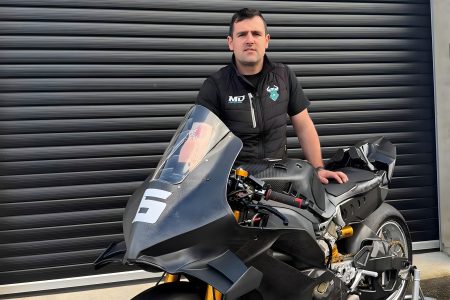
Michael Dunlop struggled throughout the race with a fundamental problem on his motorcycle and was unable to reach his full potential. The Northern Irishman, who holds the all-time record of 33 TT victories, had switched back to the Honda at short notice after originally preparing a Ducati for the Superbike race. This switch had already been widely reported beforehand.
After the race, Dunlop was audibly frustrated. He said he had not expected podium pace and that the problem was known but could barely be fixed. In his own words: “We know what the problem is, and it seems like we can’t really do much to solve it.” He also vowed not to be caught out like this again: “I’ll not be caught like this again.” He repeatedly lost time in the very sections that are traditionally among his strongest, because he caught slower riders. The podium finish nonetheless represented his 52nd TT podium.
How Much Does a TT Superbike Cost?
A top-level Superbike for the TT can cost upwards of 80,000 pounds (approximately 92,000 euros or 107,500 US dollars). This figure is the sum of numerous high-end components. Among those mentioned were Öhlins forks at 12,000 pounds (around 13,850 euros / 16,100 US dollars), Nissin brake calipers at over 6,000 pounds (around 6,900 euros / 8,050 US dollars), and a Suter swingarm at up to 15,000 pounds (around 17,300 euros / 20,150 US dollars). Add to that a shock absorber at approximately 6,000 pounds and a factory Akrapovic exhaust system at over 3,000 pounds (around 3,450 euros / 4,000 US dollars).
The aforementioned kit electronics, at 3,000 to 5,000 pounds (approximately 3,450 to 5,770 euros / 4,000 to 6,700 US dollars), are comparatively affordable yet are considered the better choice by many TT riders. There is open debate in the class about whether the high expense of full Superbike components actually pays off on the public roads of the Mountain Course. The engines used produce around 220 hp (approximately 162 kW) from a displacement of 1,000 cc.
John McGuinness and His 30-Year Jubilee
John McGuinness provided a highlight of his own, celebrating 30 years since his TT debut. For the anniversary, he unveiled a special livery at the start line inspired by his first motorcycle from 1996. He also wore what he said was the original leather suit, a white helmet, and even an inspection sticker from 1996. Back then, he lapped at an average of 109 mph (approximately 175 km/h). Today, the top speeds are considerably higher.
McGuinness, one of the most successful riders in TT history, finished fifth in the jubilee race and confirmed his enduring form with a final lap of 132.2 mph (around 213 km/h). His first appearance in 1996 had been as an inexperienced newcomer on a 250cc two-stroke, in the year road racing legend Joey Dunlop took victory.
What Changes for Safety in 2026?
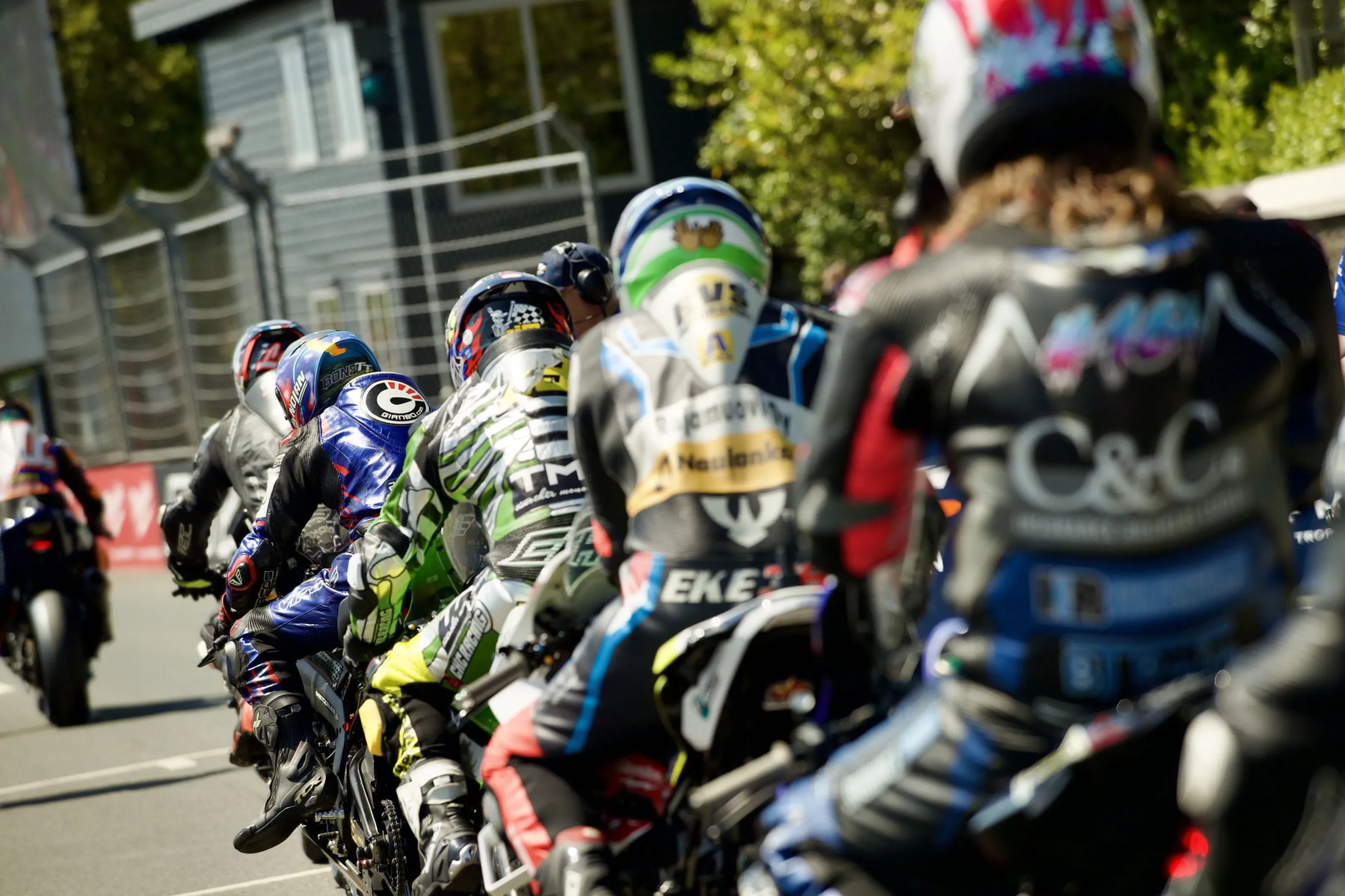
From the 2026 season, the TT requires every solo competitor to wear an airbag. The airbag is integrated into the racing suit and is designed to deploy within 30 milliseconds in a crash – faster than the blink of an eye – protecting the back, abdomen, chest, and neck. The technology comes from specialist manufacturer In&motion, which supplies several brands. This year, approximately 65 percent of riders are equipped with this airbag technology.
The particular challenge at the TT lies in distinguishing a genuine crash from the many jumps and compressions on the course. The relevant data can only be collected on a handful of days each year. How effective the system can be was demonstrated during practice week: Mikey Evans crashed and walked away from an impact at an estimated 140 mph (approximately 225 km/h) with comparatively minor injuries. He went on to start the race and finished twelfth.
Frequently Asked Questions
-
Who won the 2026 Superbike TT?
The 2026 Superbike TT was won by Dean Harrison on a Honda. It was his sixth TT victory and his first in the Superbike class. Peter Hickman finished second ahead of Michael Dunlop.
-
How big was Dean Harrison’s winning margin?
Harrison won by more than 15 seconds over Peter Hickman. At one point during the race, his lead grew to around 33 seconds before he eased his pace in the closing stages.
-
What is special about Dean Harrison’s motorcycle?
Harrison did not ride a pure Superbike factory racer but rather a hybrid built on a Superstock base with selected Superbike components. Instead of full Superbike electronics, he used a kit system from HRC designed to give him more control.
-
Why did Michael Dunlop only finish third?
Dunlop struggled throughout the race with a problem on his Honda, which he had switched to at short notice from a planned Ducati. He spoke of lacking podium pace and said the issue could barely be resolved. It was nonetheless his 52nd TT podium.
-
How long is the Mountain Course?
The Mountain Course measures 37.73 miles (approximately 60.7 kilometers) per lap. The 2026 Superbike TT ran over six laps with two pit stops and lasted close to two hours for the leaders.
➜ This article is part of our comprehensive overview: Isle of Man TT 2026: The Complete Overview – Schedule, Riders, Teams & Results. Find all key information on this topic in one place.