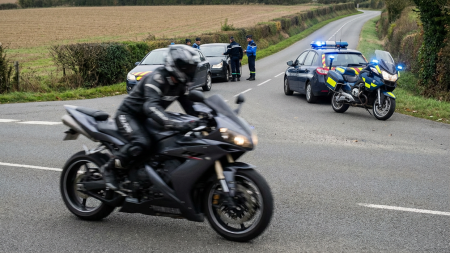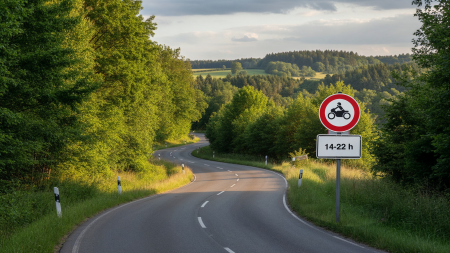
- 145 people and 133 motorcycles checked, 30 motorcycles seized, 179 tickets issued
- From 1 November, illegal racing is set to carry up to two years in prison, and up to five years for repeat offenders
- The same location already saw several large police operations in 2024
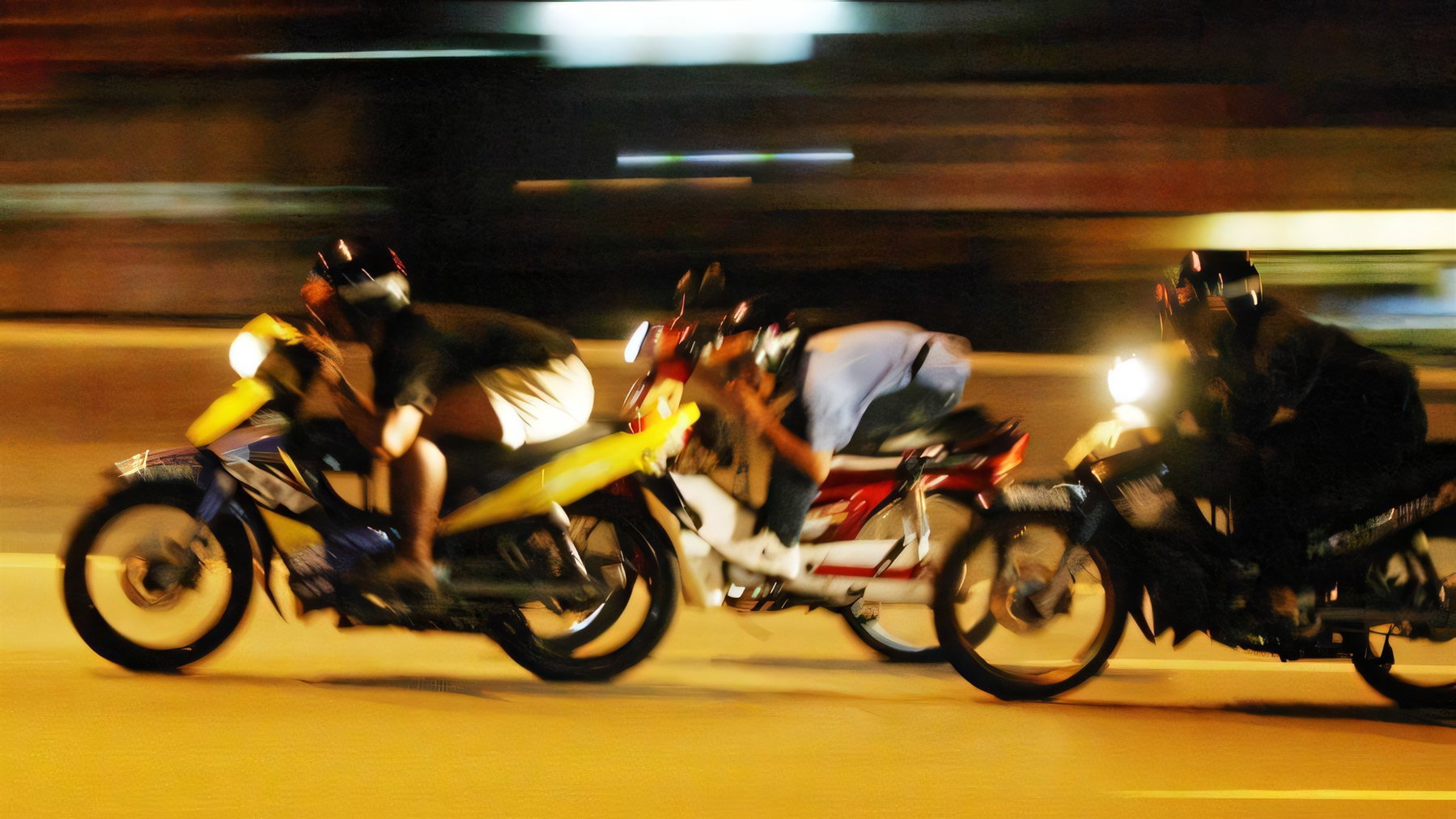
In Malaysia, Mat Rempit is the name given to motorcyclists who race illegally on public roads. One of their best-known meeting points is on the Butterworth Outer Ring Road, or BORR for short, in Bagan Ajam. In recent weeks, videos have circulated on social media showing groups of riders taking over the road at night. The scenes looked more like a party than normal traffic and drew criticism across the country. Now the traffic police have cracked down. There were no arrests, but plenty of tickets and seized motorcycles.
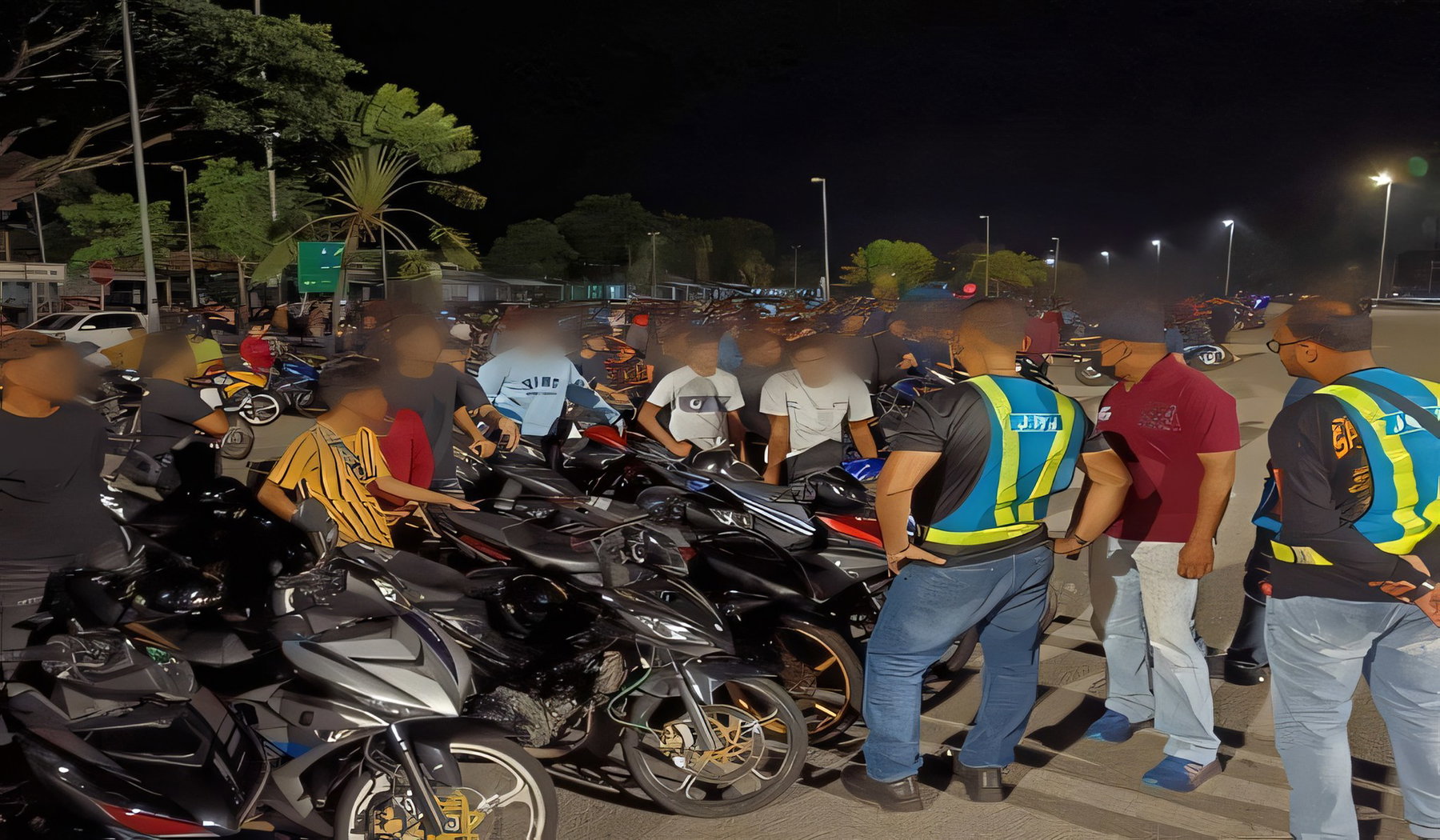
What happened during the raid on the BORR in Penang?
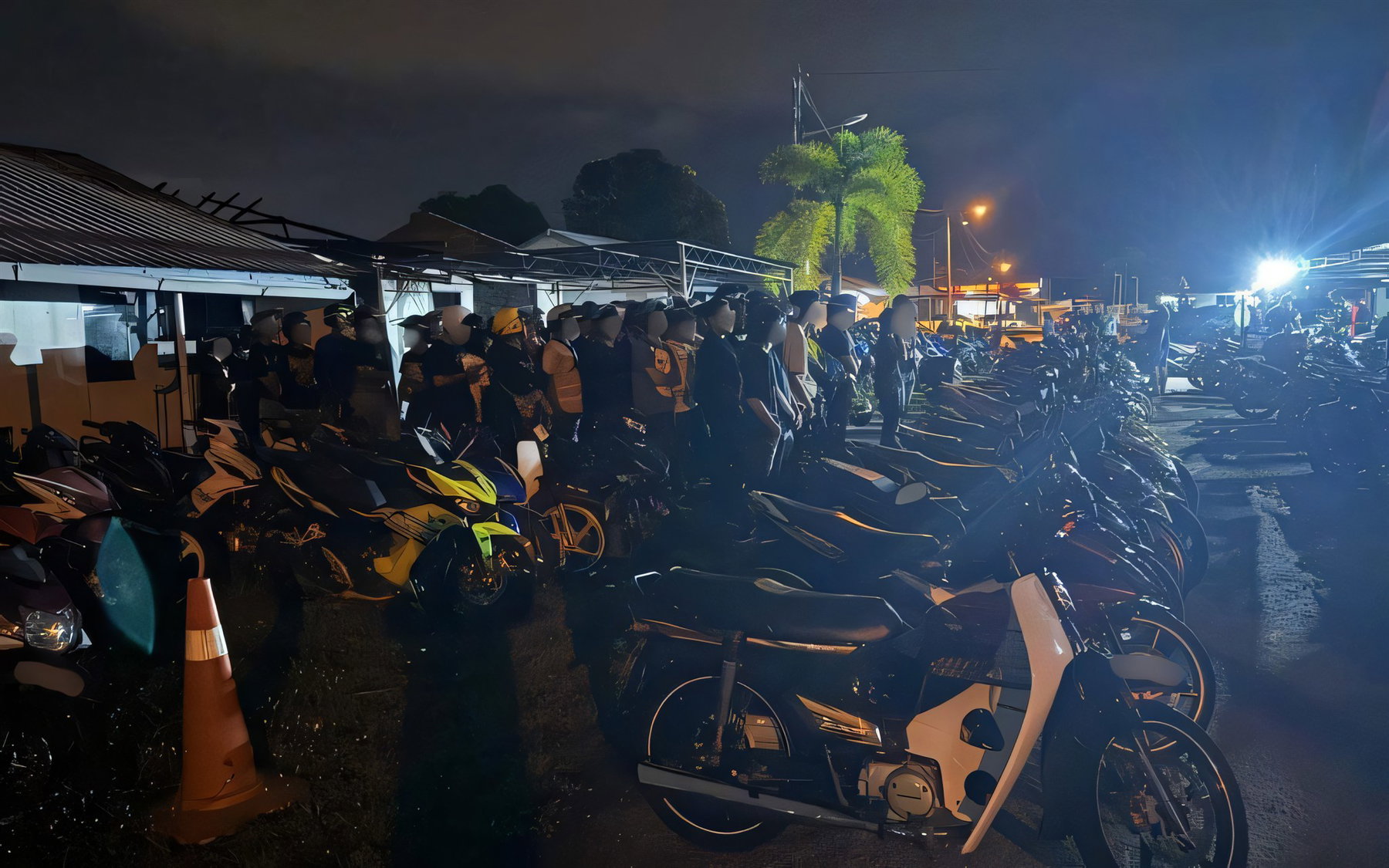
Penang traffic police checked 145 people and 133 motorcycles on the BORR in Bagan Ajam. In the end, officers impounded 30 motorcycles and handed out 179 tickets for various offences.
The operation ended at around 2 a.m. on the night of 19 October. Anuar Abdul Rahman, police chief of the Seberang Perai Utara district, reported on the results afterwards. Officers were not only targeting racing. They also specifically checked modified motorcycles and altered exhaust systems. The motorcycles were seized under Section 64(1) of Malaysia’s Road Transport Act 1987.
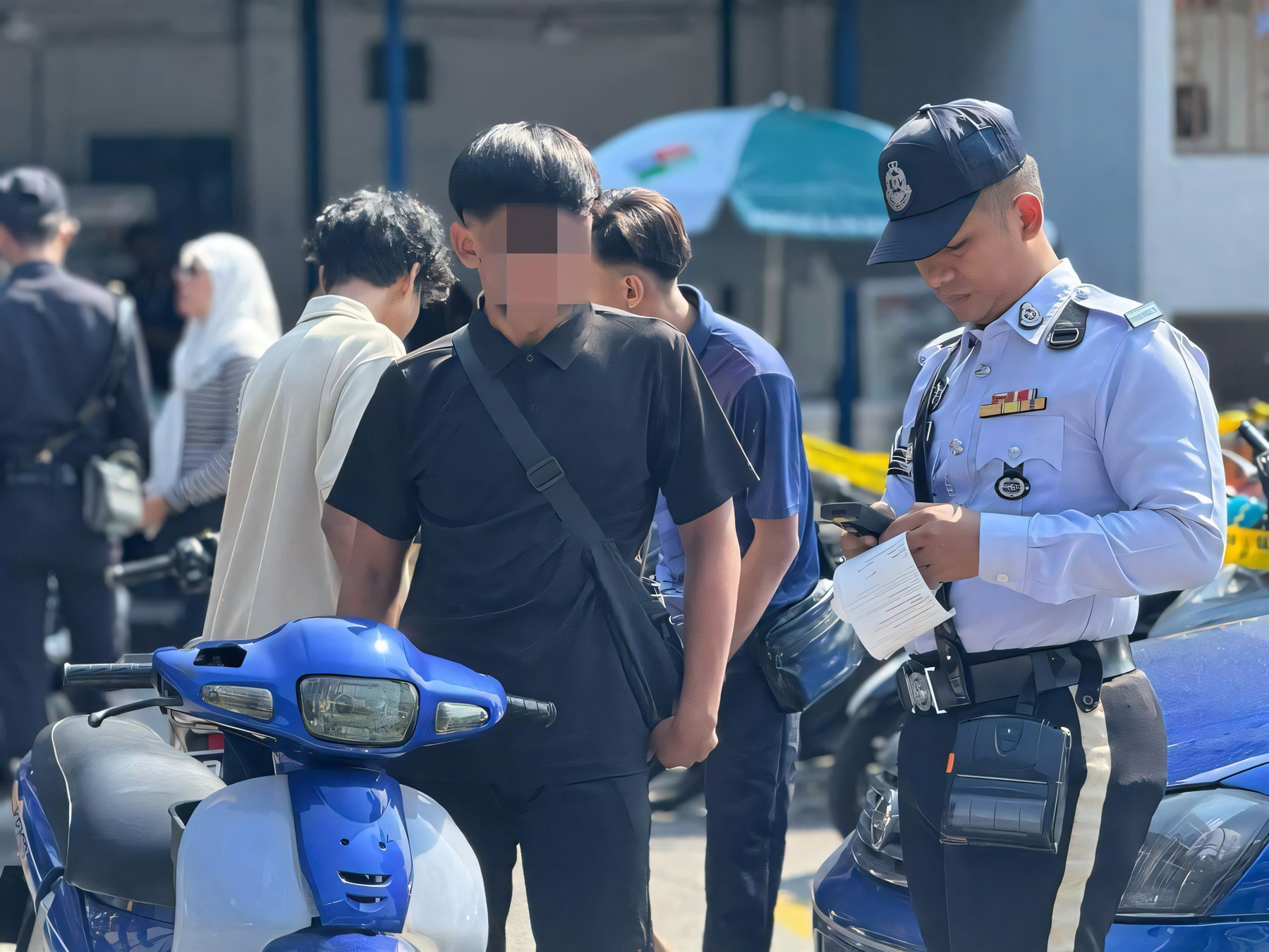
Two authorities took part in the operation. The police issued 158 of the tickets. The remaining 21 notices came from the Road Transport Department JPJ, which in Malaysia is responsible for vehicles and driving licences, among other things.
Which offences did police find on the motorcycles?
The most common offence was riding without a licence, which applied in 25 cases. Close behind were number plates that did not comply with regulations, with 24 cases.
17 motorcycles were missing the mandatory vehicle licence disc. In 16 cases, owners had made unauthorised changes to the frame or equipment. There were also 15 tickets for modified exhaust systems. 13 motorcycles had no number plate at all.
One example shows how far some modifications go. Among the seized motorcycles was a Yamaha Y15ZR whose owner reportedly spent more than 6,000 ringgit (around USD 1,470 / EUR 1,310) on it. He had the engine tuned, removed the rear brake and fitted so-called sotong tyres. These are extremely narrow tyres whose name comes from the Malay word for squid. Because they have less contact with the road and are lighter, they are supposed to help the motorcycle accelerate faster and reach a higher top speed. The price is significantly less grip. Especially in corners, the tyres slide away easily. They are really only intended for sprint races on a straight. According to the authorities, the other modifications are also aimed at making the motorcycle faster.
Why has the BORR been a hotspot for illegal racing for years?
The stretch near Bagan Ajam has long attracted groups who race there. The authorities already carried out several large checks there in 2024.
The races reportedly take place not only at night, but also in the afternoon and in the early hours of the morning. Riders are said to show little consideration for other road users, including drivers using the expressway.
In May 2024, the JPJ and the traffic police seized 79 motorcycles during an operation between 1 a.m. and 9 a.m. A total of 375 notices were issued at the time. The list of offences closely resembles today’s. It ranged from heavily tuned engines, sotong tyres, removed rear brakes and unusual number plates to swapped swingarms. On top of that came riders without a licence or insurance, as well as minors at the handlebars.
The next operation followed in August 2024. Police checked 67 motorcycles, seized 48 of them and handed out 195 tickets. Shortly before, a check on the BORR had got out of hand. A large group of motorcyclists fled against the direction of traffic to escape the police. A video of that also spread on social media.
What changes for Mat Rempit from 1 November?
From 1 November 2026, a new Section 42A of the Road Transport Act is set to apply in Malaysia. It makes taking part in a race or speed trial between two or more vehicles a separate criminal offence.
The penalties are significantly higher than before. A first offence carries a fine of 2,000 to 10,000 ringgit (around USD 490 to 2,450 / EUR 435 to 2,180), up to two years in prison, or both. Anyone caught again faces 5,000 to 20,000 ringgit (around USD 1,225 to 4,900 / EUR 1,090 to 4,365), up to five years in prison, or both.
Another important change concerns how the authorities can act. Until now, they had to prove that there was a danger or that something had happened. With the new section, they can step in before an accident, injuries or deaths occur. Transport Minister Anthony Loke says this closes a gap in the existing law.
Muhammad Kifli Ma Hassan, head of enforcement at the JPJ, makes clear what riders can expect:
“Kita akan mengenakan hukuman yang jauh lebih berat, termasuk hukuman penjara, terhadap kesalahan ‘mat rempit’.”
Translated: “We will impose much heavier penalties, including prison sentences, for Mat Rempit offences.”
He also explains that the changes are meant to make investigators’ work easier.
Is the date already fixed?
The start date is not yet completely certain. Parliament has already passed the reform, but it still has to be officially published in the Government Gazette. The transport authority is waiting for an opinion from the Attorney General’s Chambers. Only if everything goes to plan will the new law apply from 1 November.
The lower house, the Dewan Rakyat, passed the law on 24 June 2026. It was the only bill to get through in the first week of that sitting. According to Loke, the key points of the reform had been agreed two years earlier. After that, it took another one to two years to finalise the legal text.
What else does the Road Transport Act reform include?
The rules against illegal racing are only part of a larger reform. In total, it amends 42 clauses across 11 areas of the Road Transport Act.
Fines are rising for serious offences and repeat offenders. The authorities are also set to use more digital technology, such as cameras that automatically recognise number plates. In addition, from 1 January 2029, the maximum compound fine for traffic offences is set to rise from 300 ringgit (around USD 75 / EUR 65) to 500 ringgit (around USD 120 / EUR 110). Loke stresses that this is not about more revenue for the state, but about getting more people to follow the rules. The demerit point system for traffic offenders is also to be expanded so that repeated offences have consequences for the driving licence.
A further change is planned for the end of the year. It is intended to allow victims of crashes involving drunk or drugged drivers, and their families, to receive compensation.
The raid in Penang is not an isolated case. According to the Ministry of Transport, the authorities have stepped up their operations against illegal racing across the country. Muhammad Kifli Ma Hassan describes Mat Rempit as a problem of national importance that has to be tackled on an ongoing basis. As another example, he cites Sultan Ismail Petra Airport in Kota Bharu, where similar incidents occur again and again. The JPJ plans to work more closely with the police there in future.
Frequently Asked Questions
-
What does Mat Rempit mean?
Mat Rempit is the term used in Malaysia for motorcyclists who race illegally on public roads. Their motorcycles are often heavily modified, for example with a tuned engine, an altered exhaust or a removed rear brake.
-
What penalties will Mat Rempit face from November 2026?
A first offence carries a fine of 2,000 to 10,000 ringgit, up to two years in prison, or both. Repeat offenders face 5,000 to 20,000 ringgit, up to five years in prison, or both. The legal basis is the new Section 42A of Malaysia’s Road Transport Act.
-
How many motorcycles were seized in the raid on the BORR?
Police seized 30 of the 133 motorcycles checked. There were also 179 tickets, mainly for missing licences, non-compliant number plates and unauthorised modifications. There were no arrests.
-
When does the new law against illegal racing in Malaysia take effect?
The law is set to take effect on 1 November 2026, provided it is published in the Government Gazette in time. Parliament already passed the reform in June 2026.
➜ This article is part of our comprehensive overview: Motorcycle Law & Policy: Legislation, Court Rulings and Developments for Riders. Find all key information on this topic in one place.