- Oliveira currently sees no young rider capable of challenging Marquez for the title
- Pedro Acosta is the only one in whom he can see a difference
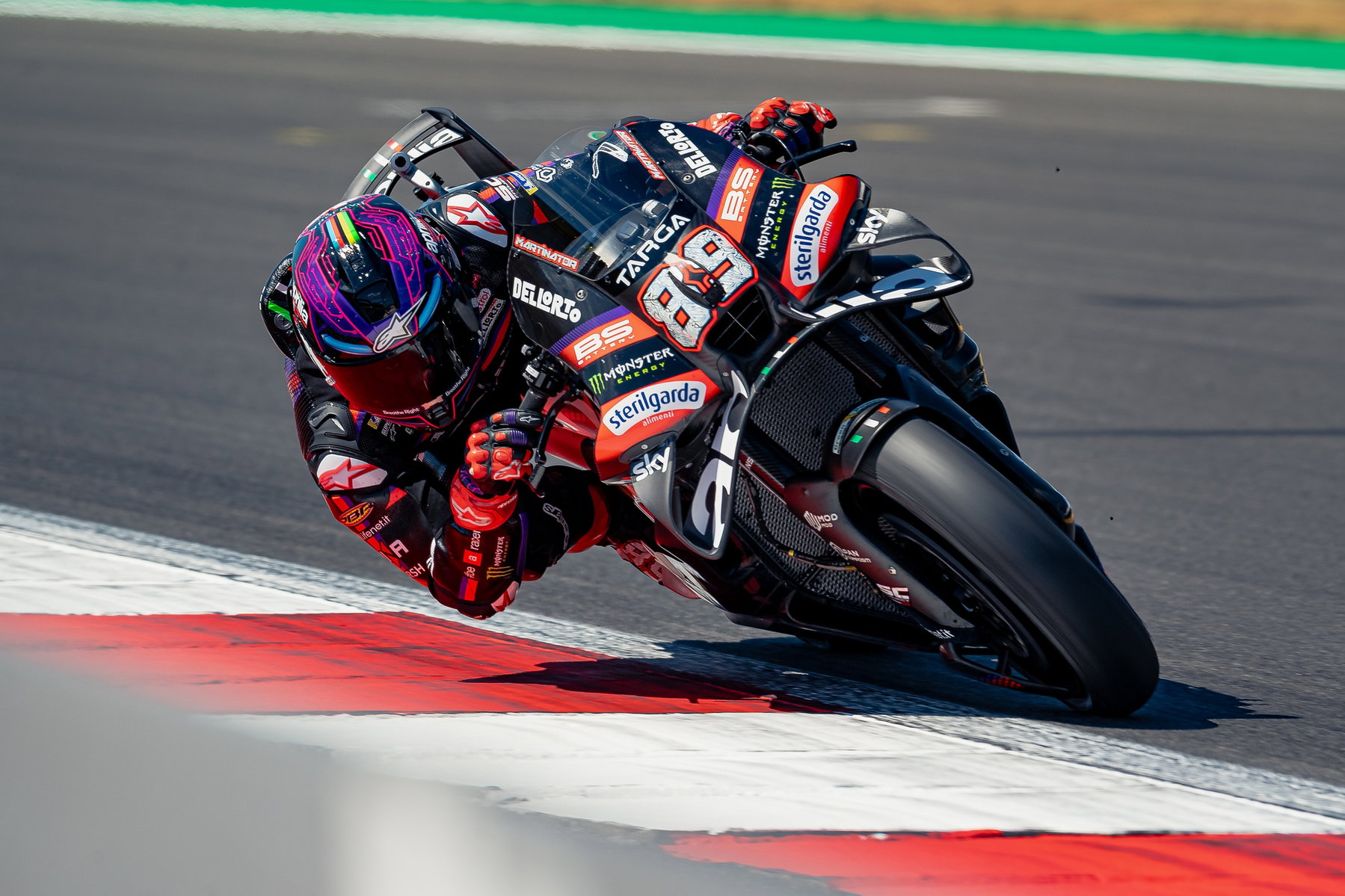
- MotoGP doctor Angel Charte describes Marquez and Jorge Martin as extremely cool-headed, even though their pulse sits at 140 to 150
One question has followed the rider market throughout the 2026 MotoGP season: who will eventually replace Marc Marquez? Two voices from the paddock have now offered answers, and they complement each other in an interesting way. Portugal’s Miguel Oliveira looks at the junior classes from a rider’s perspective. MotoGP chief medical officer Dr Angel Charte looks at the same riders from a medical angle. Together they paint a picture of what really carries a rider in the premier class.
Why does Oliveira see no challenger for Marc Marquez?
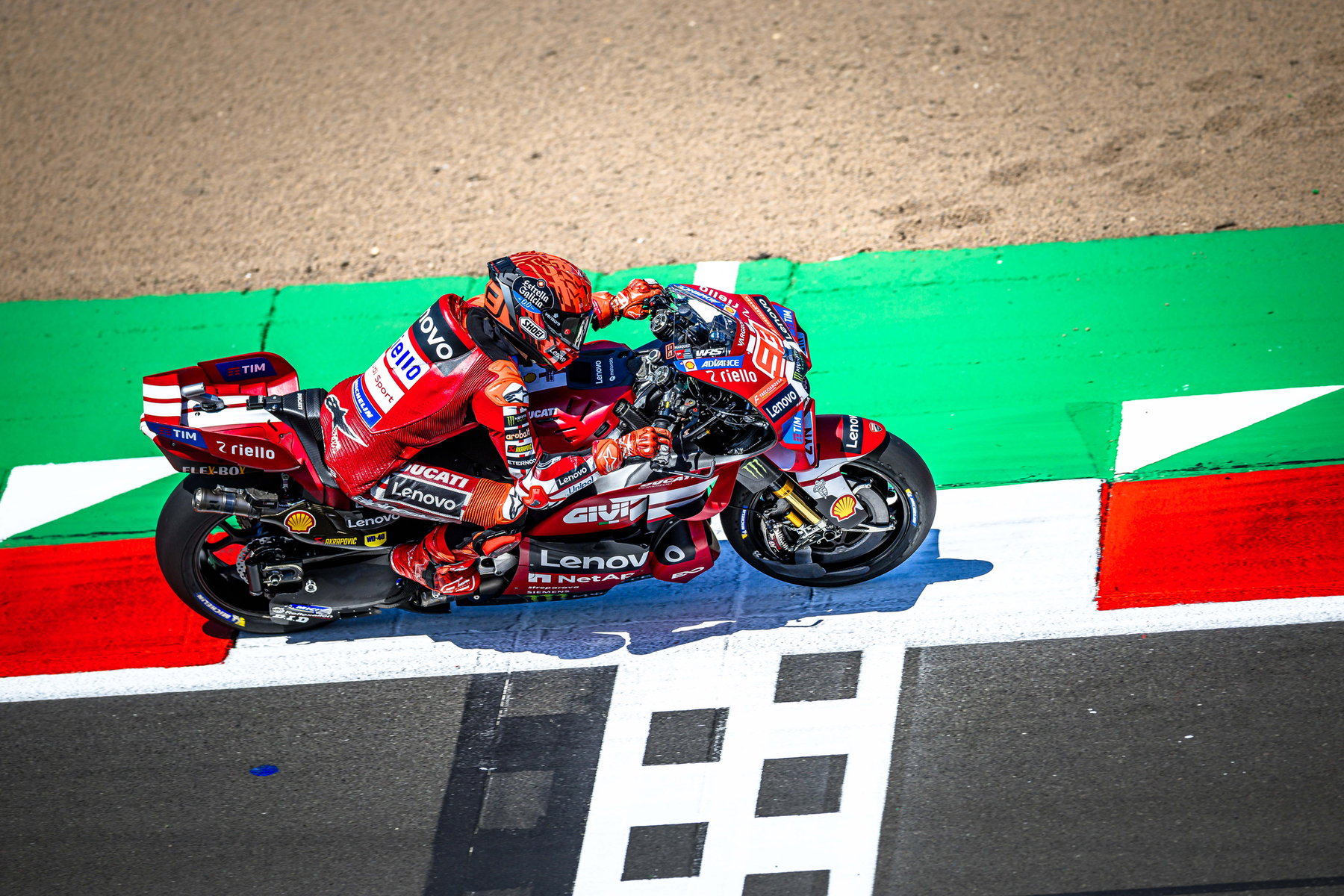
Oliveira considers the current generation of young riders talented, but not strong enough to take the title from Marquez in the short term. “A new generation is coming, but at the moment I don’t see anyone who can really challenge Marc,” he said in an interview.
The Portuguese can judge that from first-hand experience. He raced in the Motorcycle World Championship from 2011 to 2025 and took 17 Grand Prix wins across all classes, five of them in MotoGP. In 2015 he finished runner-up in Moto3, and in 2018 he did the same in Moto2. Since 2026 the 31-year-old has been racing in the Superbike World Championship, under contract with BMW. About his former rival he is unequivocal: “In terms of riding, he is the greatest of all time.”
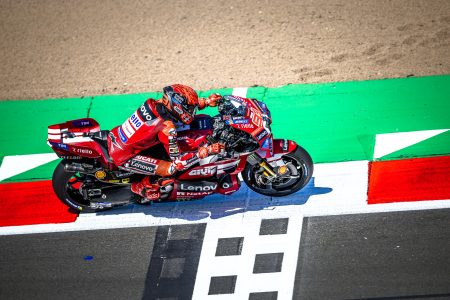
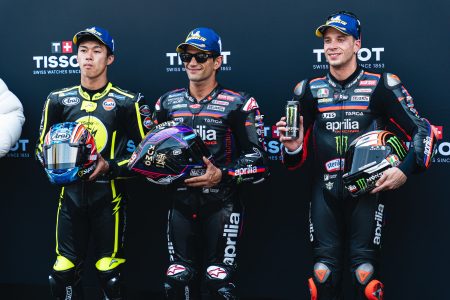
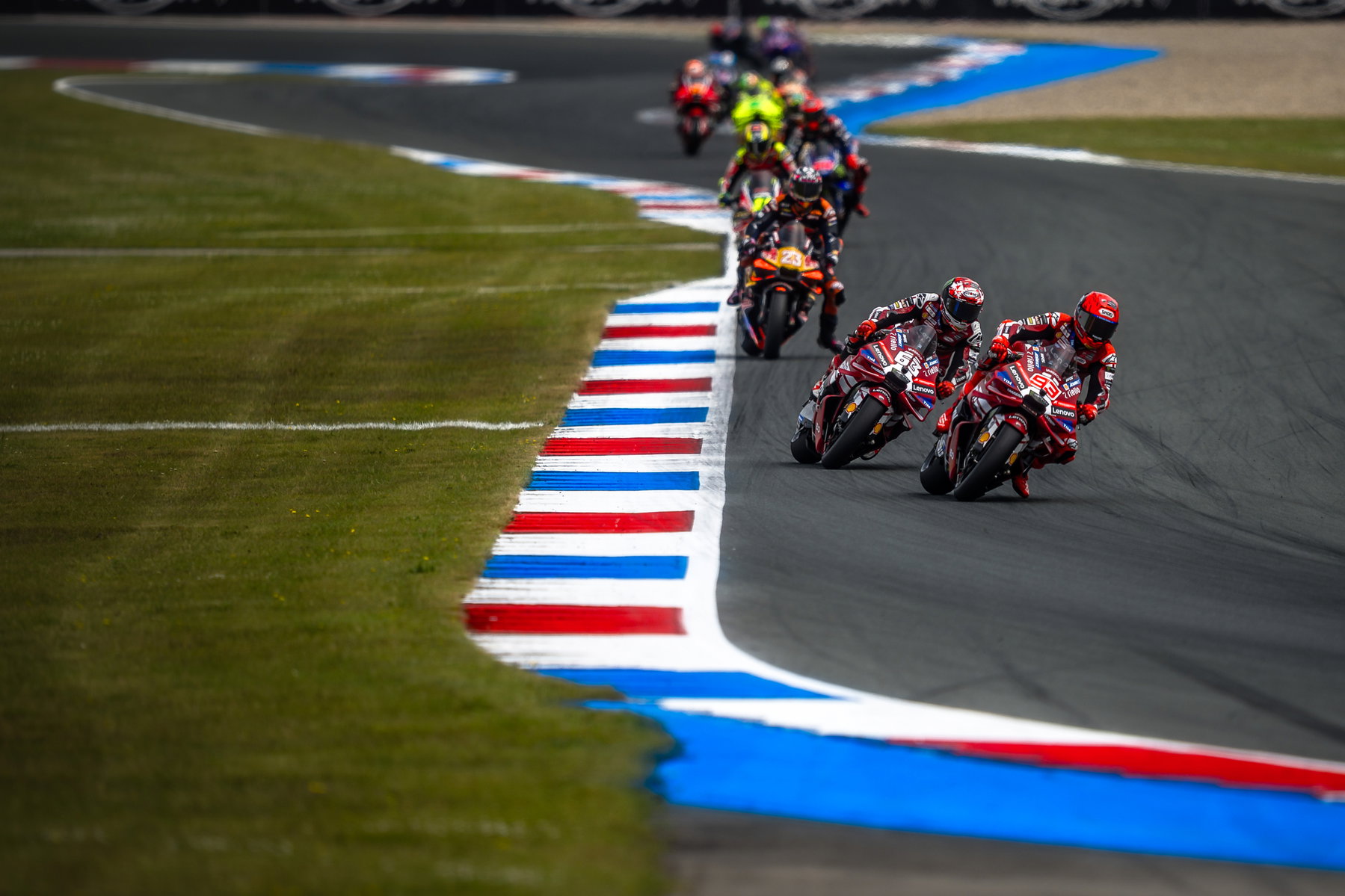
Marquez is again delivering strong performances in 2026 despite physical problems. His toughest championship rivals at the moment are the Aprilia riders Jorge Martin, Marco Bezzecchi, Ai Ogura and Raul Fernandez, plus Fabio Di Giannantonio on the VR46 Ducati. What stands out: none of them are newcomers, but riders with several years of premier-class experience.
What makes Pedro Acosta different for Oliveira?
For Oliveira, one single rider stands out from the young generation, and that is Pedro Acosta. “Acosta is the strongest for me. He is the only one where you can see that he is different,” said the Portuguese. “With the rest it is all the same. Diogo is a great rider too, but he is no Acosta. But to be clear: every one of those guys is very talented.”
By that Oliveira means riders such as Diogo Moreira, David Alonso or Daniel Holgado, who have just moved up or will do so in 2027. He sees no immediate threat coming from them.
Acosta’s record supports that assessment. According to the official series release, the Spaniard won titles in Moto3 and Moto2 within just three years of his World Championship debut. In MotoGP he was Rookie of the Year in 2024, finished the 2025 season fourth overall and had collected 13 podium finishes by then. From 2027 he will ride for the factory Ducati team alongside Marquez, with a contract covering the 2027 and 2028 seasons.
Ducati racing boss Luigi Dall’Igna described the signing as follows: “In just under six years in the Championship, he has won two titles in the lower classes and achieved truly convincing performances in MotoGP.” Ducati CEO Claudio Domenicali said that Acosta and Marquez together will form a very competitive pairing.
That gives Oliveira’s comment an extra layer. The only rider he considers different will be sitting in the same garage as Marquez from 2027.
How quickly can Maximo Quiles become a threat?
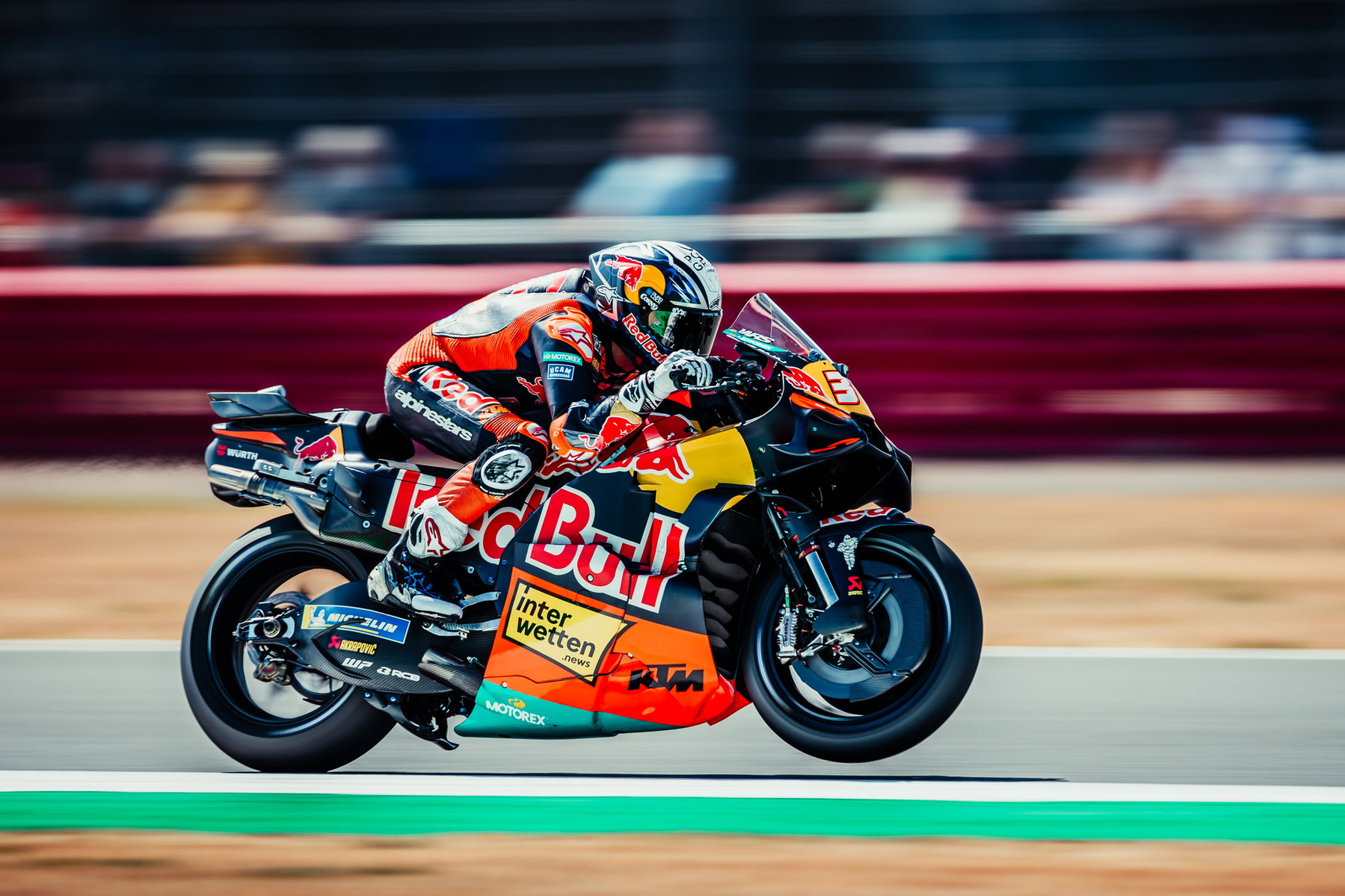
Oliveira also rates one rider from Moto3 highly, though with an explicit warning. It concerns Maximo Quiles, who leads the Moto3 standings by a wide margin. The 18-year-old Spaniard is managed by Marc Marquez.
“He is the only young rider from Moto3. But it is so difficult to judge. On top of that, it is unfair to put so many expectations and so much pressure on a young rider,” Oliveira stressed.
The numbers explain why Quiles attracts so much attention. At the halfway point of the season he led the Moto3 championship by 104 points over Brian Uriarte, with six wins and ten podium finishes after eleven races. In total he has nine wins and 19 podiums from 29 Moto3 races. In 2027 he moves up to Moto2 within the Aspar structure.
What the step up to Moto2 really means
This is exactly where Oliveira’s caution comes in. He names three examples that show how differently the move to the intermediate class can go.
“You can see it with Rueda. He dominated the Moto3 championship, then moved to Moto2, where he is now struggling. Or Collin Veijer, he was a very fast Moto3 rider but did not dominate. Then he switched to the Moto2 bike … another example: Izan Guevara, he was fantastic in Moto3. In Moto2 he needed two or three years. Only now is he strong. But there is no black and white here.”
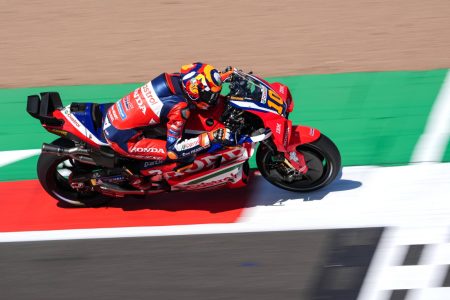
One current case shows how unfazed riders present themselves. David Alonso moves up to MotoGP in 2027, having signed a multi-year contract with HRC. The 20-year-old Colombian currently lies sixth in the Moto2 championship on 116 points, 81.5 points behind leader Manuel Gonzalez. Things have not gone smoothly of late: he crashed at the Sachsenring and finished 21st at Silverstone.
Alonso himself takes a sober view. His first goal is to get to grips with the bike, he explained. He also has to get used to racing against the best riders in the world. If he ends up only one corner behind them, that would already be good. It could help him that new regulations take effect in 2027: capacity drops to 850 cubic centimetres, the ride-height devices disappear, aerodynamics are reduced and Pirelli supplies the tyres. That should make the switch from Moto2 a little easier.
Why does the MotoGP doctor call Marquez and Martin cool customers?
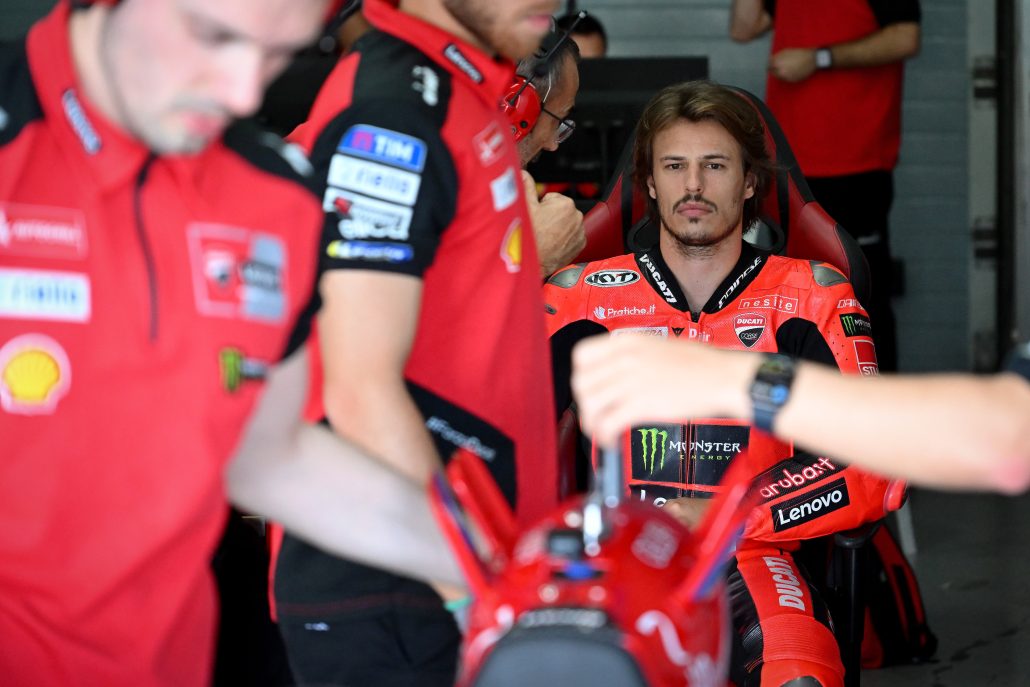
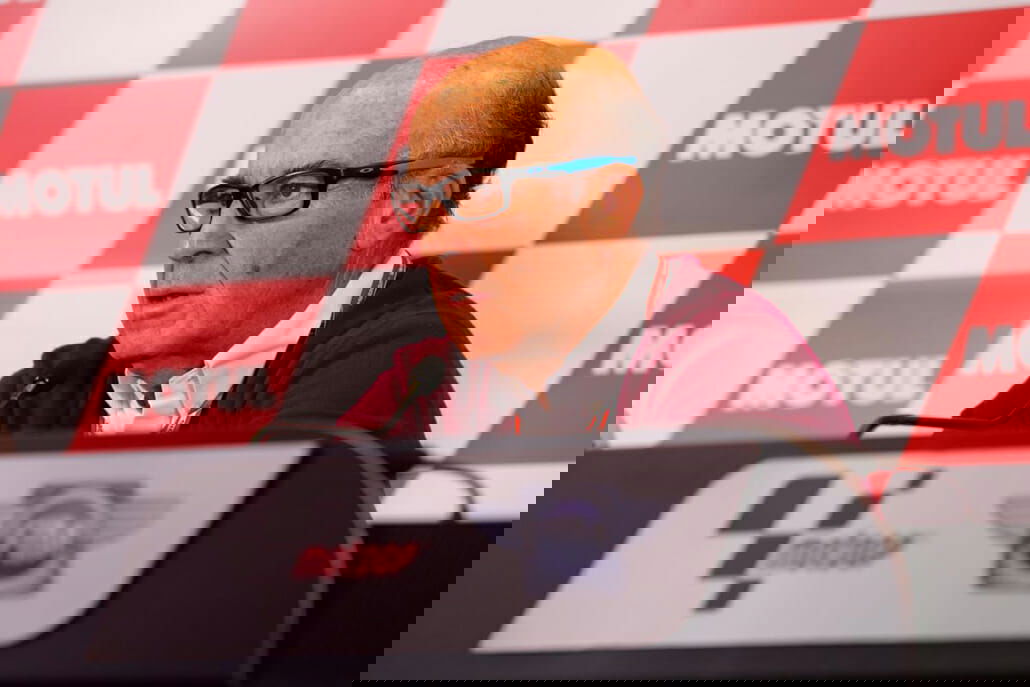
MotoGP chief medical officer Dr Angel Charte sees particularly well-developed abilities in both riders, built up over years. “They are very, very cool guys, and I believe they have certain abilities that they have developed strongly through riding. That does not mean they do not make mistakes. Both of them do.”
Charte adds one important qualification. The calm that is visible from the outside has little to do with the actual state of the body. The pulse can be at 140 or 150, and there is a large amount of adrenaline in the system. Composure on the outside therefore does not mean composure on the inside.
Charte will not confirm that serious injuries have taken the two to a new mental level. He does say clearly, though, that a serious injury can change a rider’s attitude. Some are held back in certain areas as a result. As an example he cites Cal Crutchlow and his very serious injury in Australia. Testing and competition, he says, are two completely different things.
How much does the mind decide about moving up?
In Charte’s assessment, the biggest difference between Moto3, Moto2 and MotoGP lies on the mental level. That, he says, is visible in the riders every day.
Moto3 riders have to work hard for their living and keep developing in order to move up to Moto2. The same applies to Moto2 riders with a view to MotoGP. Charte finds it striking how well the young riders handle difficult situations. He has seen very few heavy crashes in the opening laps. At the same time he warns against underestimating the smallest class. A Moto3 machine can also be very dangerous, particularly for a 15- or 20-year-old.
For him the fundamental difference lies in experience. The bikes differ in capacity and character, but mentally the riders develop every day. They learn to ride better, mature in their heads and build up routine in handling the bike. Medically, Charte makes no distinction at all. Marquez and the last Moto3 rider receive exactly the same care.
Charte is also working on expanding psychological support within the World Championship. An online service is planned, through which riders can talk to specialists regardless of where they are. Spanish football clubs and NBA teams serve as the model. This is not about psychiatry but about mental health, the doctor stresses. He has been involved for many years and has experienced difficult situations with riders.
Where the 2026 title fight stands
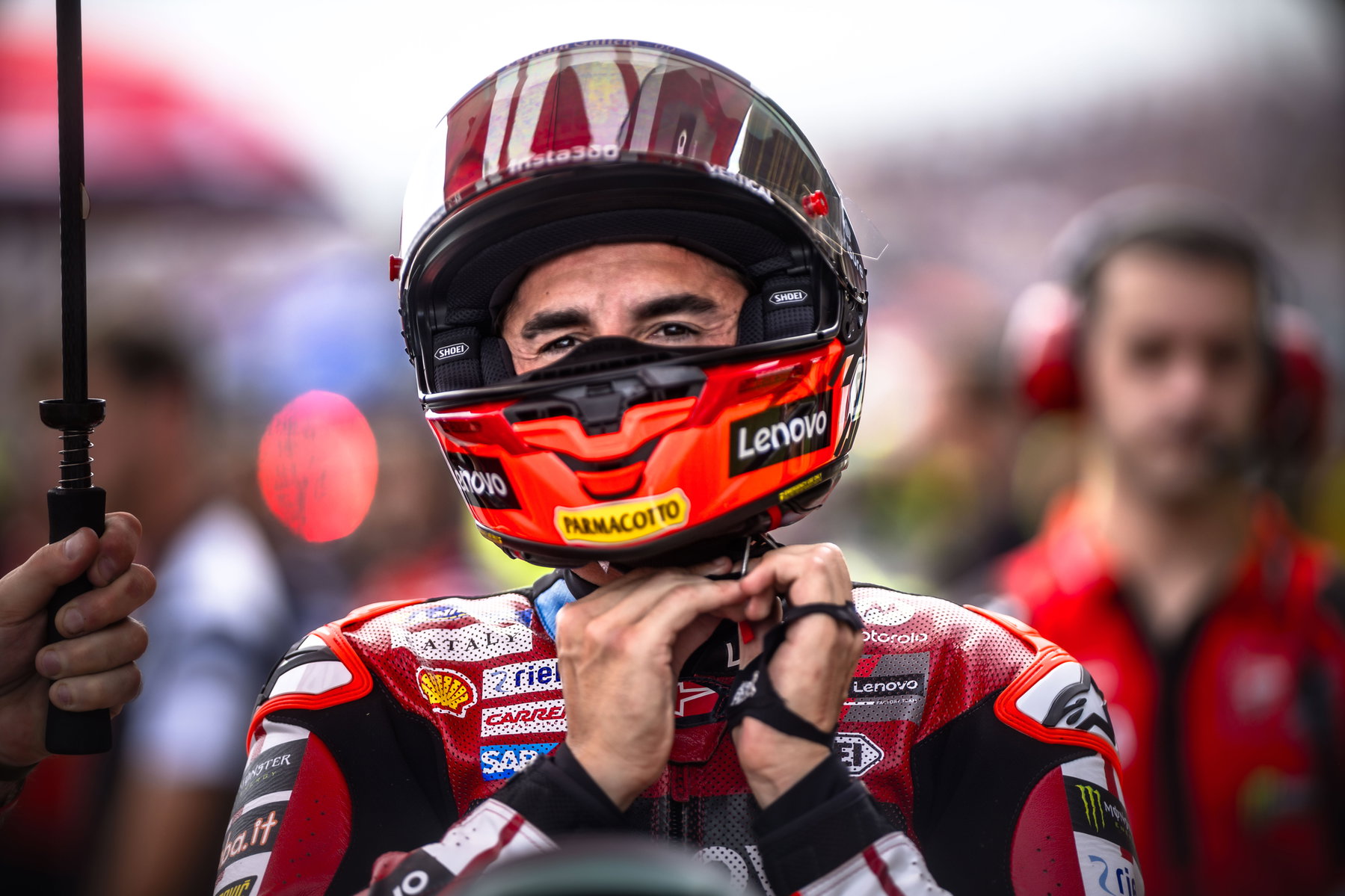
The current table shows how tight things are. Jorge Martin leads the MotoGP championship on 240 points, followed by Marco Bezzecchi on 209 and Ai Ogura on 203. Marc Marquez is fourth on 200 points, with Fabio Di Giannantonio on 199. Raul Fernandez has 184 and Pedro Acosta 163 points.
Ogura’s role is remarkable. He has finished in the top five in nine of twelve Sunday races. That consistency moved him up the order without attracting much attention. According to media reports, Marquez has said of the Japanese rider that he does not know what he is thinking. Former Grand Prix rider Alex Barros describes Ogura as a very good tyre manager who struggles to find his rhythm early in a race, but rides very consistently later on and overtakes decisively. Barros still regards Marquez as the favourite, but sees Ogura as a genuine unknown.
That brings things back to Oliveira’s assessment. The greatest danger to Marquez this season comes not from those moving up, but from riders who made that step long ago. The next round takes place in Aragon at the end of August.
Frequently Asked Questions
-
Who does Oliveira rate as the strongest young MotoGP rider?
Pedro Acosta. For Oliveira he is the only one in whom it is clear that he is different from the rest. He considers all the other young riders talented, but not outstanding.
-
When does Pedro Acosta ride for Ducati?
From the 2027 season. He moves to the factory Ducati team for 2027 and 2028 and will be Marc Marquez’s team-mate there. He previously won titles in Moto3 and Moto2 and was MotoGP Rookie of the Year in 2024.
-
How does Maximo Quiles stand in the 2026 Moto3 championship?
He leads the standings by a wide margin. At the halfway point of the season his lead over Brian Uriarte was 104 points, with six wins and ten podium finishes after eleven races. The 18-year-old moves up to Moto2 in 2027.
-
Why is the move from Moto3 to Moto2 considered difficult?
Because success in the smallest class is no guarantee. Oliveira names Rueda, Collin Veijer and Izan Guevara as examples. According to Oliveira, Guevara needed two to three years before he became strong in Moto2.
-
Who leads the 2026 MotoGP championship?
Jorge Martin on 240 points. He is followed by Marco Bezzecchi on 209 and Ai Ogura on 203 points. Marc Marquez is fourth on 200 points.
➜ This article is part of our comprehensive overview: 2026 MotoGP Season: The Complete Overview – Teams, Riders, Calendar & Championship Standings. Find all key information on this topic in one place.