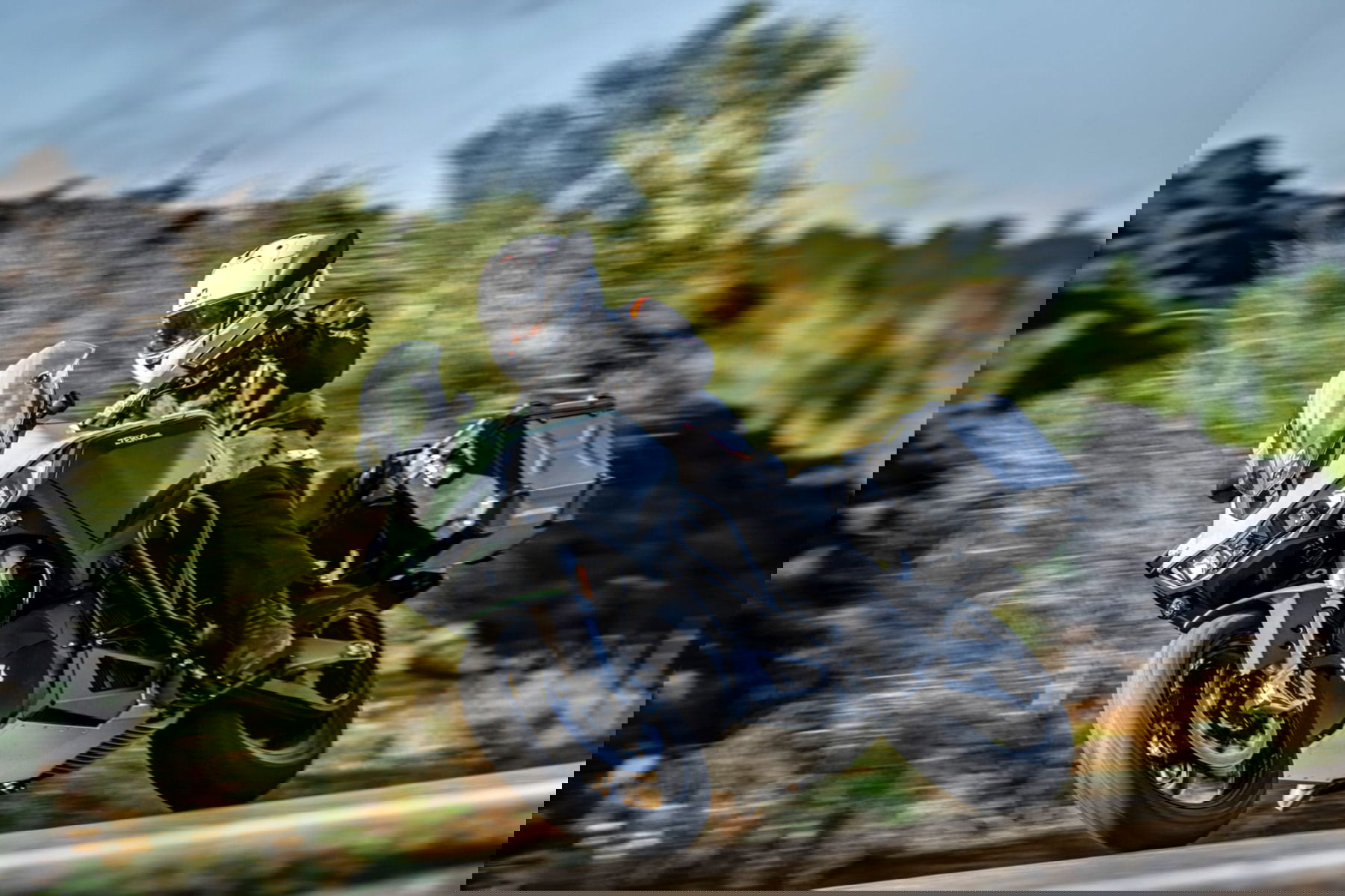
- Charging from 20 to 80 percent in less than 30 minutes with batteries of up to 17.3 kWh
- Retrofit kit planned for S, SR, SR/S, SR/F, DS, DSR and DSR/X with the Cypher III operating system
- Market launch during 2027, exact prices and specifications still to come
On 2 September 2026, Zero Motorcycles announced in Amsterdam that it will add Level 3 direct current charging to the CCS standard to its range. The manufacturer has been working on electric motorcycles for more than 20 years and has so far relied exclusively on alternating current charging. That was long seen as the weak point of its larger models. The new fast-charging module changes not only the charging time, but above all the number of charging stations a Zero rider can actually use.
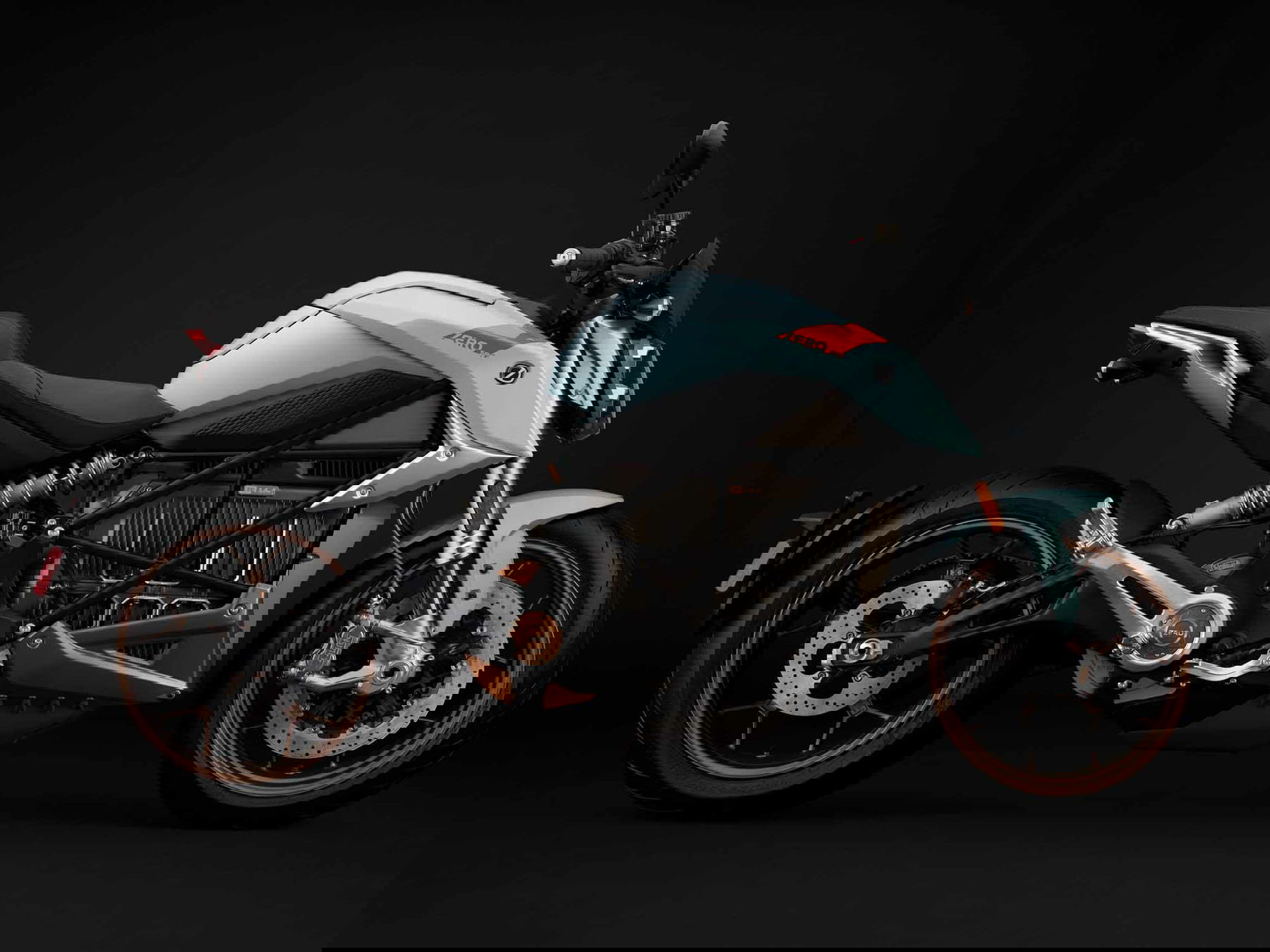
What exactly changes when charging a Zero?
In future the motorcycles will be able to charge with direct current at CCS stations instead of only with alternating current at Type 2 points. The battery is said to go from 20 to 80 percent in less than 30 minutes, provided its capacity is up to 17.3 kWh.
Until now the picture has been different. As standard, the models concerned charge at 6.6 kW. Anyone wanting more could have the so-called Rapid Charge System retrofitted through a dealer, raising charging power to 12.6 kW. Zero describes that figure as a benchmark in the industry. According to the manufacturer, going from 20 to 80 percent then takes less than 45 minutes.
The fast-charging module is currently being finalised by the development team. It is due to be available during 2027 for all new street and dual-sport motorcycles.
Zero Motorcycles CCS: which models can be retrofitted?
In the footnote of its press release, Zero names seven model lines: S, SR, SR/S, SR/F, DS, DSR and DSR/X, each with the Cypher III operating system. The retrofit kit is to be offered for all street and dual-sport machines of this generation built from model year 2022 onwards.
Second-generation motorcycles without Cypher III are therefore left out, even if individual examples still fall within that period. The restriction to the operating system is spelled out explicitly in the announcement.
Cypher III is the software and electronics platform Zero has used since 2022 to control riding modes, power delivery and, indeed, charging functions. It is the reason the compatibility can be drawn so clearly.
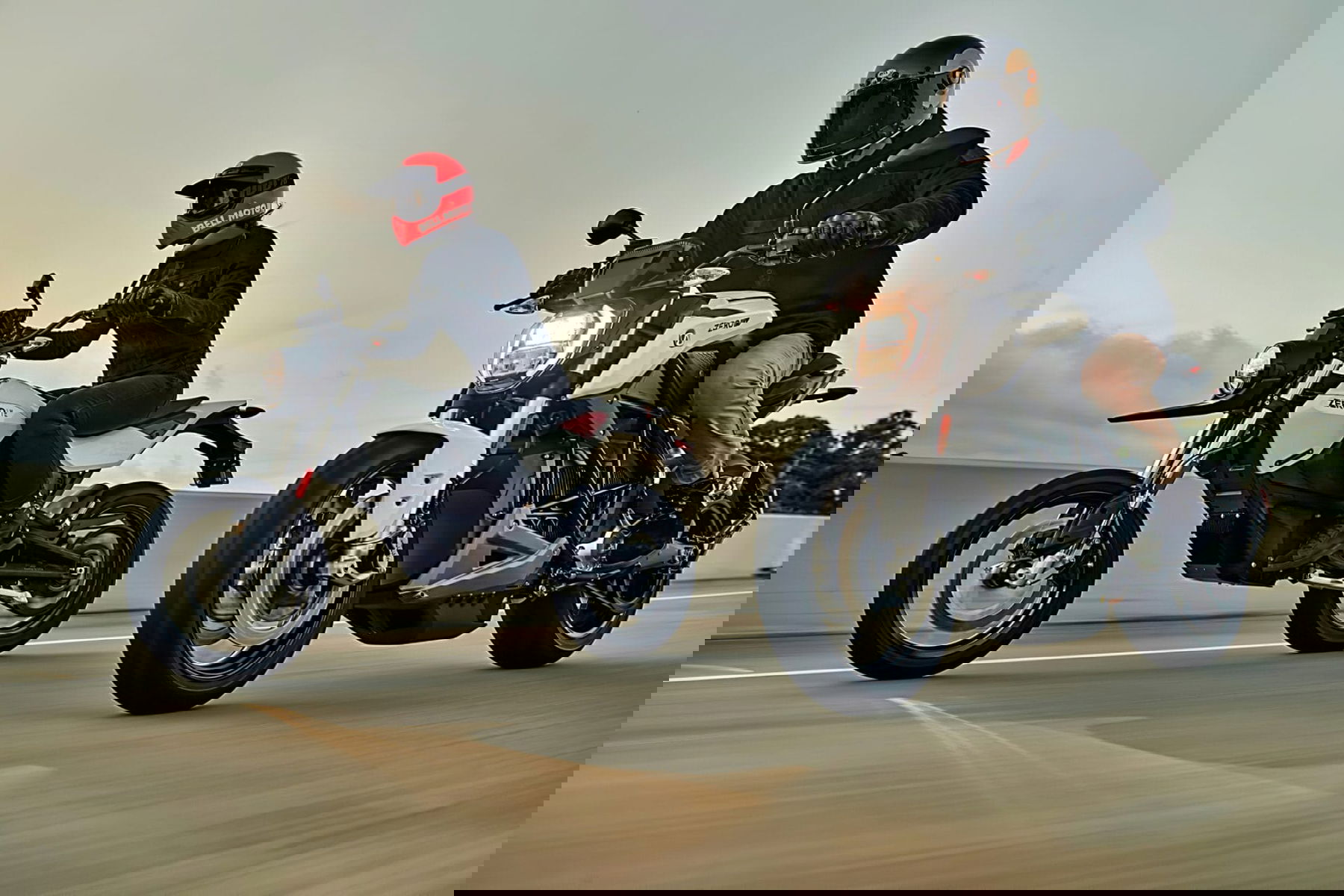
How much charging power lies behind the 30-minute figure?
Zero itself does not quote a kilowatt figure for the new module. Set the numbers against each other, however, and the value follows on its own: 60 percent of 17.3 kWh is around 10.4 kWh, and transferring that amount of energy in less than 30 minutes means at least roughly 21 kW.
That would be about double the output of the previous Rapid Charge System. The more interesting question lies outside that window, though. The batteries in Zero models are passively cooled, that is, without an active cooling system. Below 20 and above 80 percent state of charge, only around 3 kWh each is involved in arithmetical terms. How Zero manages the charging curve in these ranges therefore also determines how heavily the cells are stressed.
Zero is keeping quiet about the final charging specifications for now. They are only due to be published as development progresses.
Why the connector type matters more than the number of minutes
The bigger step forward lies not in the time saved, but in access to the charging infrastructure. CCS fast chargers now form a dense network along Europe’s main traffic arteries. New sites are predominantly built with CCS, while Type 2 in many places plays only a supporting role.
There is also a practical point. At a Type 2 station you have to bring your own cable, whereas with CCS it is permanently attached to the unit. On a longer tour that removes a bulky piece of luggage.
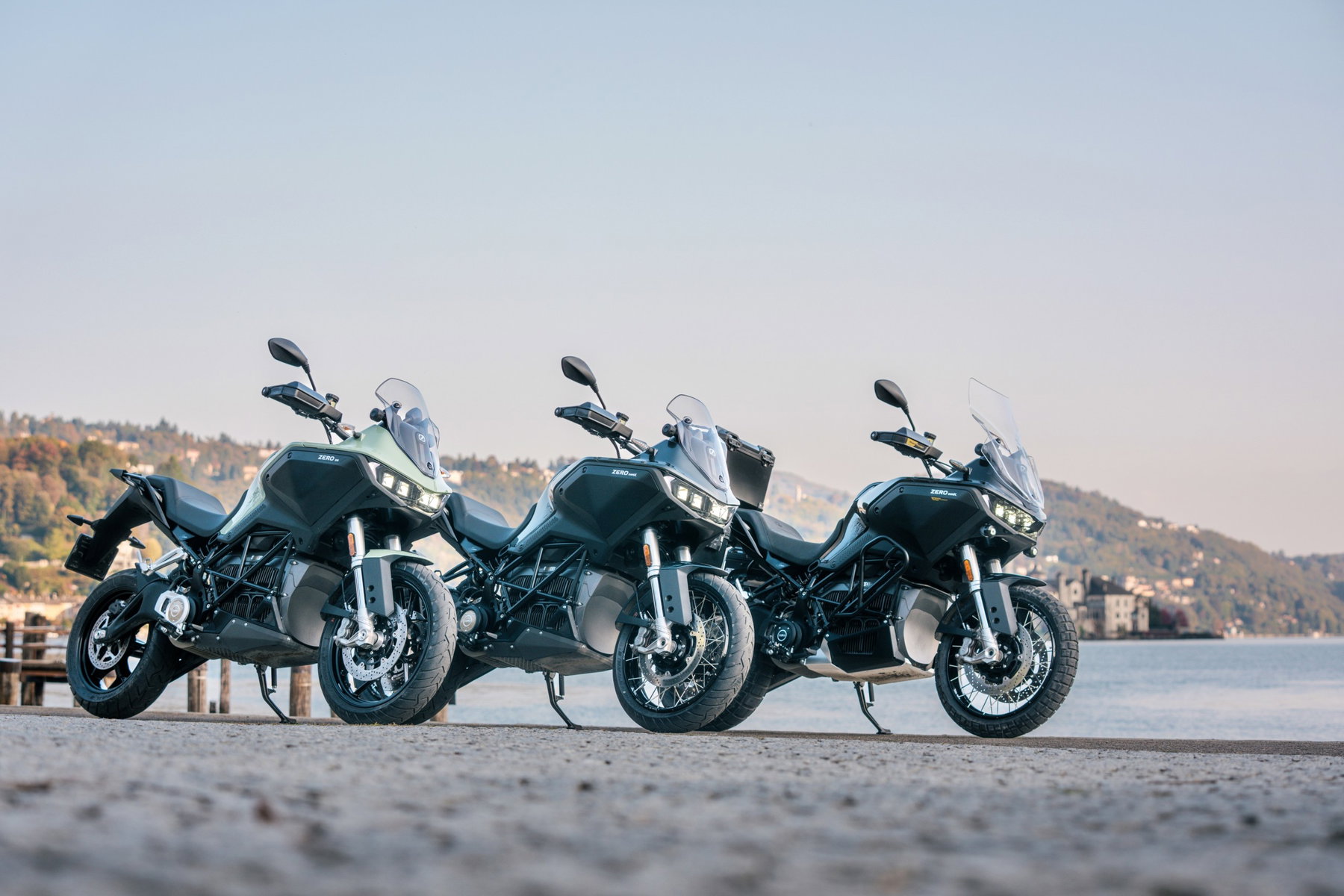
Combined, that gives a Zero motorcycle broad coverage in future: 6.6 kW of alternating current for a hotel, a restaurant or longer breaks, and CCS for getting back on the road quickly. Particularly for the touring models SR/F, SR/S and DSR/X, that noticeably shifts what is possible.
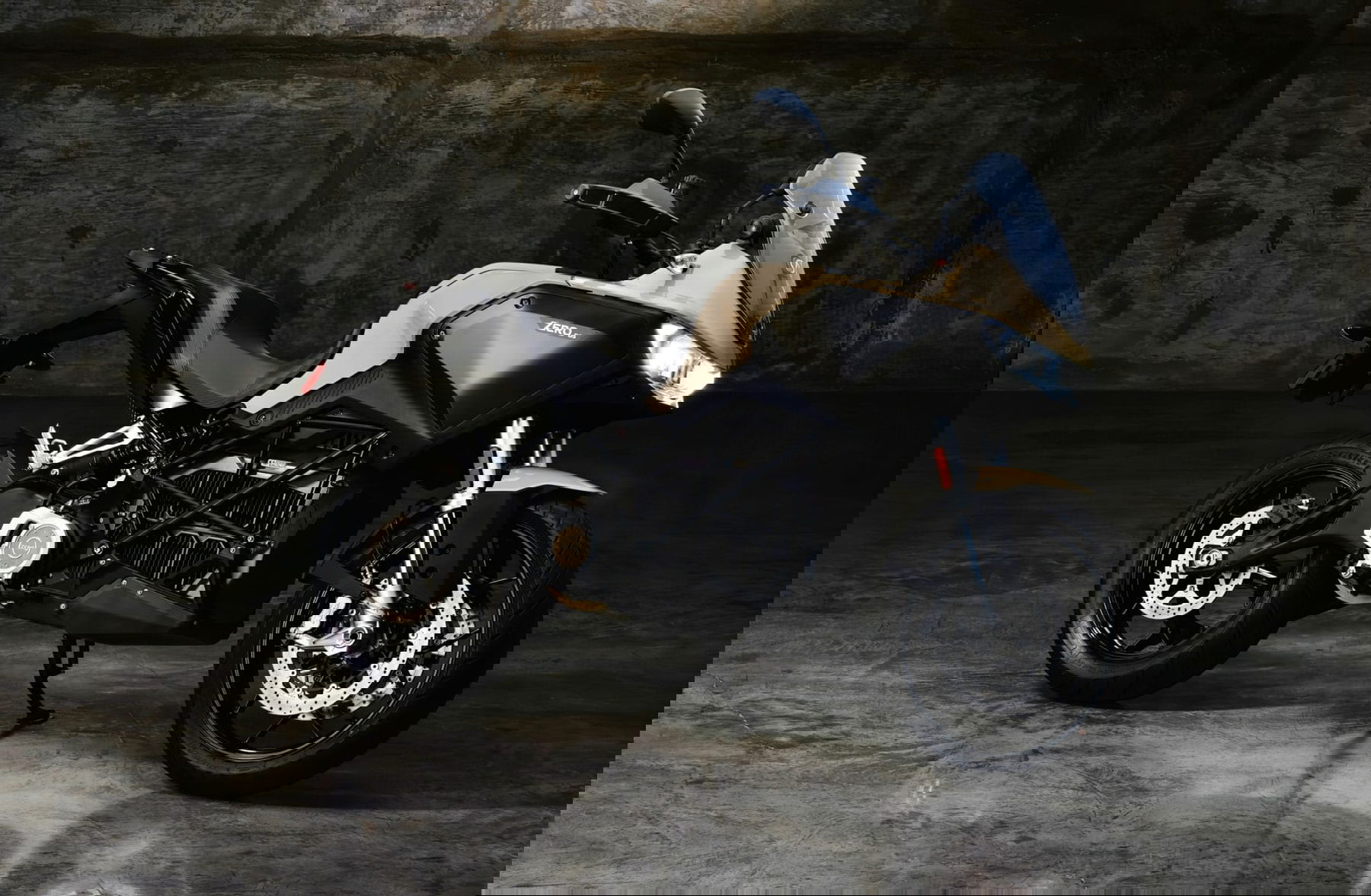
What will the CCS retrofit cost?
Zero has not yet named a price. Details on pricing, availability and the requirements for the retrofit are only due to follow as development continues.
The existing extra-cost options provide a rough guide. Depending on the model, the Rapid Charge System and the optional additional battery for the dummy tank cost around 3,500 euros (approximately 4,070 US dollars). Because the CCS module technically takes the place of the Rapid Charge System, there is much to suggest the price will be in a similar range.
Installation space is tight, after all. Both the rapid charger and the additional battery, which raises capacity to 21 kWh, are mounted in the dummy tank and already rule each other out today. The fact that Zero explicitly refers to batteries of up to 17.3 kWh supports the assumption that the CCS module takes up the same space.
Which questions remain open?
The main uncertainty is which battery variants will actually be approved. The wording „up to 17.3 kWh” leaves room for interpretation, and in practice the S, DS, SR and DSR, as well as individual configurations of the SR/F and SR/S, include machines that do contain a 17.3 kWh battery whose usable capacity is limited in software. On top of that there are bikes with older battery variants.
The timing is open as well. Zero refers to the course of 2027, but commits neither to a quarter nor to a model year.
In the wider picture of electric new releases for 2027, the announcement is nevertheless remarkable because it does not only concern upcoming models. Manufacturers usually draw a hard line between technical leaps and a new generation. Zero is taking the opposite route here and including the third generation already sold, which can affect the usability and the residual value of those motorcycles.
What does Zero itself say about the decision?
Zero explains the move with customer demand and the expansion of the charging infrastructure. CEO Pierre-Martin Bos frames the technology as a contribution to the switch to electric mobility.
He talks about direct current charging winning more riders over to the brand and about it being a feature customers have asked for. He explicitly stresses that the company did not want to reserve the technology solely for future models: „We did not want to offer this technology only on future Zero models, but also to give thousands of existing Zero owners the chance to benefit from this new feature and thereby further increase the value of their motorcycle.” He considers the timing right because direct current charging continues to spread rapidly in Europe and North America.
Frequently Asked Questions
-
When does Zero Motorcycles CCS reach the market?
Zero names the year 2027. The new CCS module is due to be available during that year for new street and dual-sport models, as is the accessory for retrofitting. The manufacturer has not yet named an exact quarter or model year.
-
How long does a Zero take to charge with CCS?
Charging from 20 to 80 percent is said to take less than 30 minutes with batteries of up to 17.3 kWh. For comparison: with the existing Rapid Charge System and 12.6 kW of alternating current, Zero quotes less than 45 minutes for the same range.
-
Which Zero models can be retrofitted with CCS?
The S, SR, SR/S, SR/F, DS, DSR and DSR/X from model year 2022 onwards are named, each with the Cypher III operating system. Models without that operating system are excluded. Zero intends to announce later which battery variants are approved in detail.
-
What does the CCS retrofit cost at Zero?
Zero has not published a price so far. The existing options for more charging power or more capacity cost around 3,500 euros (approximately 4,070 US dollars) depending on the model, which can serve as a rough guide.
-
Does charging via the Type 2 connector remain?
Yes, the standard alternating current charging at 6.6 kW remains part of the specification. CCS is added as an extra option, so both charging worlds can be used depending on the situation.