- On 29 September 2026, the Saxon cabinet approved a Bundesrat initiative for a 60 km/h limit for mopeds.
- The 45 km/h limit is set in EU law, so Germany cannot raise it on its own.
- Until the rules change, modern mopeds and scooters remain limited to 45 km/h.
On German roads, mopeds of the same class are subject to two different top speeds. Certain Simson models from the former GDR are allowed to travel at 60 km/h. A modern 50 cc scooter with better brakes and a better chassis, on the other hand, is limited to 45 km/h. The Free State of Saxony wants to end this discrepancy. On the initiative of Infrastructure Minister Regina Kraushaar (CDU), the cabinet decided on 29 September 2026 to submit a motion for a resolution to the Bundesrat, Germany’s upper house. The goal is 60 km/h for mopeds from all manufacturers, including new vehicles. However, there is still a long way to go before riders holding an AM licence will benefit.
What is Saxony calling for with its Bundesrat initiative?
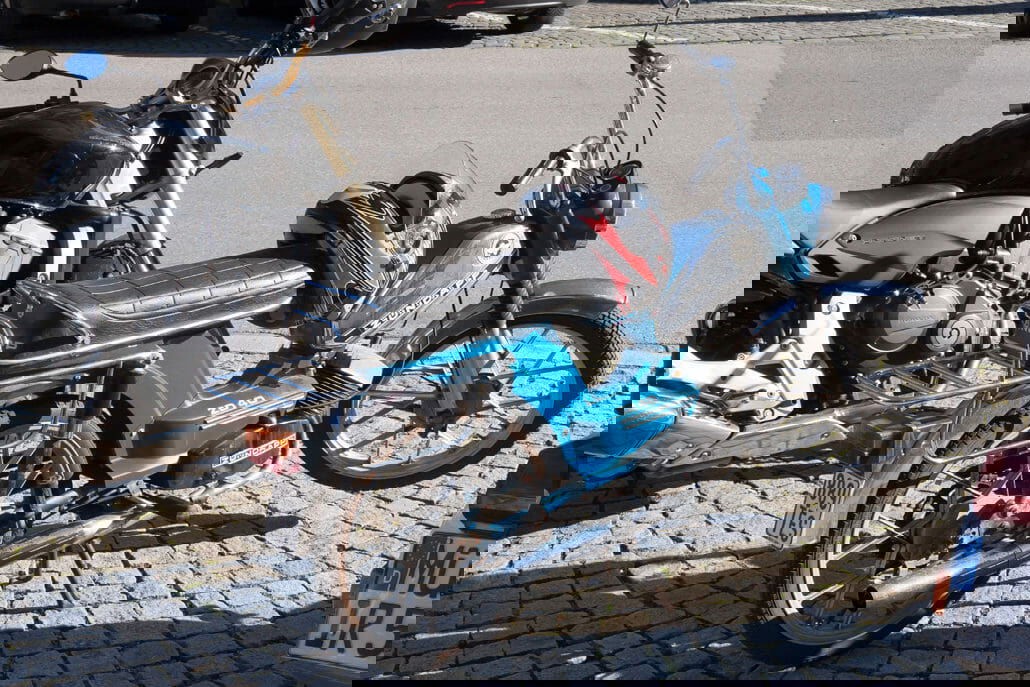
Saxony is calling for new mopeds to be regularly type-approved for up to 60 km/h instead of 45 km/h. To this end, the Bundesrat is to ask the federal government to push for a change to the vehicle categories at EU level.
The motion is due to be submitted on 16 October. The planned rule would apply not only to two-wheeled mopeds, but also to three-wheeled mopeds and light four-wheeled vehicles. The prerequisite would be a completely normal EU type approval. This is the approval a manufacturer receives for a vehicle model before it is allowed to sell it. The brand would play no role. Individual proof for each vehicle or historical special rules would not be required under the plans.
The Saxon Ministry of Infrastructure justifies the move with technical progress. In the ministry’s view, modern brakes, chassis and lighting make a case for reassessing the existing requirements. Kraushaar says that moped riders cannot understand why one vehicle is restricted to 45 km/h while an identical model may travel at 60 km/h. It should make no difference where a vehicle was once registered or which type plate it carries. Her guiding principle is: “Same technology, same speed.”
The higher speed is not supposed to come without scrutiny, though. According to the plans from Dresden, road safety and accident consequences are to be examined at EU level first.
Why can’t Germany change the 45 km/h limit on its own?
The 45 km/h limit does not come from a German law but from European legislation. The EU defines for each vehicle category how fast the vehicles may be by design.
Mopeds belong to the EU vehicle category L1e-B. It is defined as a category for two-wheeled vehicles with a maximum design speed of no more than 45 km/h. The same limit is also found in the requirements for categories L2e and L6e. Going it alone is therefore hardly possible for Germany. For new mopeds to be allowed to travel at 60 km/h, European type-approval law would have to be amended or a legally sound special rule created.
Saxony is therefore deliberately taking the European route. According to the ministry, the aim is to allow a higher top speed for light vehicles to apply uniformly in all member states. The Bundesrat is only the first step. It can merely ask the federal government to push the issue forward in Brussels.
Why are Simson mopeds allowed to travel at 60 km/h?
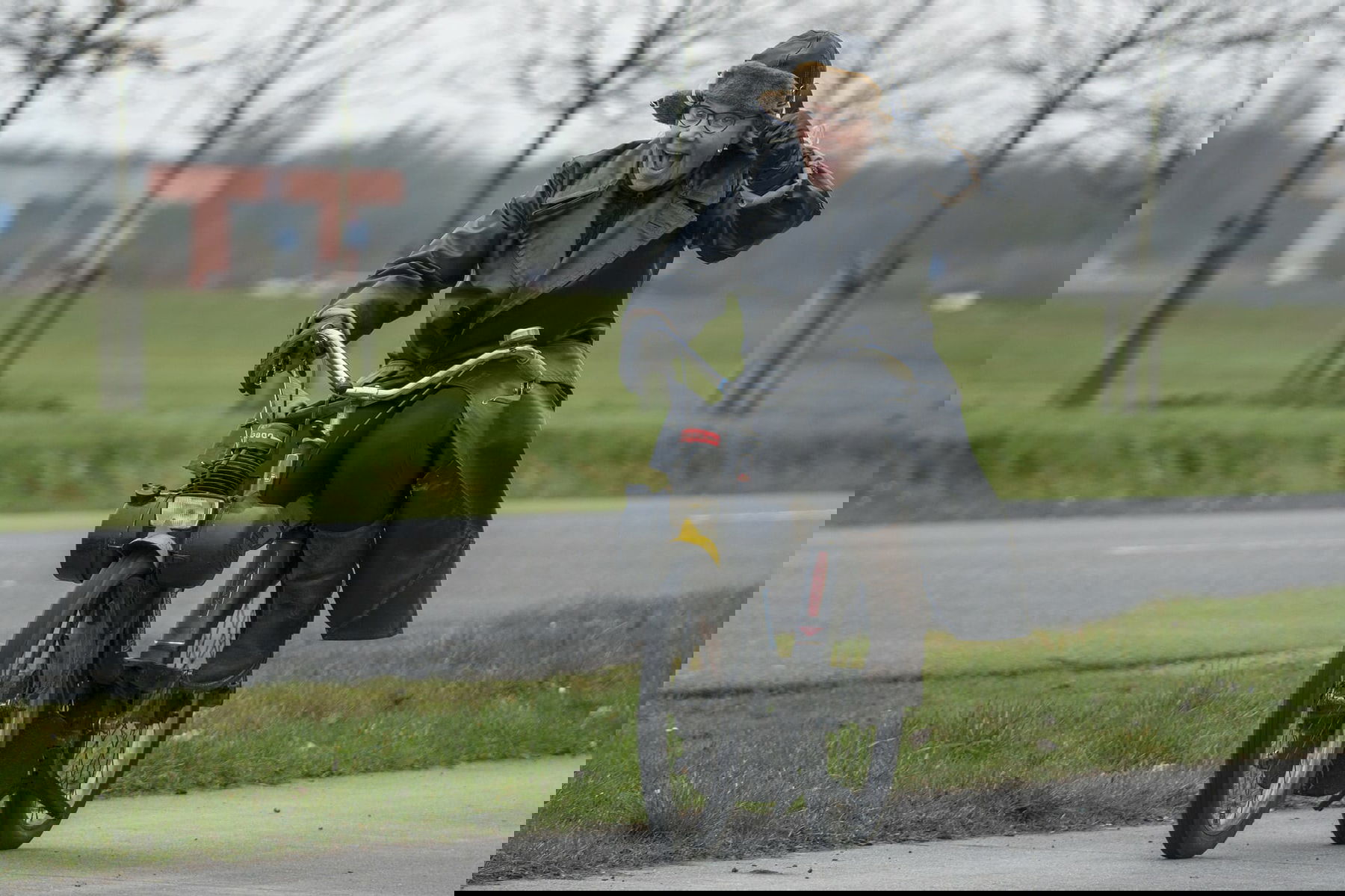
Simson mopeds from GDR times are allowed to travel at 60 km/h because a special rule in the German Unification Treaty permits it. It applies to certain mopeds that were already registered in the GDR. These may be ridden with an AM category licence.
They include well-known two-strokes such as the Schwalbe, the Star, the Sperber and the S50 and S51. Tens of thousands of these mopeds are still on the road, especially in eastern Germany. They are often ridden by young people, particularly in rural areas. For the regular moped vehicle category, on the other hand, the limit is 45 km/h.
The issue is not limited to the Simson, however. The 45 km/h limit does not automatically apply to older mopeds. Depending on when and in which country a vehicle was first registered and which category it belonged to at the time, the speeds approved back then may continue to apply. These can be 50 km/h, for example, or in individual cases even 60 km/h. In principle, this can also apply to older Vespas. What always matters is the operating permit and the vehicle documents. Age alone, or a speed that only becomes technically possible after modifications, is not enough for 60 km/h.
What applies now to re-imported Simsons?
Re-imported Simsons may now also travel at up to 60 km/h if they were placed on the market by 28 February 1992 and are roadworthy. Until then, mopeds that had been exported during GDR times, for example to Hungary, and later brought back were limited to 45 km/h like other mopeds.
The federal government cleared the way for this in August. After a meeting of the eastern German transport ministers in Gera, Christian Hirte, Parliamentary State Secretary at the Federal Ministry of Transport, stated on 14 August 2026 that the federal government had re-examined the legal situation. On the federal side, “the way is now clear”. He recommended that the states treat originals and re-imports equally.
Owners cannot simply ride off, however. The moped must correspond to a type approved in the GDR. An officially recognised expert must confirm for each individual vehicle, in a report under Section 21 of the German Road Vehicle Registration and Licensing Regulations, that it technically corresponds to this type and is roadworthy. Only then can the local registration authority issue an individual operating permit or amend the documents. The Federal Motor Transport Authority (KBA) can help with the classification, and Dekra recommends first applying for a duplicate of the general operating permit. Modifications, missing documentation or poor technical condition can prevent recognition.
If everything is in order, the Simson counts as a moped exempt from registration. It may then be ridden at up to 60 km/h with an insurance plate and an AM category licence. Because implementation is a matter for the federal states, the respective registration authority has the final say. Saxony and Saxony-Anhalt have led the way here.
For Saxony, however, the solution for re-imports was only an interim step. In a statement on 7 August 2026, the ministry had already announced that, in addition to GDR vehicles and re-imports, newer mopeds from all manufacturers should also be covered. The Simson, it said, is merely the best-known example. The Bundesrat initiative therefore goes considerably further than the rule for re-imports.
What role does the petition for 60 km/h play?
The demand for a 60 km/h limit for mopeds is not new. Back in 2023, 52,155 people signed an online petition to the Bundestag’s Petitions Committee calling for the limit to be raised from 45 to 60 km/h, but it was rejected.
The petition was launched by SIP Scootershop on 24 January 2023. It referred to mopeds with a displacement of up to 50 cc and electric vehicles with a continuous output of up to 5.4 hp (4 kW) that may be ridden with an AM licence. The AM category is already included in the class B car licence. According to the petitioners, the insurance plate should remain.
The reasoning focused mainly on everyday traffic. In built-up areas the limit is 50 km/h, so vehicles travelling at 45 km/h are often perceived as an obstacle and quickly overtaken, including by buses and lorries. Such overtaking manoeuvres are considered particularly dangerous for small two-wheelers. On rural roads, moped riders at 60 km/h could also overtake slow agricultural machinery limited to 25 or 35 km/h more easily. The Autobahn would still be off-limits. Only vehicles with a maximum design speed of more than 60 km/h are allowed there.
Meanwhile, the initiators of an online petition are floating a national add-on they call “AM+”. It would allow 50 cc scooters in Germany to travel at up to 60 km/h without dropping out of the moped category. However, “AM+” is so far neither a licence category nor a legal rule. Whether the proposal would be compatible with EU type-approval law is unclear. The initiators see the Saxon initiative as an opportunity. They are calling on supporters to write to their members of the Bundestag and to campaign for the increase and a change to the EU rules.
When could mopeds actually travel at 60 km/h?
No date has been set, and no change has been decided yet. Until then, the top speed of 45 km/h continues to apply to modern mopeds.
First, the Bundesrat has to deal with the Saxon motion. If it agrees, it would be up to the federal government to raise the matter in Brussels. Whether a majority can be found there for a new moped category or a special rule is open. On top of that comes the required study on accident figures and road safety, which is to precede any change.
Should the higher speed come, it could also have consequences for the market. Modern mopeds could become more attractive to buyers because the difference to the Simson would disappear. This makes the initiative one of the traffic law issues occupying two-wheeler riders in Germany in 2026, even if it is likely to be some time before a decision is made.
Frequently Asked Questions
-
Is a 60 km/h limit for mopeds coming?
A 60 km/h limit for mopeds has not been decided yet. Saxony intends to submit a motion to the Bundesrat on 16 October 2026 calling on the federal government to push for a change to the EU vehicle categories in Brussels. Until then, modern mopeds remain limited to 45 km/h.
-
Why are Simsons allowed to travel at 60 km/h and other mopeds are not?
Simsons from the GDR benefit from a special rule in the German Unification Treaty. It applies to certain mopeds that were already registered in the GDR. For all other mopeds in category L1e-B, EU law sets a maximum design speed of 45 km/h.
-
Are re-imported Simsons allowed to travel at 60 km/h?
Yes, if they were placed on the market by 28 February 1992, correspond to a type approved in the GDR and are roadworthy. A report under Section 21 of the German Road Vehicle Registration and Licensing Regulations is required, after which the registration authority amends the documents. They may then be ridden with an insurance plate and an AM category licence.
-
Who decides on the top speed of mopeds?
The decision lies with the EU, because the 45 km/h limit is set in European law for the vehicle categories. Germany cannot change it on its own. The Bundesrat and the federal government can only work towards Brussels adjusting the requirements.