- NHTSA recall number 26V478, filed on 23 July 2026
- Affected are the model years 2020 to 2026 plus a separately listed US version of the 2024 model year
- Around 300 documented cases worldwide, about ten of them in Germany
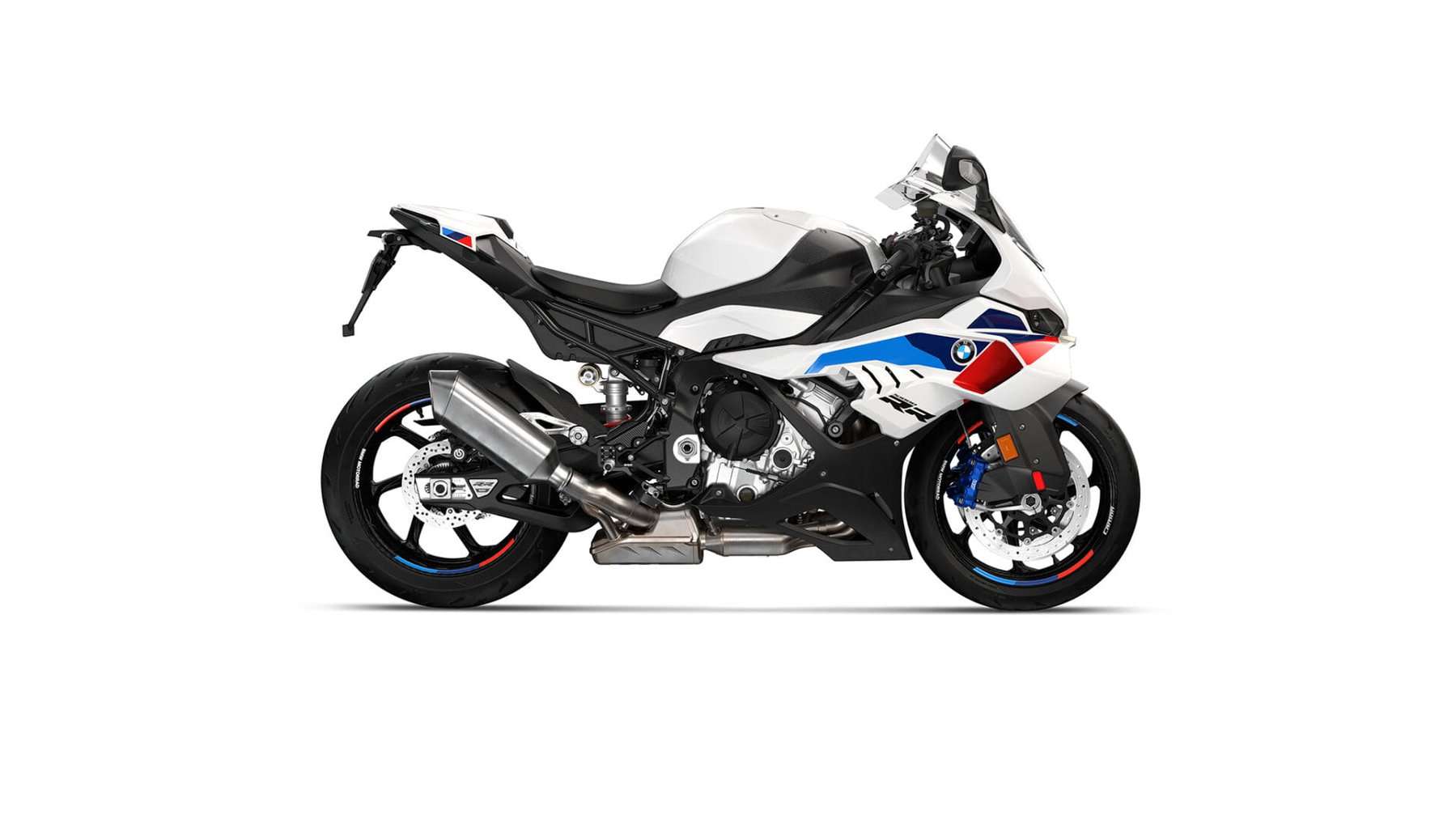
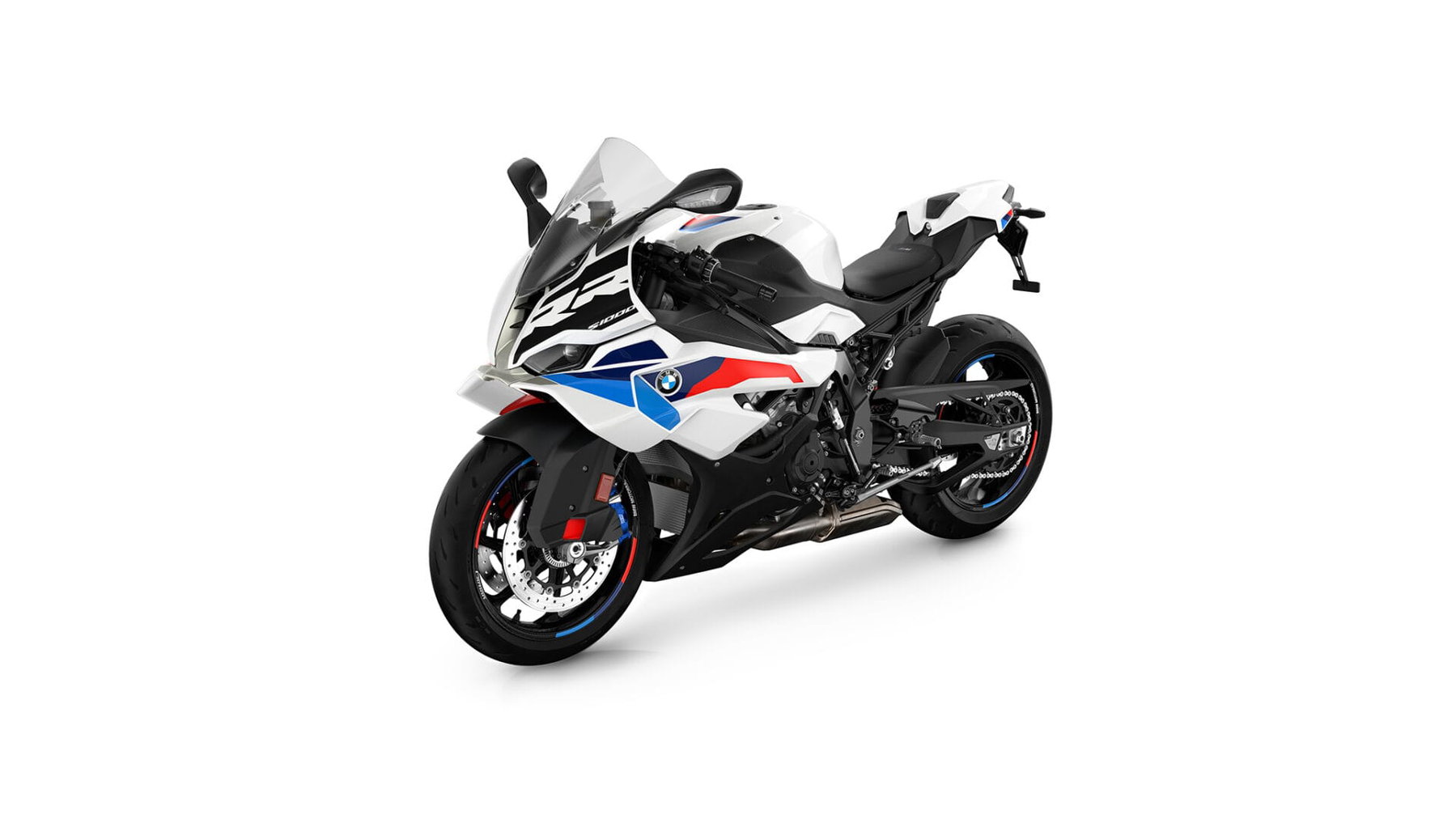
A small component inside the ignition switch is earning BMW one of the largest workshop campaigns in its recent model history. On the supersport S 1000 RR, an electrical contact inside the ignition switch can wear down over time. The result is a loose contact that in the worst case shuts down the engine while riding and at the same time disables the display, the lights and the ABS. The US market goes first, other countries are expected to follow.
Which models are affected by the recall?
The recall covers the BMW S 1000 RR of the model years 2020 to 2026, and the US authority NHTSA additionally lists a separate US version of the 2024 model year. In the United States, 16,736 machines are therefore covered.
Technically it concerns the second generation of the superbike with the internal type designation K67. According to BMW, around 77,000 units of this series were built and delivered worldwide between January 2019 and July 2026. That figure describes the production volume, not the officially registered recall volume. According to the factory, however, the entire series is to be included in the campaign. For Germany, BMW currently names around 7,000 affected motorcycles.
What exactly is defective on the ignition switch?
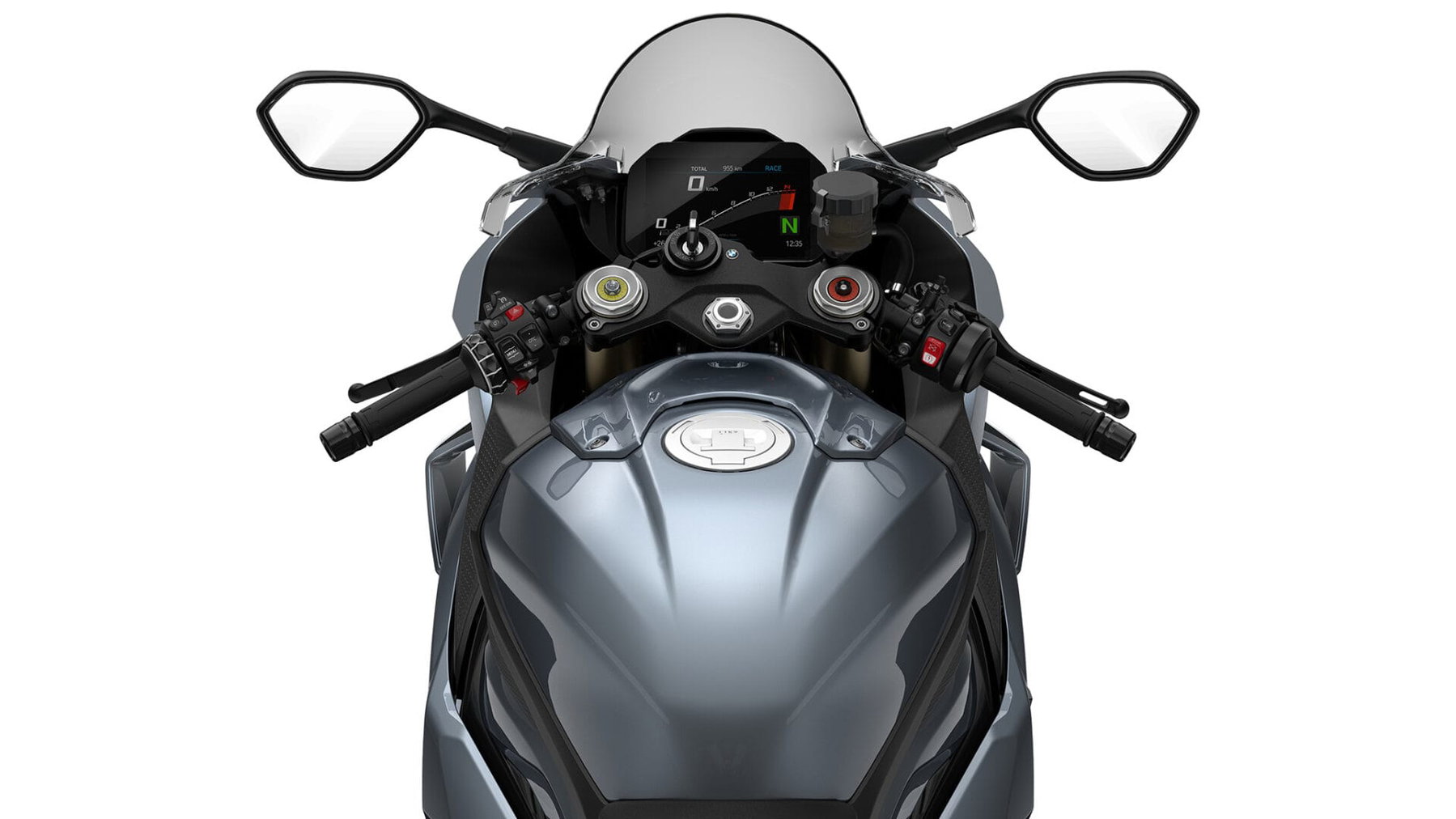
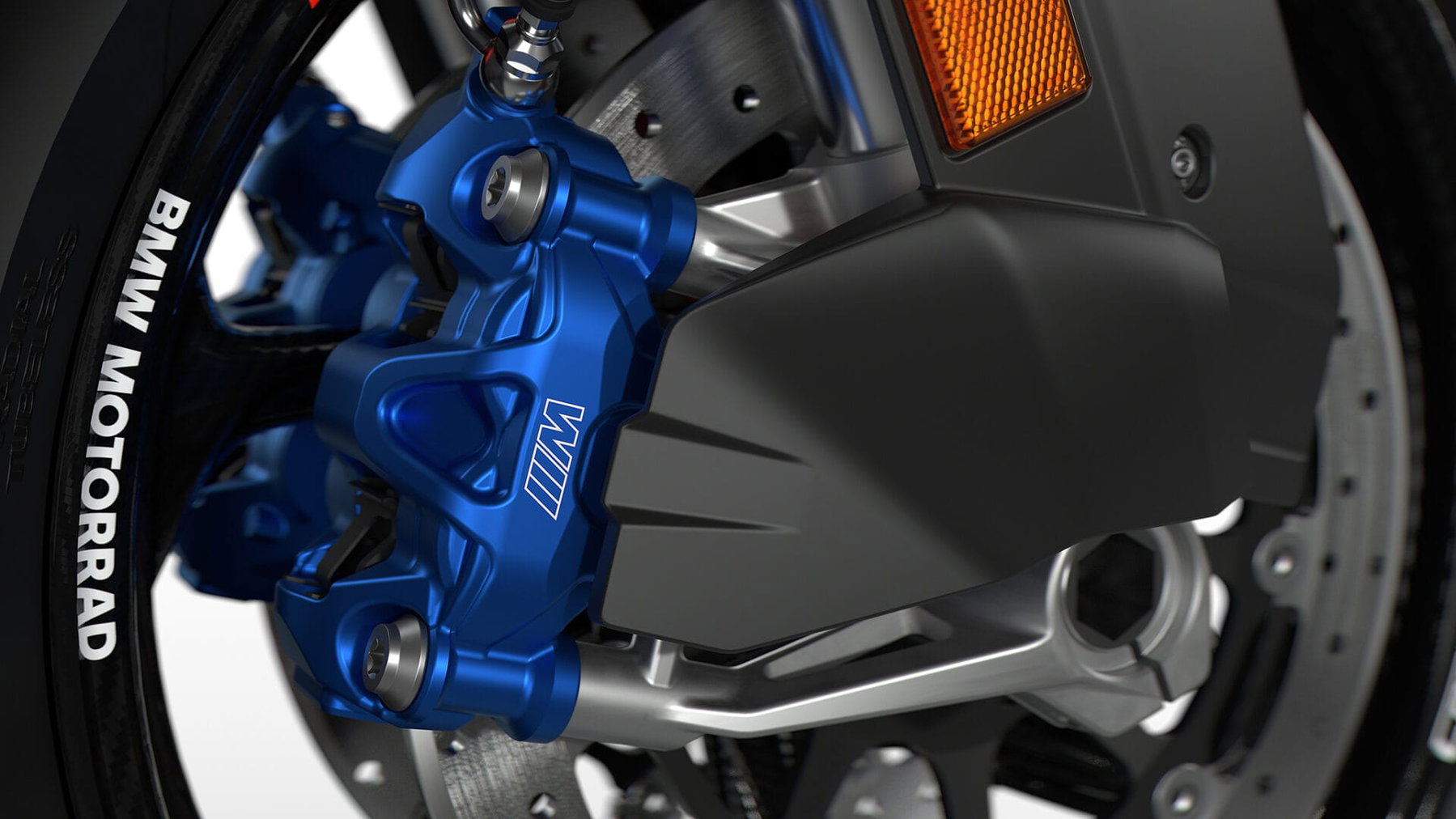
At the centre of it is the so-called terminal 15 in the plastic housing of the ignition switch. This contact switches the positive terminal of the 12-volt battery through to the on-board electrical system, in other words exactly the moment in which the ignition comes on and the electronics boot up.
The ignition switch comes from the German supplier GKS and carries the part number 51257108720. In the NHTSA documents, the component is described as “apparently not designed robustly enough”. Responsible for the wear are apparently the high-frequency vibrations of the inline four-cylinder engine, which produces more than 200 hp. They act permanently on the contact and damage it over time. The detailed investigation at the factory has not yet been completed.
What consequences can the loose contact have while riding?
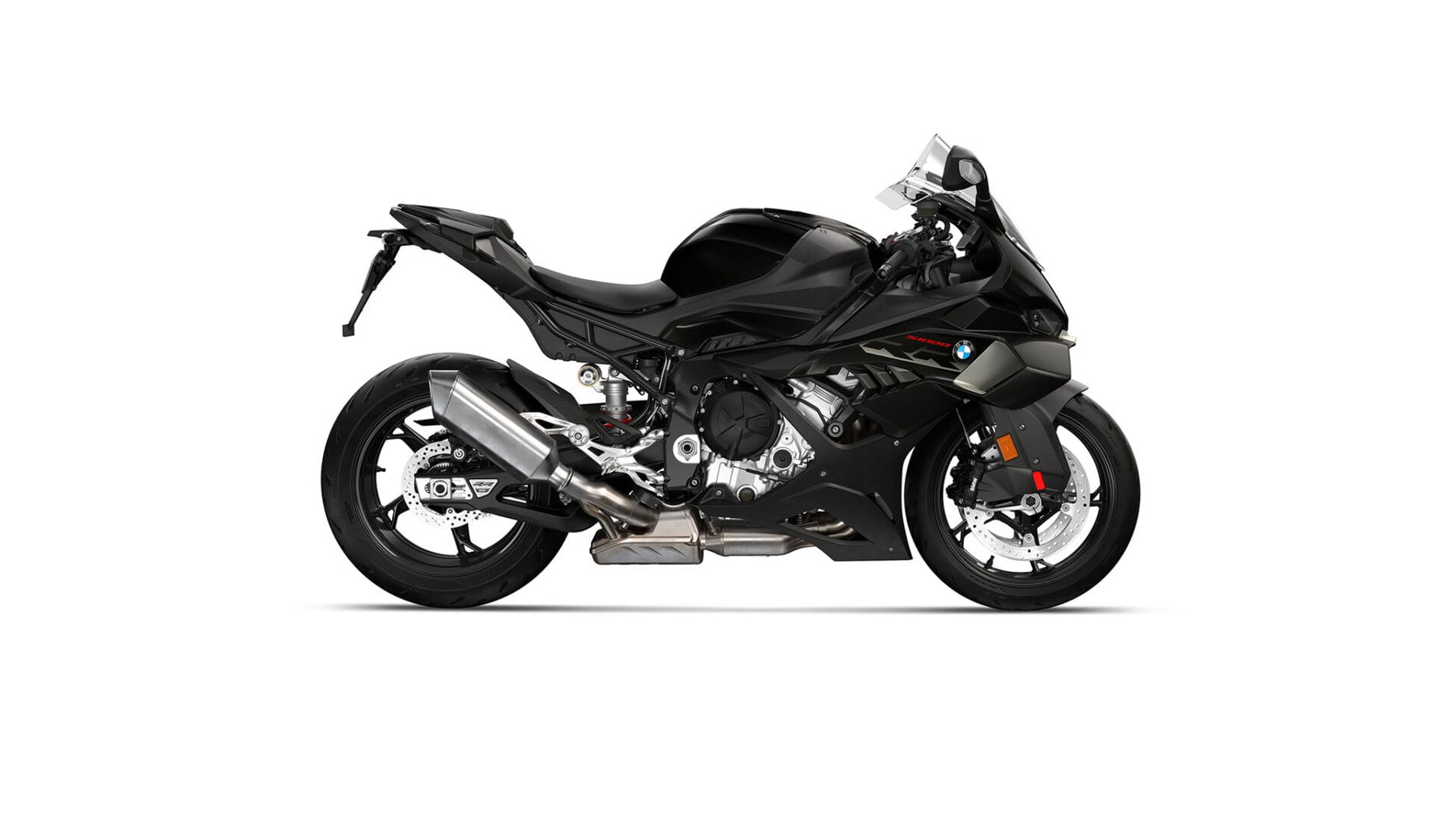
If the power supply via terminal 15 briefly cuts out, the on-board electrical system loses voltage. That can affect several safety-relevant systems at the same time.
In detail, the recall documents name the failure of the instrument cluster, the failure of the rear lighting including indicators and brake light, and the failure of the ABS. Because fuel injection and ignition can also be affected, the engine may cut out in the middle of a ride, without any warning, and at a standstill as well. The NHTSA therefore classifies the case as safety-relevant and speaks of an increased risk of a fall. Accidents or injuries that can be traced back to the defect are not known to BMW or the authority so far.
How BMW got on the trail of the problem
The manufacturer became aware of it in April 2025, when the number of warranty cases around the ignition switch rose noticeably. An initial evaluation showed a failure rate of less than 0.1 percent of the fleet.
The examination of replaced components revealed a recurring pattern: vibration-induced wear on a contact pin. By April 2026, the rate of conspicuous vehicles had already reached around 0.5 percent, with a further rising trend. For BMW, that was the decisive indication that the probability grows with mileage. So far, around 300 cases have been documented, about ten of them in Germany. In the course of the analysis, other four-cylinder models were checked as well.
When will affected owners be notified?
US dealers were informed on 30 July 2026, and owners are expected to receive a first letter around 14 September 2026. A second letter will follow as soon as the repair solution has been approved.
That solution is still under development. Whether it will end up being a pure replacement of the ignition switch or a more extensive package is therefore still open. What is certain is that the campaign is free of charge for owners. From 14 September 2026, the affected vehicle identification numbers are to be available in the NHTSA database, so that it can be checked online whether a particular machine is covered. For queries, BMW names the US customer service number 1-800-525-7417, and the NHTSA can be reached on 1-888-327-4236.
What applies to owners in Germany?
For Germany there is no concrete timetable so far. At the end of July, the Kraftfahrt-Bundesamt had not yet published anything of its own on this ignition switch recall.
National implementation is to follow once the BMW documents are final. According to media reports, the same applies to further markets in Europe, Asia and Australia, which are expected to follow in the coming weeks and months. Anyone who wants to know whether their own machine is affected can query the vehicle identification number via the service portals and apps of BMW or have it checked at a dealer. Vehicles on which a loose contact at the ignition switch has already been repaired are to be covered again as well. The machines that continue to be produced are added too.
Which symptoms point to the problem?
A defective ignition switch usually makes itself noticeable through electrical dropouts long before the engine stops completely. Typical signs are a flickering instrument cluster, a brief light failure or engine shutdowns without any apparent reason.
If such symptoms occur, the machine should no longer be ridden at the limit and should be presented at a BMW workshop promptly. Because the fault is based on wear, older examples with high mileage are more at risk than young motorcycles.
Other BMW models are not involved
The recall is clearly limited to the S 1000 RR of the K67 series. On the M 1000 RR, S 1000 R, S 1000 XR and M 1000 XR, no indications of the same fault were found.
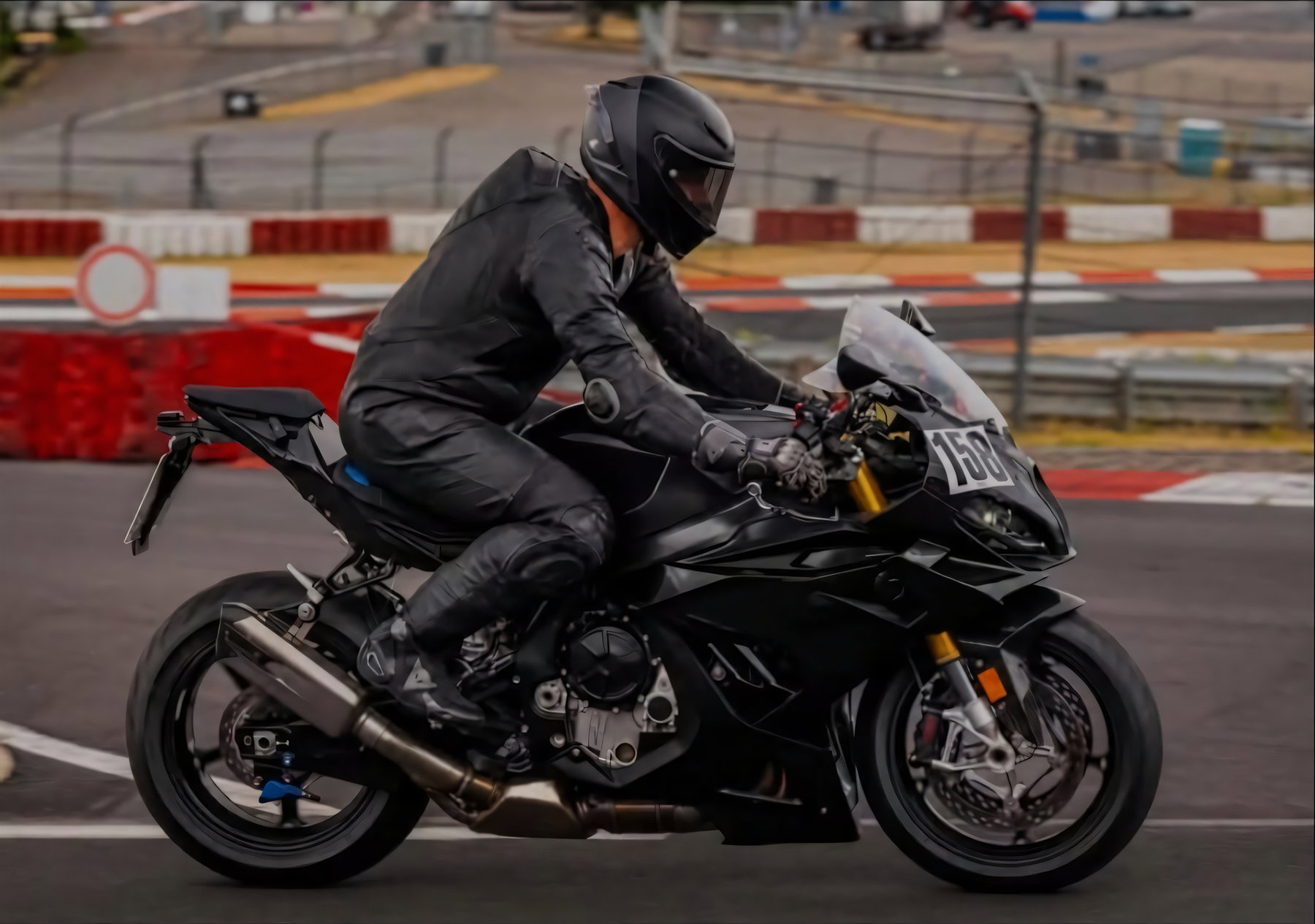
BMW explains this with the different technical layout. Asked about it, the company said from Munich: “The specific load as well as the mounting concept differ on the other models compared with the BMW S 1000 RR. In this specific case, with the M 1000 RR we are talking about a different model that differs in terms of engine, frame and vehicle structure and in the mounting of the ignition steering lock.” For the model offensive of the coming years, the topic is likely to remain a transitional chapter anyway: production of the third RR generation is reportedly due to start in May 2027. Pre-production machines of this new S 1000 RR were out on the Nürburgring Nordschleife barely disguised in July 2026. The case thus joins a series that, as a complex high-performance motorcycle, has repeatedly prompted workshop campaigns, among other things on the gearbox, the oil circuit and brake components.
Frequently asked questions
-
Which model years does the BMW S 1000 RR recall affect?
Covered are the model years 2020 to 2026 as well as a separately listed US version of the 2024 model year. Technically it concerns the second generation with the type designation K67, which has been built since January 2019.
-
How many motorcycles are affected?
In the US, 16,736 machines are covered according to the NHTSA. For Germany, BMW names around 7,000 vehicles, and worldwide about 77,000 units of the second generation were built.
-
What does the repair cost?
The campaign is free of charge for owners. How extensive the workshop visit turns out to be depends on the technical solution that BMW is still developing.
-
Can the machine still be ridden?
No riding ban has been issued, and the NHTSA has imposed neither a park nor a stop-drive order. In the event of electrical dropouts, a flickering display or unexplained engine shutdowns, a workshop visit is nevertheless advisable.
-
Is the BMW M 1000 RR affected as well?
No. The recall applies exclusively to the S 1000 RR, because engine, vehicle structure and the mounting of the ignition steering lock differ on the other models.