- Joint development of braking systems for future CFMoto models in the mid- and large-capacity segments
- Brembo joins the development process earlier, from initial concept to final sign-off
- The collaboration extends beyond technology into racing and young talent support
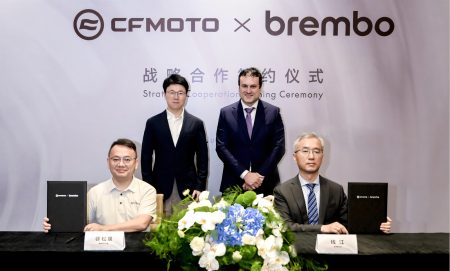
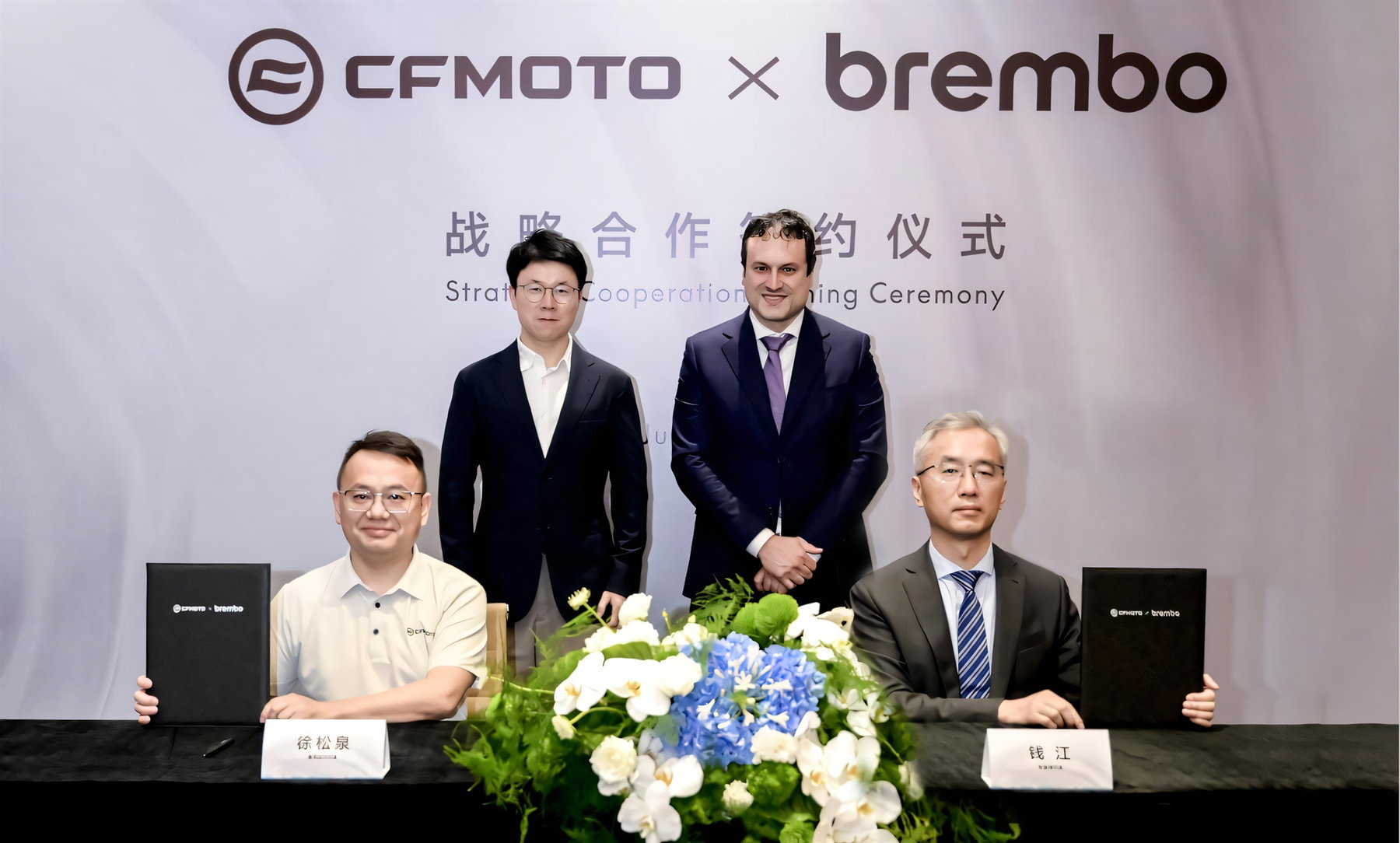
Chinese manufacturer CFMoto and Italian brake specialist Brembo are moving closer together. Both companies have confirmed a long-term strategic partnership that, according to CFMoto, is meant to be more than an ordinary supply agreement. Instead of buying finished brake components late in the process, the partners want to develop the braking systems of future motorcycles together from the ground up. According to industry sources, the agreement was signed this week in the Chinese city of Hangzhou.
What did CFMoto and Brembo agree on?
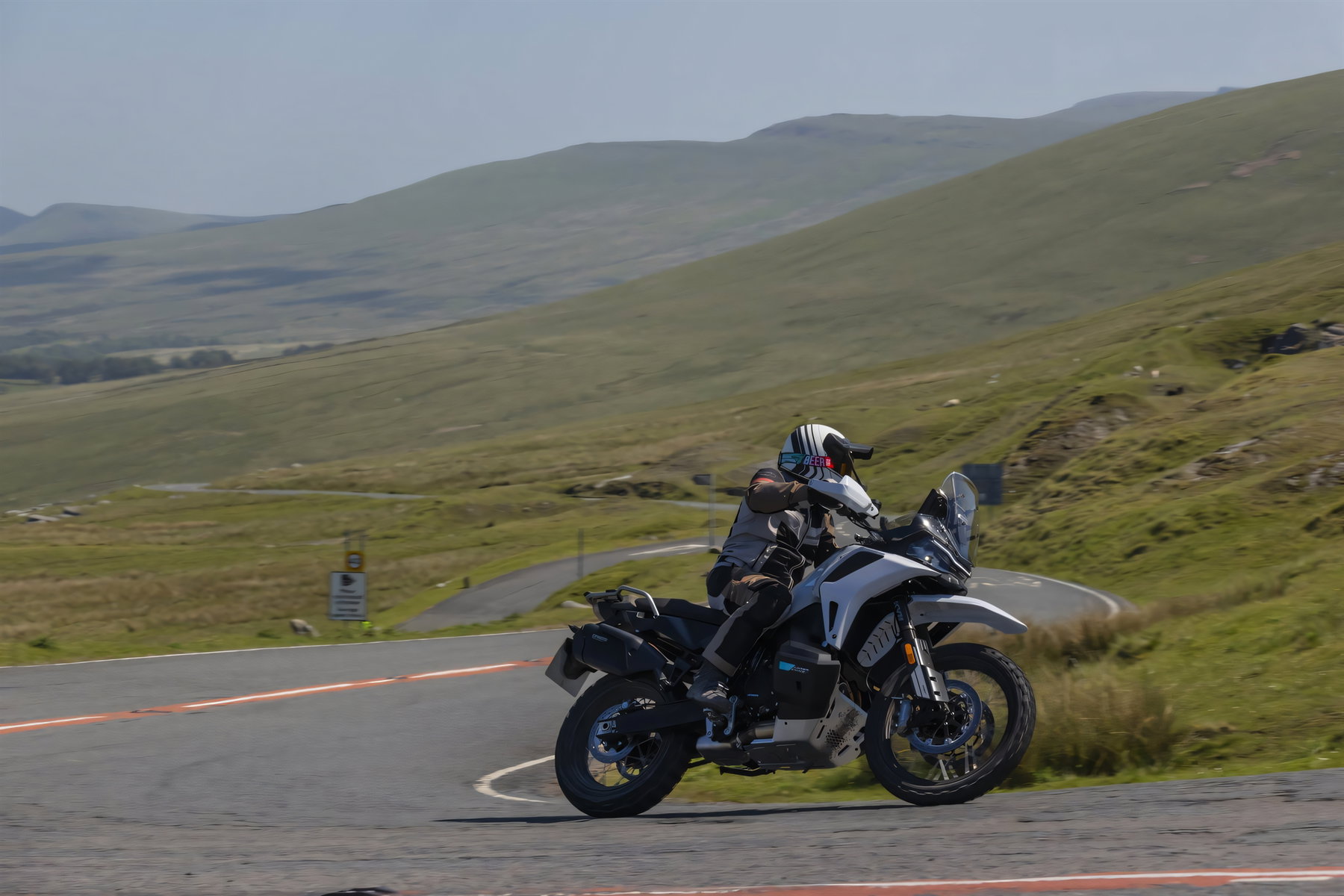
CFMoto and Brembo have entered into a long-term strategic partnership that includes the joint development of braking systems for future models in the mid- and large-capacity segments. This deliberately goes beyond the usual role of a supplier.
The core of the agreement lies in how the two companies will work together. Brembo is set to be involved in motorcycle development earlier than before, rather than only once a model’s technical specification is largely fixed. Both sides emphasize the long-term nature of the collaboration.
Chen Zhiyong, Vice President of CFMoto, frames the move this way: “Establishing a long-term strategic partnership with Brembo will further strengthen CFMoto’s competitiveness and brand presence in global markets.”
Brembo also offers a clear assessment. Andrea Paganessi, Motorcycle GBU Chief Officer at Brembo, explains: “Our collaboration with CFMoto is an important step in strengthening Brembo’s presence in the global motorcycle market and in supporting our mission as a solutions provider.”
How will the new braking systems be developed?
Brembo will be involved considerably earlier in the development process going forward. Both companies will work together on concept design, performance development, vehicle integration, tuning, and the final sign-off of the braking systems.
Behind these terms lies one central idea: the braking system is no longer adapted as a finished component to an existing motorcycle, but is tailored from the outset to the intended use of each model. Tuning refers to the fine adjustment of the brakes to a motorcycle’s weight, chassis, and character. Sign-off, in turn, refers to the validation process that secures the system before it goes into series production.
According to CFMoto, this approach is meant to deliver a better balance of safety, control, performance, and rider confidence. Because development starts earlier, the brakes can be tailored more closely to how a given model will be used — for example a sporty naked bike or a heavy touring motorcycle.
What role does racing technology play?
The partnership opens the door for racing-derived brake technology to reach CFMoto’s larger production models as well. The two companies are already connected in Grand Prix racing.
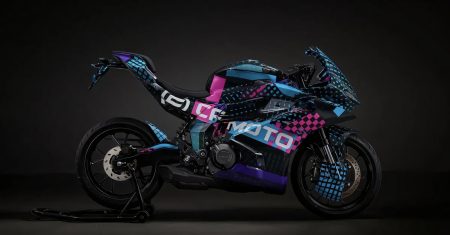
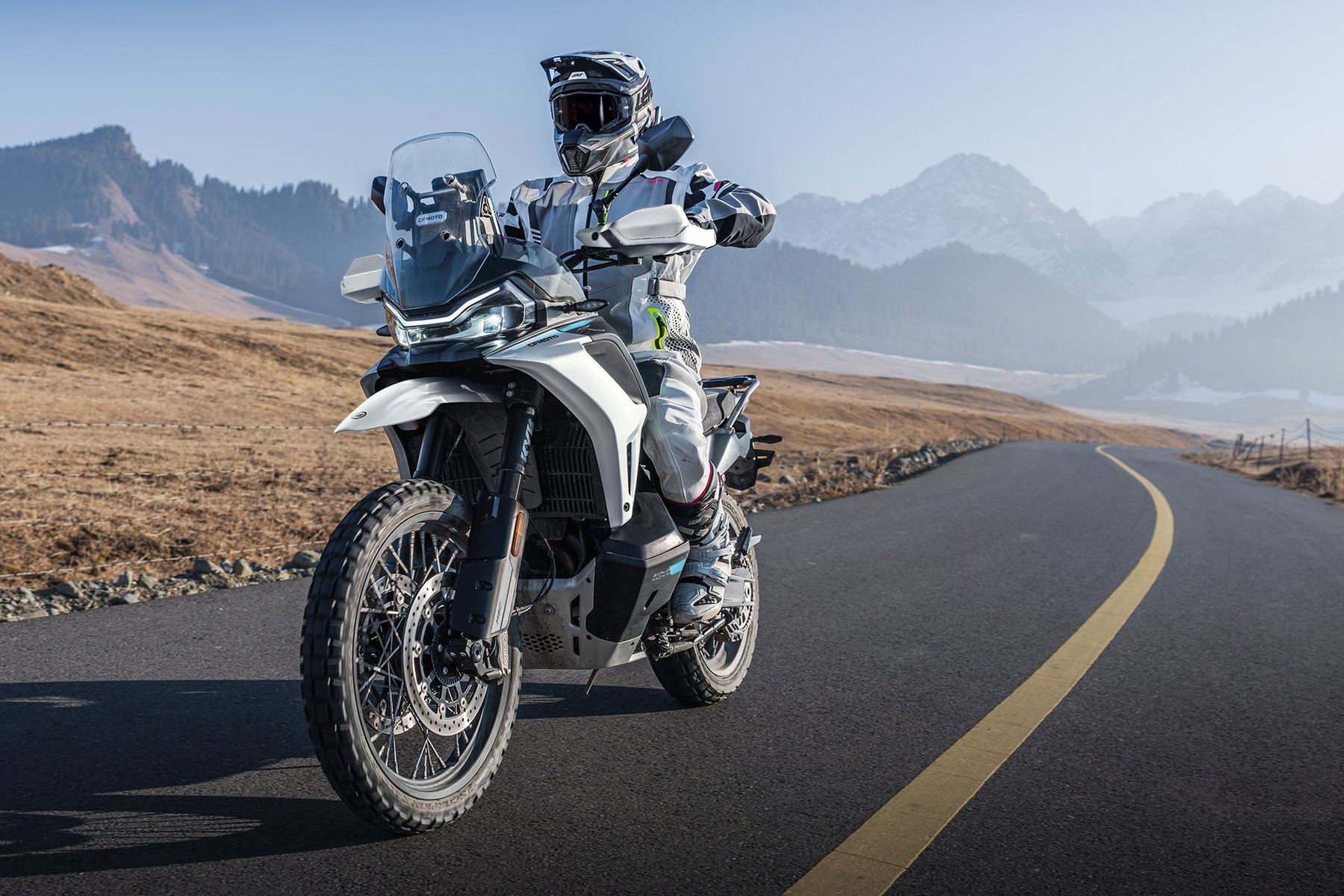
CFMoto currently competes in the Moto2 and Moto3 classes, while Brembo supplies braking systems across MotoGP, Moto2, and Moto3. This shared racing experience is now expected to benefit the production lineup as well. The move fits into CFMoto’s broader strategy of pushing its model range toward higher-value motorcycles and building international recognition. Examples of this direction include the V4 SR-RR prototype project and large-capacity models such as the 1000MT-X.
What does the collaboration cover beyond brakes?
Beyond technology, the partnership extends to racing activities, brand development, and young talent support. Brembo becomes a strategic partner of the so-called CFMOTO Talent Project.
According to both brands, the goal of this program is to support the next generation of Chinese racers. This makes the agreement broader than a pure technology partnership, bringing together production development, motorsport, and training under one roof.
Why is Brembo so important to motorcycle manufacturers?
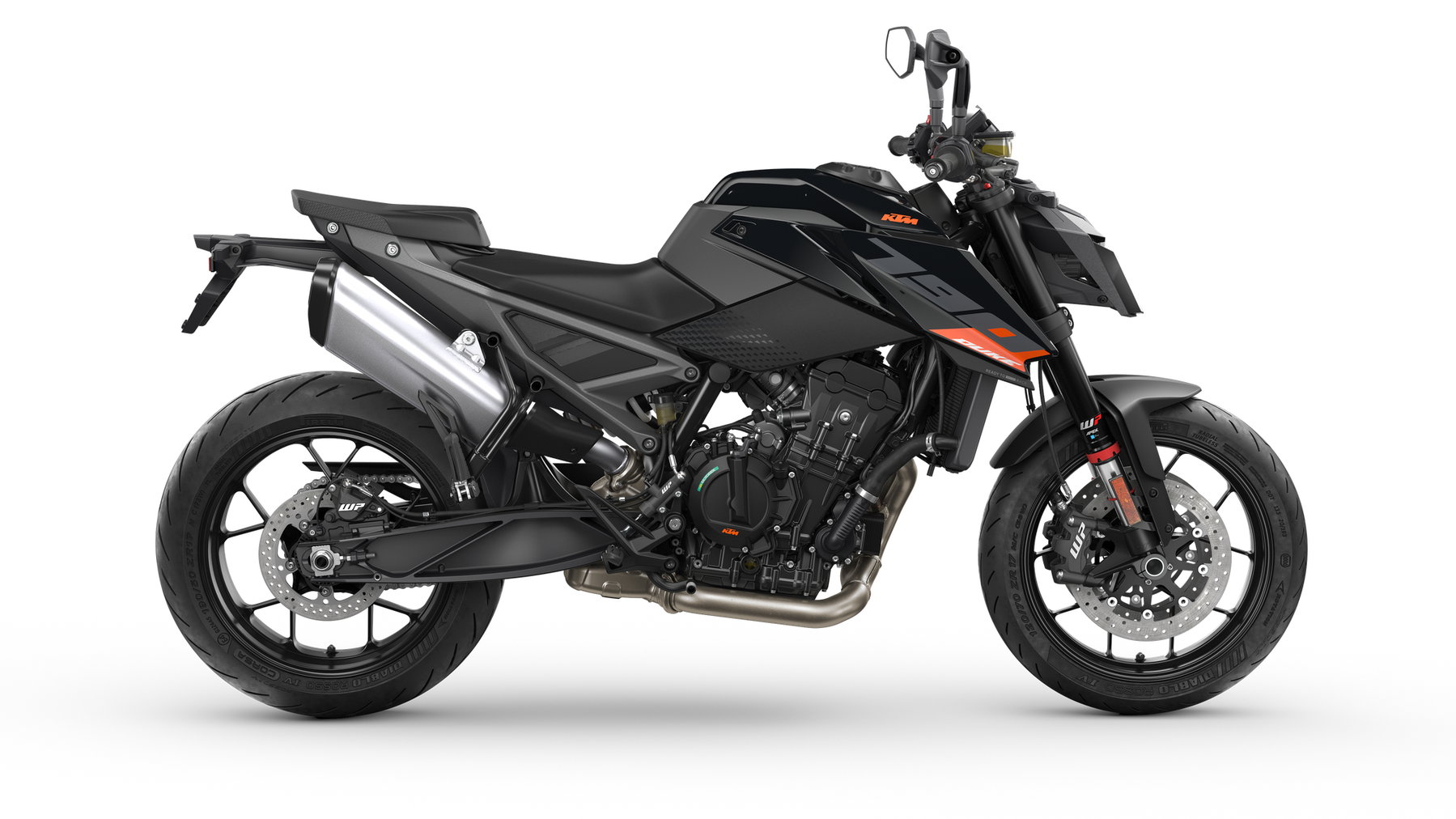
Brembo is regarded as one of the industry’s most important brake suppliers, with many premium-equipped motorcycles relying on its components. A well-known exception is KTM, which now fits many of its models with brakes from its own subsidiary WP.
KTM confirmed this direction earlier this year, visible for example on the 2027 790 Duke with WP brakes. Against this backdrop, CFMoto’s move is a clear signal of how seriously the manufacturer is taking braking performance as its motorcycles continue pushing into the mid- and large-capacity segments. The Brembo Group today covers a whole range of brands and technologies around brakes and chassis, including Brembo, ByBre, J.Juan, AP Racing, SBS Friction, Marchesini, and Öhlins.
Who are CFMoto and Brembo?
CFMoto was founded in 1989 in Hangzhou, China, and is now active in more than 100 countries and regions. Brembo was established in 1961 in Bergamo, Italy, and employs around 16,000 people across 18 countries.
CFMoto’s range spans motorcycles, ATVs, and electric mobility products through to individual core components. Brembo, for its part, reported revenue of 3.7 billion euros (around 4.2 billion US dollars) for 2025. For CFMoto, the CFMoto-Brembo partnership is another building block in its effort to establish itself as a provider of premium motorcycles with a global outlook.
Frequently Asked Questions
-
What does the CFMoto-Brembo partnership involve?
The CFMoto Brembo partnership is a long-term strategic collaboration for the joint development of braking systems. It also includes racing activities, brand development, and young talent support, making it broader than a simple supply agreement.
-
Which models does the collaboration apply to?
The collaboration applies to future CFMoto models in the mid- and large-capacity segments. Smaller models are not explicitly mentioned in the agreement.
-
Will CFMoto use racing-derived brake technology in future?
Yes, the partnership opens the door for racing-derived brake technology to reach larger production models. CFMoto and Brembo already work together in Grand Prix racing, with CFMoto competing in Moto2 and Moto3 and Brembo supplying brakes across MotoGP, Moto2, and Moto3.
-
Why doesn’t KTM use Brembo brakes anymore?
KTM now fits many of its models with brakes from its own subsidiary WP. This shift was confirmed earlier this year and is visible, for example, on the 2027 790 Duke.