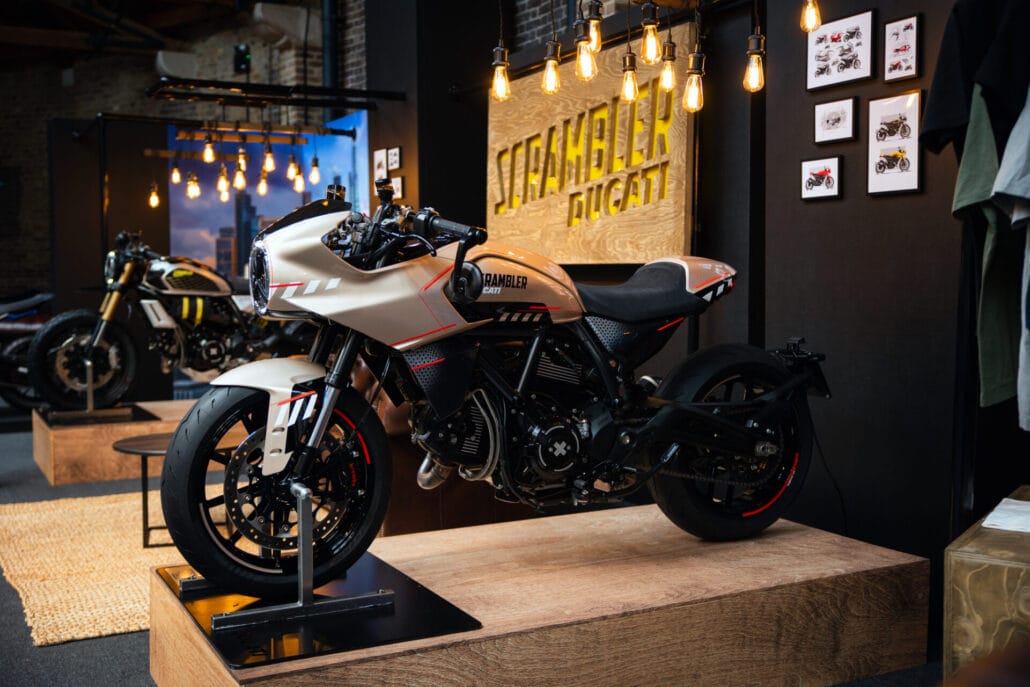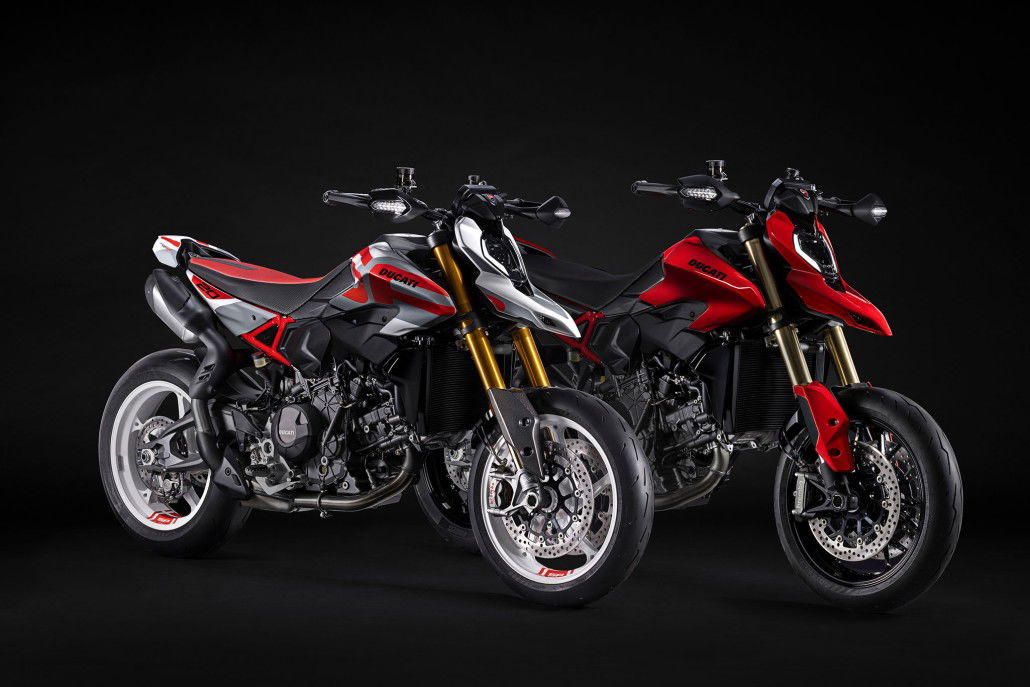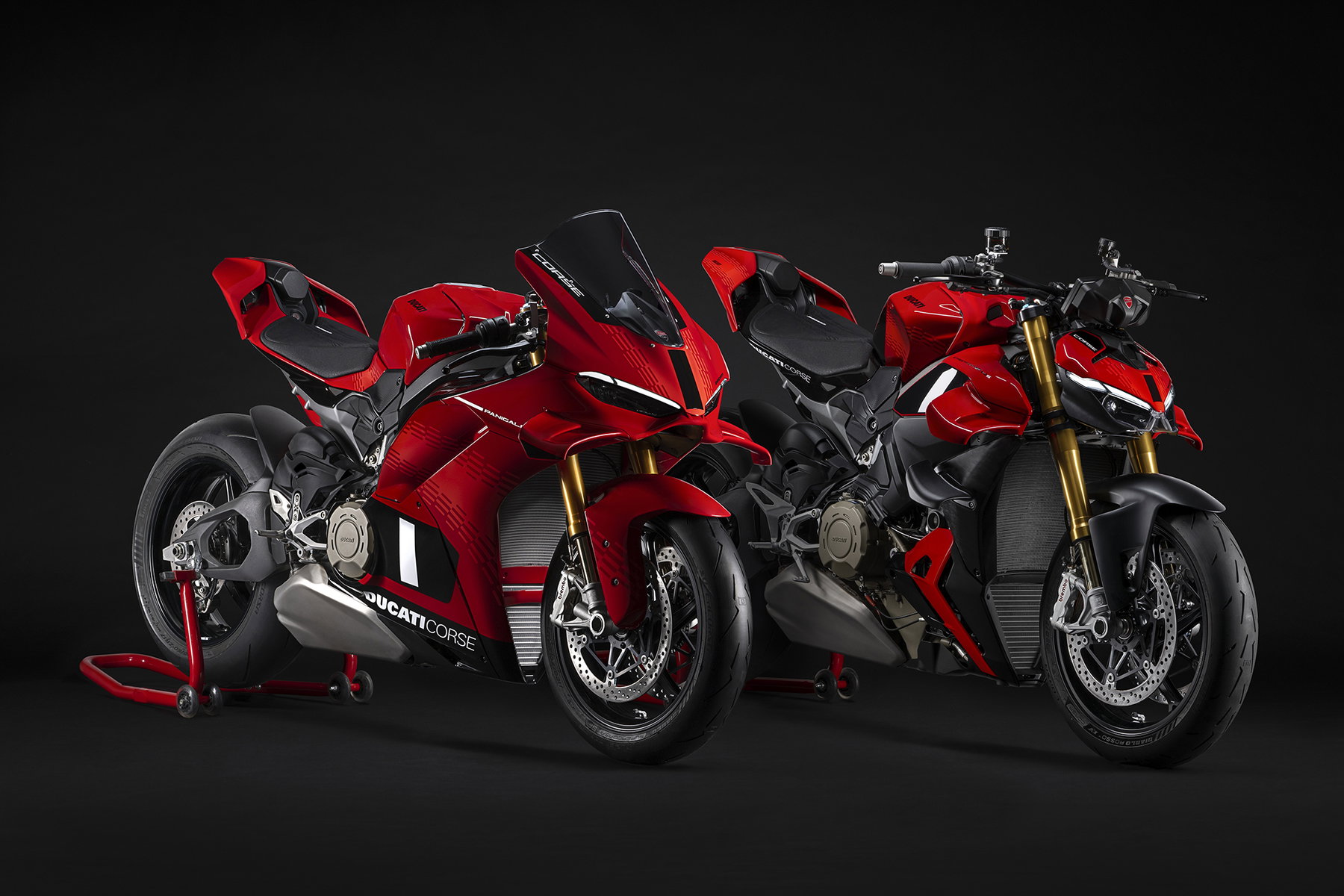
- Total volume of the “Ducati Raise the Bar” programme: 121 million euros (around 139.8 million US dollars)
- More than 99 million euros (around 114.4 million US dollars) go into industrial research and experimental development
- Non-repayable grant from the ministry: 33.5 million euros (around 38.7 million US dollars)
On 5 August 2026, Italy’s Minister for Enterprise and Made in Italy, Adolfo Urso, authorised the state agency Invitalia to sign a development contract with Ducati. Behind it stands an investment programme by the manufacturer from Borgo Panigale with a total value of 121 million euros. The timing is notable, because Ducati is coming out of a financial year with clearly declining figures and has been at the centre of speculation about a possible change of ownership for months.
What is behind the “Ducati Raise the Bar” programme?
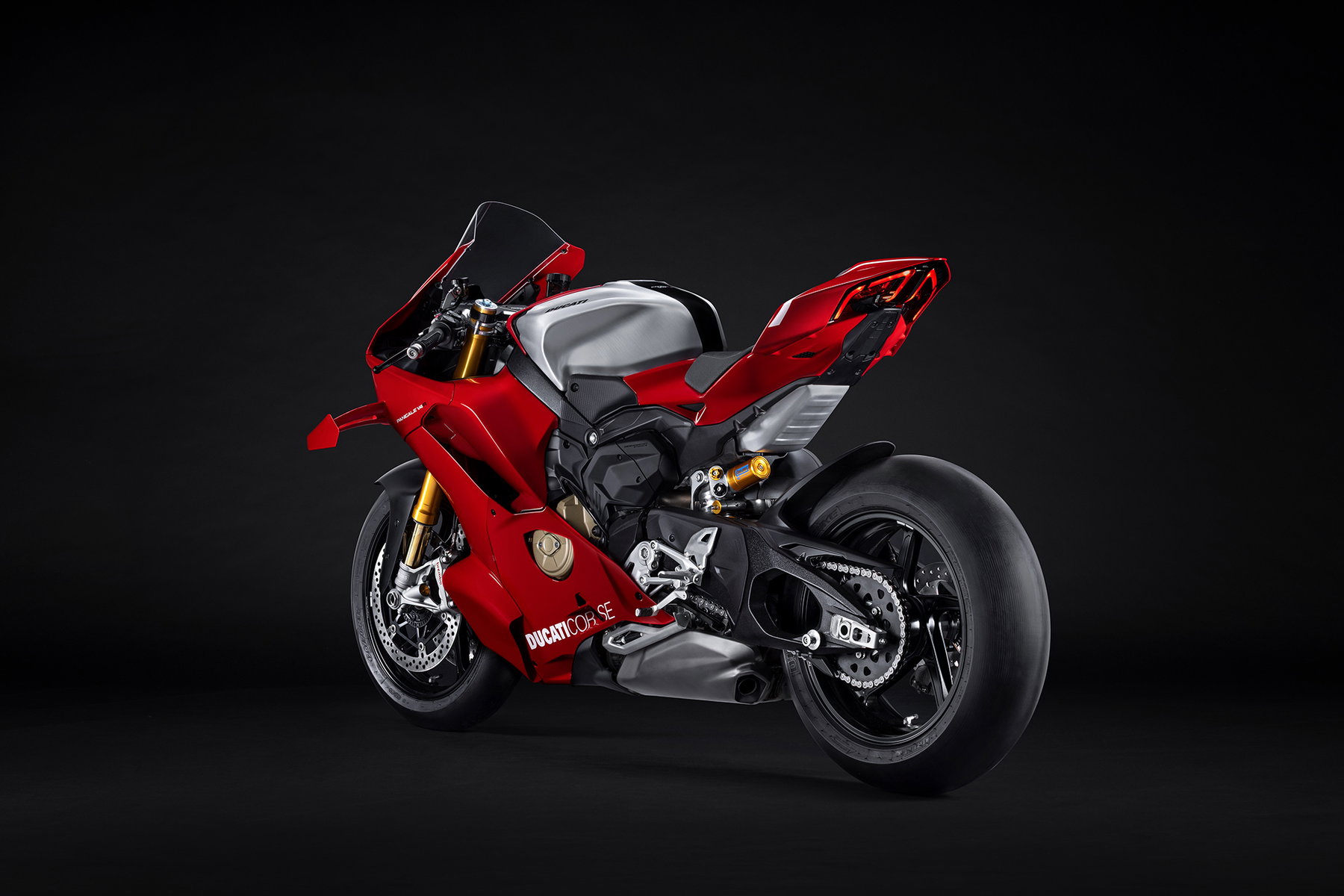
“Ducati Raise the Bar” is an investment programme focused on research, development and the production processes at the plant. According to the ministry, the emphasis lies on building specialist expertise within the company.
By far the largest share of the sum goes to two areas: industrial research and experimental development. Together they account for more than 99 million euros (around 114.4 million US dollars). Industrial research means work on new technical fundamentals, while experimental development covers turning those findings into concrete prototypes and processes.
The ministry names two goals explicitly. First, the model range is to be expanded, using technologies described as innovative and sustainable. Second, manufacturing processes are to be developed further. Which models or which specific technologies are meant is not stated in the announcement.
Who pays the grant and how does the procedure work?
The grant is paid by the Italian Ministry for Enterprise and Made in Italy and handled through the state agency Invitalia. It amounts to 33.5 million euros (around 38.7 million US dollars) and is explicitly earmarked for research and development.
The instrument is called Accordo di sviluppo, meaning development contract. It is an Italian funding format for larger industrial projects. Invitalia is the state agency for investment promotion and reports to the Ministry of Economy. The minister grants approval, the agency signs the contract with the company.
Important for context: this is a non-repayable grant, not a loan. Ducati therefore does not have to pay the money back, provided the funded activities are carried out as agreed. The announcement contains no details on the duration of the programme or on a timetable.
Why does the funding come precisely now?
Ducati lost noticeable ground on revenue and earnings in 2025, which explains the need for fresh capital for development projects. Revenue fell to 925 million euros (around 1.07 billion US dollars), after 1.003 billion euros (around 1.16 billion US dollars) in 2024.
The decline in operating profit was even sharper. It stood at 52 million euros (around 60.1 million US dollars) compared with 91 million euros (around 105.1 million US dollars) the year before. The operating margin thus slipped from 9.1 to 5.6 percent.
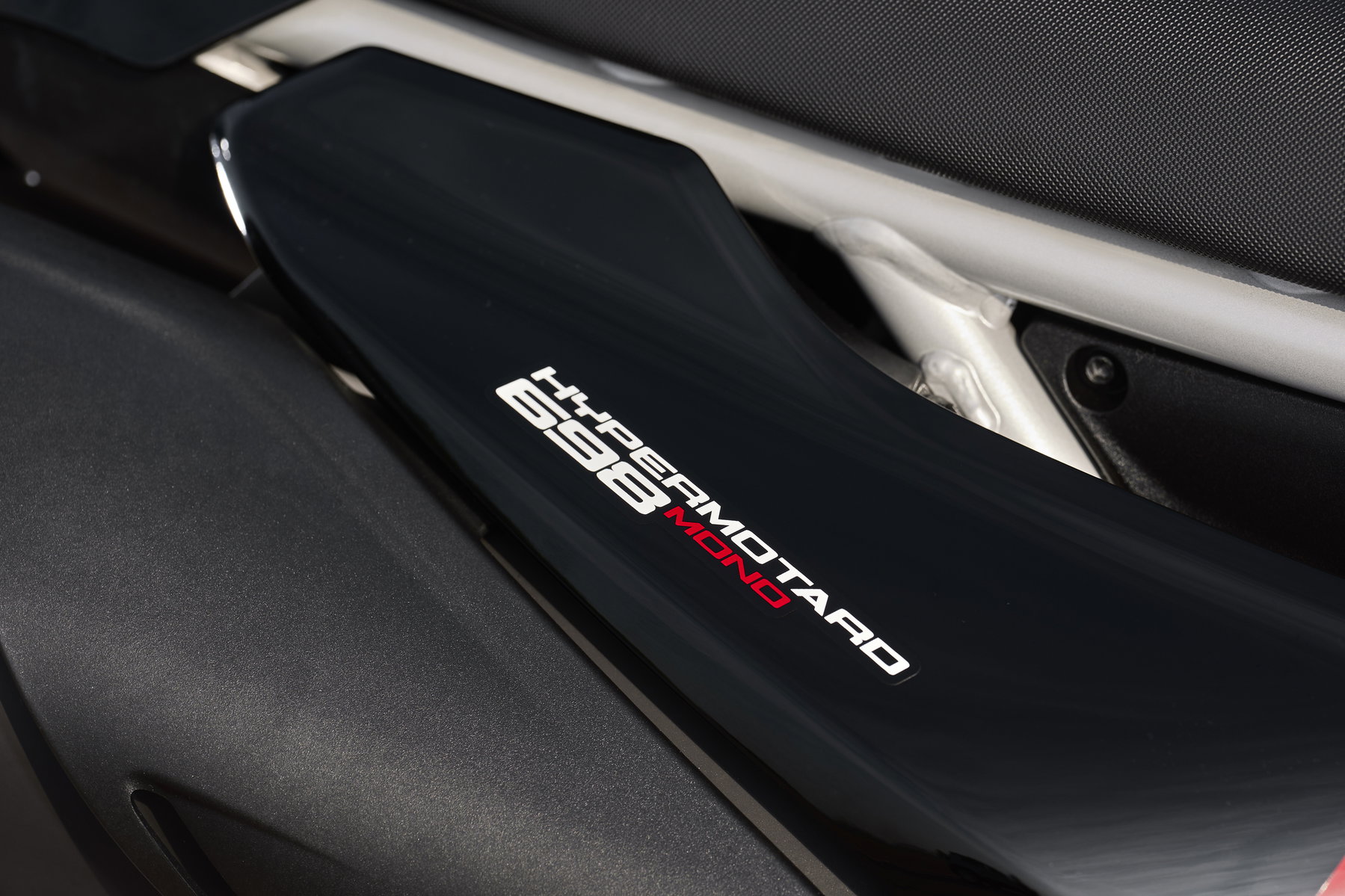
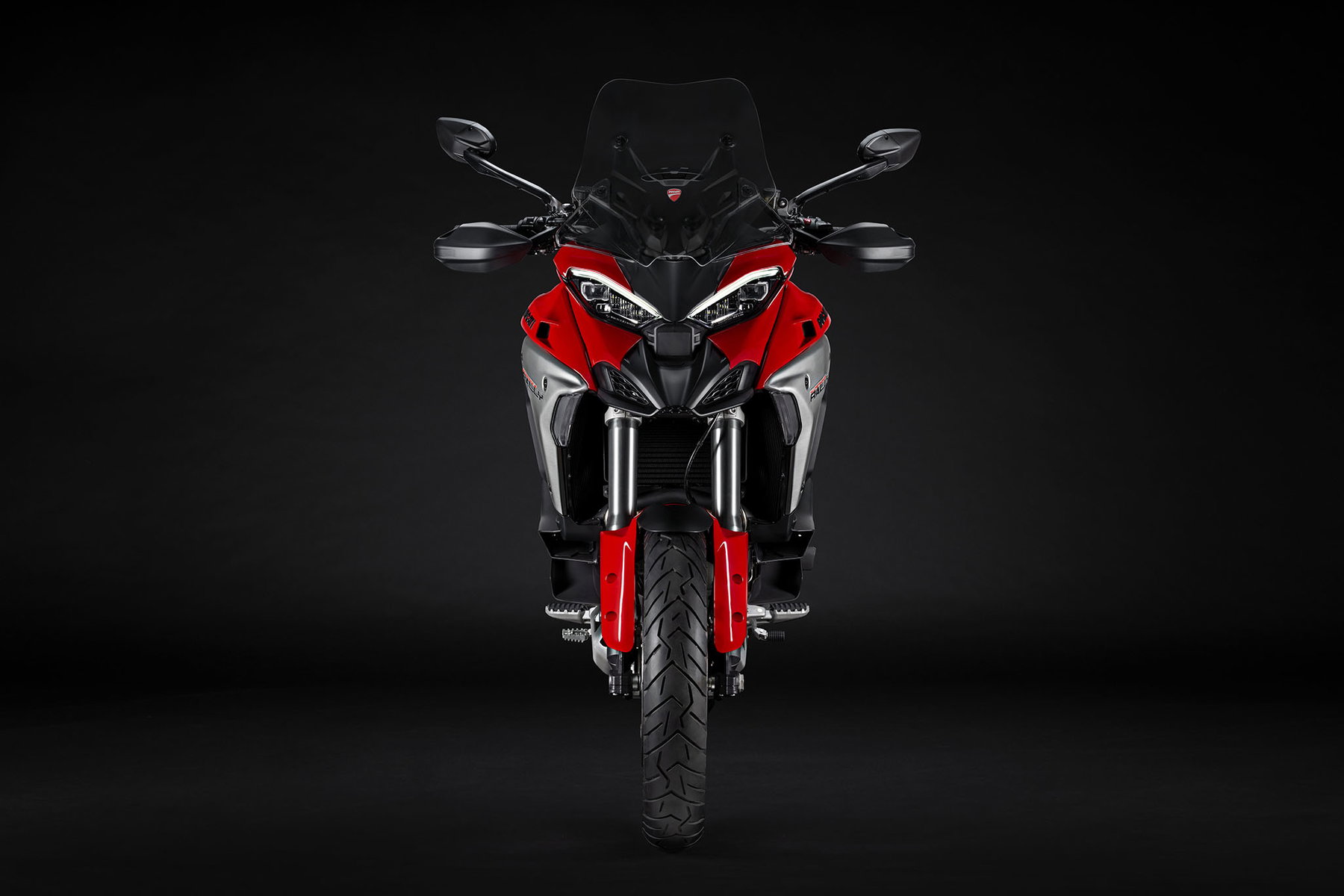
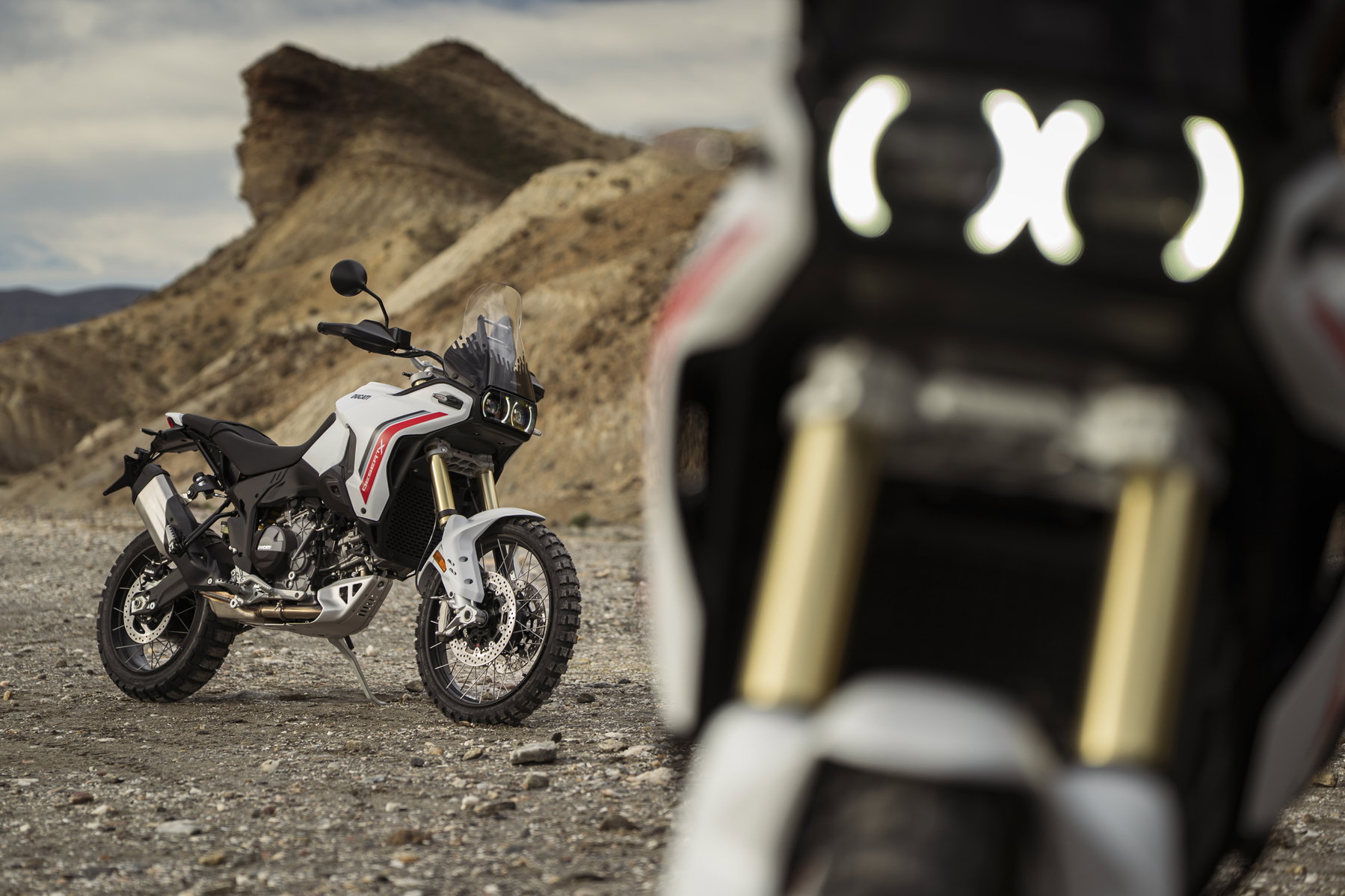
The company names several reasons. Tariffs in the United States, which Ducati describes in its financial statement as its most important market, weighed on the result, as did unfavourable exchange rates for the US dollar and the yen. On top of that came the switch to the Euro 5+ emissions standard, which made the Monster, the Hypermotard and the DesertX temporarily unavailable. Those models returned in early 2026 with the new V2 engine.
Company head Claudio Domenicali framed the year in the financial statement as follows: “2025 was a demanding year for the sector, and Ducati too felt the effects of a weakening market.” Finance chief Henning Jens pointed out that the core market had collapsed by a double-digit figure and that Ducati had nevertheless gained market share in this environment.
How have Ducati’s sales developed recently?
Ducati delivered 50,895 motorcycles worldwide in 2025, a drop of seven percent compared with the 54,495 units of the previous year. It is the third decline in a row.
A look at the longer series shows the development more clearly. In the pandemic year of 2020, 48,042 motorcycles were sold, in 2021 it was 59,447, and 2022 marked the manufacturer’s historic peak with 61,562 units. Since then the curve has been pointing downwards.
By unit numbers Italy remains the largest single market with 8,803 deliveries, a drop of eight percent. The USA follow with 7,268 units and a gain of four percent, Germany ranks third with 5,759 motorcycles, where sales fell by twelve percent. Ducati grew in Spain by 15 percent, in Austria by 14 percent and in Japan by eleven percent. In China, by contrast, sales collapsed by 31 percent, after an already 26 percent drop the year before.
The best-selling model line remained the Multistrada with 13,873 deliveries, followed by the Panigale with 10,606 and the Scrambler with 5,814 units. Newly added is the off-road segment, which started with the Desmo450 MX in the final three months of the year.
What does the programme mean for the Emilia-Romagna region?
The ministry justifies the funding explicitly with the strategic value of the project for Emilia-Romagna. The region is regarded as the core of the so-called Motor Valley, home to numerous vehicle manufacturers and suppliers.
From the authority’s point of view, the programme is meant to have an effect beyond Ducati. It names impulses for the entire Italian supply chain and the build-up of advanced technical skills in the country. The announcement contains no concrete commitments on jobs or new hires.
What role does owner Volkswagen play?
Ducati Motor Holding belongs entirely to Automobili Lamborghini, whose sole shareholder is Audi. Audi in turn belongs to the Volkswagen Group, to which Ducati has belonged since 2012.
The parent company is itself under pressure. In the second quarter of 2026, net profit fell by 32.9 percent to 1.54 billion euros (around 1.78 billion US dollars), operating profit dropped by ten percent, and the operating margin slipped from 4.7 to 4.2 percent. Volkswagen subsequently lowered its forecast for the full year.
Against this background, reports about a possible sale of Ducati have been circulating for months, and later there is said to have been a takeover offer as well. Volkswagen has neither confirmed nor denied these reports. Domenicali pushed back against the speculation in a newspaper interview and stressed the manufacturer’s economic independence: “Ducati non ha bisogno di supporti da parte della casa madre, siamo totalmente self standing.” Translated: “Ducati does not need any support from the parent company, we stand entirely on our own feet.” State funding for research and development fits into that line of argument, even if a direct connection between the two matters is not documented.
Ducati in its anniversary year 2026
The programme falls into a year that is special for the manufacturer anyway. Ducati is celebrating its hundredth anniversary in 2026, counted from its founding in 1926. A highlight of the celebrations was World Ducati Week, held from 3 to 5 July at the Misano World Circuit Marco Simoncelli.
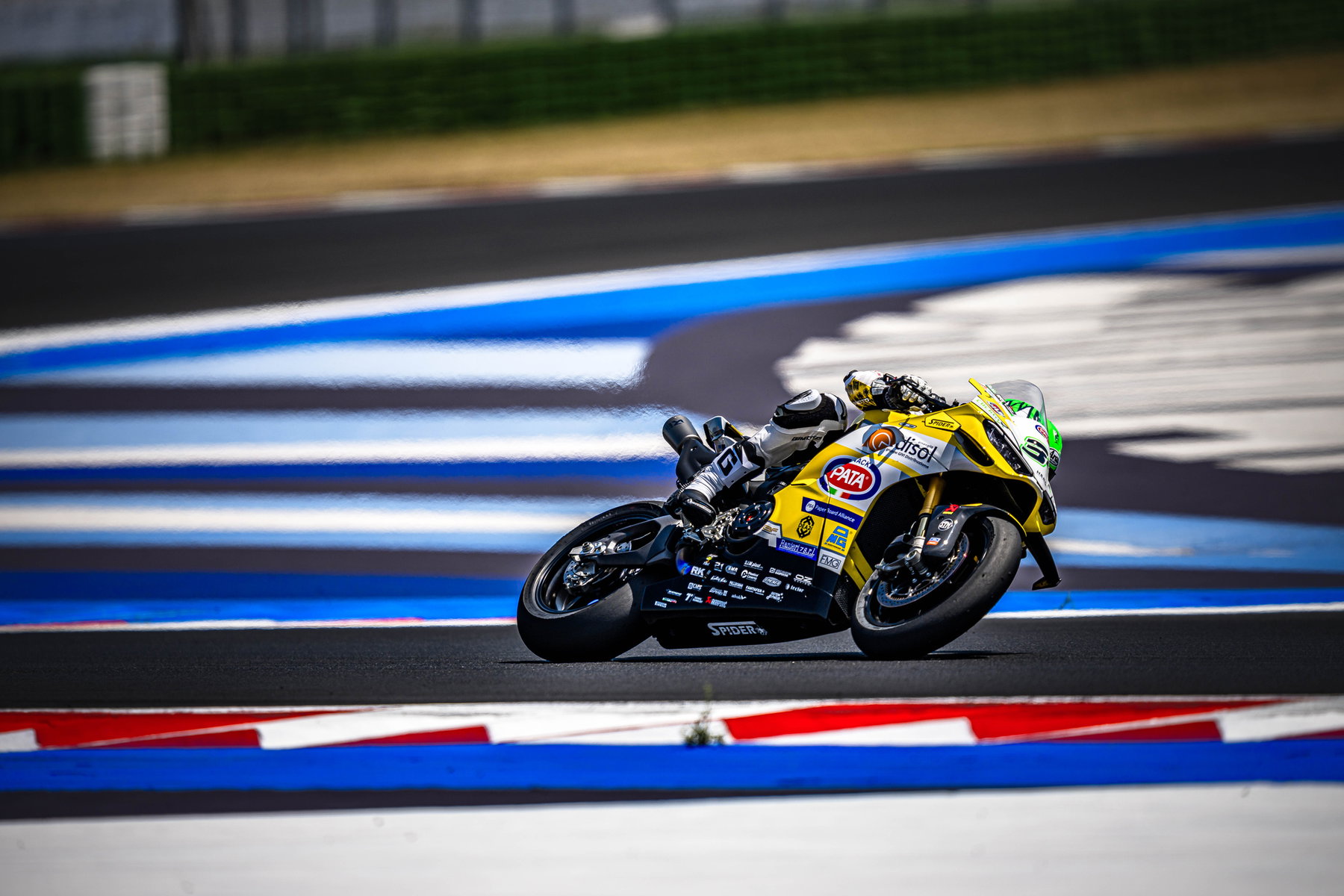
On the sporting side, Ducati enters the season as reigning MotoGP world champion, for the fourth time in a row. In the Superbike World Championship the brand took its 21st manufacturer title in 2025. In off-road sport, the debut in the 2026 AMA Supercross series was added most recently, along with the entry into the MX2 World Championship. For 2026 the model range was renewed across all families, complemented by the Ducati Factory Made programme, which allows individualisation directly on the production line in Borgo Panigale.
Frequently Asked Questions
-
How much money is in Ducati Raise the Bar?
The programme has a total volume of 121 million euros (around 139.8 million US dollars). Of that, more than 99 million euros go to industrial research and experimental development. The remainder consists of further investments in technology and production.
-
How large is the state grant for Ducati?
The grant amounts to 33.5 million euros (around 38.7 million US dollars) and does not have to be paid back. It comes from the Italian Ministry for Enterprise and Made in Italy and is intended exclusively for research and development.
-
How many motorcycles did Ducati sell in 2025?
Ducati delivered 50,895 motorcycles worldwide in 2025, seven percent fewer than the previous year with 54,495 units. The best-selling model line was the Multistrada with 13,873 deliveries. Sales thus declined for the third year in a row.
-
Who owns Ducati?
Ducati Motor Holding belongs entirely to Automobili Lamborghini, which in turn is assigned to Audi and thus to the Volkswagen Group. The manufacturer joined Volkswagen in 2012. Reports about a possible sale have so far been neither confirmed nor denied by the group.