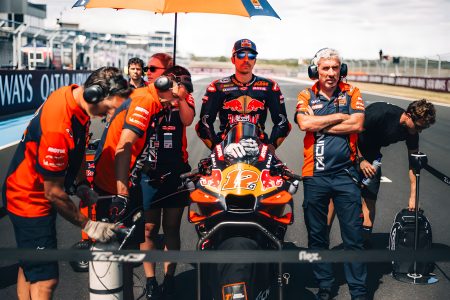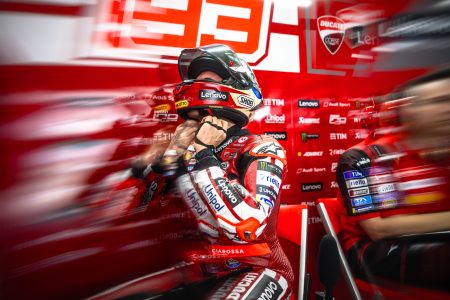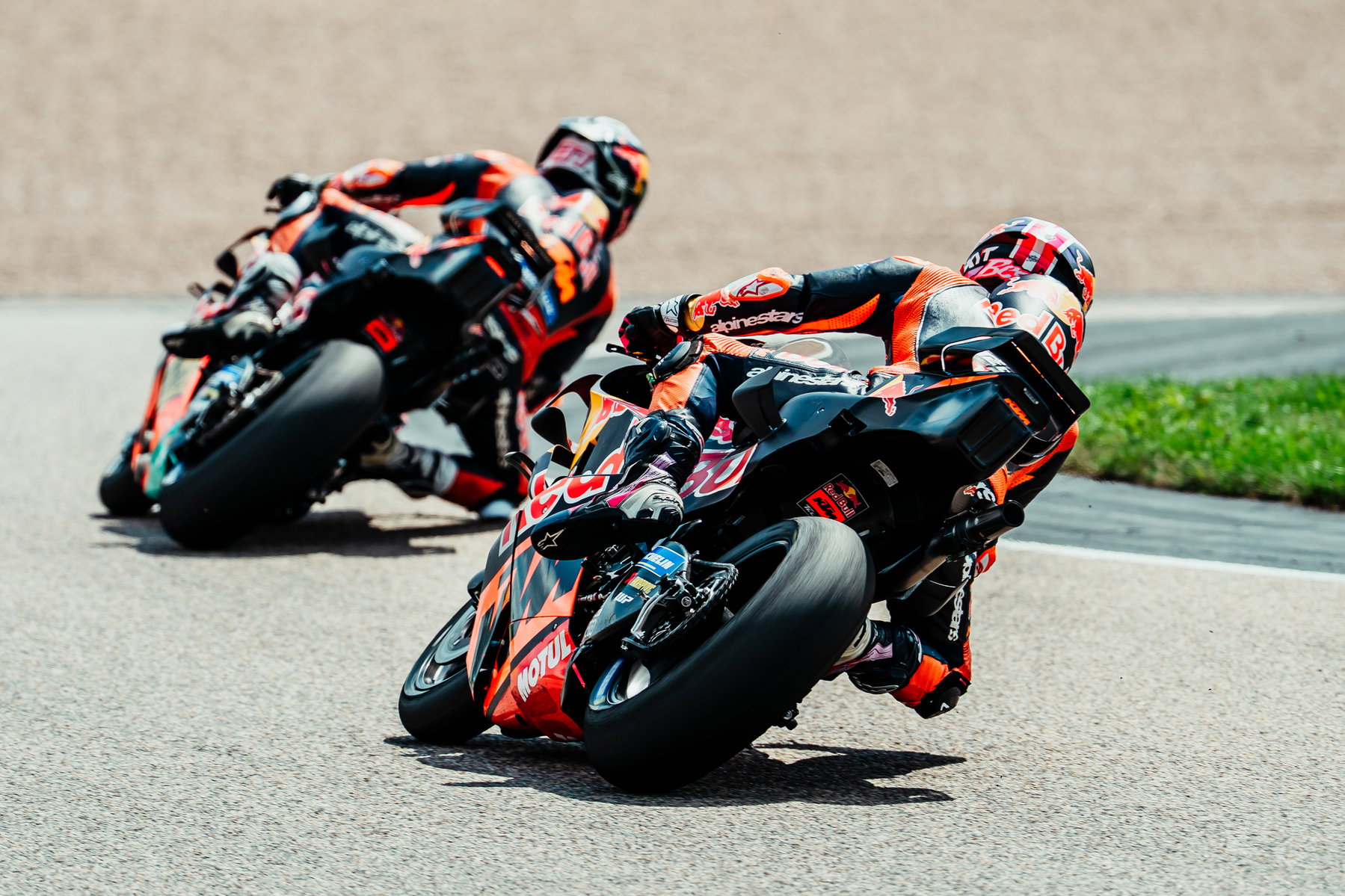
- Beirer says some engines can no longer be used for safety reasons
- The engine freeze allows changes only with the consent of every other manufacturer
- Of the four rivals, only Aprilia has given the green light so far
The first half of the 2026 MotoGP season has brought KTM a string of technical failures unlike anything the manufacturer from Mattighofen has experienced before. Clutch damage, malfunctioning ride-height devices, and above all engines that cut out without warning: the RC16 has become a problem child. After the German Grand Prix at the Sachsenring, Motorsport Director Pit Beirer has now confirmed what had long been discussed in the paddock. The problem lies inside the engine, it remains unsolved, and KTM cannot fix it alone.
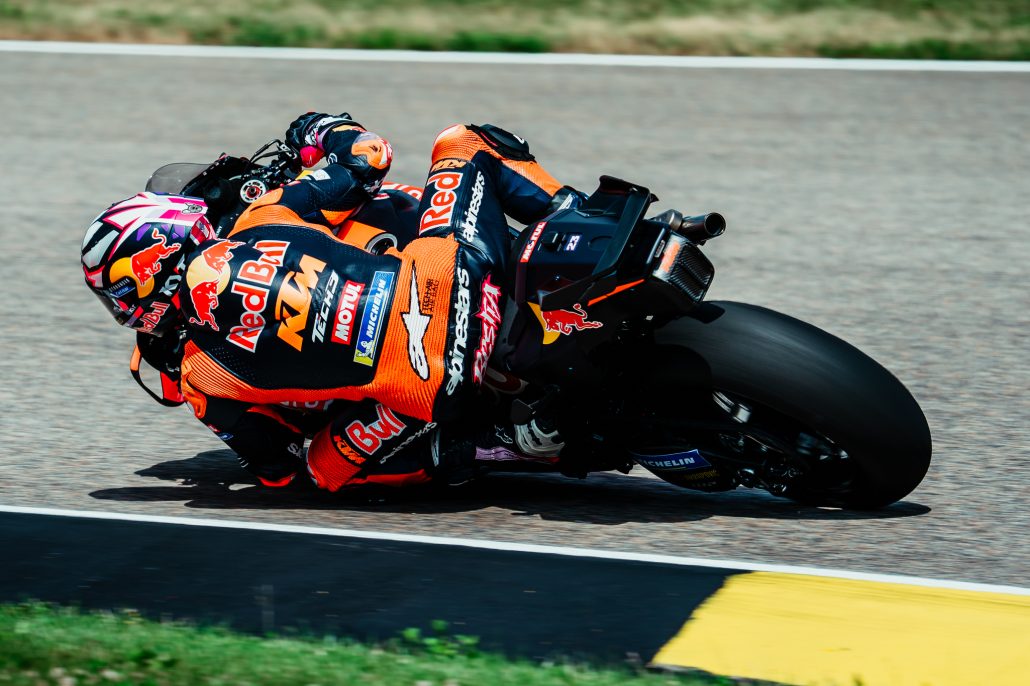
What exactly is wrong with the KTM RC16 engines?
KTM does not yet know for certain where the fault lies. Beirer speaks of a risk coming from certain components, and of engines the factory no longer uses at all for safety reasons.
Speaking to Sky Italia, Beirer said: “The situation is not easy, there is something wrong inside our engines. We know there’s still this risk with some parts. There is a problem, and we have to solve it; there are engines we cannot use also for safety reasons. We must use the summer break for this.”
The uncertainty is nothing new. As early as late May, Beirer admitted that the factory was struggling to find the fault. At the time, he said all the components fitted were new and every precaution had been taken. The engines have been homologated since the first race of 2025 and demonstrably consist of the same components. There is therefore, in principle, no reason why these parts should suddenly start causing problems. That is exactly the core of the mystery: an engine that worked for two years is now failing repeatedly in its third season.
How did Alex Marquez’s serious crash in Barcelona happen?
In Barcelona, Acosta’s RC16 cut out at one of the fastest points on the circuit while the Spaniard was leading the race. Alex Marquez, following in his slipstream, ran into the back of him, causing one of the most serious crashes in recent MotoGP history.
The Catalan Grand Prix in May was a black day for KTM regardless. No fewer than three motorcycles had technical problems: Brad Binder was already struggling with his clutch at the start, Enea Bastianini rolled to a stop during the race, and the fault on Acosta’s machine triggered the collision. Friday practice for the Italian Grand Prix brought more of the same, with Binder stopping twice. That added up to five failures in just three MotoGP sessions.
At the time, Beirer called it a disaster and openly admitted: “We are definitely concerned about this. We have never experienced technical problems with such frequency in such a short time at KTM.” Regarding Acosta’s failure, he explained that it had been an electronic issue that still needed to be analyzed in detail. The team had already been able to simulate the fault and take countermeasures, but the cause had not yet been established.
In Assen, the pattern repeated itself. Acosta’s machine cut out several times; this time a sensor problem was blamed, apparently linked to riding over the curbs.
Why can’t KTM simply open up the engines?
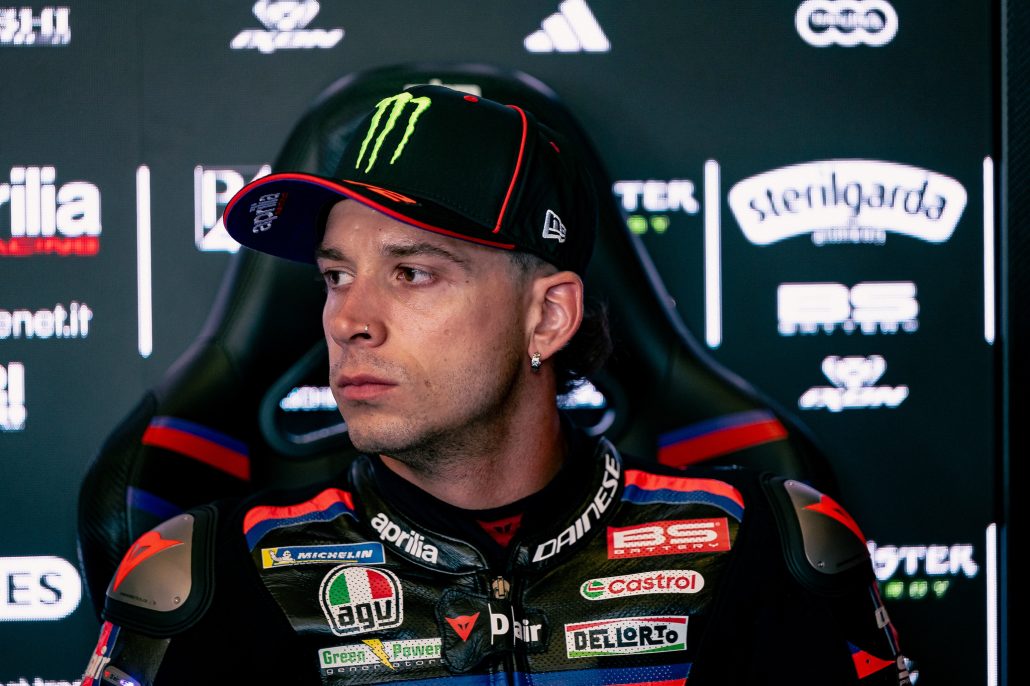
KTM is subject to MotoGP’s engine freeze and must seal its engines before the first race of the season. The manufacturer may only open them with the consent of every other factory.
The background is a rulebook that was actually meant to save costs. Because new 850cc engines are arriving from 2027, development of the current 1000cc engines for Aprilia, Ducati and KTM has been frozen since the start of the 2025 season. Honda joined the list after moving up the concessions system for 2026. Only Yamaha, still in concession rank D, is allowed to freely continue developing its engines.
Manufacturers above rank D must deposit an identical reference engine with IRTA’s technical direction before the first race, so that components can be compared at any time. Once an engine is sealed, it may not be opened or disassembled without the consent of every member of the manufacturers’ association MSMA. Changes to internal components are only permitted if a manufacturer can demonstrate verifiable safety or cost reasons. That is exactly the card Beirer is now playing.
Which manufacturers are standing in the way?
Of the four rivals, only Aprilia has agreed so far. According to media reports, Ducati, Honda and Yamaha have so far refused their approval.
Several conversations reportedly took place over the Sachsenring weekend, in which KTM lobbied for support. In the end, only one factory gave the green light. Beirer publicly thanked the people responsible from Noale: “I want to thank Fabiano Sterlacchini and Massimo Rivola of Aprilia who are helping us.” Sterlacchini is technical director, Rivola CEO of the Aprilia racing project.
The reluctance of the other manufacturers has an obvious reason. The championship is tight, and the number of engines per rider and season is limited. A special permit could give KTM an advantage in the eyes of the competition. There is a precedent: Yamaha was granted permission to work on its engines in 2020. Back then, however, the cause was known — it involved a supplier’s valves whose dimensions had changed minimally. With KTM, it is not even clear yet what the technicians are actually looking for. Because the problem only appeared in 2026, a manufacturing or material defect in the current production batches is considered the most likely explanation.
How has KTM responded in the short term?
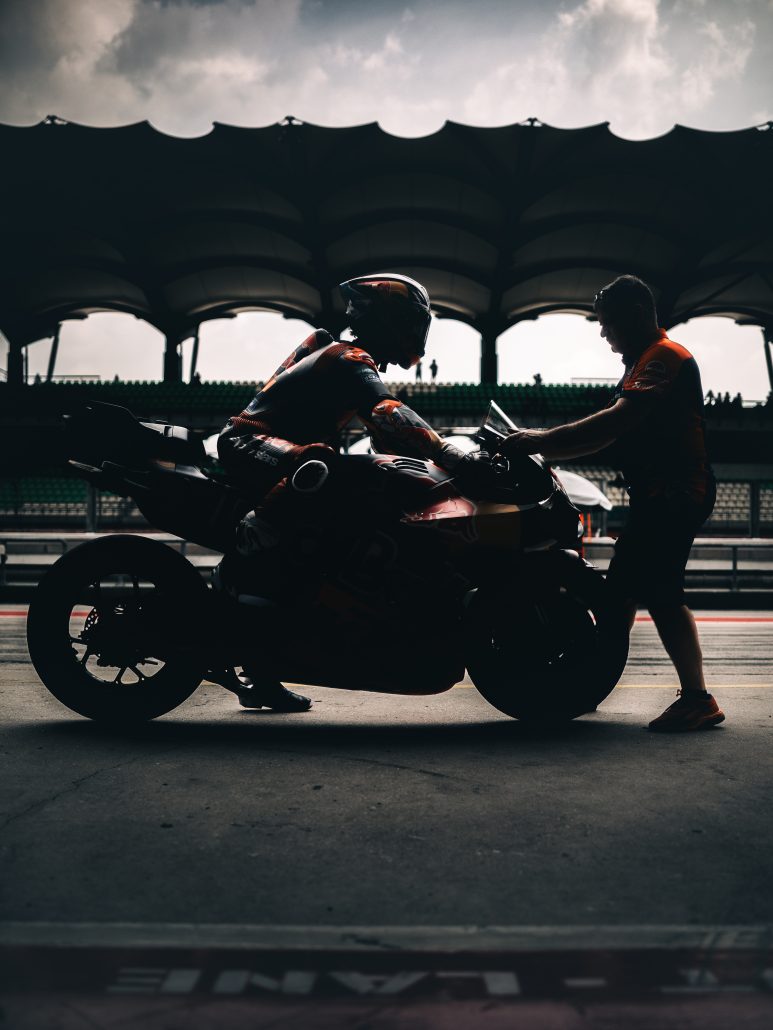
KTM is reported to have reduced engine output to avoid further failures. The approach worked at the Sachsenring, with the weekend passing without any noticeable technical problems.
The price for that, however, is a sporting one. Taking out power costs lap time. Acosta, who made a spectacular start to the season with a sprint win in Buriram, has reportedly since dropped back to seventh in the championship standings. There is also a safety aspect that goes beyond KTM itself: anyone riding in the slipstream of an RC16 has to reckon with the machine suddenly slowing down in front of them. Alex Marquez’s crash showed how quickly that can escalate.
Red Bull’s continued backing despite the crisis
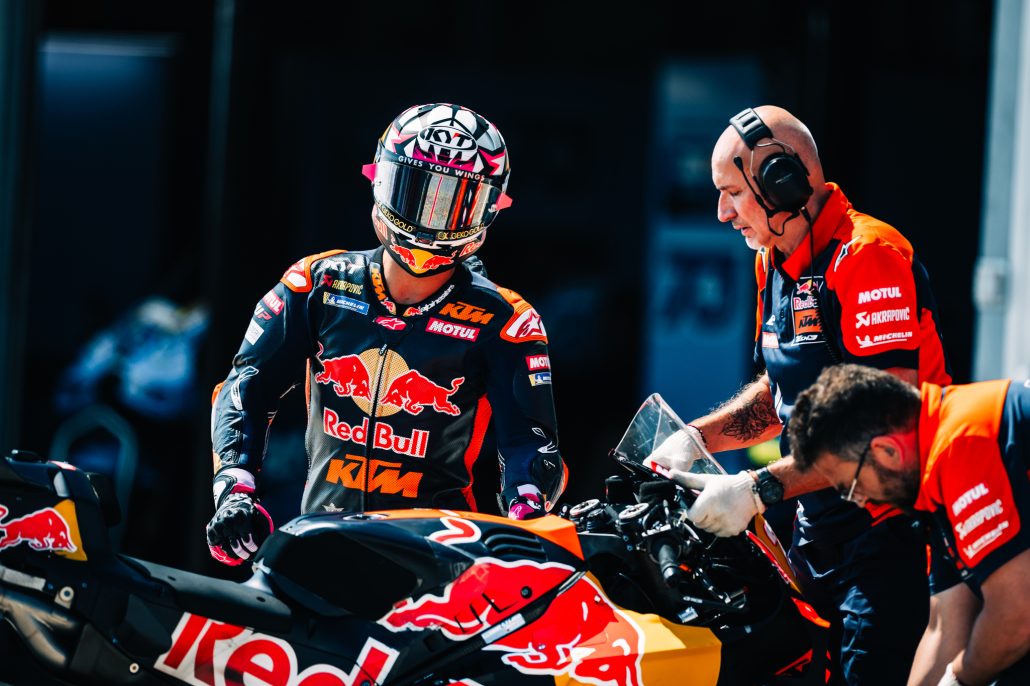
Alongside the technical crisis, there is also good news for KTM. Red Bull has extended its contract, so the MotoGP machines will continue to carry the familiar logo and livery from 2027 onward as well. KTM had only recently committed to remaining in the premier class for at least five more years.
The relationship between the two Austrian brands goes back around a quarter of a century and spans motocross, supercross, enduro, the Dakar Rally and rally racing. MotoGP has been part of it since 2017. There have already been titles in Moto3 and Moto2, while in the premier class the RC16 currently has seven wins and 38 podium finishes to its name — a world championship title is still missing.
Beirer sums up the partnership like this: “Red Bull and KTM just go together. It has been a great partnership for so long and is much more than just the colors of the bikes.” He emphasizes that Red Bull supports the factory both at the track and behind the scenes, and that there is still a lot to achieve together.
What does this mean for the second half of the season?
The summer break will determine whether KTM can compete in the second half of the season with a safe engine. Without the consent of the other manufacturers, the engines remain sealed and the cause remains in the dark.
That leaves KTM at an unusual point in the 2026 MotoGP season. The manufacturer has sorted out its rider line-up for 2027, secured its partnership with Red Bull, and made a clear commitment to the premier class. Yet the sporting value of all that hinges on one question KTM cannot answer alone: whether the competition is willing to break the seal.
Frequently Asked Questions
-
What exactly is the KTM MotoGP engine problem?
In the 2026 season, KTM is struggling with RC16 engines that shut down without warning. Motorsport Director Pit Beirer has confirmed that the cause lies inside the engines and has not yet been found. The factory no longer uses some engines at all for safety reasons.
-
Why isn’t KTM allowed to repair the MotoGP engines itself?
Because the engine specification for Aprilia, Ducati and KTM has been frozen since the start of the 2025 season. Sealed engines may only be opened with the consent of every member of the manufacturers’ association MSMA. So far, only Aprilia has agreed.
-
What role does Alex Marquez’s crash in Barcelona play?
At the Catalan Grand Prix in May, Pedro Acosta’s RC16 cut out at a very fast point on the track while he was leading the race. Alex Marquez, riding in his slipstream, crashed into him and suffered a serious crash. The incident is regarded as the clearest evidence that the defects pose a safety risk.
-
Has KTM reduced engine power?
According to media reports, KTM is said to have reduced engine output to prevent further failures. The Sachsenring weekend passed without technical problems. In sporting terms, however, the move has cost lap time.
-
Is Red Bull KTM staying in MotoGP?
Yes. Red Bull and KTM have extended their contract, so the MotoGP machines will continue to carry the familiar livery from 2027 onward. KTM had previously confirmed it would remain in the premier class for at least five more years.
➜ This article is part of our comprehensive overview: 2026 MotoGP Season: The Complete Overview – Teams, Riders, Calendar & Championship Standings. Find all key information on this topic in one place.