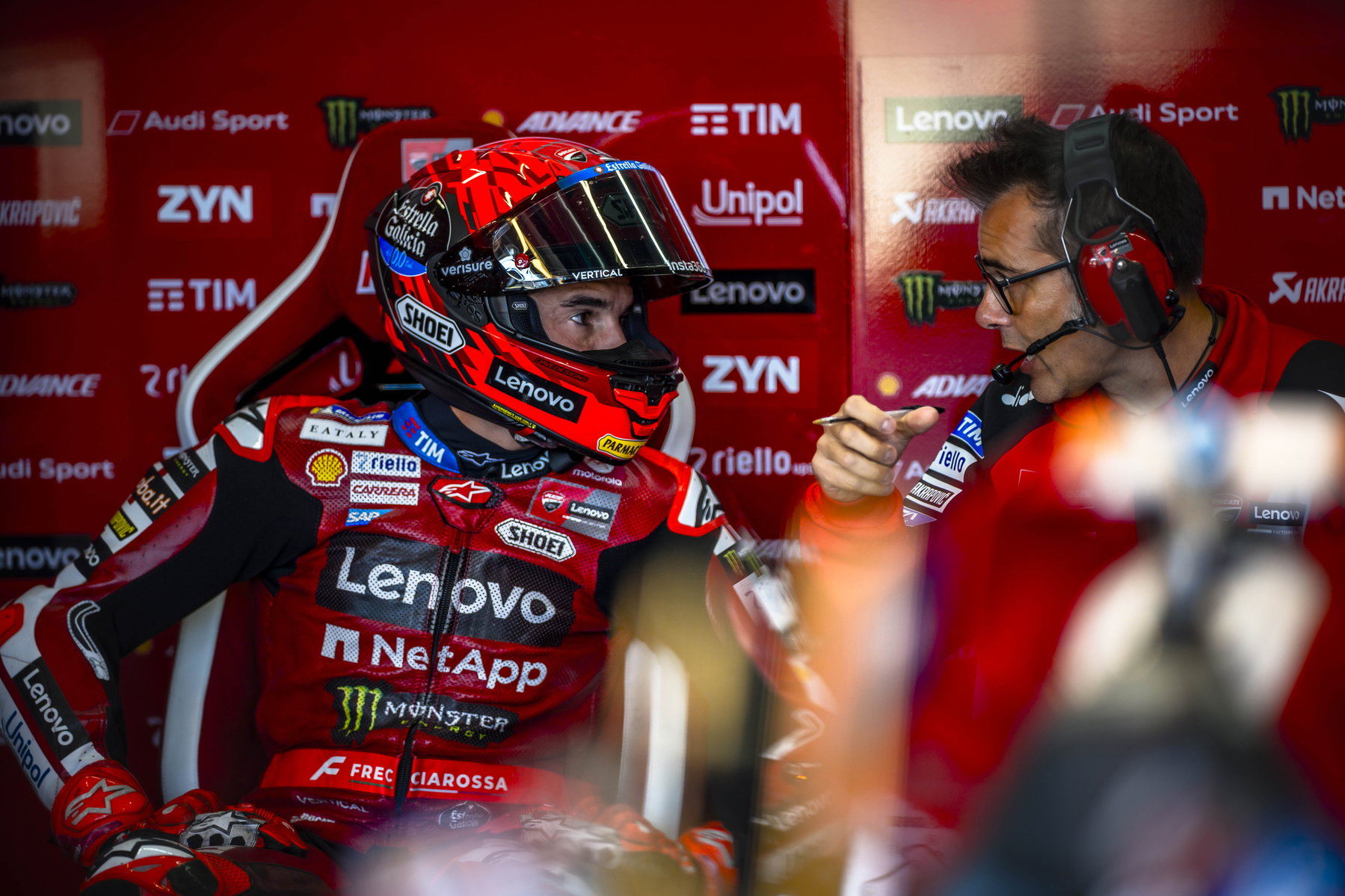
- Öhlins employs 14 technicians at its headquarters near Stockholm and another 13 directly at the race tracks
- According to Torstensson, Marquez is fast even when the setup is not right
- A shock absorber that was new at the time helped the Suzuki team around Joan Mir in 2020
Anyone who spends decades collecting suspension data from almost every MotoGP rider eventually gets a fairly precise read on those riders. Not as a fan, but from the perspective of an engineer who reads the numbers and listens to the riders as well. That is exactly the position Jonas Torstensson holds at Öhlins. He runs the racing division of the Swedish suspension manufacturer, and in an interview with a Spanish sports newspaper he agreed to a kind of test: who is the most sensitive rider, who is the most impetuous, and has a single component ever decided a title?
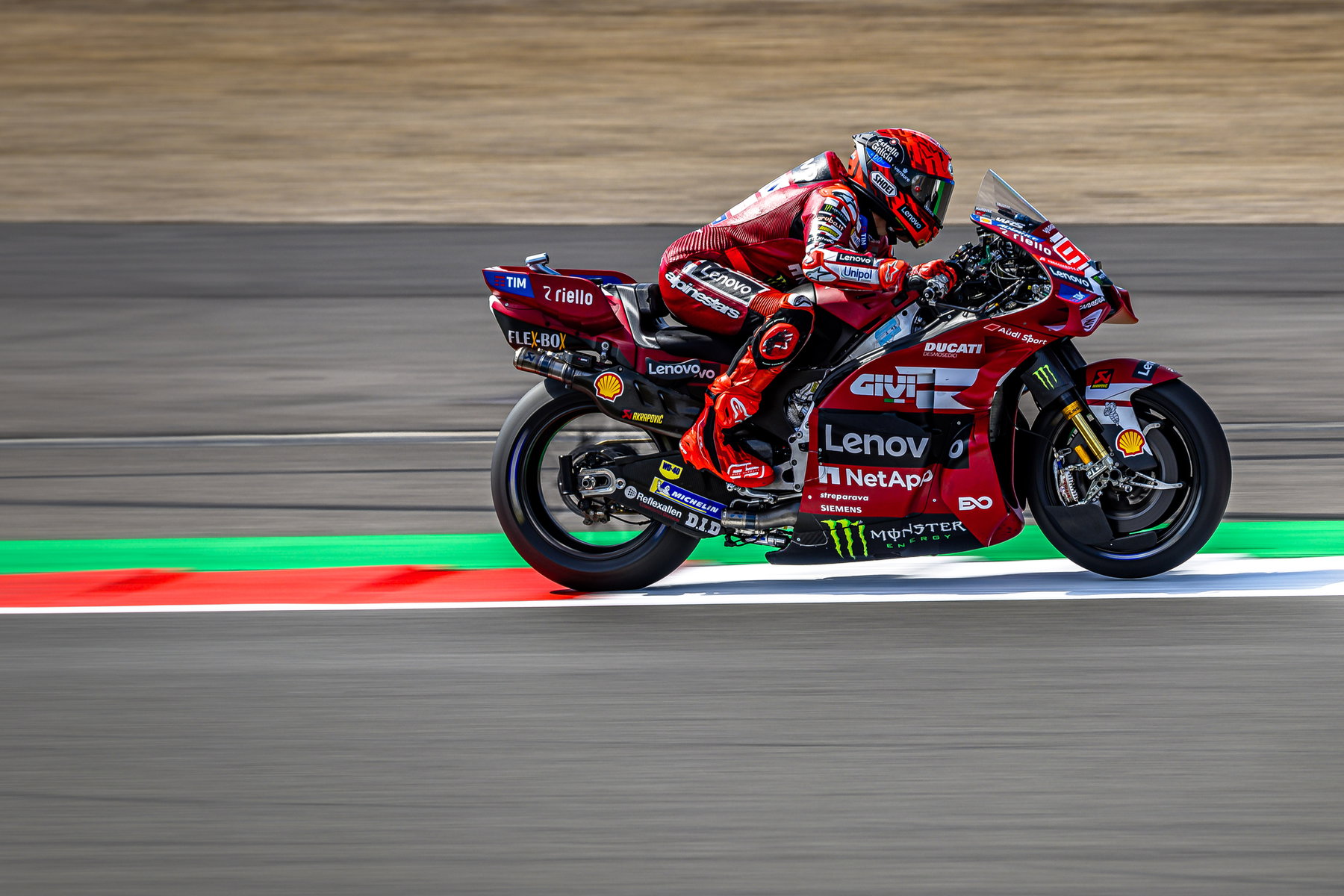
What makes Marc Marquez special from an engineer’s point of view?
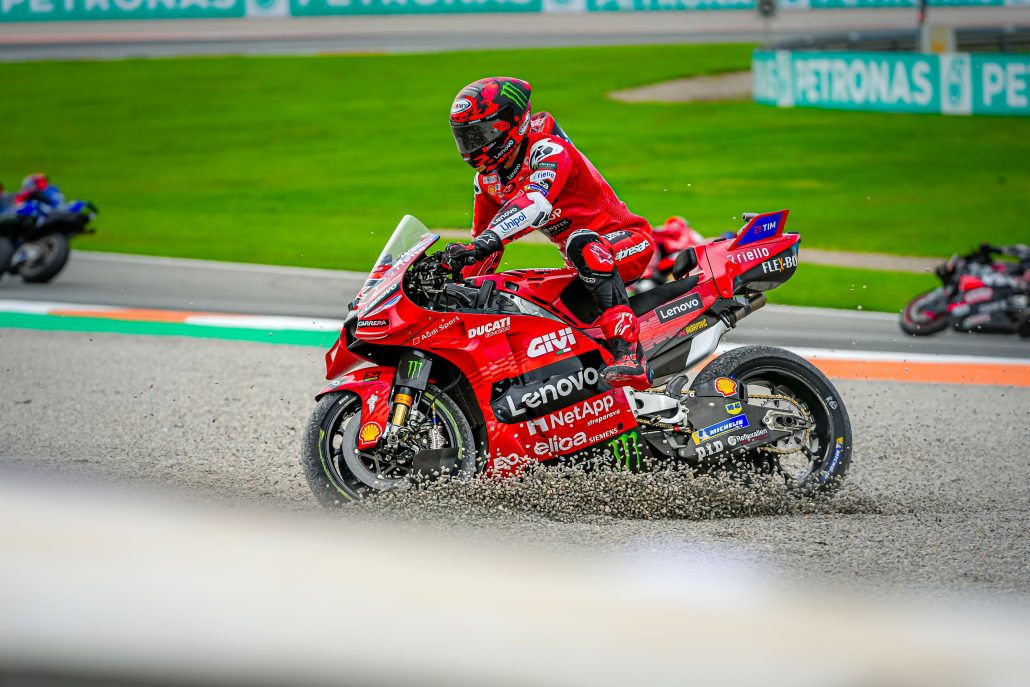
According to Torstensson, Marquez understands his bike better than any other rider and delivers very usable feedback. The decisive difference lies elsewhere, though: he is fast even when the setup is not right.
“Marc Márquez, probablemente, entiende la moto mejor que todos los demás”, Torstensson says. Translated: “Marc Marquez probably understands the bike better than anyone else.” He can pinpoint exactly what the bike needs in order to go faster. At the same time: “Si tú cometes un error o no encuentras la mejor configuración, él irá muy rápido de todos modos.” In English: “If you make a mistake or fail to find the best setup, he will go very fast anyway.”
Torstensson tells a story from testing to go with it. His team had brought along a new component, Marquez went out with it and set a strong time. In the garage the technicians thought the part was excellent. Then the Spaniard came back in and said he did not like it. Asked how he had managed to go that fast, the answer was: “Simplemente, apreté.” Translated: “I simply pushed harder.”
Why is Pecco Bagnaia considered particularly sensitive?
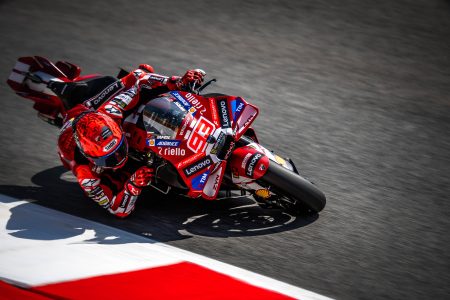
Bagnaia picks up very fine differences on the bike and can describe them precisely as well. That is an advantage for test work; over a race weekend it can turn into a drawback, because he needs a cleanly balanced bike.
Torstensson explicitly does not classify this as a weakness. Sensitivity can work both ways, he says, pointing out that parts of the media criticise Bagnaia for exactly that. His own view is a different one: when something is tried out in testing, Bagnaia knows very precisely how to describe what is going on, and his feedback is very good. At the same time he is “sensitive in the other way”, meaning he needs the right setup in order to be fast. For an engineer, that is extremely valuable during test sessions.
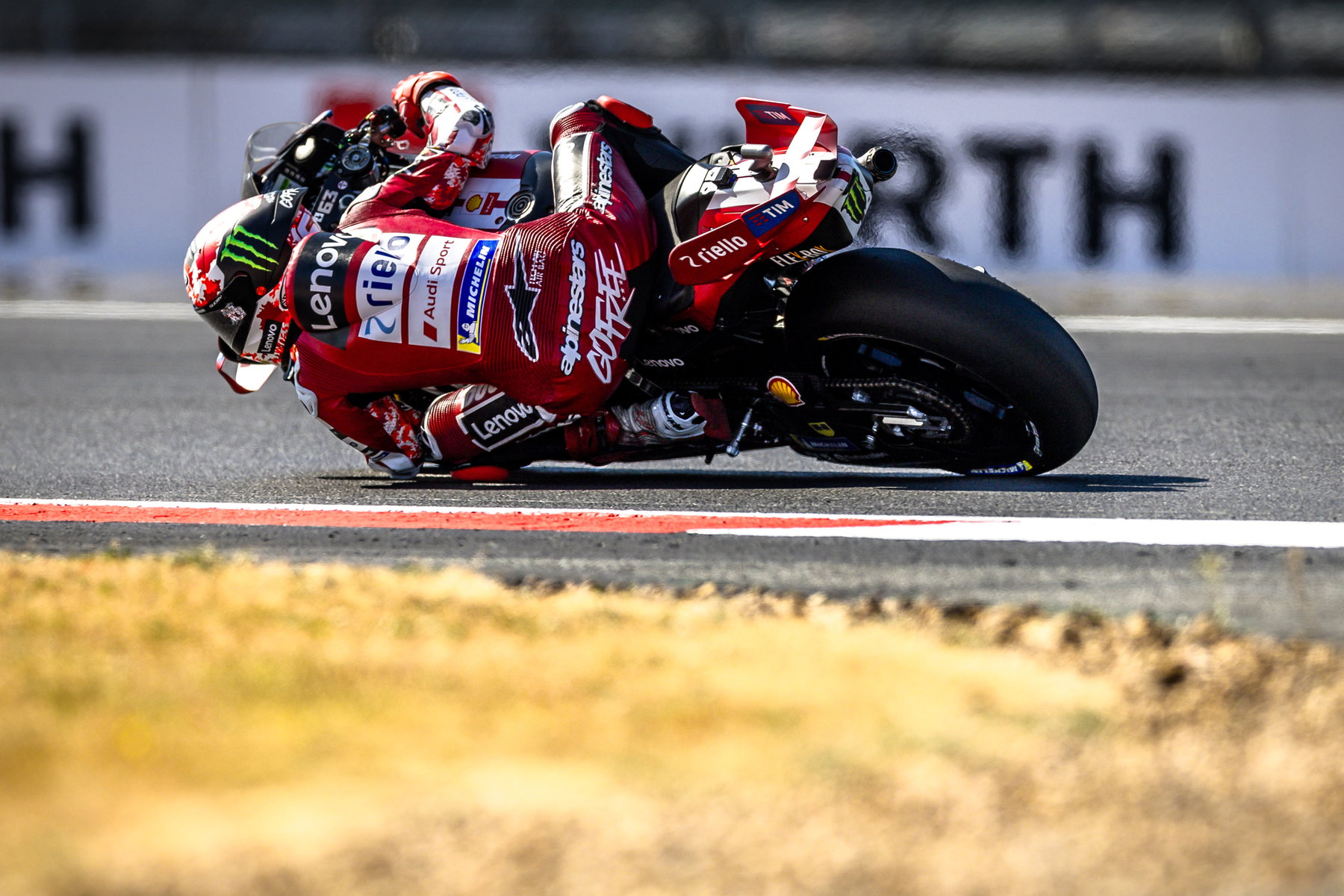
That puts the two-time world champion and his Ducati team-mate directly side by side. Both are very sensitive, but in completely different ways. One compensates for setup problems with his wrist, the other needs the bike inside the right window.
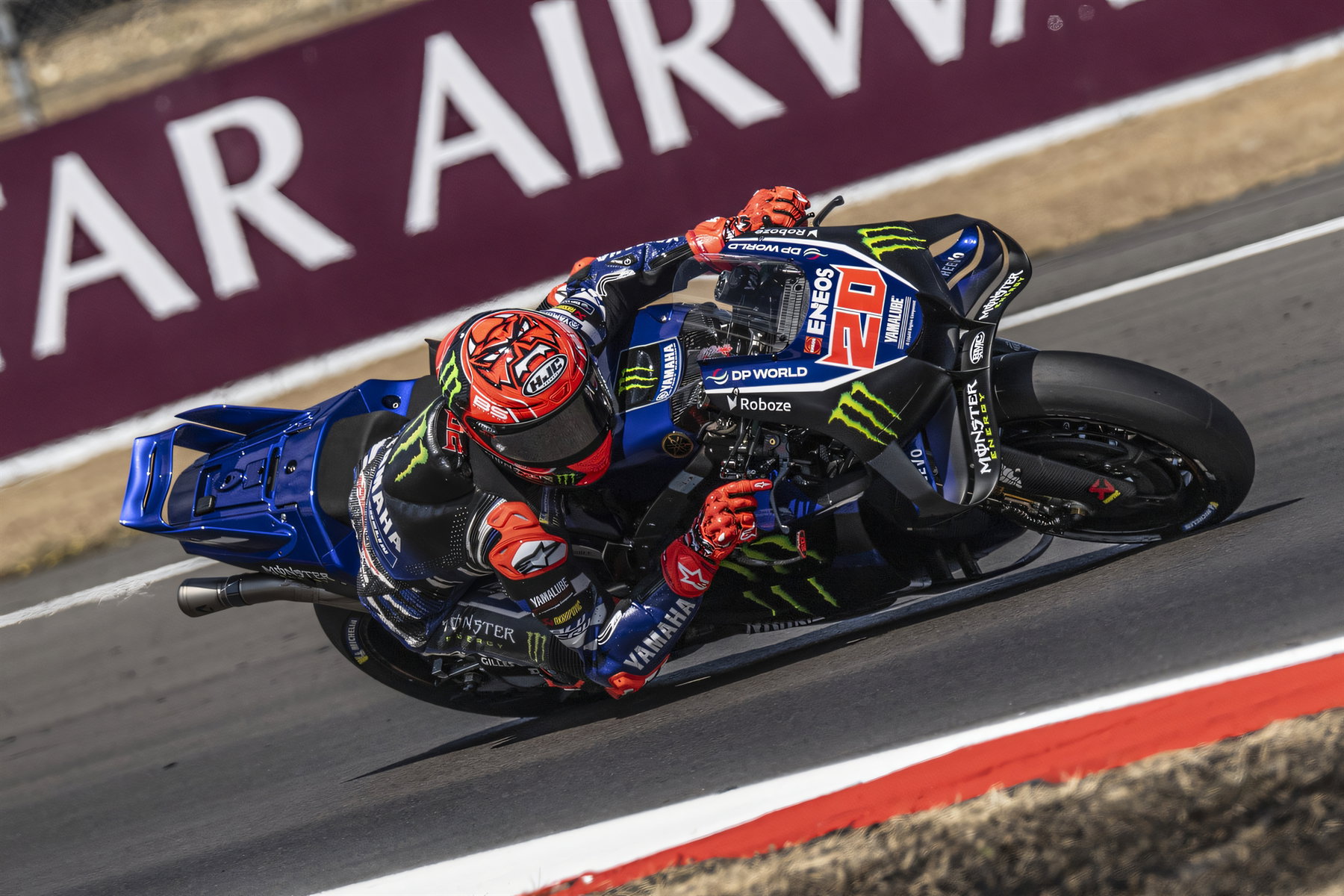
What was different about Valentino Rossi?
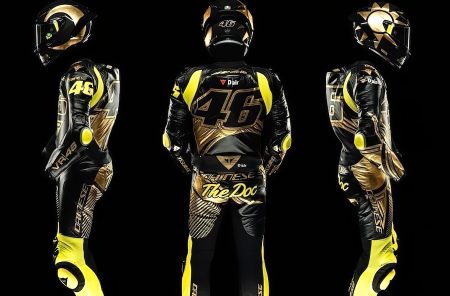
According to Torstensson, Rossi was able to translate his bike’s signals directly into a language the engineers could work with. That, he says, is exactly where his special standing came from.
“Tienes a Valentino; él tenía algo especial”, the Swede recalls. In English: “There is Valentino, he had something special.” When Rossi climbed on board, the bike spoke to him, and he was able to translate that for the technicians so it became clear what needed to be done. Rossi ended his MotoGP career more than five years ago. In the engineers’ memory he has remained present all the same.
Who is the most emotional rider in the field?
Asked about the most impetuous rider, Torstensson names Fabio Quartararo. For the work at the track, however, he sees no problem in that.
You can clearly see that the 2021 world champion is very emotional, Torstensson says, and that is not something you only notice on television. From an engineering point of view it never becomes an obstacle, because Quartararo always stays professional in conversation, even when he shows his feelings: “Nunca hace estupideces”, meaning “He never does anything stupid.”
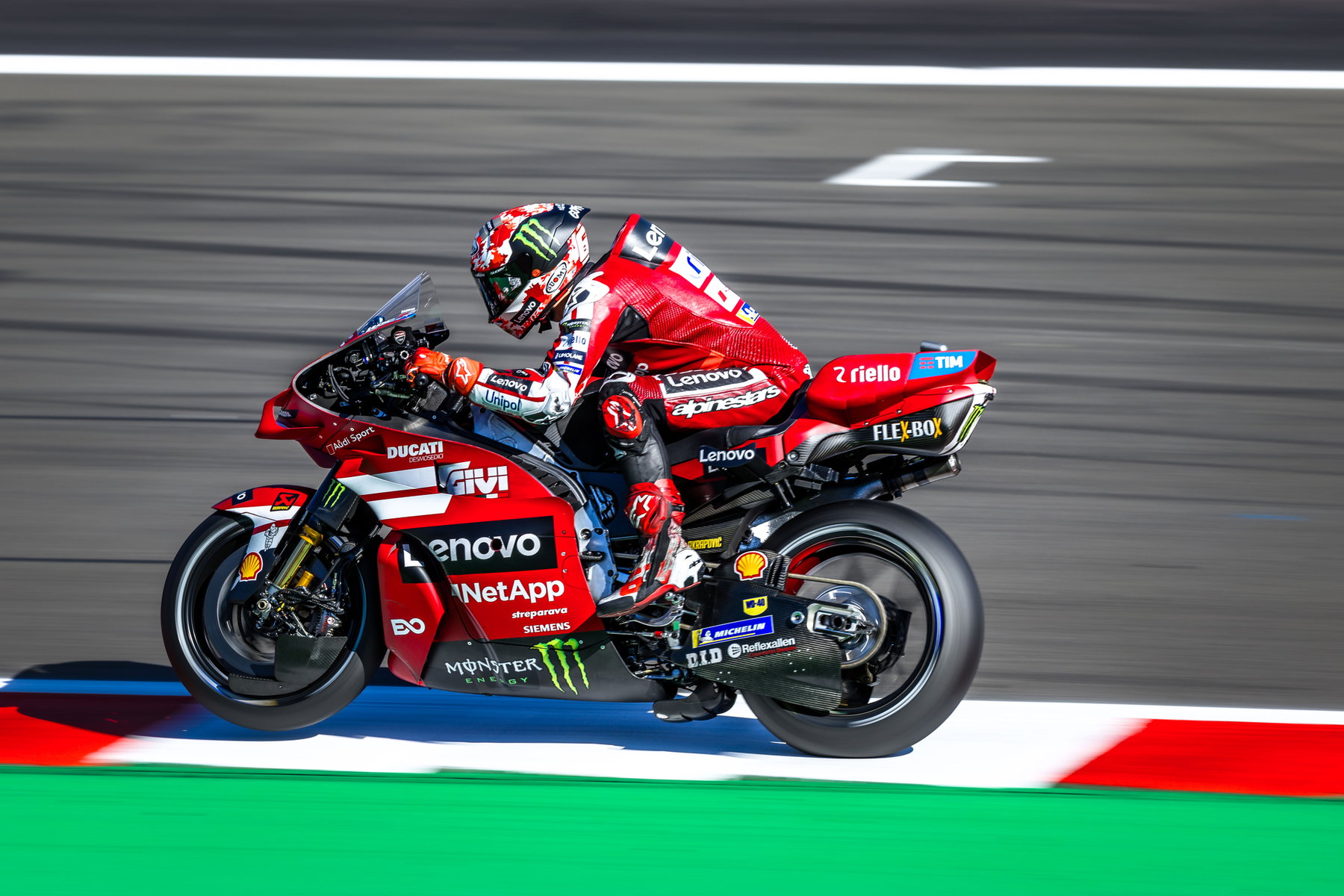
What role did the suspension play in Suzuki’s 2020 title?
A shock absorber developed at the time was, in Torstensson’s account, one building block of Joan Mir’s 2020 title win. It was not the deciding factor, he says, but it did help.
The 2020 season fell into the Covid period and ran under unusual conditions. In parallel, Öhlins was working on the shock absorber that is still in use today. All teams were allowed to test it at the same time, but according to Torstensson, Suzuki implemented it very quickly. He credits test rider Sylvain Guintoli among others, describing him as one of the best test riders he has ever worked with. Guintoli and the team finished the development work early.
Torstensson qualifies it himself: Suzuki did not win because of that component, because the whole bike was strong and Mir rode very well. “Pero ayudó y todavía se usa esa pieza”, he says, meaning: “But it helped, and that part is still being used.”
How strongly is Öhlins represented in MotoGP?
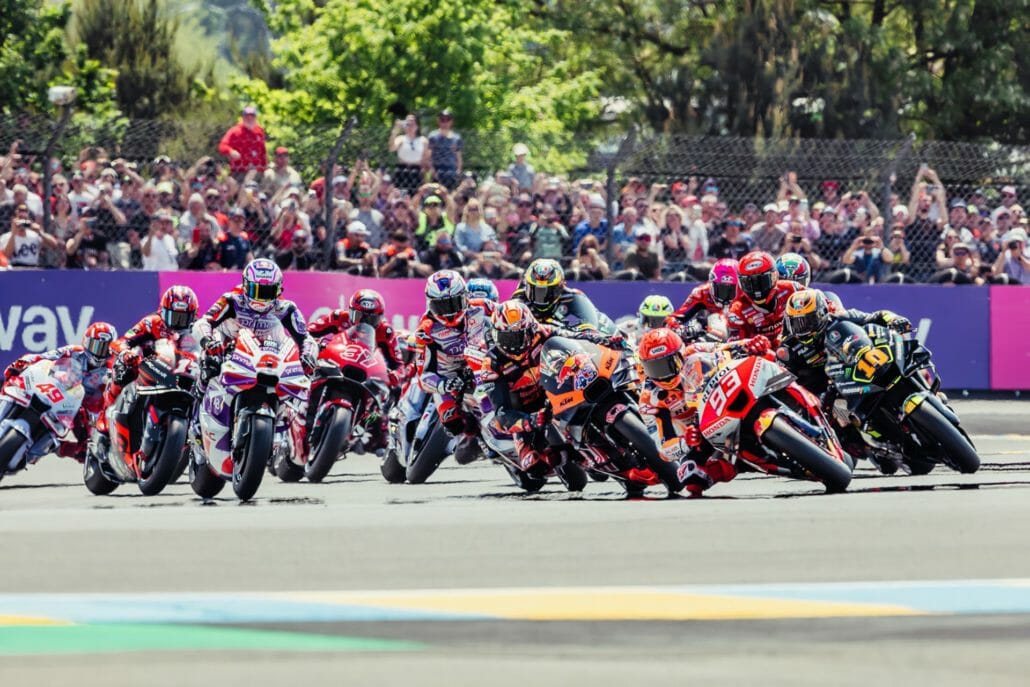
Öhlins supplies practically the entire grid. The only exception is KTM, which uses its in-house brand WP.
In numbers that means: 18 of the 22 prototypes in the premier class run dampers from Upplands Väsby near Stockholm. Only the four riders on the RC16 set up their bikes with WP technicians; all riders and engineers at Ducati, Aprilia, Yamaha and Honda work with Öhlins staff. The last rider to win the premier-class title without Öhlins was Nicky Hayden, who ran Showa on the Honda in 2006. The Swedes’ first 500cc title went to Eddie Lawson in 1984.
Behind that data base stands a fixed team: 14 technicians work permanently at the headquarters near Stockholm, another 13 look after the teams directly at the race tracks. At Ducati Lenovo there are two, at a private outfit such as VR46 one. Since January 2025, Öhlins has belonged to the Italian Brembo group.
Torstensson has described elsewhere how differently the cooperation can run depending on culture. In terms of mentality, he sees the Swedes as closer to the Japanese and therefore to the customers at Honda and Yamaha. The way of communicating is very similar, which is why working with the Japanese factories is easier in that respect. At the same time, a large part of the paddock is Spanish and Italian in character, and things there are not always harmonious.
For the ongoing 2026 MotoGP season, assessments like these are more than a footnote. Marquez and Bagnaia continue to share the garage in the Ducati factory team, and their different approaches to setup explain at least part of why the same material can work very differently for two riders.
Frequently Asked Questions
-
Who is Jonas Torstensson?
Jonas Torstensson heads the motorcycle racing division at Öhlins. He has worked with MotoGP riders and teams for many years and has access to the suspension data of almost the entire grid.
-
Which MotoGP teams run Öhlins?
In MotoGP, Öhlins supplies every manufacturer except KTM. Specifically, 18 of the 22 prototypes are fitted with Öhlins dampers, and only the four RC16 machines use WP Suspension from the KTM group.
-
What does Öhlins say about Marc Marquez?
In Jonas Torstensson’s assessment, Marquez probably understands the bike better than any other rider and delivers very good feedback. On top of that, he is fast even when the setup has not been dialled in perfectly.
-
Why is Pecco Bagnaia considered a sensitive rider?
Bagnaia notices the smallest changes on the bike and can describe them precisely. According to Öhlins that is an advantage for test work, while at the same time he needs a suitable setup in order to be fast.
-
Did an Öhlins component help Joan Mir to the 2020 title?
According to Torstensson, a newly developed shock absorber was one building block of that success, but not the reason for the title. Suzuki implemented the innovation earlier than the competition with test rider Sylvain Guintoli, and the part is still in use today.
➜ This article is part of our comprehensive overview: MotoGP 2026 Season: The Complete Overview – Teams, Riders, Calendar & Standings. Find all key information on this topic in one place.